EN
EN

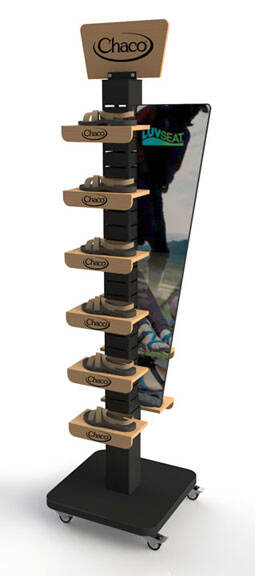
Creating functional and visually appealing storage solutions has become essential for both home organization and retail merchandising. A well-designed wood display shelf serves multiple purposes, combining practical storage with aesthetic enhancement while offering durability that synthetic materials often cannot match. Whether you're organizing personal collections at home or showcasing products in a commercial environment, wooden shelving provides timeless appeal that complements various design styles and architectural elements.
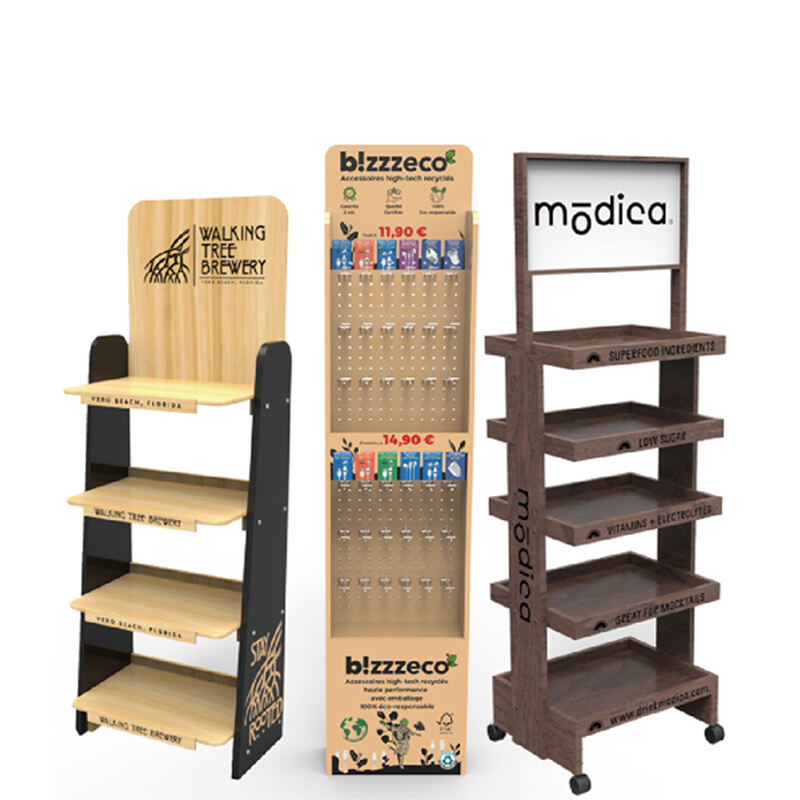
The versatility of wooden display solutions extends beyond simple storage, offering opportunities to transform spaces through strategic placement and creative design integration. Modern wood display shelf concepts incorporate both traditional craftsmanship and contemporary functionality, allowing property owners and retailers to maximize space utilization while maintaining visual coherence. Understanding different wood types, construction methods, and placement strategies enables optimal selection for specific environments and usage requirements.
Home Interior Wood Display Shelf Applications
Living Room Display Solutions
Living room environments benefit significantly from strategically placed wooden shelving that balances functionality with visual appeal. A floating wood display shelf creates clean lines while providing space for books, decorative objects, and personal collections without overwhelming the room's aesthetic. Natural wood grain patterns add warmth and texture to modern minimalist spaces, while darker finishes complement traditional furniture pieces and established color schemes.
Corner installations maximize unused space while creating focal points that draw attention to displayed items. Multi-tiered wooden shelving systems allow for varied object heights and create dynamic visual interest through layered arrangements. Integrated lighting beneath each shelf level enhances displayed items while providing ambient illumination for evening activities and entertainment purposes.
Wall-mounted configurations eliminate floor space requirements while offering flexible arrangement options that adapt to changing display needs. Modular wooden shelf systems enable future expansion or reconfiguration as collections grow or room layouts evolve. The natural material properties of wood provide acoustic benefits that reduce sound reflection compared to metal or glass alternatives.
Kitchen and Dining Area Integration
Kitchen environments require wood display shelf solutions that withstand moisture, temperature fluctuations, and frequent cleaning while maintaining food safety standards. Sealed hardwood surfaces resist staining and bacterial growth better than untreated materials, making them suitable for displaying cookware, dishes, and decorative kitchen accessories. Open shelving concepts create accessible storage that encourages organization and reduces cabinet door wear from frequent opening.
Dining room applications focus on showcasing fine china, glassware, and serving pieces while protecting valuable items from damage. Adjustable shelf spacing accommodates various object sizes and allows for seasonal display changes or special occasion arrangements. Proper wood selection ensures stability under the weight of heavy ceramic or glass collections while maintaining structural integrity over extended periods.
Spice rack configurations utilize compact wooden shelving to organize cooking ingredients while keeping them easily accessible during meal preparation. Custom-sized compartments accommodate different container shapes and sizes while maintaining visual uniformity through consistent wood finishing and construction quality.
Retail Environment Wood Display Shelf Strategies
Product Merchandising Techniques
Retail environments require wood display shelf systems that attract customer attention while facilitating easy product access and restocking procedures. Eye-level placement maximizes visibility for featured merchandise while creating natural browsing patterns that guide customers through the store layout. Angled shelving surfaces improve product visibility and reduce visual obstruction from overlapping items or packaging.
Modular wooden display systems accommodate seasonal merchandise changes and promotional campaigns without requiring complete fixture replacement. Adjustable components allow retailers to optimize shelf spacing for different product categories while maintaining consistent brand presentation throughout the store. Sturdy construction handles frequent restocking activities and customer interaction without developing wear patterns that compromise professional appearance.
Brand-specific customization options include integrated signage areas, company logo incorporation, and color coordination that reinforces brand identity while showcasing products effectively. A well-designed wood display shelf system creates memorable shopping experiences that encourage customer engagement and repeat visits through attractive presentation and functional accessibility.
Commercial Space Planning
Commercial space planning requires careful consideration of traffic flow, accessibility requirements, and merchandise turnover rates when implementing wooden display solutions. Strategic placement creates natural pathways that guide customers through desired shopping sequences while avoiding congestion points that impede movement or create safety concerns. Proper spacing between fixtures ensures compliance with accessibility standards while maximizing product exposure opportunities.
Inventory management benefits from wooden shelving systems that accommodate standard product packaging while providing clear visibility for stock level monitoring. Consistent shelf depths and heights facilitate uniform product presentation while simplifying restocking procedures and reducing labor requirements. Durable construction materials withstand commercial cleaning procedures and maintain appearance standards under continuous customer interaction.
Flexibility requirements include easy reconfiguration capabilities that adapt to changing product lines, seasonal merchandise variations, and promotional display needs without disrupting ongoing business operations. Modular components enable cost-effective expansion or modification as business requirements evolve over time.
Material Selection and Construction Considerations
Wood Type Characteristics
Different wood species offer distinct advantages for display shelf applications based on grain patterns, density characteristics, and finishing properties. Hardwood options like oak, maple, and cherry provide superior strength and durability for heavy-duty applications while offering attractive natural grain patterns that enhance visual appeal. Softwood alternatives such as pine and fir offer cost-effective solutions for lighter applications while accepting stains and finishes that achieve desired color coordination.
Moisture resistance varies significantly among wood types, with naturally oily species like teak and cedar providing better protection against humidity and temperature fluctuations. Engineered wood products offer consistent dimensional stability and uniform appearance while reducing costs compared to solid hardwood construction. Proper species selection depends on environmental conditions, weight requirements, and aesthetic preferences specific to each application.
Grain direction affects structural strength and visual appeal, with vertical grain patterns providing maximum load-bearing capacity while horizontal configurations emphasize natural wood patterns and color variations. Surface preparation requirements vary among species, with some woods requiring minimal finishing while others benefit from multiple treatment stages to achieve desired appearance and protection levels.
Structural Design Elements
Load-bearing calculations ensure wood display shelf systems safely support intended weight requirements without excessive deflection or structural failure. Proper support spacing prevents sagging while maintaining clean visual lines that complement architectural elements and existing furniture pieces. Reinforcement techniques include hidden brackets, internal framework, and strategic joint placement that maximizes strength without compromising aesthetic appeal.
Joint construction methods affect both durability and appearance, with traditional woodworking techniques like dovetail and mortise-and-tenon joints providing superior strength compared to simple mechanical fasteners. Modern adhesive technologies complement traditional joinery while reducing assembly time and improving moisture resistance in challenging environments.
Edge treatments and corner details contribute significantly to overall appearance while affecting maintenance requirements and safety considerations. Rounded edges reduce injury risk while providing easier cleaning access, while sharp corners offer contemporary styling that complements modern architectural elements.
Design Integration and Aesthetic Coordination
Color and Finish Coordination
Color selection for wood display shelf systems requires careful coordination with existing interior elements, lighting conditions, and intended display materials to achieve cohesive visual results. Natural wood tones complement neutral color schemes while providing warmth and texture that synthetic materials cannot replicate. Stained finishes offer unlimited color possibilities while preserving natural grain patterns that add visual interest and authenticity.
Finish durability considerations include resistance to fading, scratching, and moisture exposure based on environmental conditions and usage intensity. Multiple coat systems provide superior protection while allowing for future refinishing when appearance standards require restoration. Matte finishes reduce glare and fingerprint visibility while gloss options enhance wood grain visibility and simplify cleaning procedures.
Consistency across multiple shelf installations requires careful attention to wood selection, preparation procedures, and application techniques to avoid color variations that compromise professional appearance. Sample testing ensures desired results before committing to large installations or expensive materials.
Spatial Harmony and Proportion
Proper scaling ensures wood display shelf installations complement room proportions without overwhelming existing architectural features or furniture arrangements. Height relationships between shelving and surrounding elements create visual balance while maintaining functional accessibility for intended users. Depth considerations prevent protrusion into traffic areas while providing adequate display space for intended objects or merchandise.
Spacing patterns create rhythm and visual interest through consistent intervals or deliberate variations that accommodate different display requirements. Asymmetrical arrangements can provide dynamic visual appeal while maintaining functional organization through careful planning and proportional relationships. Integration with existing storage systems creates unified appearance while maximizing space utilization efficiency.
Lighting integration enhances displayed items while providing ambient illumination that improves overall space functionality. Concealed lighting systems preserve clean visual lines while highlighting wood grain patterns and displayed objects effectively. Natural light considerations affect wood color appearance throughout daily cycles and seasonal variations.
FAQ
What wood types work best for display shelves in humid environments?
Cedar, teak, and properly sealed oak perform well in humid conditions due to their natural oils and density characteristics. These species resist warping, cracking, and moisture absorption better than softwoods like pine or fir. Always apply appropriate moisture-resistant finishes regardless of wood type, and ensure adequate ventilation around shelf installations to prevent humidity buildup that can cause structural problems over time.
How much weight can a typical wood display shelf support?
Weight capacity depends on wood species, shelf thickness, support spacing, and mounting method. A properly constructed hardwood shelf with supports every 24 inches typically handles 50-75 pounds safely, while engineered wood products may support 30-50 pounds under similar conditions. Always calculate load requirements before installation and use appropriate reinforcement for heavy items like books or commercial merchandise to prevent structural failure.
What maintenance is required for wood display shelves?
Regular dusting with soft cloths prevents buildup that can scratch finished surfaces, while periodic cleaning with appropriate wood cleaners maintains appearance and protects the finish. Inspect mounting hardware annually for loosening or wear, and reapply protective finishes every 2-3 years in high-use areas or challenging environments. Address minor scratches or damage promptly to prevent moisture infiltration that can cause more extensive problems.
Can wood display shelves be customized for specific dimensions?
Most wooden shelving systems offer extensive customization options including specific dimensions, wood species selection, finish colors, and hardware choices to match individual requirements. Custom fabrication accommodates unusual spaces, specific load requirements, or unique design preferences while maintaining structural integrity and professional appearance. Work with experienced woodworkers or manufacturers who understand both aesthetic and functional requirements for optimal results.