EN
EN

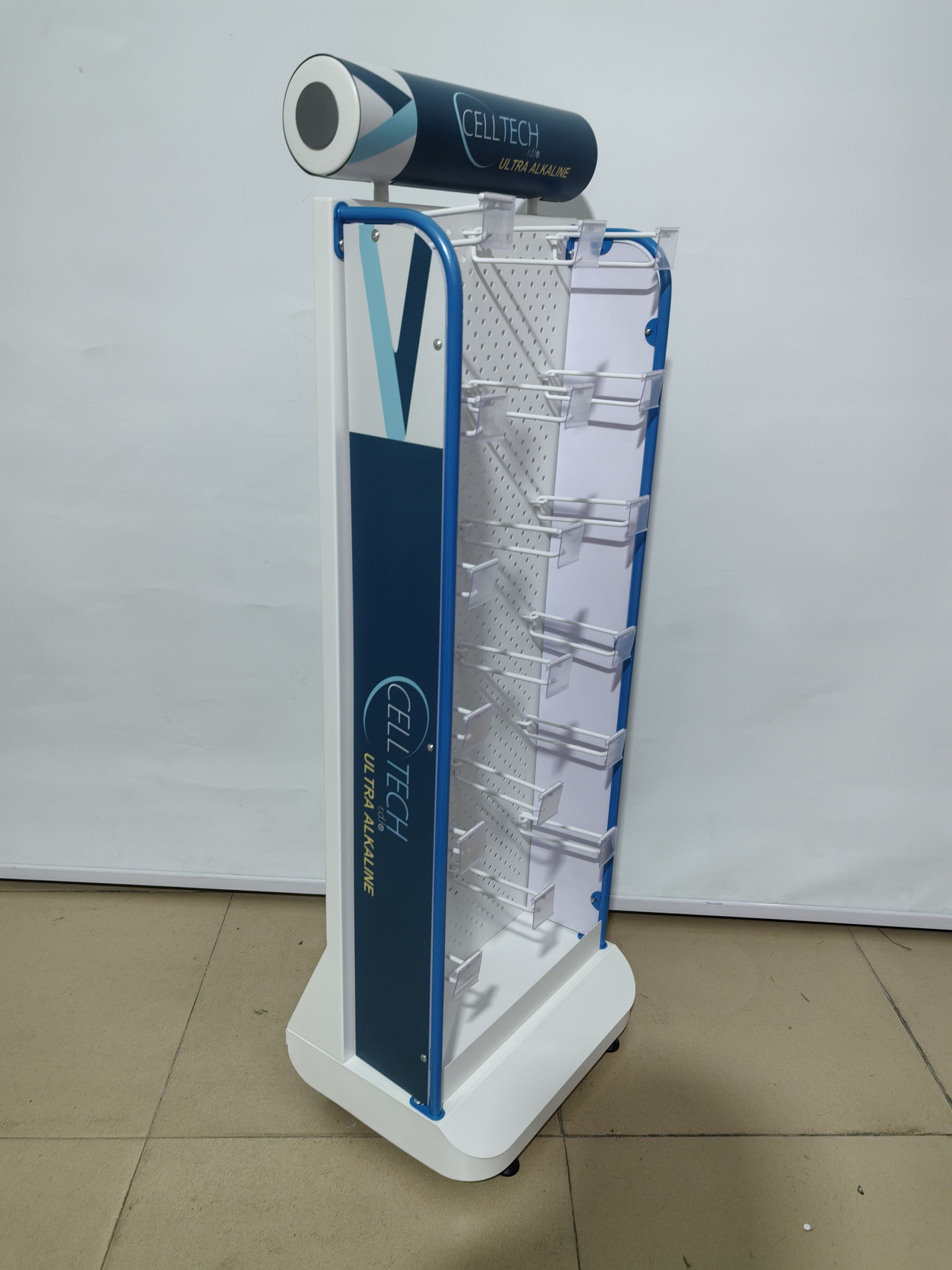
Creating an effective brief for a custom display manufacturer requires strategic planning, clear communication, and detailed specifications that translate your vision into a tangible retail solution. The quality of your briefing process directly impacts the success of your custom display project, influencing everything from design accuracy to production timelines and final costs. A well-structured brief serves as the foundation for collaboration between your brand and the manufacturer, ensuring that your custom display meets both aesthetic goals and functional requirements while staying within budget constraints.
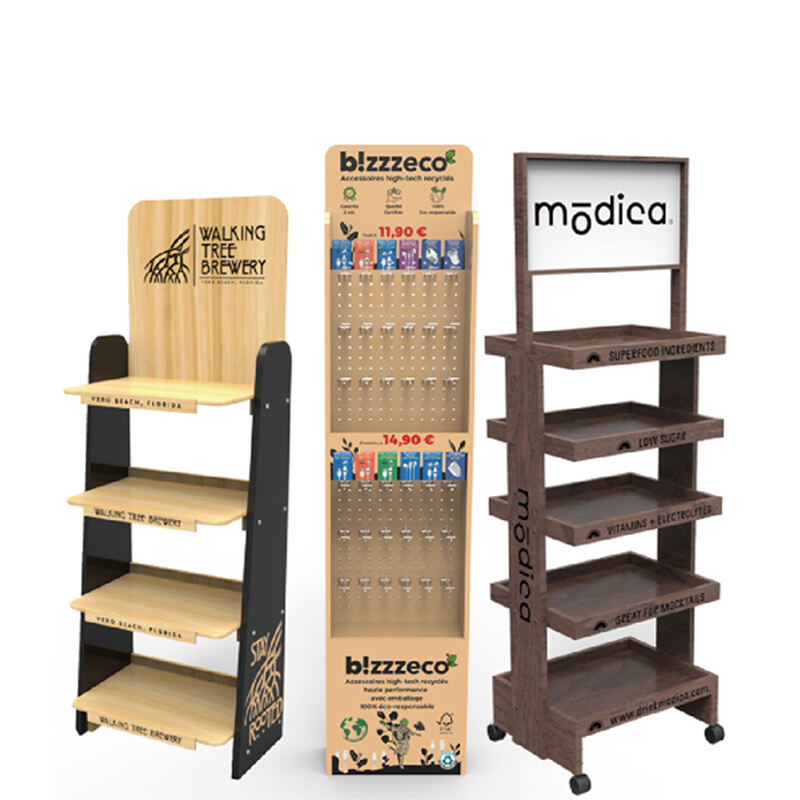
The briefing process for a custom display involves multiple phases of information gathering, creative direction, and technical specification development. Successful brands understand that investing time in comprehensive briefing reduces miscommunication, minimizes costly revisions, and accelerates the path from concept to finished display. This systematic approach to manufacturer briefing ensures that your custom display project delivers maximum impact for your retail environment while maintaining brand consistency and meeting operational requirements.
Understanding Your Display Objectives and Requirements
Defining Primary Display Functions
The foundation of any successful custom display brief begins with clearly articulating the primary functions your display must serve within your retail environment. Whether your custom display needs to showcase new product launches, create seasonal merchandising opportunities, or establish permanent brand presence, defining these core objectives helps manufacturers understand the design priorities and performance requirements. Consider how your display will integrate with existing store layouts, traffic patterns, and customer shopping behaviors to ensure optimal placement and effectiveness.
Functional requirements extend beyond simple product presentation to include considerations like storage capacity, accessibility for restocking, durability under heavy use, and adaptability for different product configurations. Your custom display brief should specify whether the unit needs to accommodate varying product sizes, support interactive elements, or include integrated lighting and signage capabilities. These functional details directly influence material selection, structural engineering, and manufacturing complexity.
Additionally, consider the operational aspects of your custom display, including assembly requirements, maintenance needs, and potential for reconfiguration or seasonal updates. Manufacturers need to understand whether your display requires tool-free assembly, modular components for easy transportation, or specialized features like locking mechanisms for high-value merchandise. These operational considerations significantly impact the design approach and manufacturing processes required for your project.
Establishing Brand Alignment and Visual Identity
Your custom display must seamlessly integrate with your existing brand identity while potentially elevating the customer experience through innovative design elements. The briefing process should include comprehensive brand guidelines, color specifications, typography requirements, and any mandatory design elements that must appear on the display structure. Manufacturers need access to high-resolution logos, brand assets, and detailed specifications for maintaining brand consistency across all display components.
Brand alignment extends to material choices, finish quality, and overall aesthetic approach, requiring clear communication about premium positioning, sustainability commitments, or specific brand values that should be reflected in the display design. Your brief should articulate whether your brand requires eco-friendly materials, premium finishes, or innovative construction techniques that reinforce brand perception and market positioning.
The visual identity component of your brief should also address how the custom display will differentiate your brand within competitive retail environments. This includes specifications for unique design elements, proprietary features, or distinctive visual treatments that help your display stand out while maintaining professional appearance and functional effectiveness.
Communicating Technical Specifications and Constraints
Dimensional and Space Requirements
Accurate dimensional specifications form the technical backbone of your custom display brief, requiring precise measurements of available floor space, ceiling height restrictions, and any architectural constraints within your target retail environments. Your manufacturer needs detailed floor plans, photographs of installation locations, and measurements that account for customer traffic flow, safety clearances, and accessibility requirements. These spatial constraints directly influence the display's footprint, height, and overall proportions.
Consider variations in retail environments where your custom display may be installed, including different store formats, ceiling heights, and floor space allocations that require design flexibility or modular adaptation. Your brief should specify whether the display needs to accommodate multiple retail formats or if separate configurations are required for different store types.
Technical specifications should also address weight limitations, especially for displays intended for upper-level installations or locations with structural constraints. Include information about flooring types, weight distribution requirements, and any building code compliance issues that might affect the display design or installation process.
Material and Finish Specifications
Material selection significantly impacts both the appearance and performance of your custom display, requiring detailed specifications for durability, maintenance requirements, and aesthetic preferences. Your brief should specify whether you require natural materials like wood or metal, engineered materials for specific performance characteristics, or sustainable options that align with corporate environmental commitments. Each material choice affects manufacturing processes, cost structures, and long-term maintenance requirements.
Finish specifications should address surface treatments, color matching requirements, and durability standards appropriate for your retail environment's traffic levels and cleaning protocols. Consider factors like scratch resistance, UV stability, and chemical resistance based on your specific installation conditions and maintenance capabilities. Your manufacturer needs to understand whether premium finishes are required for brand positioning or if cost-effective options can meet functional requirements.
Include specifications for any special material requirements, such as food-safe surfaces for consumable products, anti-microbial treatments for health-related merchandise, or specialized coatings for outdoor or high-humidity environments. These material considerations directly influence manufacturing complexity and project costs, requiring clear prioritization in your briefing process.
Developing Production Timelines and Budget Parameters
Project Timeline Management
Establishing realistic production timelines requires understanding the complexity of your custom display design, manufacturing lead times, and coordination with broader marketing or store renovation schedules. Your brief should clearly communicate critical deadlines, including design approval milestones, production completion requirements, and installation windows that align with product launches or seasonal campaigns. Manufacturers need sufficient lead time for design development, prototype creation, approval processes, and full production runs.
Consider the iterative nature of custom display development, including time for design revisions, prototype testing, and potential modifications based on initial production samples. Your timeline should build in buffer periods for unexpected challenges, shipping delays, or last-minute design adjustments that commonly occur during custom manufacturing projects. Clear communication about timeline flexibility helps manufacturers allocate resources appropriately and manage production scheduling effectively.
The briefing process should also address coordination requirements with other vendors, installation teams, or store operations that might affect the overall project timeline. Include information about any dependencies on other marketing initiatives, store renovations, or product availability that could influence the optimal delivery and installation schedule for your custom display.
Budget Framework and Cost Considerations
Transparent budget communication enables manufacturers to propose design solutions and material choices that deliver optimal value within your financial constraints. Your brief should specify not only the total project budget but also priorities for budget allocation between design complexity, material quality, quantity requirements, and additional services like installation or ongoing support. This budget framework helps manufacturers propose appropriate solutions and avoid over-engineering or under-delivering on critical requirements.
Consider the total cost of ownership for your custom display, including initial manufacturing costs, shipping and installation expenses, ongoing maintenance requirements, and potential future modifications or expansions. Your budget discussion should address whether you prefer higher initial investment for premium materials and construction or cost-effective solutions that may require more frequent updates or replacements.
Budget parameters should also address quantity considerations, including whether you need pricing for single prototypes, small production runs, or large-scale rollouts across multiple locations. Manufacturers can often provide volume pricing advantages or suggest design modifications that reduce per-unit costs for larger quantities while maintaining quality and brand standards.
Establishing Quality Standards and Performance Expectations
Durability and Performance Criteria
Quality standards for custom display manufacturing must address the specific performance requirements of your retail environment, including expected traffic levels, product weight capacities, and environmental conditions that affect long-term durability. Your brief should specify testing requirements, warranty expectations, and performance benchmarks that ensure your custom display maintains appearance and functionality throughout its intended lifespan. These criteria help manufacturers select appropriate materials, construction methods, and quality control processes.
Performance expectations should address both structural integrity and aesthetic longevity, including resistance to wear, fading, or damage under normal retail conditions. Consider factors like daily setup and breakdown requirements, frequent product changes, or high-touch interactive elements that increase wear and require robust construction. Your manufacturer needs to understand these usage patterns to engineer appropriate solutions and recommend maintenance protocols.
Quality criteria should also address safety standards, regulatory compliance, and any industry-specific requirements that apply to your retail environment or product categories. Include information about required certifications, testing protocols, or safety features that must be incorporated into the display design and manufacturing process.
Installation and Support Requirements
Installation requirements significantly influence custom display design, affecting everything from modular construction to specialized hardware and assembly procedures. Your brief should specify whether you need manufacturer-provided installation services, detailed assembly instructions for in-house teams, or hybrid approaches that combine professional installation with ongoing maintenance support. Consider the skill level of your installation teams and any specialized tools or equipment that might be required.
Support requirements should address ongoing maintenance needs, replacement part availability, and modification capabilities that ensure your custom display continues to meet evolving retail requirements. Manufacturers should understand whether you need regular maintenance services, training for your teams, or design flexibility that accommodates future product line changes or store format updates.
The briefing process should also establish communication protocols for project management, progress updates, and issue resolution throughout the manufacturing and installation process. Clear expectations for manufacturer responsiveness, project documentation, and post-installation support help ensure smooth project execution and long-term success.
FAQ
What information should I gather before contacting a custom display manufacturer?
Before contacting a custom display manufacturer, gather detailed measurements of your retail space, high-resolution photos of the installation location, your brand guidelines and logo files, product specifications and dimensions, target budget range, and project timeline requirements. Also prepare examples of displays you admire, specific functional requirements like storage or interactive features, and any regulatory or safety standards that apply to your retail environment.
How detailed should my initial brief be for a custom display project?
Your initial brief should be comprehensive enough to enable accurate cost estimation and timeline development, including specific dimensions, functional requirements, material preferences, brand guidelines, budget parameters, and timeline constraints. However, maintain some flexibility for manufacturer input on design optimization, material alternatives, and construction methods that could improve functionality or reduce costs while meeting your core objectives.
What factors most commonly cause delays in custom display manufacturing?
Common delay factors include incomplete or changing specifications, extended approval processes, material sourcing challenges for specialized finishes or sustainable options, design complexity that requires additional engineering, and coordination issues with other project elements like store renovations or product launches. Clear communication, realistic timelines, and early decision-making on key specifications help minimize these potential delays.
How can I ensure my custom display manufacturer understands my brand requirements?
Provide comprehensive brand guidelines, style guides, and examples of existing brand applications that demonstrate your visual identity standards. Share high-quality images of current retail environments, competitor analysis showing what you want to avoid or improve upon, and specific examples of materials, finishes, or design elements that align with your brand positioning. Regular communication and approval checkpoints throughout the design process ensure alignment with your brand vision.
Table of Contents
- Understanding Your Display Objectives and Requirements
- Communicating Technical Specifications and Constraints
- Developing Production Timelines and Budget Parameters
- Establishing Quality Standards and Performance Expectations
-
FAQ
- What information should I gather before contacting a custom display manufacturer?
- How detailed should my initial brief be for a custom display project?
- What factors most commonly cause delays in custom display manufacturing?
- How can I ensure my custom display manufacturer understands my brand requirements?