EN
EN

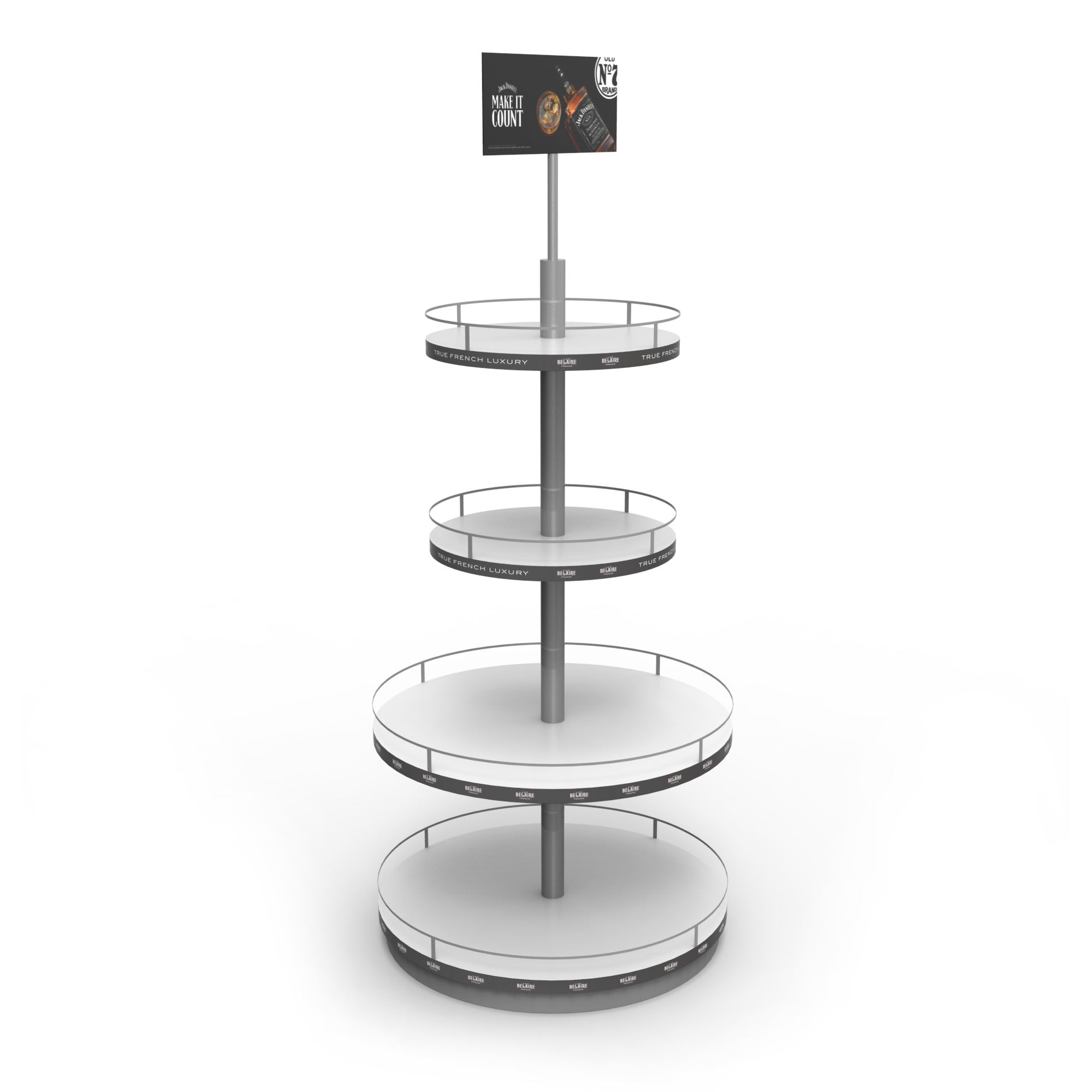
Selecting the right metal display shelf for your retail environment requires understanding the distinct advantages and applications of wire, solid, and perforated designs. Each metal display shelf configuration offers unique benefits that align with specific merchandising goals, product types, and aesthetic preferences. The choice between these three primary metal display shelf styles significantly impacts product visibility, airflow, weight capacity, and overall retail presentation effectiveness.
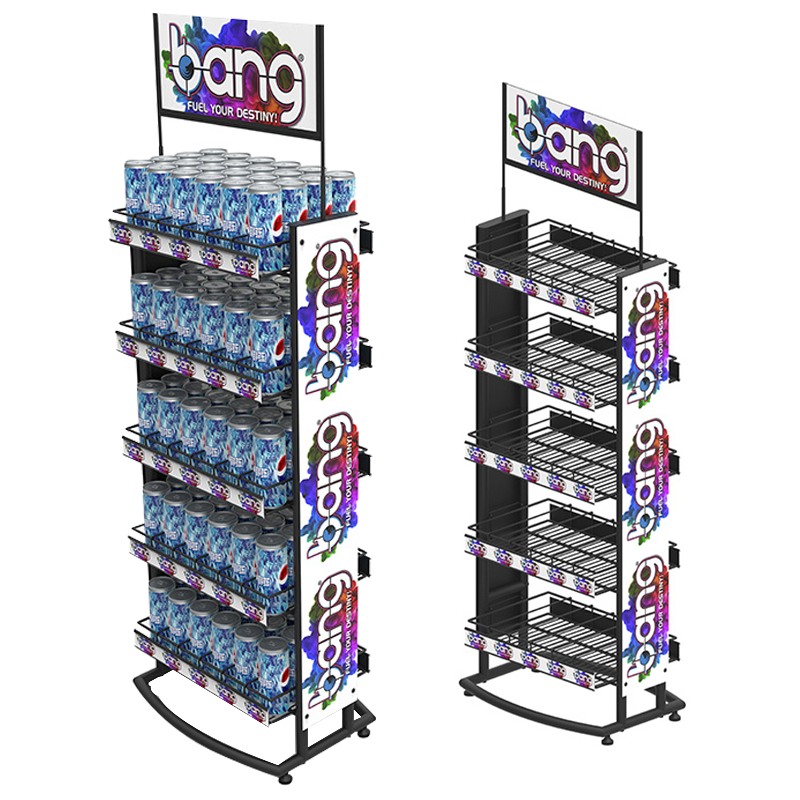
Wire shelves, solid metal platforms, and perforated panels each serve distinct retail merchandising functions that directly influence customer engagement and sales performance. Understanding these differences enables retailers to make informed decisions about which metal display shelf type best suits their specific product lines, store layout, and brand positioning. The comparison between these three configurations reveals critical factors including structural integrity, visual appeal, maintenance requirements, and cost-effectiveness that impact long-term retail success.
Wire Metal Display Shelf Characteristics and Applications
Structural Design and Ventilation Benefits
Wire metal display shelf construction features open grid patterns that maximize airflow circulation around displayed products. This design element proves particularly valuable for perishable goods, beverages, and items requiring temperature regulation. The wire framework allows ambient air to circulate freely, preventing moisture buildup and maintaining product freshness. Retail environments storing temperature-sensitive merchandise benefit significantly from the ventilation properties inherent in wire metal display shelf systems.
The structural integrity of wire shelving relies on welded or interconnected metal rods that distribute weight evenly across the surface. This configuration typically supports substantial loads while maintaining flexibility for various product sizes and shapes. Wire metal display shelf units accommodate irregularly shaped items that might not sit securely on solid surfaces, as products can settle into the grid pattern for enhanced stability.
Visibility and Product Presentation Advantages
Wire shelving maximizes product visibility from multiple angles, allowing customers to view merchandise from below, above, and through the shelving structure. This transparency effect creates an open, spacious feel that prevents the retail environment from appearing cluttered or confined. The see-through nature of wire metal display shelf systems enables better lighting penetration, ensuring products remain well-illuminated regardless of their position on the shelf.
Product identification becomes easier when customers can examine merchandise from various perspectives. Wire metal display shelf configurations allow barcode scanning from underneath, facilitating inventory management and price checking. This accessibility feature proves especially beneficial in self-service retail environments where customers need clear product information without removing items from their display positions.
Solid Metal Display Shelf Performance and Durability
Load-Bearing Capacity and Structural Stability
Solid metal display shelf platforms provide maximum weight-bearing capacity due to their continuous surface area and robust construction. Heavy merchandise, bulk items, and high-density products require the substantial support that solid shelving delivers. The uninterrupted surface distributes weight uniformly, preventing stress concentration points that could compromise structural integrity over time.
Manufacturing processes for solid metal display shelf units typically involve heavy-gauge steel or aluminum construction with reinforced edges and strategic support ribs. This engineering approach ensures long-term durability under demanding retail conditions. Solid shelving withstands impacts, vibrations, and continuous loading cycles without developing fatigue-related weaknesses that could affect product safety or display stability.
Professional Appearance and Brand Presentation
Solid metal display shelf systems project a premium, professional image that aligns with upscale retail branding strategies. The clean, uninterrupted surface provides an elegant backdrop for high-end merchandise and luxury products. Powder coating options for solid shelving enable precise color matching with corporate branding guidelines, creating cohesive visual presentations that reinforce brand identity.
Product photography and promotional displays benefit from the neutral background that solid metal display shelf surfaces provide. Marketing materials appear more prominent when displayed against solid shelving, as there are no visual distractions from grid patterns or perforations. This characteristic makes solid shelving particularly suitable for featured merchandise, seasonal promotions, and high-margin product categories.
Perforated Metal Display Shelf Features and Benefits
Balanced Functionality and Aesthetic Appeal
Perforated metal display shelf designs combine the strength of solid surfaces with the ventilation benefits of open patterns. Strategic hole placement provides controlled airflow while maintaining sufficient surface area for product support. This hybrid approach addresses specific retail challenges where complete ventilation isn't necessary but some air circulation remains beneficial for product preservation.
The perforation pattern can be customized to accommodate different product types and display requirements. Larger perforations suit products that benefit from enhanced visibility and airflow, while smaller holes maintain surface integrity for lightweight or small items. metal display shelf configurations with varied perforation patterns enable retailers to optimize functionality for specific merchandise categories.
Maintenance and Cleaning Considerations
Perforated metal display shelf surfaces facilitate easier cleaning compared to wire alternatives while remaining more manageable than completely solid platforms. The hole pattern allows cleaning solutions to drain efficiently, preventing liquid accumulation that could damage products or create unsanitary conditions. Maintenance personnel can access both shelf surfaces through the perforations, ensuring thorough cleaning in food service and healthcare retail environments.
Dust and debris management becomes more effective with perforated shelving, as particles can fall through rather than accumulating on surfaces. This self-cleaning characteristic reduces maintenance frequency while maintaining hygienic display conditions. The controlled opening size prevents small products from falling through while allowing adequate drainage and ventilation for most retail applications.
Selection Criteria for Optimal Metal Display Shelf Choice
Product Type and Category Considerations
Product characteristics significantly influence metal display shelf selection decisions. Beverages, canned goods, and bottled products perform well on wire shelving due to their stable bases and the visibility benefits of open grid display. Heavy appliances, electronics, and bulk items require the substantial support that solid metal display shelf platforms provide. Clothing, accessories, and lightweight merchandise adapt well to perforated shelving that offers moderate ventilation without compromising surface support.
Temperature-sensitive products like chocolates, cosmetics, and certain electronics benefit from the air circulation that wire and perforated shelving facilitate. Conversely, paper goods, books, and flat-packaged items display more effectively on solid surfaces that provide complete support and professional presentation. The metal display shelf choice should align with specific product requirements to optimize both functionality and visual appeal.
Retail Environment and Space Optimization
Store layout, lighting conditions, and space constraints influence metal display shelf selection strategies. Wire shelving works effectively in well-lit environments where transparency enhances the sense of openness. Solid shelving suits areas requiring defined visual boundaries or where backlighting isn't feasible. Perforated metal display shelf systems provide flexibility for environments requiring moderate transparency while maintaining structured product presentation.
Customer traffic patterns and shopping behaviors also impact shelving choice decisions. High-traffic areas benefit from the durability of solid metal display shelf systems, while specialty product zones may leverage the enhanced visibility of wire configurations. Seasonal merchandise areas can utilize perforated shelving for adaptable display options that accommodate changing product assortments throughout the retail calendar.
Cost Analysis and Long-Term Value Assessment
Initial Investment and Manufacturing Considerations
Wire metal display shelf systems typically represent the most cost-effective initial investment due to reduced material requirements and simplified manufacturing processes. The open construction requires less raw material while maintaining structural performance, resulting in lower per-unit costs for budget-conscious retailers. However, wire shelving may require more frequent replacement in high-wear applications due to potential wire fatigue or damage.
Solid metal display shelf units command higher initial prices reflecting their substantial material content and complex manufacturing requirements. The investment often provides superior long-term value through extended service life and reduced maintenance needs. Perforated shelving falls between wire and solid options in terms of initial cost, offering a balanced approach that may suit retailers seeking moderate investment levels with enhanced functionality.
Maintenance Costs and Operational Efficiency
Long-term operational costs vary significantly between metal display shelf types based on maintenance requirements, replacement frequency, and cleaning efficiency. Wire shelving may accumulate debris in grid intersections, requiring specialized cleaning tools and increased labor time. Solid shelving enables rapid cleaning with standard equipment but may require more frequent surface maintenance to preserve appearance in high-traffic applications.
Perforated metal display shelf systems often provide optimal maintenance efficiency through their balanced design characteristics. The controlled openings facilitate effective cleaning while preventing excessive debris accumulation. This middle-ground approach can reduce total ownership costs over extended periods, making perforated shelving attractive for retailers prioritizing operational efficiency and cost control.
FAQ
Which metal display shelf type offers the best product visibility for retail environments?
Wire metal display shelf systems provide superior product visibility due to their transparent construction that allows viewing from multiple angles. The open grid pattern enables customers to examine merchandise from below and through the shelving, while also allowing better light penetration to illuminate products effectively.
What weight capacity differences exist between wire, solid, and perforated metal display shelves?
Solid metal display shelf platforms typically offer the highest weight capacity due to their continuous surface and robust construction. Wire shelving provides moderate capacity suitable for most retail products, while perforated shelving falls between the two, offering substantial support with the added benefit of controlled ventilation.
How do maintenance requirements compare across different metal display shelf types?
Perforated metal display shelf systems generally require the least maintenance due to their self-draining design and balanced surface area. Wire shelving may need more frequent deep cleaning to remove debris from grid intersections, while solid shelving requires regular surface maintenance but enables quick daily cleaning with standard equipment.
Which metal display shelf configuration works best for temperature-sensitive products?
Wire and perforated metal display shelf options work best for temperature-sensitive merchandise because they provide essential air circulation. Wire shelving offers maximum ventilation, while perforated shelving provides controlled airflow that maintains product freshness without compromising surface support for various product types.
Table of Contents
- Wire Metal Display Shelf Characteristics and Applications
- Solid Metal Display Shelf Performance and Durability
- Perforated Metal Display Shelf Features and Benefits
- Selection Criteria for Optimal Metal Display Shelf Choice
- Cost Analysis and Long-Term Value Assessment
-
FAQ
- Which metal display shelf type offers the best product visibility for retail environments?
- What weight capacity differences exist between wire, solid, and perforated metal display shelves?
- How do maintenance requirements compare across different metal display shelf types?
- Which metal display shelf configuration works best for temperature-sensitive products?