EN
EN

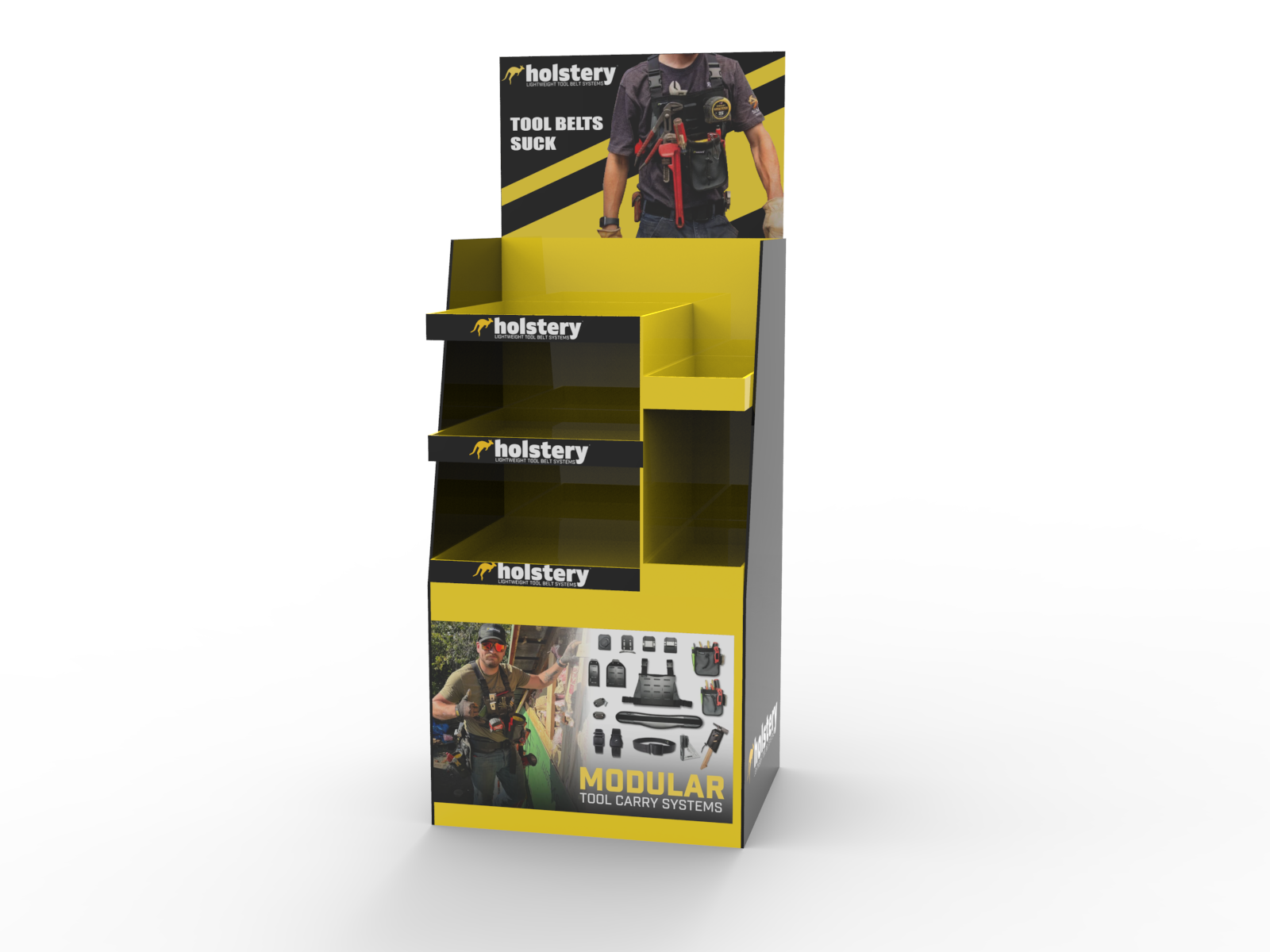
Every retail store faces the same core challenge: how to present products in a way that drives attention and encourages purchases. A cardboard display rack has become one of the most practical and effective tools available to retailers today. Whether you manage a pet store, a supermarket, or a specialty snack shop, choosing the right display solution directly affects how customers interact with your merchandise.
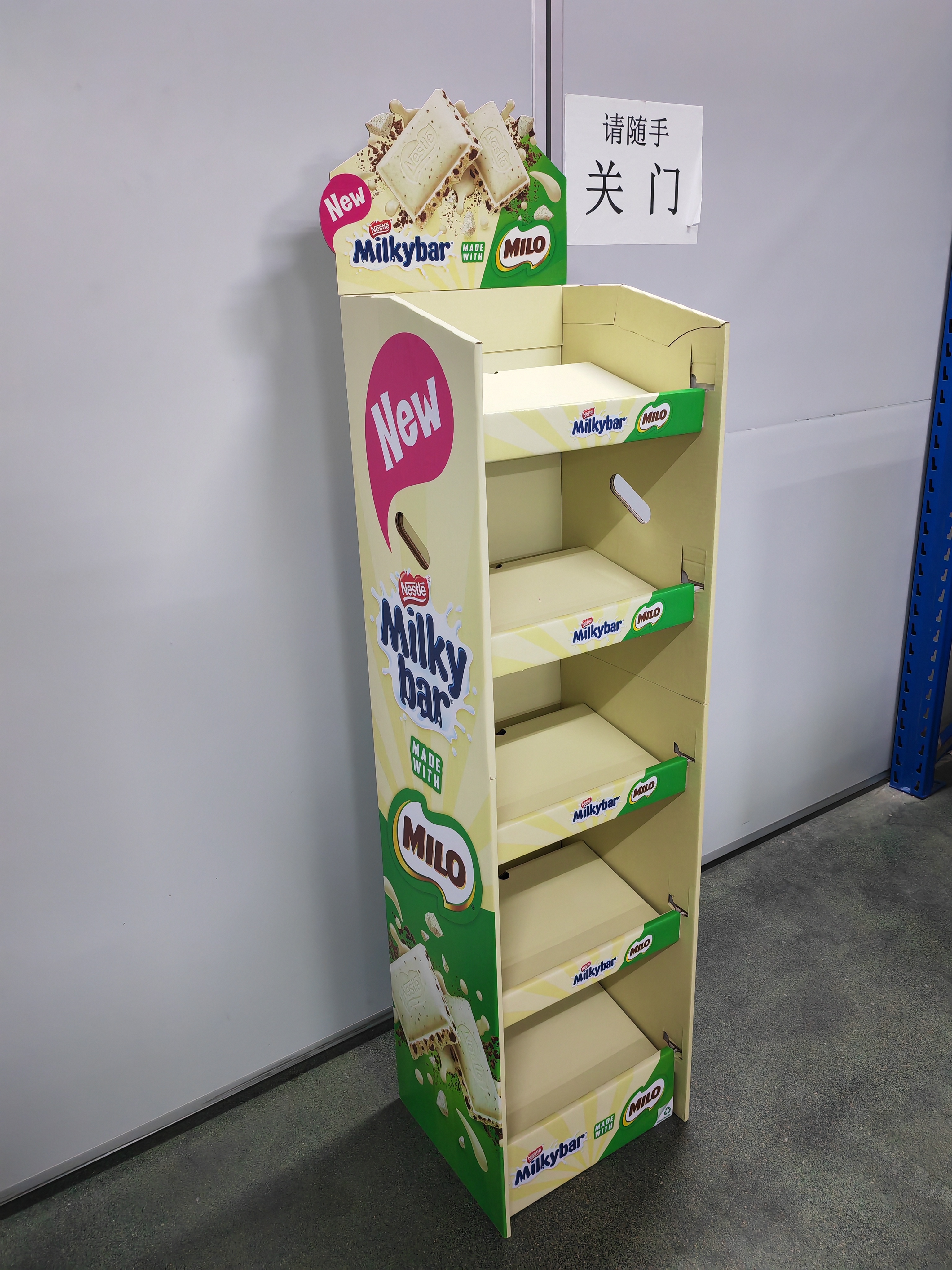
A cardboard display rack is not simply a budget compromise. It is a deliberate choice that combines cost efficiency, creative branding potential, and structural flexibility. Retailers who understand the real value of a cardboard display rack consistently use it to achieve strong in-store impact while keeping operational costs under control. This article breaks down exactly why a cardboard display rack deserves serious consideration for your store setup.
The Business Case for Cardboard Display Racks
Cost Efficiency Without Sacrificing Performance
One of the most compelling reasons to choose a cardboard display rack is its favorable cost-to-performance ratio. Compared to metal or acrylic alternatives, a cardboard display rack requires significantly less investment per unit. For retailers managing promotional campaigns, seasonal launches, or product rotations, a cardboard display rack reduces the financial risk of investing in permanent fixtures. When a promotion ends, the cardboard display rack can be retired without writing off a major capital expense.
A cardboard display rack is also lightweight, which reduces handling and logistics costs. Store staff can reposition a cardboard display rack quickly without equipment or heavy labor. For businesses that run frequent floor layout changes, a cardboard display rack provides the operational agility that rigid shelving systems simply cannot match. The low entry cost of a cardboard display rack means even smaller retailers can afford professional-looking in-store displays.
Structural Strength Built for Retail Loads
Some buyers initially question whether a cardboard display rack can handle real product weight. Modern corrugated cardboard engineering has addressed this concern decisively. A well-constructed cardboard display rack can hold pet food bags, packaged snacks, beverages, and other consumer goods without bending or collapsing. The layered corrugated structure of a cardboard display rack distributes load evenly across its panels, providing reliable support throughout a typical retail cycle.
A floor-standing cardboard display rack designed for pallet-style placement is especially capable of bearing heavy product loads. When suppliers engineer a cardboard display rack with the correct flute grade and joint reinforcement, the result is a display that performs dependably in high-traffic retail environments. Retailers should always specify the intended product weight when ordering a cardboard display rack to ensure the design is matched to the application.
Branding and Customization Advantages
Full Surface Area for Brand Messaging
A cardboard display rack offers something that metal and wire alternatives struggle to deliver: complete surface printability. Every panel of a cardboard display rack becomes a canvas for brand colors, product photography, promotional messaging, and pricing information. This makes the cardboard display rack a dual-purpose tool — it holds product and simultaneously communicates brand identity to shoppers at the point of purchase.
For pet food brands, snack manufacturers, and promotional packagers, a custom cardboard display rack creates a branded environment around the product rather than simply storing it. When a shopper approaches a cardboard display rack covered in vibrant, targeted graphics, the product already benefits from a strong visual context. This level of branded integration is difficult to achieve with standard shelving, making the cardboard display rack a preferred format for product launches and retail campaigns.
Flexible Design for Different Retail Formats
A cardboard display rack can be engineered in tabletop, floor-standing, pallet, or counter formats, giving retailers genuine flexibility to match the display to available floor space. A tabletop cardboard display rack works well near checkout counters for impulse purchases, while a pallet-style cardboard display rack suits wide-aisle grocery environments. This design adaptability means a cardboard display rack can serve nearly any retail category and store format effectively.
Custom die-cut shapes, tiered shelving configurations, and header card extensions all contribute to a cardboard display rack that stands out on a busy retail floor. Suppliers who specialize in custom cardboard display rack production can match structural formats to specific product dimensions, ensuring a snug fit that prevents product shifting and improves the overall visual presentation of the display.
Sustainability and Practical Retail Fit
An Environmentally Responsible Display Choice
Sustainability has become a genuine purchasing criterion for both retailers and consumers. A cardboard display rack is made from renewable, recyclable materials that align with modern environmental standards. When a cardboard display rack reaches the end of its lifecycle, it can be broken down and recycled through standard channels without requiring special handling. This makes a cardboard display rack a responsible choice for retailers who are working to reduce their environmental footprint.
Brands that display products on a cardboard display rack can also communicate that environmental commitment to shoppers. Pairing eco-friendly packaging with a cardboard display rack reinforces a consistent sustainability message at the point of sale. This alignment between product values and display format resonates strongly with environmentally conscious consumers across multiple retail categories.
Easy Assembly and Store-Ready Convenience
A cardboard display rack is typically designed for quick, tool-free assembly. Most formats arrive flat-packed and can be assembled by store staff in minutes. This store-ready convenience is a significant advantage during busy stocking periods or promotional rollouts where time is limited. A pre-printed, pre-cut cardboard display rack eliminates the need for separate signage installation, hardware, or specialist setup crews. The simplicity of deploying a cardboard display rack directly reduces labor time and speeds up the in-store execution of retail programs.
FAQ
How long does a cardboard display rack typically last in a retail environment?
A cardboard display rack is designed for short to medium-term use, typically lasting between four and twelve weeks depending on traffic and product load. For seasonal promotions or product launches, this lifespan aligns well with campaign durations. If a longer display period is required, a heavier-grade cardboard display rack with reinforced joints and a moisture-resistant coating can extend usable life considerably.
Can a cardboard display rack be used outdoors or in high-humidity areas?
Standard cardboard display rack formats are intended for indoor, climate-controlled retail environments. High humidity or direct moisture exposure can weaken the structural integrity of a cardboard display rack over time. However, suppliers can apply water-resistant coatings or laminates to a cardboard display rack when outdoor or high-humidity placement is necessary, improving durability without compromising the printed surface quality.
What is the minimum order quantity for a custom cardboard display rack?
Minimum order quantities for a custom cardboard display rack vary by supplier and design complexity. Most manufacturers set minimums between 50 and 200 units for a fully custom cardboard display rack with branded printing. Simpler designs or standard structural formats may have lower minimums. It is advisable to discuss your volume requirements directly with the supplier to find a cardboard display rack solution that fits both your budget and your campaign scale.