EN
EN

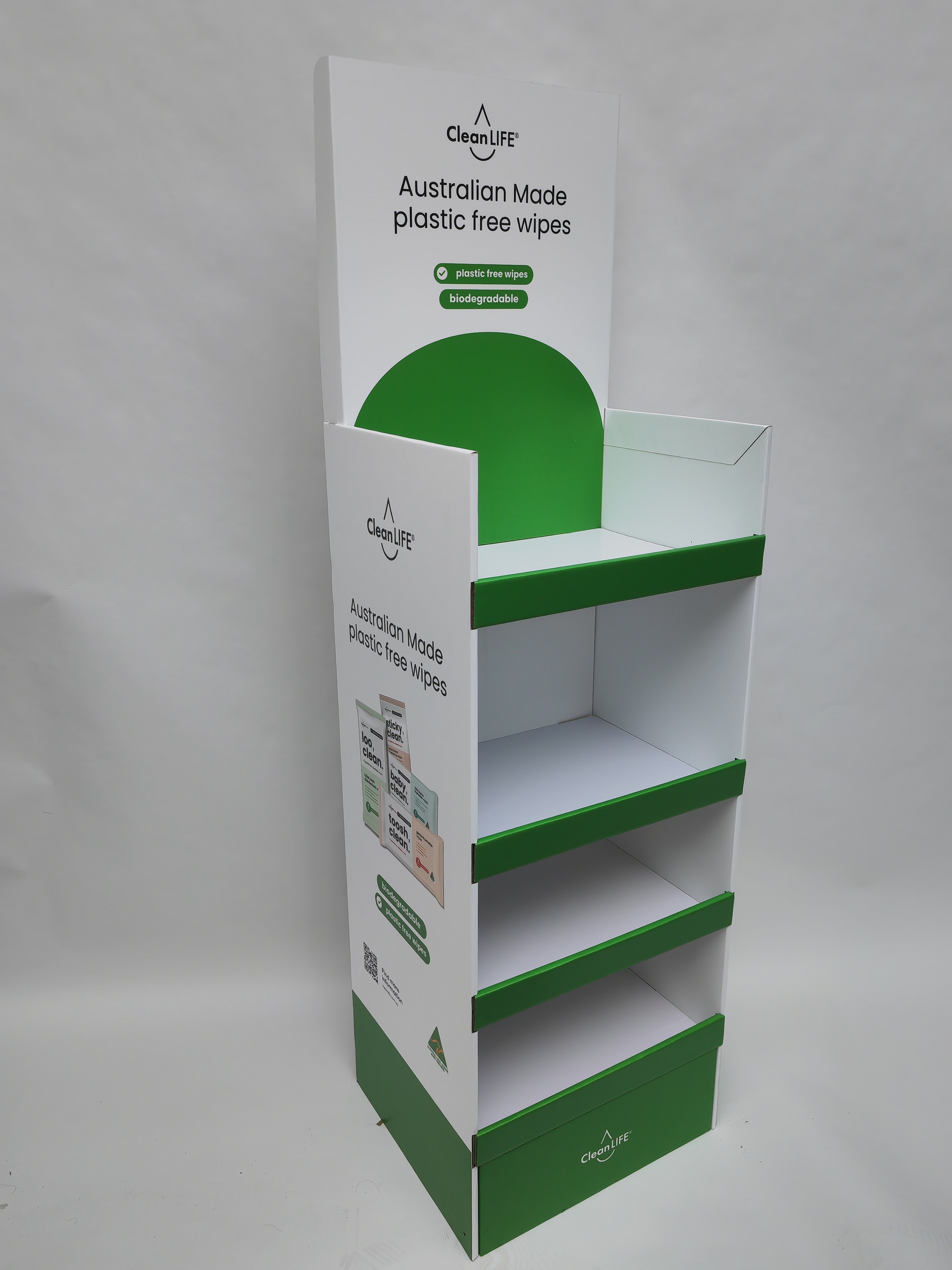
A well-chosen cardboard display rack can transform how your products perform in a retail environment. Whether you are launching a seasonal promotion, introducing a new product line, or maximizing floor space in a high-traffic store, the right cardboard display rack delivers both visual impact and practical efficiency. In 2025, the demand for customizable, cost-effective, and sustainable point-of-sale solutions has pushed the cardboard display rack to the forefront of retail merchandising strategy.
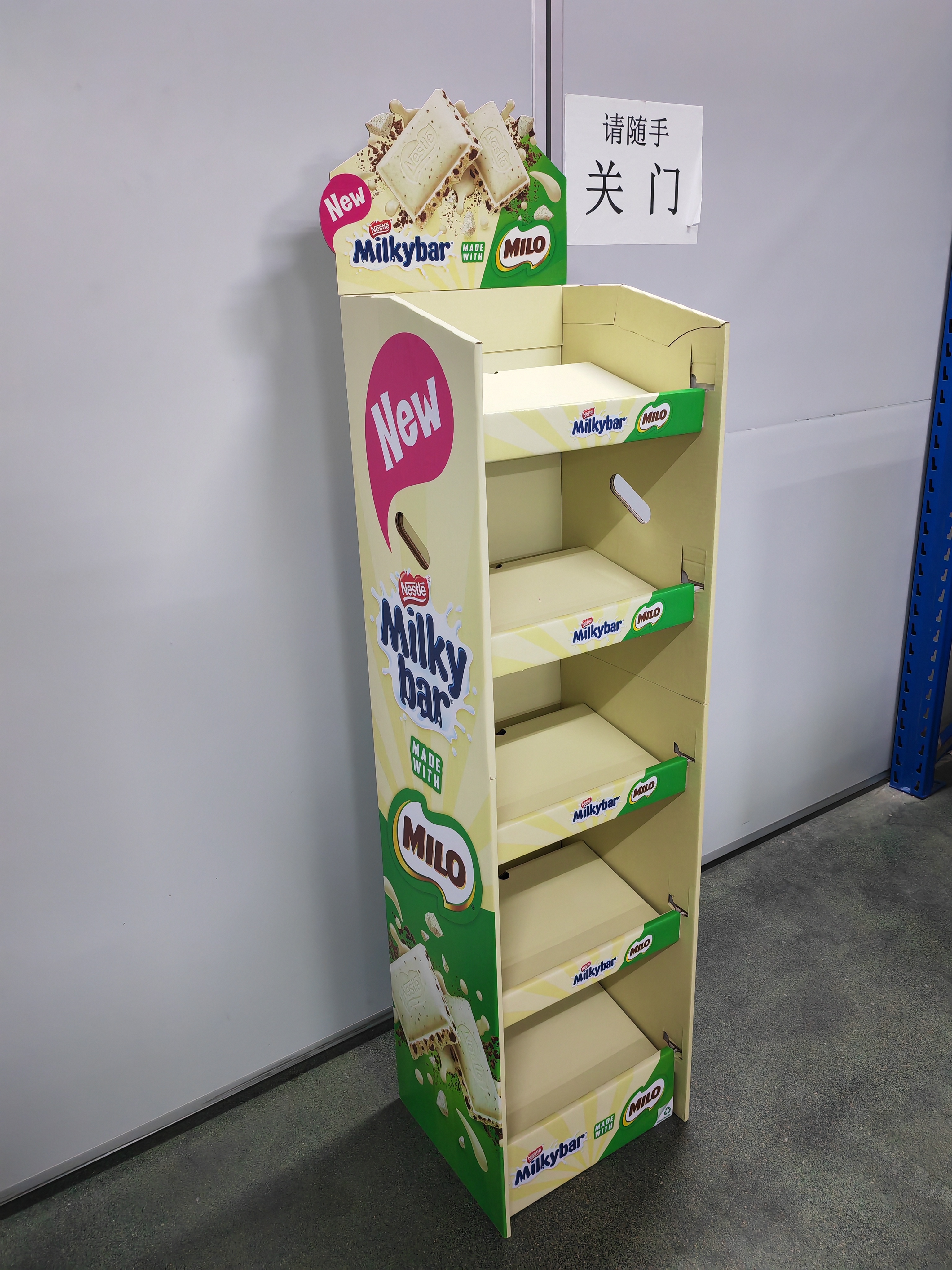
This guide is designed to help brand managers, retail buyers, and packaging professionals navigate the key decisions surrounding a cardboard display rack in 2025. From format selection to structural design and print finishing, every choice you make about your cardboard display rack will affect shopper engagement, brand perception, and ultimately, your sell-through rate. Understanding the available options and the practical principles behind each one is the smartest starting point.
Core Formats of a Cardboard Display Rack
Floor-Standing Cardboard Display Rack Options
The floor-standing cardboard display rack remains the most widely used format in retail environments. It occupies valuable floor space near checkouts, aisle ends, or store entrances, positioning your product directly in the path of shoppers. A floor-standing cardboard display rack typically features multiple shelving tiers, a branded header panel, and a sturdy corrugated base. These structural elements work together to carry product weight while reinforcing brand messaging. For categories such as pet food, snacks, and packaged goods, a floor-standing cardboard display rack offers the combination of high visibility and generous product capacity that drives impulse purchases.
When selecting a floor-standing cardboard display rack, consider the weight load per shelf, the height relative to average shopper eye level, and whether the structure needs to be assembled in-store by retail staff. A well-engineered cardboard display rack will balance all three of these factors without requiring complex tools or excessive setup time. Lightweight assembly is a consistent priority for major retail chains in 2025.
Tabletop and Countertop Cardboard Display Rack Formats
A tabletop cardboard display rack is ideal for smaller SKUs, high-margin impulse items, and promotional products placed near the point of sale. This compact version of the cardboard display rack makes efficient use of counter space at pharmacy counters, checkout lanes, and specialty food shops. A cardboard display rack designed for countertop placement typically holds fewer units but generates a disproportionately high interaction rate because of its proximity to the transaction moment. Many brands invest in a tabletop cardboard display rack specifically for new product trials and limited-time offers where concentrated shopper attention is essential.
Design Principles That Make a Cardboard Display Rack Perform
Structural Integrity and Load Engineering
The structural quality of a cardboard display rack determines its lifespan and reliability on the retail floor. A poorly engineered cardboard display rack that sags, leans, or collapses not only damages product but also harms brand credibility. Corrugated board grade selection is the foundation of good structural design for any cardboard display rack. Double-wall and triple-wall corrugated materials are commonly specified for pallet-level cardboard display rack builds that need to support heavier packaged goods such as canned pet food, bottled beverages, or bulk snack packaging. Thinner single-wall corrugated is appropriate for a lightweight tabletop cardboard display rack carrying smaller, lighter products.
Experienced display manufacturers conduct load tests and drop tests on every new cardboard display rack format before approving it for production. If you are working with a supplier on a custom cardboard display rack, always request test results and sample units before committing to a full production run. A structurally proven cardboard display rack will save significant costs associated with in-store replacements and retailer complaints.
Print, Branding, and Visual Hierarchy on a Cardboard Display Rack
The visual design of your cardboard display rack communicates your brand before a shopper reads a single word of copy. Color contrast, logo placement, product photography, and promotional messaging must all be considered as a unified visual system on the cardboard display rack surface. In 2025, brands are increasingly applying bold full-bleed graphics across the entire cardboard display rack structure, treating the header, side panels, and shelf fronts as one cohesive canvas. This approach makes the cardboard display rack function as a micro-brand environment rather than just a storage solution. High-resolution flexographic or digital printing on the cardboard display rack outer surface produces vibrant finishes that remain consistent across large production runs.
Typography hierarchy on a cardboard display rack should prioritize the promotional message at the top, product category in the middle, and call-to-action near the base. Retailers respond well to cardboard display rack designs that are visually clean and easy for shoppers to read quickly, particularly in busy store environments. Avoid cluttering the cardboard display rack surface with too many messages competing for attention.
Practical Tips for Deploying a Cardboard Display Rack in 2025
Retail Compliance and Placement Approval
One of the most overlooked aspects of a successful cardboard display rack program is retailer compliance. Major grocery chains, mass merchandisers, and specialty retailers each have their own specifications for the cardboard display rack formats they will accept on their floors. These specifications typically cover maximum height, footprint dimensions, weight limits, and assembly method. Submitting a cardboard display rack design that does not meet a retailer's planogram or space requirements will result in rejection at the distribution center, wasting both time and budget. Always confirm retailer specs before finalizing your cardboard display rack design, and build those constraints directly into the structural brief.
Sustainability and Recyclability of the Cardboard Display Rack
Sustainability has become a genuine buying criterion in 2025, not just a marketing footnote. Retailers and brand owners alike are prioritizing the cardboard display rack as a recyclable, low-waste alternative to permanent metal or plastic fixtures. A cardboard display rack made from recycled corrugated content and printed with water-based inks can meet stringent environmental standards without compromising visual quality or structural performance. Clearly communicating the recyclability of your cardboard display rack on the structure itself reassures retailers about end-of-life disposal and reinforces your brand's environmental commitments to shoppers who care about sustainable packaging and retail fixtures.
FAQ
What products are best suited for a cardboard display rack?
A cardboard display rack works exceptionally well for packaged food, pet food, snacks, health and beauty products, and small consumer electronics accessories. Any product that benefits from impulse purchase visibility and promotional branding is a strong candidate for a cardboard display rack placement. The format is especially effective for seasonal items and new product launches where short-term display investment is justified by rapid sell-through.
How long does a cardboard display rack typically last in a retail store?
The lifespan of a cardboard display rack in a retail environment depends on the corrugated grade used, the product weight it carries, and the level of shopper interaction it receives. A well-engineered cardboard display rack designed for a four-to-eight-week promotional period will hold up reliably under normal retail conditions. For longer campaigns, a heavier-grade cardboard display rack or a semi-permanent hybrid structure may be more appropriate.
Can a cardboard display rack be custom-printed to match brand guidelines?
Yes. Custom printing on a cardboard display rack is standard practice and one of the primary reasons brands prefer this format over generic wire or plastic alternatives. A custom cardboard display rack can be printed with full-color brand graphics, promotional copy, QR codes, and retail-compliant pricing areas. Most manufacturers offer digital proofing and physical samples before mass production to ensure your cardboard display rack meets both brand and retailer standards.