EN
EN

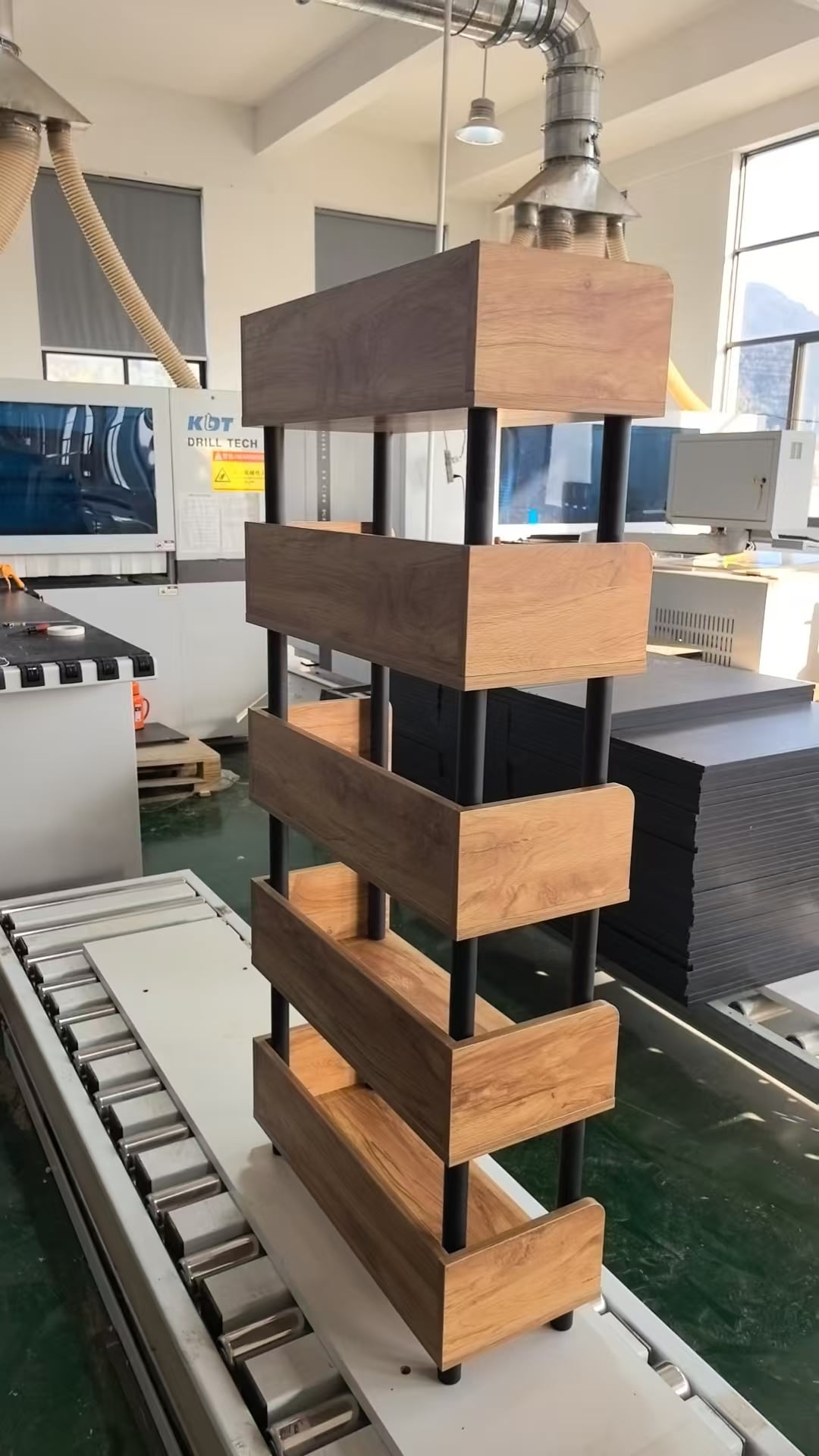
When outfitting a retail space, one of the most debated decisions is whether to invest in a display rack or traditional shelving. Both solutions organize and present products, but they serve distinctly different purposes, suit different store layouts, and deliver different sales results. Understanding these differences helps retailers, brand managers, and store designers make smarter, more cost-effective choices.
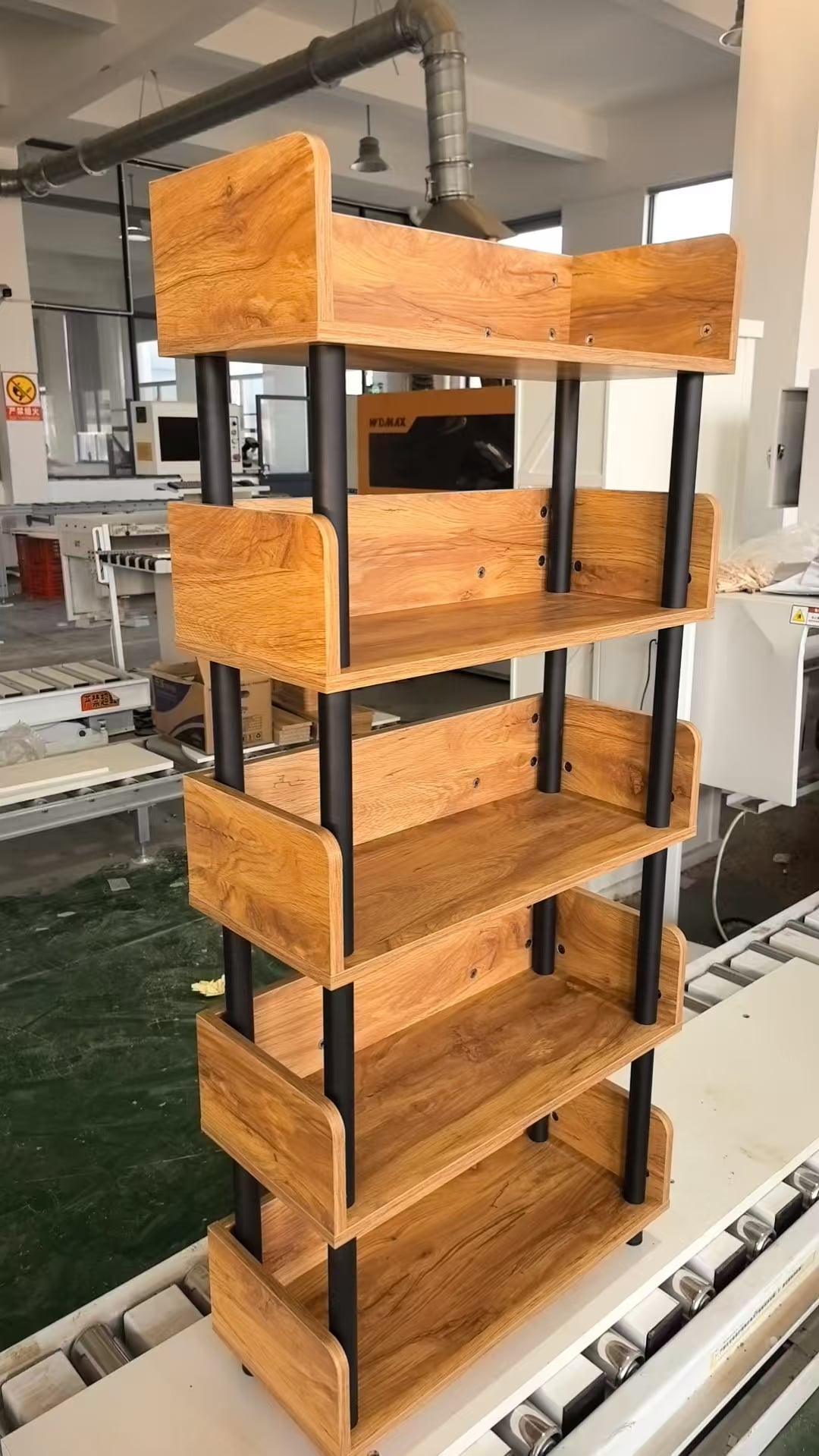
A display rack is a freestanding, often portable fixture designed to highlight specific products and attract shopper attention from multiple angles. Shelving, by contrast, is typically fixed to a wall or gondola frame, offering stable, high-capacity storage with a more uniform appearance. The choice between a display rack and shelving depends on your store type, product category, traffic flow, and merchandising goals. This article breaks down the key differences so you can determine which solution fits your retail environment better.
What a Display Rack Does That Shelving Cannot
Flexibility and Placement Freedom
One of the strongest advantages of a display rack is its mobility. A freestanding display rack can be repositioned on the sales floor at any time, allowing retailers to respond quickly to seasonal promotions, new product launches, or changing customer flow patterns. Unlike fixed shelving, a display rack does not require installation hardware, wall anchors, or structural modifications. This makes the display rack an especially practical choice for smaller shops, pop-up stores, trade show booths, and point-of-sale areas near checkouts.
A well-positioned display rack creates a natural visual interruption in the shopping path, drawing customers toward featured products. Retailers who rotate display rack placements weekly often report higher impulse purchase rates compared to stores that rely solely on wall shelving. The display rack essentially functions as a mobile marketing tool as much as a product holder.
Visual Merchandising and Brand Impact
A display rack is purpose-built for visual impact. Many display rack designs feature hooks, pegs, tiered platforms, or open frames that allow products to face outward at eye level, maximizing visibility. This 360-degree accessibility makes a display rack ideal for small consumer goods, accessories, packaged food, cosmetics, and tools. Shelving, while practical for volume storage, tends to present products from a single front-facing direction and relies more heavily on signage and packaging design to attract attention. The display rack, by its very structure, does more of the merchandising work automatically.
Where Shelving Holds the Advantage Over a Display Rack
High-Volume Storage and Category Organization
Shelving clearly outperforms a display rack when the priority is storing large quantities of products in a structured, organized format. A grocery store, hardware retailer, or warehouse club depends on shelving to maintain product availability across hundreds of SKUs. In these environments, a display rack would be insufficient for volume and impractical for restocking workflows. Shelving provides a predictable, scalable system that staff can replenish efficiently and customers can navigate systematically. While a display rack excels at spotlight promotion, shelving builds the operational backbone of a large retail floor.
Long-Term Stability and Load Capacity
Fixed shelving systems are engineered to support heavy loads over long periods. Industrial shelving, in particular, handles bulky goods, boxed items, and dense product assortments that would be unsafe or impractical to hang on a display rack. If your store carries heavy power tools, appliances, or bulk pantry items, shelving is the structurally appropriate choice. A display rack is generally rated for lighter to medium loads and is not designed to replace the structural capacity of a properly anchored shelving bay. Choosing a display rack for applications that demand heavy-duty storage would be a functional mismatch.
Choosing the Right Option for Your Retail Goals
When a Display Rack Is the Better Investment
A display rack is the better choice when your primary objective is to drive product visibility, support promotions, or highlight a curated selection. If you are launching a new product, running a seasonal campaign, or trying to increase sell-through on slow-moving items, placing them on a well-designed display rack near high-traffic zones produces faster results than repositioning items on a static shelf. A display rack also works exceptionally well when floor space is limited, because it uses vertical height efficiently and invites shoppers to browse from multiple sides. Retail environments like pharmacies, specialty gift shops, fashion boutiques, and convenience stores benefit greatly from incorporating a display rack into their merchandising strategy.
For businesses that participate in trade shows or exhibitions, a portable display rack offers a lightweight, transportable alternative to bulky booth furniture. Setting up a display rack at a trade event gives brands a professional product presentation without the logistical complexity of heavy fixtures. The display rack becomes both a storage solution and a brand statement in compact exhibition spaces.
When Shelving Better Serves Your Needs
Shelving is the superior choice when you need to stock a wide range of products consistently, maintain easy category navigation for shoppers, or comply with planogram-driven retail agreements. Large-format retailers and supermarkets operate within precise shelf allocation systems that a display rack simply cannot replicate at scale. If brand partners require specific shelf facings and product adjacencies, fixed shelving supports those compliance requirements reliably. In back-of-house or stockroom environments, shelving is also the standard choice due to its load capacity and efficient use of vertical wall space.
The smartest retail strategies, however, do not treat the display rack and shelving as mutually exclusive. Many successful stores use both: shelving for the core product range and a display rack strategically placed at entrances, aisle ends, or near checkout counters to capture impulse purchases and spotlight promotions. The display rack and the shelf each play a distinct role in a well-designed retail environment, and combining both maximizes both operational efficiency and sales performance.
FAQ
Is a display rack suitable for heavy products?
A display rack is generally best suited for light to medium-weight products such as accessories, packaged goods, and small consumer items. For heavy or bulky products, fixed shelving with higher load ratings is the more appropriate and safer choice. Always check the weight capacity specifications of any display rack before loading it.
Can a display rack replace all shelving in a retail store?
A display rack is not a full replacement for shelving in most retail environments. While a display rack excels at promoting featured products and supporting flexible merchandising, shelving is necessary for high-volume storage, category organization, and planogram compliance. Most effective retail layouts use both a display rack and shelving in complementary roles.
What types of stores benefit most from a display rack?
Specialty retailers, boutiques, pharmacies, convenience stores, trade show exhibitors, and point-of-sale environments benefit most from a display rack. Any setting where product visibility, easy browsing, and promotional flexibility are priorities is well-suited to a display rack. The display rack is especially effective when placed in high-footfall zones to maximize product exposure.