EN
EN

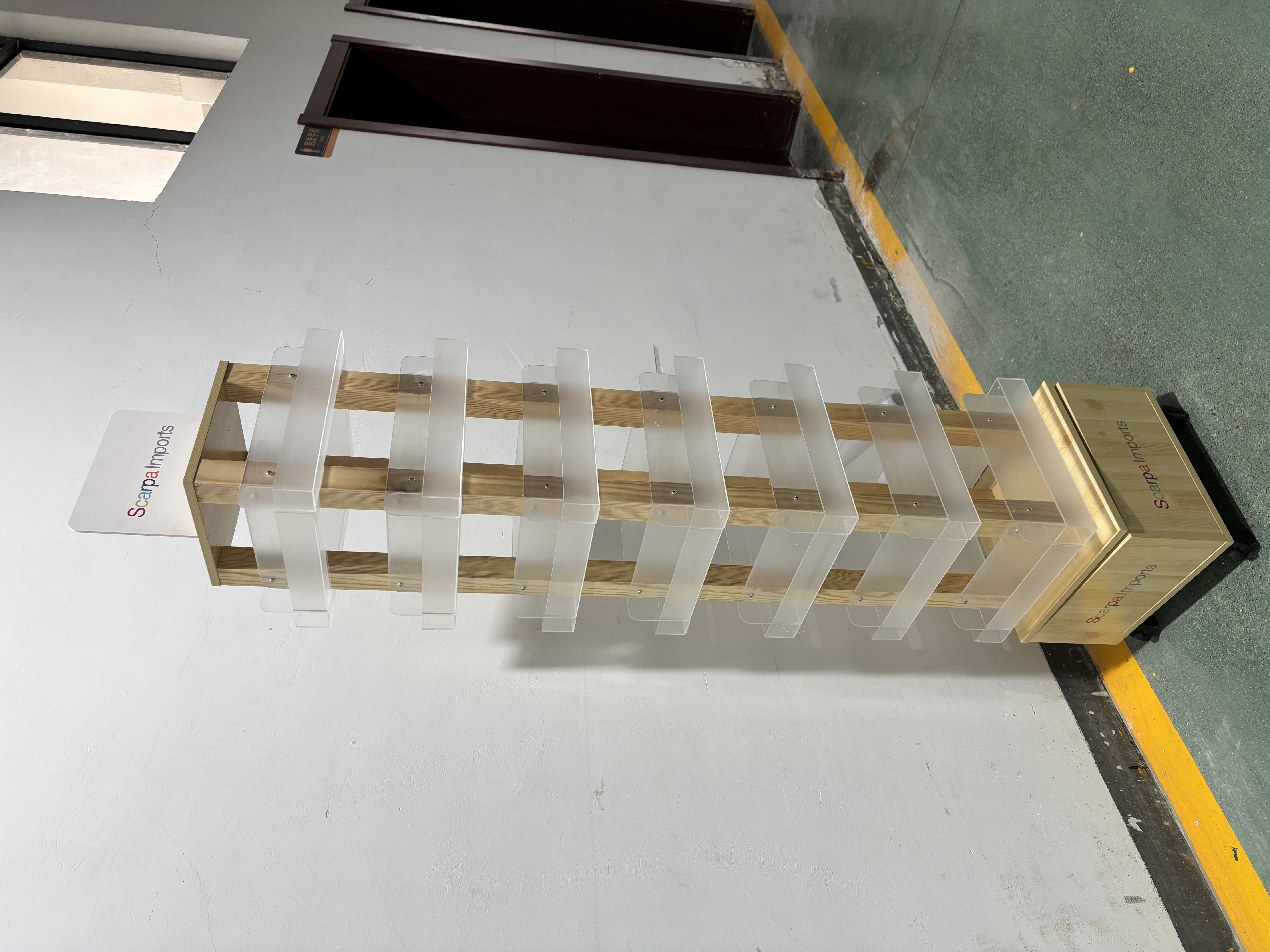
For small businesses, every square foot of retail or showroom space carries weight. How you present your products directly influences how customers perceive your brand, navigate your store, and ultimately decide to buy. A well-chosen display rack is far more than a storage solution — it is a silent salesperson that guides attention, organizes inventory, and communicates brand identity without a single word. Whether you operate a boutique clothing shop, a specialty food store, a craft market booth, or a compact hardware outlet, the right display rack can transform an ordinary shelf arrangement into a compelling shopping experience.
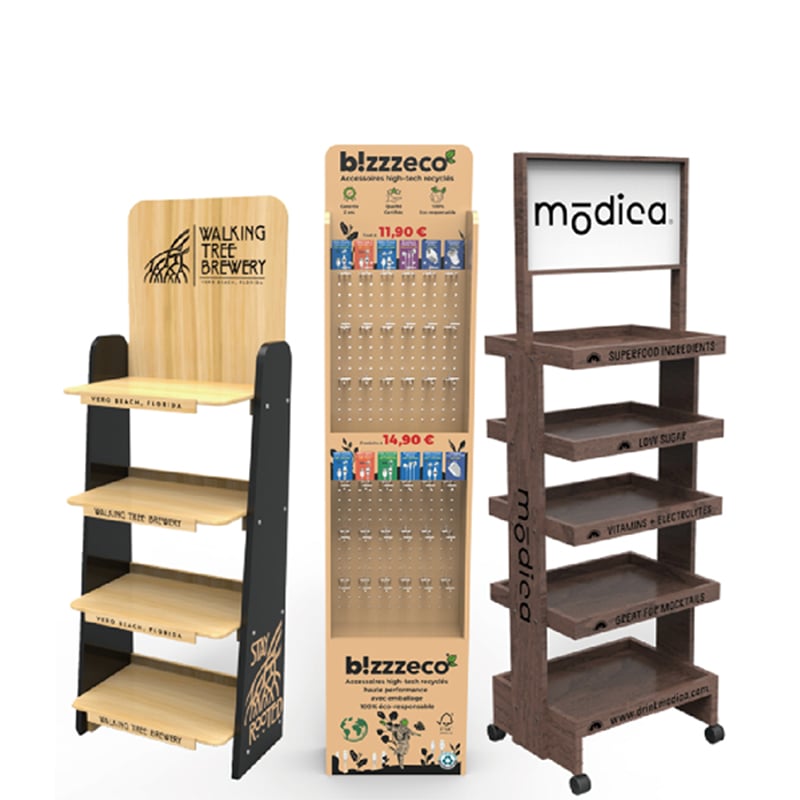
Small businesses often operate under tighter budgets and spatial constraints than large retailers, which makes the selection of a display rack even more critical. The wrong choice leads to cluttered aisles, poor product visibility, and missed sales opportunities. The right choice, however, can make a compact space feel curated, professional, and easy to shop. This article explores ten practical and creative display rack ideas tailored specifically for small business environments, helping you identify the solutions that best match your store layout, product type, and brand personality.
Understanding the Role of a Display Rack in a Small Business Context
More Than a Storage Tool
Many small business owners make the mistake of treating a display rack purely as a functional storage unit. In reality, the structure, material, height, and configuration of a display rack all send messages to the customer. A rustic wooden rack signals craftsmanship and authenticity. A sleek metal wire rack communicates industrial minimalism. An acrylic display rack positioned near a checkout counter suggests premium, impulse-worthy products. Understanding this dual role — functional and communicative — helps you make smarter purchasing decisions.
In a small business setting, where advertising budgets may be limited, your in-store presentation often does the heavy lifting of brand storytelling. A thoughtfully selected display rack reinforces that story at the point of purchase, keeping the customer visually engaged and edging them closer to a buying decision. This is especially true for independent retailers who rely on repeat customers and word-of-mouth, where every visit must feel intentional and well-designed.
Matching Rack Type to Business Model
Different small businesses have vastly different merchandising needs, and the ideal display rack for one operation may be completely wrong for another. A florist needs tiered, open structures that showcase color and height. A bookshop benefits from angled face-out racks that display covers prominently. A cosmetics seller needs adjustable shelving with clear visibility and easy access. Mapping your specific product category and customer behavior to the right display rack type is the first practical step in building a strong in-store presentation.
Consider also the customer journey through your space. Where do shoppers enter? Where do they tend to linger? Where do they exit? Placing the right display rack at these behavioral hotspots maximizes exposure and increases the likelihood of impulse purchases. A well-positioned floor-standing display rack near the entrance, for example, can immediately anchor your brand tone and draw customers deeper into the store.
Practical Display Rack Ideas by Application and Space Type
Floor-Standing Wooden Display Racks for Brand Presence
One of the most versatile and visually impactful options for small businesses is a floor-standing wooden display rack. Natural wood finishes create warmth and authenticity, which resonates strongly with modern consumers who value craftsmanship and organic aesthetics. These racks work exceptionally well for specialty food products, artisanal goods, skincare items, and small homewares. The material quality alone elevates the perceived value of the products displayed on them.
A display rack crafted from pine wood, for instance, offers a durable yet lightweight structure that can be customized with branded finishes, logo engravings, or painted color accents. This level of brand integration is particularly valuable for small businesses that are working to establish a distinctive visual identity without the budget for large-scale interior renovations. A single customized wooden floor rack placed strategically in your retail space can anchor an entire brand story.
These racks are also highly adaptable. Many floor-standing wooden display rack configurations include adjustable shelf heights, hooks, and compartmentalized sections that allow you to reorganize product placement seasonally or in response to stock changes. This flexibility is essential for small businesses that carry evolving inventories and cannot afford static fixtures that quickly become obsolete.
Rotating Display Racks for Maximum Product Exposure
When floor space is limited, a rotating display rack offers an intelligent solution. By spinning 360 degrees, these racks present far more product facings per square foot than a fixed shelving unit. They are a popular choice among small retailers selling postcards, greeting cards, small accessories, keychains, phone cases, or packaged consumables. The rotation mechanism invites customers to interact with the rack, which naturally extends dwell time and increases product engagement.
A rotating display rack placed near a checkout counter is particularly effective as a last-minute purchase prompt. Small, low-priced items that benefit from visibility but do not need dedicated shelf space are ideal candidates for this type of rack. The key is ensuring the items are well-organized and that the rack does not become overcrowded, as a messy rotating display rack can feel chaotic and deter customers rather than attract them.
Wall-Mounted Display Racks to Preserve Floor Space
For businesses with tight floor dimensions, wall-mounted display rack solutions can be transformative. By moving product presentation vertically, you free up walking space and create a gallery-like atmosphere that feels open and organized. Wall-mounted racks are widely used in apparel shops, stationery stores, and boutique wellness retailers. They can be configured with shelves, hooks, or pegboard systems depending on the product type and weight requirements.
The advantage of a wall-mounted display rack lies not only in space efficiency but also in visual hierarchy. Products displayed at eye level tend to attract the most attention, and a wall arrangement allows you to deliberately place your highest-margin or most visually appealing items in prime positions. Small businesses that master vertical merchandising often find they can carry a broader product range in the same footprint, improving revenue per square foot significantly.
Creative Display Rack Concepts That Reinforce Brand Identity
Customized Display Racks as Brand Marketing Tools
Small businesses that invest in customized display rack solutions rather than generic off-the-shelf options tend to create more cohesive and memorable in-store experiences. Customization can range from selecting specific wood finishes, metal colors, and material combinations to incorporating brand logos, slogans, and color palettes directly into the rack structure. When executed well, a branded display rack communicates professionalism and attention to detail — qualities that customers associate with product trustworthiness.
Consider how independent coffee brands use a custom display rack to showcase their packaged products in cafes or specialty grocery stores. The rack itself reflects the brand's identity — perhaps through natural materials and earthy tones — making the product appear even more aligned with its marketing positioning. For small businesses operating in crowded markets, this kind of differentiated presentation can be a genuine competitive advantage that generic shelving simply cannot provide.
Tiered and Stepped Display Racks for Visual Merchandising
Tiered or stepped display rack configurations create natural visual layers that guide the eye from top to bottom and allow multiple products to be seen at a glance without visual competition. These are particularly effective for beauty products, candles, small-batch packaged goods, and decorative items where variety is a selling point. A well-merchandised tiered display rack creates a sense of abundance and choice while maintaining organization.
The stepped structure also helps small businesses create seasonal or thematic displays with minimal effort. By changing the products placed on each tier, the entire rack can be refreshed for holidays, product launches, or promotional events. This adaptability is a significant advantage for small businesses that need their store environment to feel dynamic and current without investing in entirely new fixtures every season.
Compact Countertop Display Racks for High-Margin Items
Not all effective display rack solutions need to occupy floor or wall space. A compact countertop display rack positioned near the register is one of the most reliably productive merchandising investments a small business can make. These racks are designed for impulse-purchase items — small accessories, travel-sized products, gift cards, or limited-edition items — that customers may not have planned to buy but are happy to add to their purchase when prompted at the right moment.
The success of a countertop display rack depends heavily on product selection and presentation quality. Items should be visually appealing, clearly priced, and arranged neatly. Avoid overcrowding this type of display rack, as clutter near the checkout area can create a negative impression exactly when you want the customer to feel good about their transaction. Rotate the products regularly to keep the display feeling fresh and relevant to returning customers.
Matching Display Rack Materials to Your Store Environment
Wood, Metal, Wire, and Acrylic: Choosing the Right Material
The material of your display rack is not just an aesthetic decision — it has practical implications for durability, product suitability, and maintenance. Wood brings warmth and heritage, making it ideal for artisan, organic, and lifestyle brands. Metal and wire racks are durable, easy to clean, and highly adaptable, fitting well in hardware stores, sports equipment shops, and contemporary fashion boutiques. Acrylic racks offer transparency and elegance, making products feel premium and allowing them to stand out without visual competition from the rack itself.
For small businesses, the long-term cost of ownership matters as much as the upfront price. A well-constructed wooden or metal display rack may cost more initially but will last for years and require minimal maintenance, whereas budget alternatives may need frequent replacement. Investing in quality materials also signals to customers that your business takes presentation seriously, which reinforces trust and brand credibility over time.
Sustainability Considerations in Display Rack Selection
An increasing number of small business customers are paying attention to the environmental choices made by the brands they support. Selecting a display rack made from sustainably sourced wood, recycled metal, or eco-friendly finishes is a meaningful statement that resonates with environmentally conscious shoppers. For businesses in the natural foods, wellness, or lifestyle sectors, a sustainably crafted display rack is not just a moral choice — it is a marketing one.
Sustainability in a display rack also extends to longevity. A rack designed to last many years and adapt to changing product ranges is inherently more sustainable than disposable pop-up fixtures. When evaluating options, ask suppliers about material sourcing, finish treatments, and whether the rack can be disassembled or reconfigured as your business evolves. These considerations help small businesses make smarter long-term investments in their retail infrastructure.
Implementing Display Rack Ideas Without Disrupting Store Operations
Planning the Installation and Layout
Introducing a new display rack into your store is most effective when it is part of a deliberate layout plan rather than an afterthought. Before purchasing, map your store floor plan and identify the zones that receive the highest foot traffic, the areas near your entry point, and the spaces adjacent to your checkout. Each of these zones has different merchandising priorities, and the type of display rack you choose for each should reflect those priorities accordingly.
Consider also the practical aspects of installation — weight load requirements for wall-mounted racks, floor clearance for rotating racks, and accessibility standards for customers with mobility needs. A display rack that looks great in a product catalog but creates a physical obstruction in your store will hurt the customer experience rather than enhance it. Planning carefully before installation saves time, money, and operational disruption.
Measuring Impact and Adjusting Over Time
Once a new display rack is in place, track its impact on product sales in the area it occupies. Many small business owners are surprised to find that simply relocating a product to a better-positioned display rack increases its sales velocity by a significant margin. This feedback loop — observing, adjusting, and optimizing — is the heart of effective visual merchandising and turns your rack investment into a continuous revenue tool rather than a one-time fixture purchase.
Do not hesitate to experiment with display rack placement, product arrangement, and styling over time. Retail environments benefit from regular refreshes, and even small adjustments to how products are grouped or faced on a display rack can re-engage regular customers who have become accustomed to the existing layout. Treat your rack as a living element of your store design, not a permanent and unchangeable fixture.
FAQ
What type of display rack works best for a very small retail space?
For very small retail spaces, wall-mounted and countertop display rack options are generally the most effective because they preserve floor space while maintaining strong product visibility. Rotating display racks also offer excellent product density per square foot and can be positioned in tight corners or near entry points to maximize exposure without consuming valuable aisle space.
How do I choose between a wooden and metal display rack for my store?
The choice between wood and metal for a display rack largely depends on your brand identity and the products you sell. Wood creates warmth and is well-suited for artisan, organic, and lifestyle products. Metal is more durable, easier to clean, and fits contemporary or industrial aesthetics. Consider which material best reflects your brand personality and the environment your target customers expect when they walk into your store.
Can a display rack be customized to reflect my brand?
Yes, many display rack manufacturers and suppliers offer customization options including branded finishes, logo integration, color matching, and modular configurations. Customized display rack solutions are particularly valuable for small businesses looking to create a distinct visual identity without major store renovations. Even basic customizations like branded signage holders or a specific wood stain can significantly elevate the brand feel of your retail environment.
How often should I change the products on my display rack?
It is generally advisable to refresh your display rack arrangements at least seasonally, and more frequently near key shopping events such as holidays, product launches, or promotional periods. Regular refreshing prevents visual fatigue for returning customers and ensures your display rack always reflects your current inventory priorities and promotional strategy. Even minor changes to product facing or grouping can give a familiar rack a noticeably fresh appearance.
Table of Contents
- Understanding the Role of a Display Rack in a Small Business Context
- Practical Display Rack Ideas by Application and Space Type
- Creative Display Rack Concepts That Reinforce Brand Identity
- Matching Display Rack Materials to Your Store Environment
- Implementing Display Rack Ideas Without Disrupting Store Operations
- FAQ