EN
EN

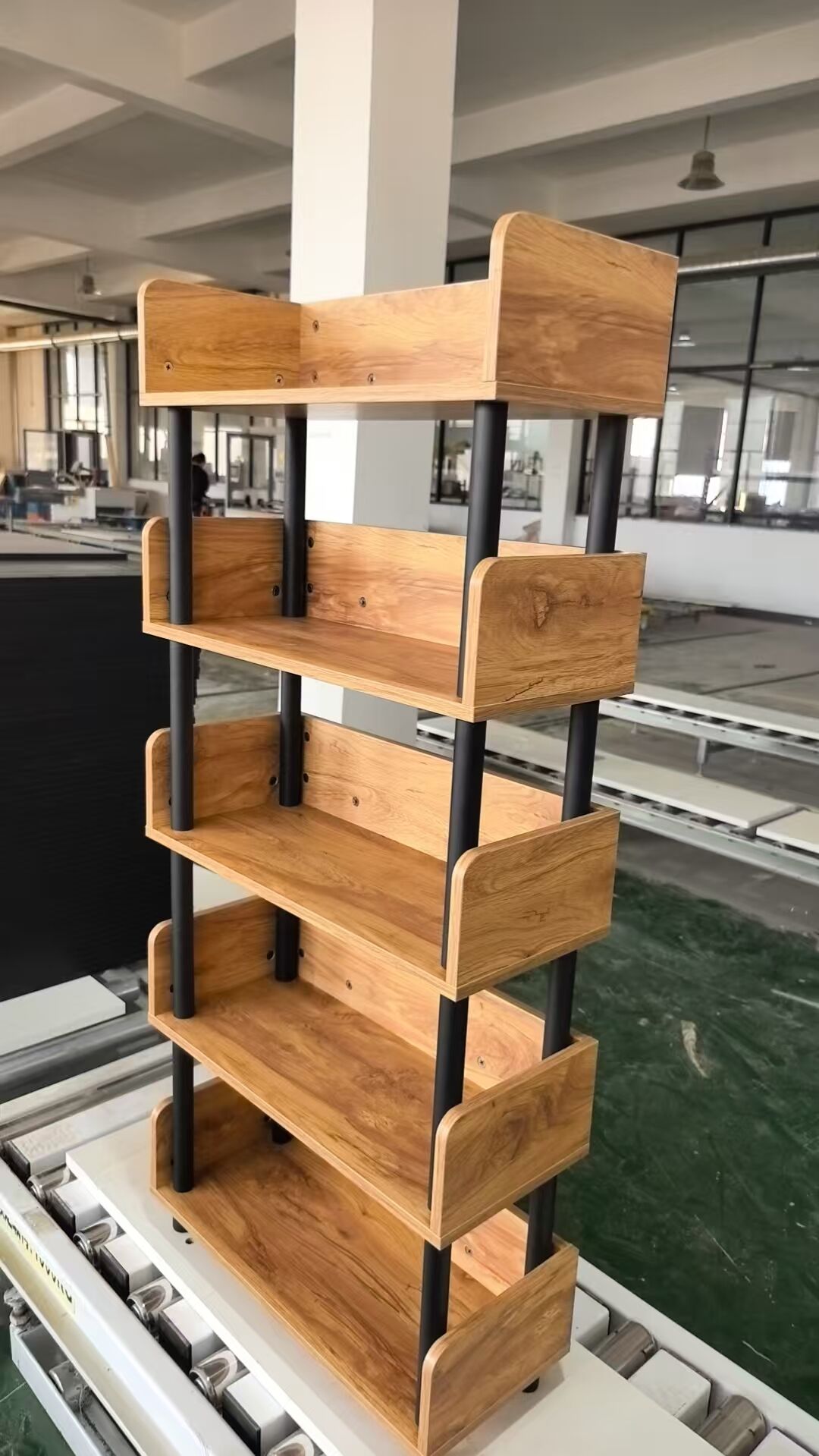
Selecting the right display rack for your retail environment is no longer a simple afterthought — in 2025, it has become a strategic decision that directly influences customer behavior, product visibility, and ultimately, your bottom line. With an increasingly competitive retail landscape and evolving consumer expectations, the way you present your merchandise can be just as important as the merchandise itself. Whether you operate a supermarket, a boutique, a trade show booth, or a point-of-sale environment, understanding the nuances of choosing the ideal display rack will give you a measurable edge over competitors who treat fixtures as mere accessories.
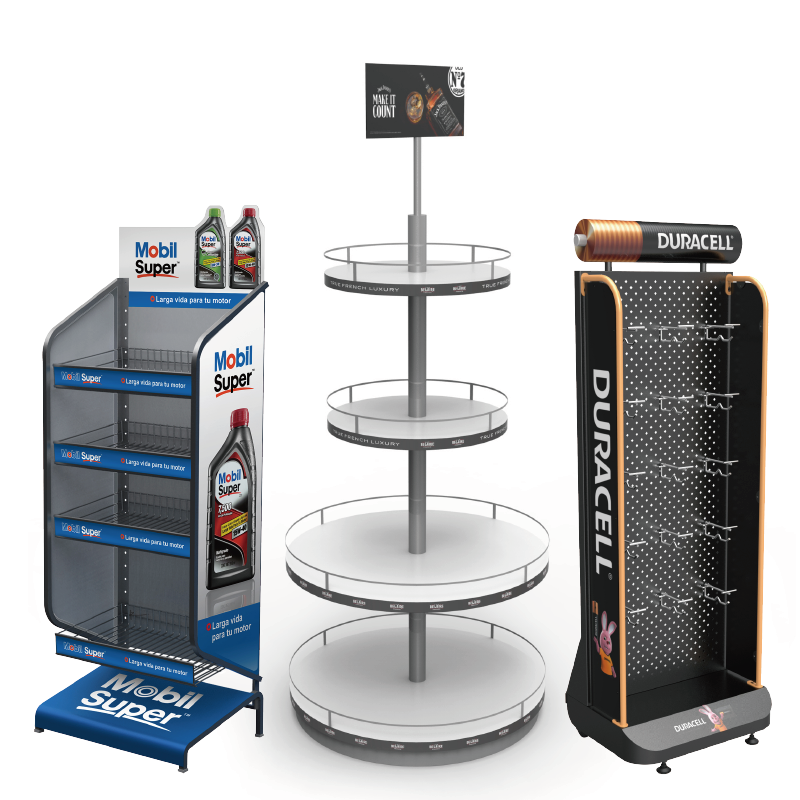
The market for retail fixtures has expanded significantly, with manufacturers now offering a vast array of configurations, materials, and customization options that can suit virtually any retail context. From pegboard floor stands to modular metal shelving systems, the choices are both exciting and potentially overwhelming. This guide is designed to walk you through the critical decision factors — from space planning and load capacity to material selection and brand alignment — so you can confidently choose a display rack that works hard for your store in 2025 and beyond.
Understanding Your Retail Environment Before Selecting a Display Rack
Store Layout and Traffic Flow Considerations
Before comparing products or pricing, the first step in choosing an effective display rack is conducting a thorough assessment of your store layout. The way customers move through your space — what retail experts call traffic flow — should dictate where fixtures are placed and what form they should take. A floor-standing display rack positioned at the end of an aisle captures high-traffic visibility, while a compact countertop unit near the checkout area serves an entirely different purpose.
Consider how many square feet you are working with and whether your space benefits more from tall, vertical fixtures or low-profile horizontal ones. Vertical display rack designs maximize product density in smaller footprints, whereas wider configurations allow for broader category grouping and a more browsable shopping experience. Mapping your floor plan before purchasing will prevent costly mistakes and ensure your fixtures support the natural flow of your store rather than disrupting it.
It is also worth thinking about sight lines. Customers should be able to see over or across a display rack to get a clear view of the overall store, which encourages exploration. Fixtures that block visibility can create dead zones where foot traffic drops and products go unnoticed. Maintaining clear sight lines is a foundational principle of effective retail merchandising in 2025.
Matching the Display Rack to Your Product Category
Not every display rack is suitable for every product category, and this alignment is crucial to both aesthetics and functionality. Heavy items such as tools, hardware, or dense packaged goods require a structurally robust metal display rack with reinforced shelving and a stable base. Lighter merchandise like cosmetics, accessories, or promotional items can be showcased on more lightweight or modular designs without compromising safety or presentation quality.
The product size and packaging format also influence rack selection. Hook-style or pegboard configurations are ideal for blister-packaged goods because products remain highly visible and easy to grab. Shelf-based display rack formats work better for boxed items, bottled goods, or products that need to stand upright to be merchandised properly. Matching the fixture architecture to your product type reduces restocking complexity and improves the overall shopping experience.
Think beyond just physical fit and consider how the display rack complements your product's brand identity. A premium skincare line placed on a rugged, industrial-style rack may send mixed signals to customers. Conversely, a sleek powder-coated metal rack with clean lines can elevate even moderately priced items by creating an impression of quality and curation.
Material and Construction Standards for Long-Term Performance
Metal Display Racks and Their Advantages in Commercial Settings
Metal remains the dominant material for commercial-grade display rack solutions in 2025, and for good reason. Steel and iron-based frames provide exceptional load-bearing capacity, durability against daily wear, and a professional appearance that suits a wide variety of retail formats. For supermarkets, hardware stores, and high-traffic retail chains, a metal display rack is virtually always the preferred choice because it withstands the rigors of constant restocking, customer interaction, and the occasional accidental impact.
The finish of a metal display rack also matters considerably. Powder-coated finishes in neutral or branded colors resist chipping, scratching, and corrosion, extending the service life of the fixture well beyond what painted alternatives can offer. Chrome and brushed steel finishes are popular in specialty retail and high-end environments because they communicate a premium feel without requiring significant maintenance. When evaluating a metal display rack, always ask about the gauge of steel used — thicker gauges indicate greater structural integrity and longer service life.
In 2025, there is also growing demand for eco-conscious materials in retail fixture manufacturing. Some metal display rack suppliers now offer units made from recycled steel or with low-emission coating processes, which aligns well with the sustainability commitments many retailers are making to meet both regulatory expectations and consumer preferences.
Evaluating Durability Against Your Usage Pattern
The right material choice depends heavily on how intensively your display rack will be used. A seasonal pop-up store might prioritize lightweight, portable fixtures that can be assembled and disassembled quickly, even if they sacrifice some structural robustness. A permanent retail installation, on the other hand, demands a display rack built to endure years of continuous use without visible degradation in appearance or performance.
Consider also the environmental conditions of your retail space. High-humidity environments like certain food retail settings may cause certain materials to rust or warp over time. In such cases, selecting a display rack with anti-rust coating or stainless steel components is a worthwhile investment that prevents premature replacement costs.
Welding quality, joint construction, and base stability are all indicators of a well-built display rack. Inspect sample units or request detailed technical specifications from suppliers before committing to a bulk order. A fixture that fails after six months on the floor is not just a financial inconvenience — it can interrupt your merchandising strategy and create safety hazards for both staff and customers.
Customization and Branding Opportunities in Modern Display Racks
Why Customization Matters for Point-of-Sale Retail Environments
In 2025, generic off-the-shelf fixtures no longer meet the expectations of serious retailers who understand the power of branded environments. Customizing your display rack to reflect your brand's colors, logo placement, and overall aesthetic creates a cohesive shopping experience that reinforces brand recognition at every touchpoint. Point-of-sale environments in particular benefit enormously from customized fixtures because they are the last interaction a customer has with your brand before making a purchase decision.
A customized display rack can be engineered to include branded header panels, specific color finishes, custom hook configurations, or even integrated lighting elements that draw attention to featured products. These details may seem minor in isolation, but collectively they communicate professionalism and build a retail atmosphere that customers associate with quality and trustworthiness. For consumer goods brands placing fixtures in third-party retail environments, customization also ensures brand standards are upheld regardless of where the product is sold.
The rise of modular display rack systems has made customization more accessible and cost-effective than ever before. Retailers no longer need to commission entirely bespoke fixtures from scratch — instead, they can start with a modular base system and add branded components selectively. This approach balances budget efficiency with visual impact, making it a popular strategy among mid-sized retailers and growing brands in 2025.
Adaptability and Future-Proofing Your Display Rack Investment
The retail environment changes frequently — seasonal promotions, new product lines, shifting merchandising strategies — and your display rack infrastructure should be able to adapt without requiring complete replacement. Choosing fixtures with adjustable shelving, interchangeable hooks, and modular extension options means you can reconfigure your displays as your inventory mix evolves throughout the year.
Future-proofing a display rack investment also means thinking about technology integration. Smart retail fixtures that incorporate digital signage holders, QR code placements, or sensor-based product tracking are gaining traction in larger retail formats. While not every retailer needs these features today, selecting a display rack architecture that can accommodate them positions you well for the continued digitization of retail environments.
Scalability is another dimension of future-proofing. If your retail footprint grows, can your existing display rack system expand to fill new spaces consistently? Choosing a supplier that offers standardized components across their product lines ensures that new additions will integrate seamlessly with what you already have, preserving the visual consistency of your store environment.
Practical Buying Criteria and Sourcing Considerations
Dimensions, Weight Capacity, and Safety Standards
Every display rack purchase decision should begin with a clear set of dimensional requirements derived from your floor plan analysis. Height, width, depth, and aisle clearance are non-negotiable parameters that must be established before evaluating specific products. A display rack that does not fit your space properly — regardless of its other merits — is simply the wrong product for your application.
Weight capacity is equally critical. Overloading a display rack that is not rated for the merchandise you intend to place on it is a safety risk that no retailer should accept. Always reference the manufacturer's stated load capacity per shelf and per unit, and build in a conservative safety margin of at least 20% below maximum rated load to account for restocking surges and uneven weight distribution that occurs in real-world retail conditions.
Compliance with safety and stability standards is particularly important for floor-standing display rack fixtures in supermarkets and high-traffic stores where children or elderly customers may interact with the fixture. Anti-tip mechanisms, stable wide bases, and floor-anchoring compatibility are features worth prioritizing, especially in markets with strict retail safety regulations.
Evaluating Suppliers and Lead Times for 2025 Purchasing Decisions
With global supply chains still experiencing periodic disruptions, understanding your supplier's production capacity and lead times is a vital part of any display rack procurement process in 2025. Retailers planning seasonal rollouts or new store openings cannot afford unexpected delays caused by sourcing issues. Establish clear delivery timelines upfront and verify that your supplier has contingency plans for material shortages or logistics delays.
When sourcing a display rack at scale, request physical samples before placing large orders. A sample unit allows you to assess build quality, finish consistency, ease of assembly, and overall fit within your actual retail environment — all factors that are impossible to evaluate from product images alone. The cost of a sample is trivial compared to the risk of committing to hundreds of units that do not meet your standards.
Also evaluate whether your supplier offers after-sales support, including spare part availability and replacement components. A display rack supplier that provides ongoing support ensures that your investment remains functional and visually consistent for its full intended service life, reducing total cost of ownership over time.
FAQ
What type of display rack is best for a supermarket environment?
For supermarkets, a robust metal display rack with adjustable shelving is typically the best choice. These environments demand high load capacity, ease of restocking, and durable finishes that resist daily wear. Pegboard-style floor displays are also effective for smaller packaged goods near checkout zones where impulse purchasing is encouraged.
How do I determine the right size for a display rack in my store?
Start by mapping your floor plan and identifying the specific zone where the display rack will be placed. Measure the available floor area and ceiling height, then account for adequate aisle clearance — typically a minimum of 36 inches in commercial retail spaces. Cross-reference those dimensions with product specifications from your supplier to identify compatible options before finalizing your selection.
Can a display rack be customized to match my brand identity?
Yes, modern display rack manufacturers offer extensive customization options including branded color finishes, header signage panels, logo engraving, and custom hook or shelf configurations. Many suppliers work from standard modular bases that can be customized with branded components, making it possible to achieve a tailored look without the full cost of a completely bespoke fixture.
How often should a display rack be replaced or upgraded?
A well-maintained, high-quality display rack made from commercial-grade metal can last anywhere from five to fifteen years depending on usage intensity and environmental conditions. However, retailers should evaluate their fixtures every two to three years to ensure alignment with current merchandising strategies and brand standards, even if the physical condition of the display rack remains acceptable.