EN
EN

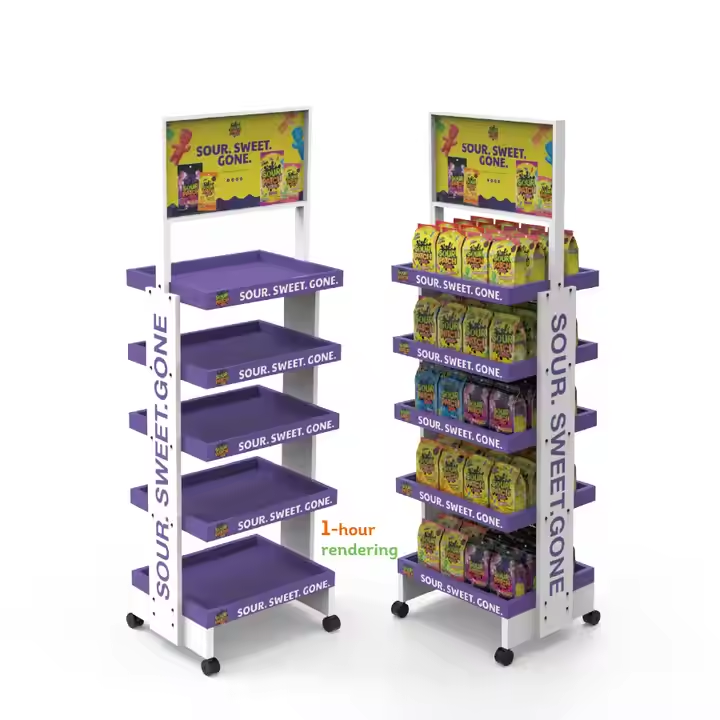
Retail environments are evolving faster than ever, and the display stand has become one of the most critical tools in a retailer's arsenal. In 2025, shoppers expect more than just shelves lined with products — they expect an experience. The right display stand can guide purchasing decisions, reinforce brand identity, and make the most of limited floor space. Understanding which design trends are leading the market this year helps retailers stay competitive and visually compelling.
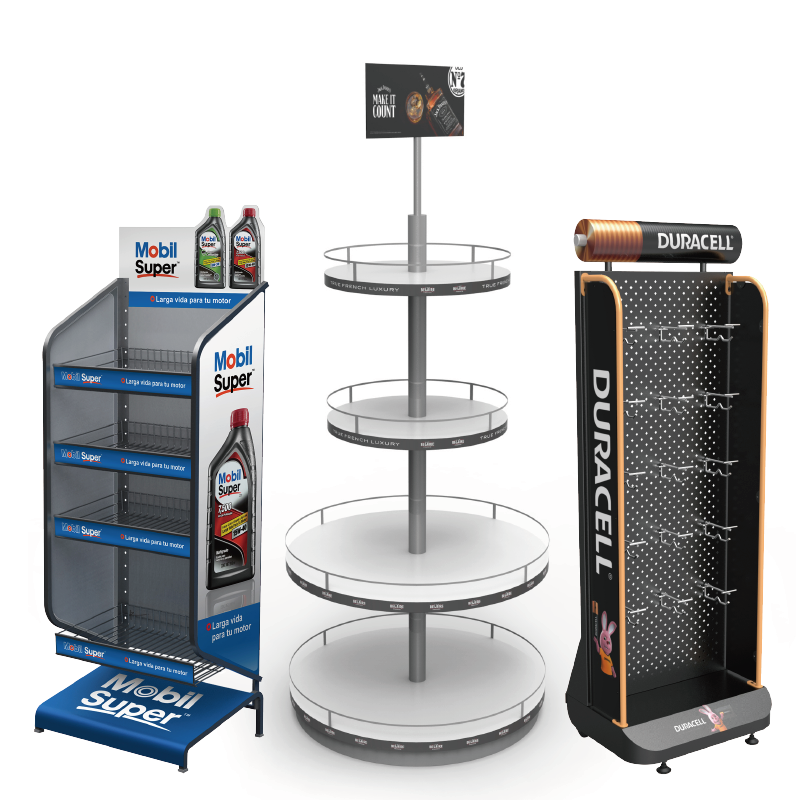
This article examines the top display stand designs defining retail in 2025. Whether you manage a boutique shop, a supermarket aisle, or a large-format retail chain, choosing the right display stand format is no longer a minor detail — it is a strategic decision that directly impacts conversion rates, foot traffic flow, and overall store performance. Let us explore the trends shaping how retailers present products this year.
The Rise of Modular and Customizable Display Stand Designs
Flexibility as a Core Design Value
One of the strongest trends in 2025 is the demand for a modular display stand that adapts to changing product lines and seasonal promotions. Retailers no longer want a static display stand locked to a single configuration. Instead, they prefer a display stand system where panels, hooks, shelves, and baskets can be rearranged without tools or special hardware. This flexibility means a single display stand investment supports multiple campaigns throughout the year, reducing long-term costs significantly.
The pegboard display stand is leading this category. Its grid-based surface accepts a wide range of accessories, making each display stand highly reconfigurable. Whether a retailer wants to display small packaged goods, hanging accessories, or bulkier boxed items, a pegboard display stand handles the transition smoothly. This adaptability makes the pegboard display stand a top choice for point-of-sale zones and high-traffic retail corridors.
Custom Branding Built Into the Display Stand Structure
Customization in 2025 goes beyond color selection. Retailers are investing in a display stand that integrates brand graphics, logo panels, and custom-cut headers directly into the unit. A well-branded display stand communicates product value instantly and creates a cohesive visual identity across the store floor. Metal display stand frames allow for clean graphic mounting, powder-coat finishes in any brand color, and structural configurations that match specific product dimensions. This level of customization turns every display stand into a brand asset, not just a storage solution.
Metal Display Stand Dominance in Durability and Aesthetics
Why Metal Outperforms in Commercial Retail Settings
The metal display stand continues to dominate in 2025 because it delivers on two critical retail requirements: durability and visual appeal. In high-traffic stores, a display stand must withstand daily restocking, customer interaction, and movement across the sales floor. A metal display stand holds up under these conditions far better than cardboard or lightweight plastic alternatives. The structural strength of a metal display stand also supports heavier product loads without bowing or instability, which is essential for supermarkets and hardware retailers.
From an aesthetic standpoint, a metal display stand projects a premium quality signal that influences how shoppers perceive the products displayed on it. Retailers in fashion, beauty, and consumer electronics are increasingly choosing a sleek metal display stand with matte or brushed finishes to complement their store design language. A well-manufactured metal display stand elevates product presentation while maintaining the practical functionality retail environments demand every day.
Floor Display Stand Formats Taking Center Stage
The floor display stand is experiencing renewed focus in 2025 as retailers reclaim aisle end-caps and open floor zones for high-impact product placements. A floor display stand draws attention at eye level and below, creating multiple product visibility zones within a single unit. Retailers are selecting a floor display stand with tiered shelving, rotating bases, or combination pegboard-and-shelf structures to maximize the product capacity of each floor display stand without cluttering the store layout.
For supermarkets and large-format retailers, the floor display stand serves as a powerful promotional vehicle. Placing a well-designed floor display stand at the entrance or near checkout zones significantly increases impulse purchase rates. The display stand positioned at these high-dwell areas becomes one of the best-performing sales tools in the entire store, often outperforming standard shelving in units sold per square meter of floor space.
Smart Retail Integration and Sustainable Display Stand Choices
Display Stand Designs Aligned With Store Technology
In 2025, the display stand is increasingly being designed with smart retail integration in mind. Retailers are incorporating QR code panels, digital price tag holders, and scan-friendly product positioning into each display stand layout. A display stand that supports seamless digital interaction helps bridge the gap between physical and online retail, giving shoppers instant access to product information, reviews, and purchase options. This smart display stand approach is particularly effective in electronics, health, and specialty product categories where detailed product knowledge drives purchase decisions.
Lighting integration is another growing trend within the display stand category. LED strip systems embedded into a metal display stand frame highlight featured products and create visual hierarchy within complex product assortments. An illuminated display stand naturally draws the shopper's eye, increases dwell time in front of the display stand, and creates a premium retail atmosphere that strengthens the overall brand impression. Retailers who invest in a lit display stand consistently report stronger engagement compared to standard unlit alternatives.
Sustainability as a Display Stand Selection Criterion
Sustainability is now a genuine procurement criterion when selecting a display stand for modern retail. Retailers and their suppliers are expected to demonstrate responsible sourcing, and the display stand is no exception. Metal display stand units score well on sustainability because they are long-lasting, fully recyclable, and resistant to the wear that requires frequent disposal and replacement. Choosing a durable metal display stand reduces waste and lowers the environmental footprint of a store's visual merchandising program over time. For retailers committed to green retail practices, the metal display stand remains the most responsible long-term investment in 2025.
FAQ
What type of display stand works best for point-of-sale retail zones?
A pegboard floor display stand works exceptionally well in point-of-sale zones because it is compact, highly configurable, and capable of displaying a wide variety of product types. Its modular design allows retailers to update the display stand quickly between promotions without requiring a full replacement of the unit.
How do I choose the right display stand size for my store layout?
Start by measuring your available floor space and identifying the primary traffic flow in your store. A floor display stand placed in a high-traffic corridor should be narrow enough to allow comfortable customer movement while still offering strong product visibility. Match the display stand height to your ceiling and sightline requirements to avoid blocking key signage or store navigation cues.
Is a metal display stand more cost-effective than other materials in the long run?
Yes. A metal display stand typically requires less maintenance, handles heavier loads, and lasts significantly longer than cardboard or plastic alternatives. While the upfront cost of a metal display stand may be higher, the extended service life and reduced replacement frequency make it a more cost-effective choice for most retail environments over a three-to-five-year period.