EN
EN

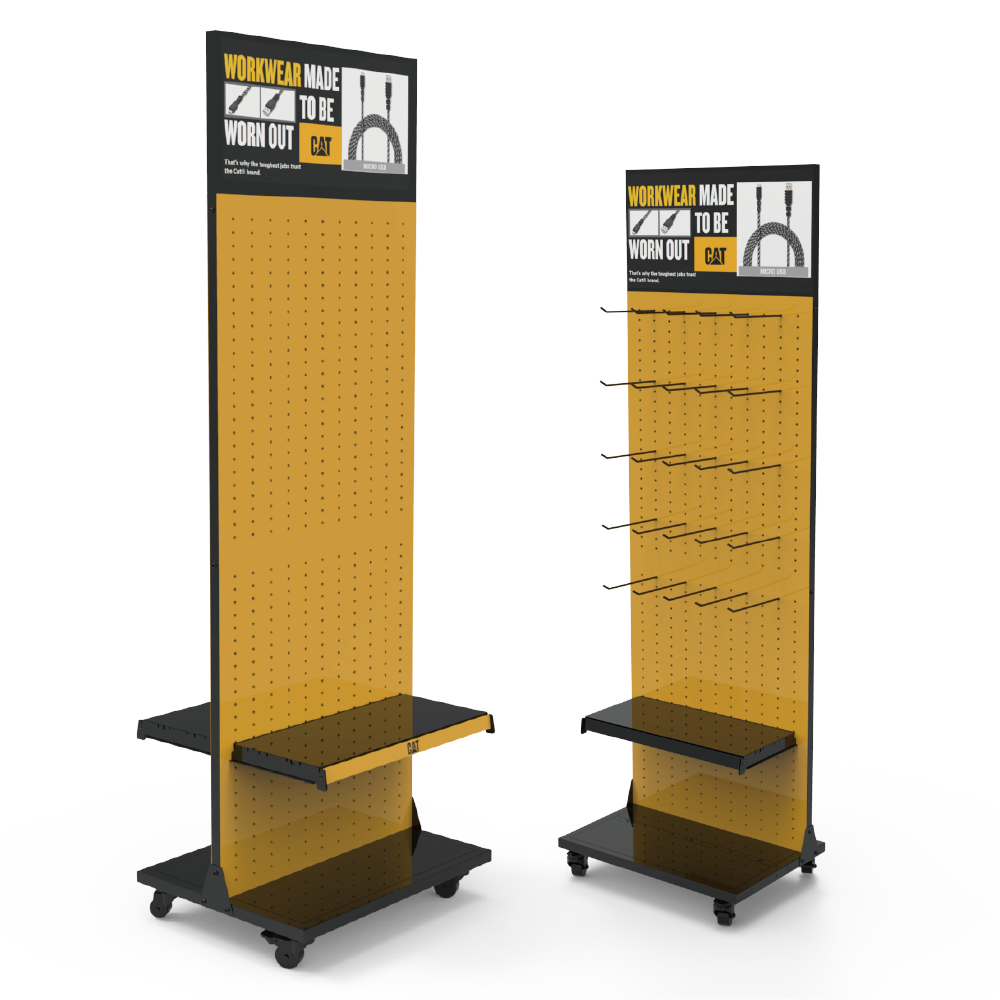
Point of purchase displays have become the silent salespeople of modern retail environments, transforming casual browsers into committed buyers at the critical moment of decision. These strategic marketing tools serve as the final touchpoint between product and consumer, wielding tremendous influence over purchasing behavior when executed with precision and creativity. Understanding how to design, implement, and optimize your pop display strategy can mean the difference between products that languish on shelves and those that fly off them, directly impacting your bottom line and brand visibility in increasingly competitive retail landscapes.
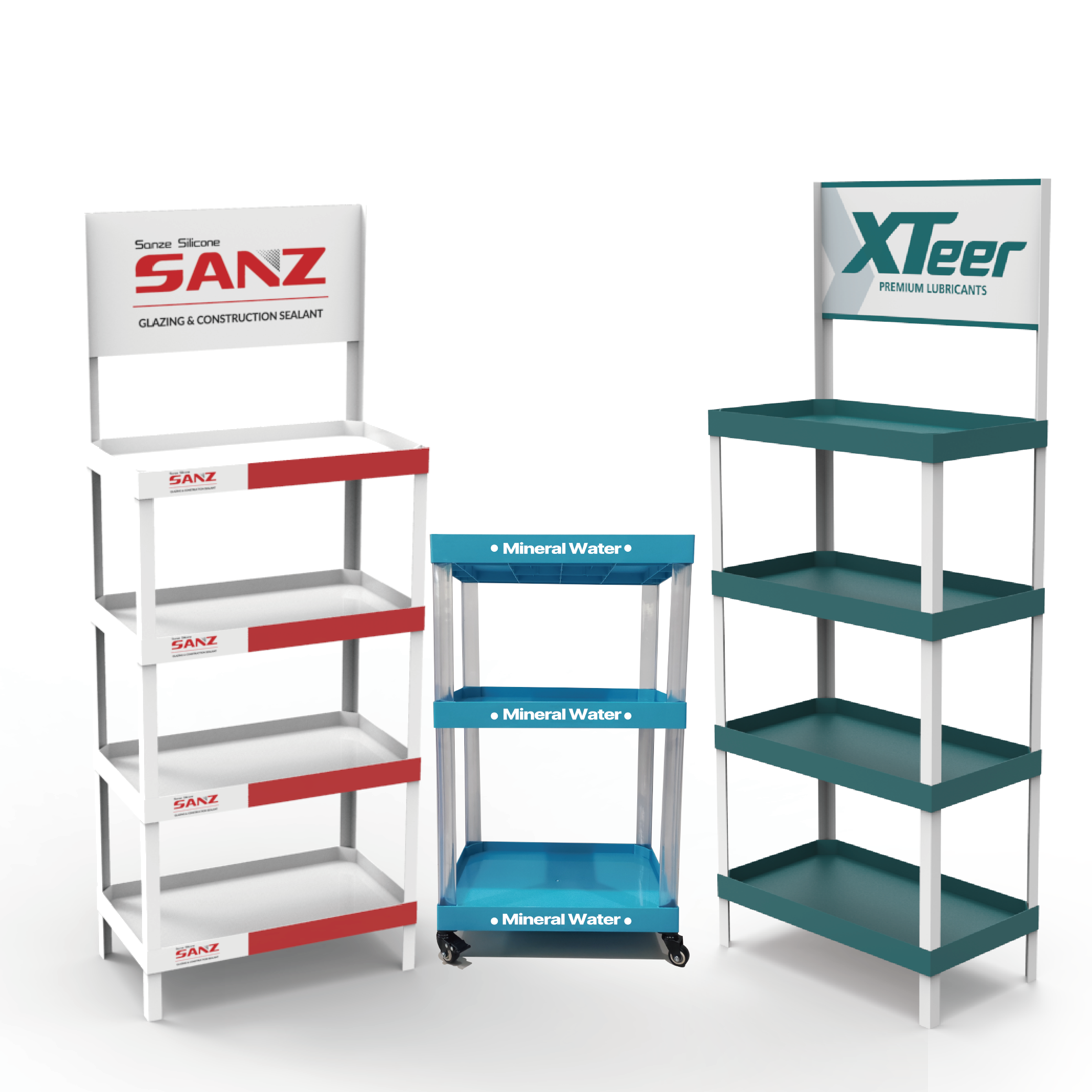
Achieving success with point of purchase displays requires far more than simply placing products in prominent locations. It demands a comprehensive understanding of consumer psychology, retail space dynamics, material selection, structural engineering, brand alignment, and measurable performance metrics. This ultimate guide walks you through every essential element needed to create pop display solutions that not only capture attention but convert that attention into sales, ensuring your investment delivers tangible returns while strengthening your brand presence across diverse retail channels.
Understanding the Strategic Foundation of Pop Display Success
The Psychology Behind Effective Point of Purchase Engagement
Consumer decision-making at the point of purchase operates on both conscious and subconscious levels, making the design and placement of your pop display crucial to triggering the right response. Research consistently shows that approximately seventy percent of purchasing decisions occur in-store rather than being predetermined, creating a massive opportunity for well-designed displays to influence these spontaneous choices. The most successful pop display strategies leverage principles of visual hierarchy, color psychology, and spatial positioning to guide shopper attention exactly where brands need it most.
Effective pop display design taps into fundamental human behaviors such as the tendency to notice movement, respond to contrasting colors, and gravitate toward eye-level positioning. The strategic use of these psychological triggers transforms a simple product presentation into a compelling visual narrative that resonates with shoppers on an emotional level. Understanding that consumers process visual information far faster than text allows designers to prioritize imagery, shape, and color as primary communication tools, with supporting copy serving to reinforce rather than lead the message.
The context in which your pop display appears significantly impacts its effectiveness, requiring careful consideration of the surrounding retail environment and competitive landscape. Displays that stand out through innovative design, unexpected materials, or interactive elements can break through the visual clutter that characterizes most retail spaces. This differentiation becomes particularly critical in high-traffic areas where shoppers face sensory overload and decision fatigue, making simplicity and clarity as important as visual impact in driving engagement and conversion.
Defining Clear Objectives for Your Pop Display Program
Before investing in pop display development, establishing specific, measurable objectives ensures your program aligns with broader marketing and sales goals. Whether your primary aim involves launching a new product, increasing market share for an existing line, supporting a promotional campaign, or enhancing brand visibility, these objectives should directly inform design decisions, placement strategies, and performance metrics. Clear objectives also facilitate more effective collaboration between marketing teams, designers, manufacturers, and retail partners by providing a shared understanding of success criteria.
Different retail environments and product categories demand tailored pop display approaches that reflect specific business objectives and shopper behaviors. A pop display designed to drive impulse purchases near checkout counters requires fundamentally different design elements than one intended to educate shoppers about complex product features in a category aisle. Similarly, temporary promotional displays supporting limited-time offers necessitate different material choices and construction methods than permanent fixtures intended to establish long-term brand presence within retail spaces.
Quantifying success metrics from the outset enables objective evaluation of pop display performance and facilitates data-driven optimization over time. Metrics might include sales lift percentages, units moved per display, cost per acquisition, shopper engagement rates, or brand awareness improvements measured through pre- and post-deployment research. Establishing baseline performance data before deployment and implementing robust tracking mechanisms allows for meaningful assessment of return on investment and informs future pop display initiatives with empirical evidence rather than assumptions.
Designing Pop Displays That Command Attention and Drive Action
Structural Design Principles for Maximum Impact
The physical structure of your pop display must balance visual appeal with practical functionality, ensuring it not only attracts attention but also facilitates easy product access and maintains structural integrity throughout its intended lifespan. Freestanding floor displays require stable bases and appropriate weight distribution to prevent tipping hazards while maximizing product capacity, whereas countertop units must optimize vertical space without obstructing sightlines or creating clutter. The choice between permanent fixtures and temporary promotional displays significantly impacts material selection, construction methods, and overall design approach.
Modular design approaches offer significant advantages for brands operating across multiple retail formats or requiring flexibility to accommodate different product assortments. A well-engineered modular pop display system allows for configuration adjustments without requiring entirely new fixtures, reducing costs while maintaining consistent brand presentation. This adaptability proves particularly valuable when testing different merchandising strategies or responding to seasonal variations in product mix, enabling retailers to refresh displays without major capital investments or lengthy lead times.
The integration of functional elements such as product dividers, literature holders, demonstration areas, or digital screens enhances pop display effectiveness by addressing specific shopper needs and behaviors. These features transform passive product presentation into active engagement opportunities, allowing consumers to interact with products, access additional information, or experience demonstrations that build confidence and reduce purchase hesitation. However, functionality must never compromise the clean visual presentation that initially captures shopper attention, requiring designers to seamlessly integrate practical elements into the overall aesthetic.
Material Selection for Durability and Brand Expression
Choosing appropriate materials for your pop display directly impacts both performance longevity and brand perception, making this decision critical to overall program success. Corrugated cardboard remains popular for temporary promotional displays due to its cost-effectiveness, recyclability, and printability, though it offers limited durability for long-term applications. Plastic materials including acrylic, PVC, and polystyrene provide excellent durability, design versatility, and the ability to achieve premium finishes that elevate brand perception, making them ideal for permanent or semi-permanent installations where investment justifies higher material costs.
Metal components such as wire, aluminum, or steel deliver unmatched strength and longevity for pop display applications requiring substantial weight capacity or extended deployment periods. The industrial aesthetic of metal fixtures aligns particularly well with certain brand identities while offering practical advantages in high-traffic retail environments where displays face constant interaction and potential damage. Wood and composite materials provide warmth and natural appeal that resonates with brands emphasizing sustainability, craftsmanship, or premium positioning, though these materials typically command higher costs and require more complex manufacturing processes.
Material choices should reflect not only functional requirements and budget constraints but also environmental considerations that increasingly influence both retailer acceptance and consumer perception. Recyclable materials, sustainable sourcing, and designs facilitating disassembly for component reuse demonstrate corporate responsibility while potentially opening doors with retailers implementing strict environmental standards. A pop display constructed from recycled or recyclable plastics can maintain premium appearance and functionality while supporting sustainability objectives that strengthen brand reputation.
Graphics and Branding Elements That Convert
Visual graphics serve as the primary communication vehicle for your pop display, conveying brand identity, product benefits, and call-to-action messages within the brief window of shopper attention. High-quality graphics featuring sharp imagery, appropriate color saturation, and professional finishing techniques create immediate impressions of brand quality and product value. The graphics hierarchy should guide the eye naturally from brand identification through key product features to specific calls to action, creating a visual journey that supports rather than confuses the decision-making process.
Typography choices significantly impact both readability and brand perception, requiring careful selection of fonts that align with brand guidelines while ensuring legibility from typical viewing distances. Headlines must capture attention within three seconds while communicating the core value proposition, whereas supporting copy should provide just enough detail to overcome objections without overwhelming shoppers with excessive information. The strategic use of white space prevents visual clutter and allows key messages to breathe, creating a more sophisticated presentation that respects shopper intelligence rather than shouting for attention.
Color selection must consider both brand consistency and the psychological associations different hues trigger in consumer minds, recognizing that colors communicate meaning beyond their aesthetic properties. Warm colors such as red and orange create urgency and excitement suitable for promotional offers, while cool colors like blue and green convey trust and stability appropriate for products emphasizing reliability or health benefits. The contrast between background colors and text or imagery determines visibility and readability, making color relationships as important as individual color choices in creating effective pop display graphics.
Strategic Placement and Retail Environment Integration
Optimizing Pop Display Location for Maximum Exposure
The physical location of your pop display within the retail environment dramatically affects its ability to capture attention and influence purchasing decisions, making placement strategy as important as design quality. High-traffic areas near store entrances, end caps, checkout queues, and category intersections offer maximum exposure but typically command premium placement fees and face intense competition for shopper attention. Understanding traffic flow patterns, dwell time variations, and decision-making zones within specific retail formats enables strategic placement that maximizes exposure while managing costs.
Placement decisions should reflect the specific role your pop display serves within the broader retail strategy, whether introducing new products, supporting cross-merchandising initiatives, or reinforcing brand presence throughout the shopping journey. Impulse-driven products benefit from checkout-adjacent placement where waiting shoppers have time and inclination for unplanned additions, while considered purchases requiring comparison or deliberation perform better in category aisles where shoppers actively evaluate options. The alignment between product type, purchase behavior, and placement location directly impacts conversion rates and overall program effectiveness.
Negotiating placement with retail partners requires demonstrating mutual benefit through data showing how your pop display drives category growth rather than simply shifting sales between brands. Retailers prioritize displays that increase basket size, attract new shoppers, or enhance the overall shopping experience without creating operational burdens. Providing evidence of past performance, offering merchandising support, and designing displays that integrate seamlessly with existing store layouts strengthens placement negotiations and builds long-term retail partnerships that benefit both parties.
Adapting to Different Retail Formats and Channels
Successful pop display programs recognize that different retail formats demand customized approaches reflecting their unique spatial constraints, shopper behaviors, and operational requirements. Mass merchandisers with warehouse-style layouts accommodate large-scale floor displays that would overwhelm boutique specialty stores, while convenience stores require compact designs maximizing product density within minimal footprints. Understanding these format-specific requirements during the design phase prevents costly modifications or outright rejection by retail partners whose operational realities your display must accommodate.
The rapid evolution of retail channels including online ordering with in-store pickup, automated retail kiosks, and experiential pop-up stores creates new opportunities and challenges for pop display applications. Traditional displays focused solely on product presentation must evolve to support omnichannel objectives such as directing shoppers to digital resources, facilitating product comparison, or creating shareable moments that extend brand reach beyond physical retail spaces. This channel integration requires pop display designers to think beyond transactional sales toward broader engagement and brand-building objectives.
International expansion introduces additional complexity as pop display programs must navigate varying retail standards, consumer preferences, material regulations, and cultural sensitivities across different markets. Display dimensions, assembly methods, graphics content, and even color symbolism may require localization to ensure effectiveness and compliance in diverse geographic markets. Building flexibility into your pop display system from the outset facilitates more efficient international adaptation while maintaining core brand identity across all markets and channels.
Manufacturing, Deployment, and Performance Management
Selecting Manufacturing Partners and Production Methods
Choosing the right manufacturing partner for your pop display program significantly impacts quality consistency, cost efficiency, production timelines, and ability to scale. Manufacturers specializing in point of purchase displays bring category expertise, established retail relationships, and proven production processes that generic fabricators lack. Evaluating potential partners requires assessing their technical capabilities, quality control systems, material sourcing practices, production capacity, and track record delivering similar projects on time and within budget.
Production methods must align with program scale, timeline requirements, and budget parameters while maintaining quality standards that reflect positively on your brand. Digital printing enables cost-effective short runs and design variation suitable for test markets or limited promotions, whereas offset printing delivers superior color consistency and lower per-unit costs for large-volume production. Injection molding produces highly durable plastic components ideal for permanent displays but requires substantial tooling investments justified only by significant production quantities, while thermoforming offers lower tooling costs suitable for moderate volumes.
Quality assurance processes including prototype approval, first-article inspection, and random sampling during production runs protect against costly errors that could undermine program effectiveness or damage brand reputation. Establishing clear specifications, approval workflows, and acceptance criteria before production begins prevents misunderstandings and ensures all parties share common expectations. Building contingency time into production schedules accommodates inevitable delays or revisions without jeopardizing retail deployment deadlines that cannot be missed without sacrificing promotional timing or seasonal opportunities.
Logistics and Installation Considerations
Efficient logistics planning ensures your pop display arrives at retail locations on time, undamaged, and ready for installation without creating operational burdens for store personnel. Packaging design must protect displays during transit while minimizing dimensional weight that drives shipping costs, requiring careful balance between protection and efficiency. Consideration of shipping methods, delivery schedules, and receiving procedures at individual retail locations prevents delays and damage that undermine program launch timing and first impressions.
Installation complexity directly impacts retailer acceptance and display compliance, making ease of assembly a critical design consideration. Tool-free assembly, clear visual instructions, numbered components, and pre-attached elements reduce installation time and minimize errors that could compromise structural integrity or visual presentation. Some programs benefit from professional installation services that ensure consistent setup quality across all locations while relieving retail staff of assembly responsibilities, though this approach increases program costs and coordination complexity.
Ongoing maintenance and refresh requirements must be considered during design development, as displays requiring frequent adjustments or complex cleaning procedures create operational friction that reduces retailer enthusiasm. Durable finishes resistant to fingerprints, dust accumulation, and minor impacts maintain visual appeal with minimal intervention, while modular designs facilitate easy replacement of damaged components without requiring complete display removal. Planning for end-of-life disposal or recycling demonstrates environmental responsibility and simplifies decommissioning when campaigns conclude or displays reach the end of their useful life.
Measuring Performance and Optimizing Results
Implementing robust measurement systems enables objective assessment of pop display performance and guides data-driven optimization decisions. Point-of-sale data analysis comparing sales velocity before and after display deployment quantifies direct sales impact, while tracking metrics across different locations reveals how placement, retailer support, and local market conditions affect results. More sophisticated measurement approaches including shopper tracking technology, heat mapping, and dwell time analysis provide deeper insights into engagement patterns and identify specific design elements driving or hindering performance.
Regular field audits verify display compliance, assess condition over time, and identify improvement opportunities that might not surface through sales data alone. Photographic documentation creates accountability and facilitates comparison across locations, revealing variations in setup quality, placement adherence, or maintenance that impact performance. Gathering feedback from retail partners and frontline sales teams provides qualitative insights complementing quantitative metrics, often surfacing practical considerations that designers and marketers might overlook.
Continuous improvement processes incorporating learnings from each deployment cycle elevate subsequent pop display programs through iterative refinement. A/B testing different design elements, messaging approaches, or placement strategies generates empirical evidence about what drives results rather than relying on assumptions or creative preferences. Building a knowledge repository documenting performance data, best practices, and lessons learned across multiple programs accelerates future development while preventing repetition of past mistakes that waste resources and miss opportunities.
Emerging Trends and Future-Proofing Your Pop Display Strategy
Technology Integration and Interactive Experiences
The integration of digital technology into pop display design creates opportunities for enhanced engagement, personalization, and data collection that traditional static displays cannot match. Digital screens enable dynamic content rotation, real-time inventory updates, and targeted messaging that adapts to time of day or shopper demographics. QR codes and NFC tags bridge physical and digital experiences by directing shoppers to product videos, reviews, exclusive offers, or social media channels, extending engagement beyond the momentary in-store interaction.
Augmented reality applications transform pop display experiences by allowing shoppers to visualize products in their own environments, access additional product information through smartphone overlays, or participate in gamified brand interactions that create memorable experiences. While technology integration increases complexity and cost, it also provides measurable engagement data unavailable from passive displays, enabling more precise ROI calculation and ongoing optimization. The key lies in ensuring technology enhances rather than complicates the shopping experience, avoiding gimmicks that create friction instead of value.
Sensor technology including proximity detection, facial recognition, and gesture control enables responsive pop display experiences that react to shopper presence and behavior. Displays that activate when approached, adjust content based on viewer attention, or respond to physical interaction create novelty and engagement that static presentations cannot achieve. However, privacy considerations and shopper comfort must guide technology implementation, ensuring innovations enhance rather than unsettle the shopping experience.
Sustainability and Circular Economy Approaches
Growing environmental awareness among consumers and retailers elevates sustainability from nice-to-have feature to competitive necessity for pop display programs. Designing for circularity through material selection, modular construction, and end-of-life planning reduces environmental impact while potentially lowering total cost of ownership through component reuse and recycling value recovery. Brands demonstrating authentic commitment to sustainability through measurable actions rather than superficial claims strengthen reputation and appeal to values-driven consumers.
Renewable and recycled materials including bamboo, reclaimed wood, ocean-bound plastics, and post-consumer recycled content provide environmentally responsible alternatives to virgin materials without necessarily sacrificing durability or aesthetics. Life cycle assessment methodology helps quantify environmental impact across material extraction, manufacturing, transportation, use phase, and disposal, enabling informed decisions that balance sustainability objectives with performance requirements and budget constraints. Transparency about material sourcing and environmental attributes through certifications or declarations builds credibility with stakeholders increasingly scrutinizing corporate environmental commitments.
Take-back programs and refurbishment services extend pop display life cycles while reducing waste and demonstrating circular economy principles in action. Designing displays for disassembly facilitates component separation, material recovery, and potential remanufacturing into new displays or alternative products. While these approaches require upfront investment in design and logistics infrastructure, they can generate long-term cost savings, reduce regulatory risks, and strengthen brand positioning as retailers and consumers increasingly prioritize environmental responsibility in purchasing and partnership decisions.
FAQ
What is the typical lifespan of a point of purchase display?
The lifespan of a pop display varies significantly based on materials, construction quality, placement environment, and intended use. Temporary promotional displays constructed from corrugated cardboard typically last two to eight weeks depending on traffic levels and environmental conditions, making them suitable for short-term campaigns or seasonal promotions. Semi-permanent displays using plastic or composite materials generally remain effective for three to twelve months with proper maintenance, serving mid-term merchandising objectives. Permanent fixtures constructed from metal, high-grade plastics, or wood can function effectively for multiple years when designed with durability as a priority, though graphics may require periodic refreshing to maintain visual appeal and message relevance.
How much does it cost to develop and deploy a pop display program?
Pop display costs span an extremely wide range depending on design complexity, materials, production quantities, and deployment scope. Simple corrugated cardboard countertop displays might cost as little as two to five dollars per unit in large quantities, while sophisticated permanent floor fixtures incorporating premium materials, lighting, and digital elements can exceed several hundred dollars each. Design and engineering fees typically range from one thousand to ten thousand dollars depending on complexity and whether structural modifications require multiple prototype iterations. When budgeting for comprehensive programs, factor in manufacturing costs, shipping and logistics expenses, installation labor, ongoing maintenance, and placement fees charged by retailers for premium positions, recognizing that total program costs often reach two to five times the per-unit manufacturing cost.
What regulations govern pop display design and deployment?
Pop displays must comply with various safety, accessibility, and environmental regulations that vary by jurisdiction and retail format. Fire safety codes regulate materials used in certain retail environments, requiring flame-retardant treatments or prohibiting specific materials altogether in enclosed spaces. Structural stability requirements prevent tip-over hazards, particularly for freestanding floor displays, with many retailers enforcing standards exceeding legal minimums to protect customers and limit liability exposure. Accessibility regulations ensure displays do not obstruct aisles, impede wheelchair passage, or create hazards for visually impaired shoppers, with specific dimensional requirements governing placement and clearances. Environmental regulations increasingly restrict certain materials, require recycled content minimums, or mandate specific disposal and recycling capabilities, particularly in progressive jurisdictions implementing extended producer responsibility frameworks.
How can I ensure my pop display program achieves buy-in from retail partners?
Securing retailer acceptance requires demonstrating clear mutual benefit through category growth rather than simple brand switching, addressing operational concerns proactively, and building relationships based on trust and proven performance. Present data showing how similar displays drove incremental sales, increased basket size, or attracted new customers rather than simply shifting share within existing category buyers. Design displays that integrate seamlessly with existing store layouts, require minimal setup time, need little ongoing maintenance, and include clear removal and recycling instructions that prevent end-of-program burdens. Offer merchandising support including installation services, regular maintenance visits, and promotional coordination that relieves rather than adds to store workload. Starting with pilot programs in limited locations builds proof of concept and generates performance data that supports broader rollout requests, while treating retail partners as collaborators rather than simply distribution channels fosters long-term relationships that benefit future initiatives.