EN
EN

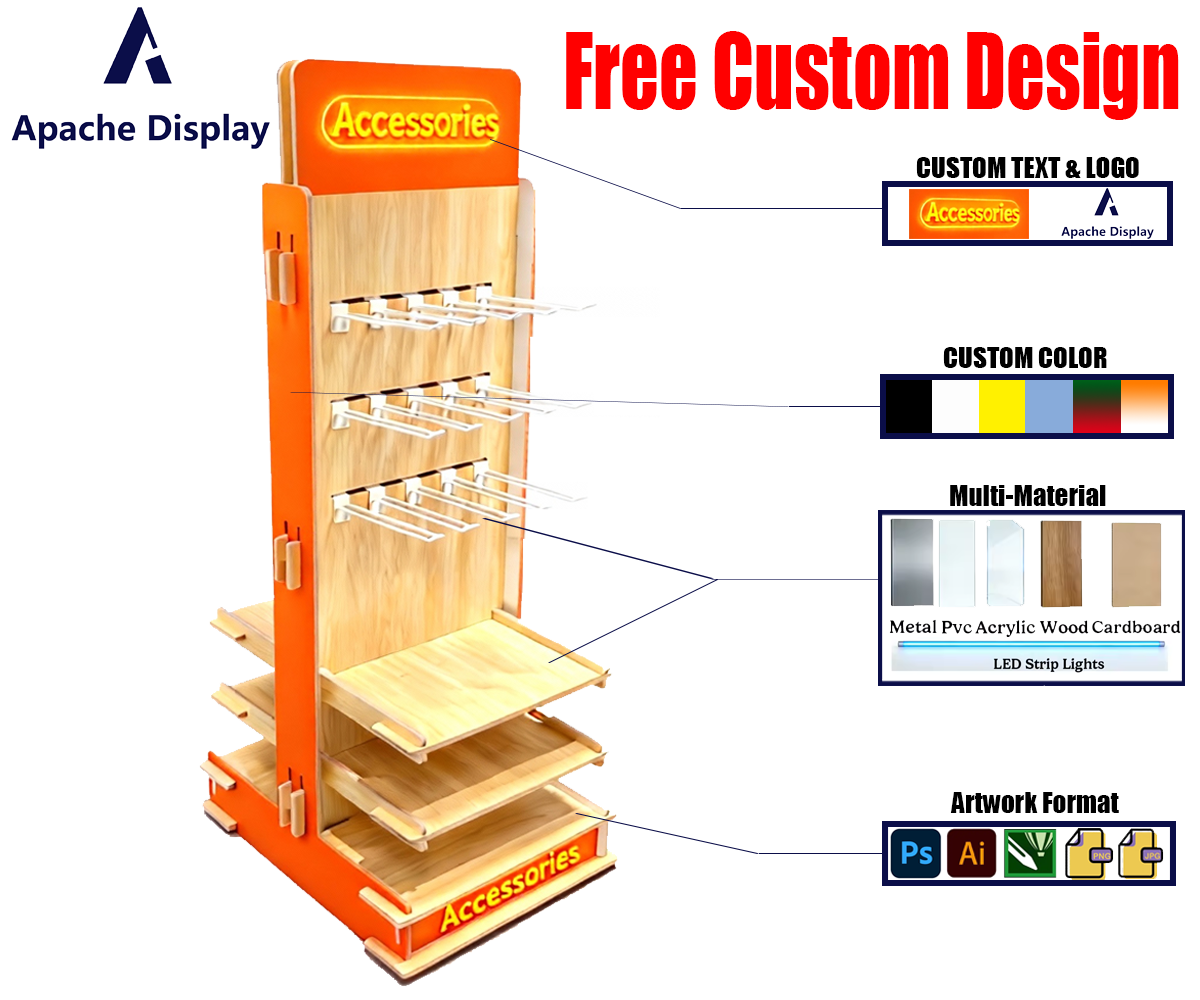
Impulse purchasing accounts for a significant portion of retail revenue, with studies showing that nearly 40 to 80 percent of all purchases are made on impulse. The strategic placement and design of point-of-purchase materials play a crucial role in triggering these spontaneous buying decisions. Retailers and brand managers who understand which types of pop display configurations generate the strongest impulse response can dramatically increase their conversion rates and average transaction values. This article examines five proven pop display formats that consistently drive unplanned purchases across various retail environments, providing actionable insights for maximizing their effectiveness in your merchandising strategy.
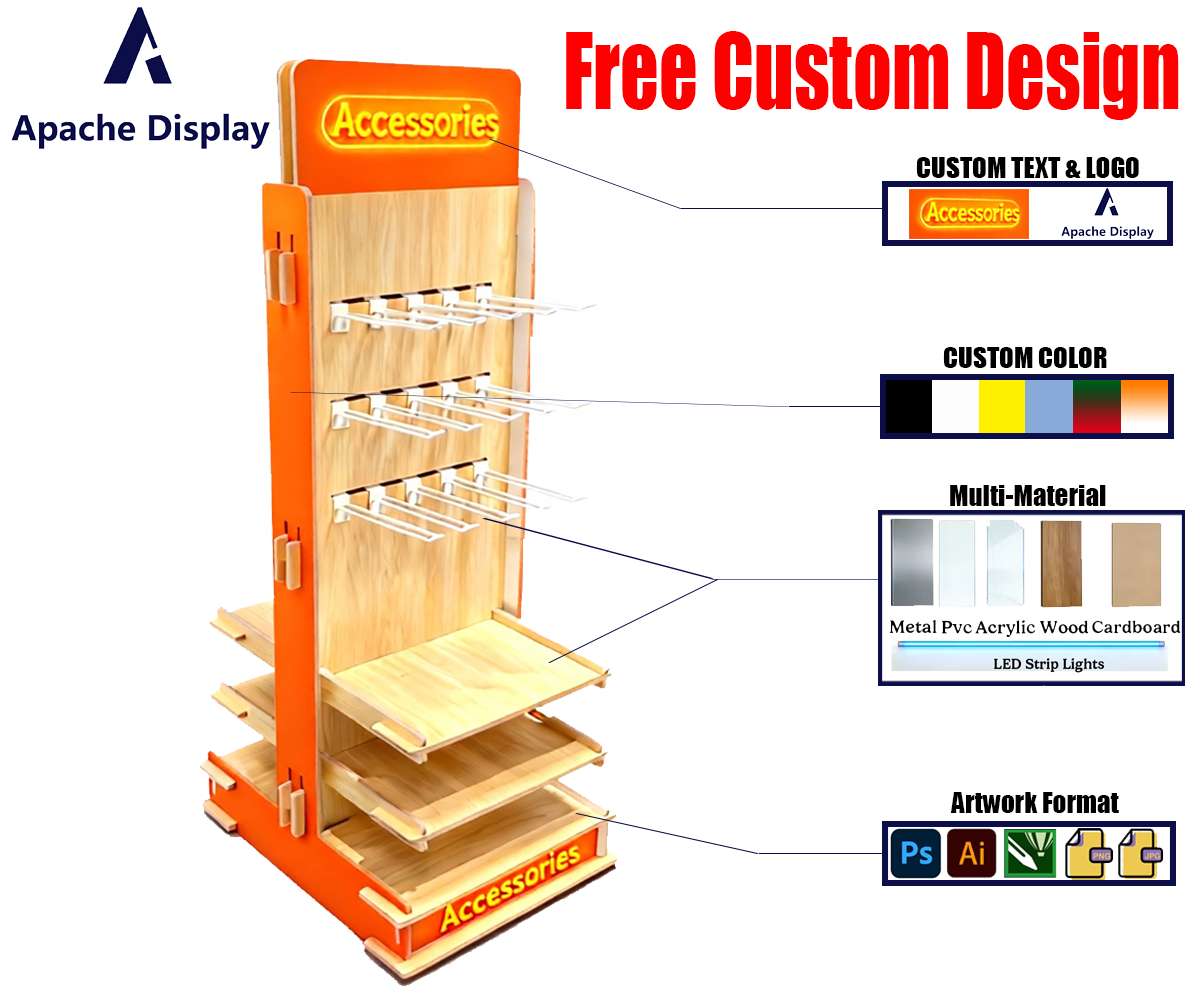
Each type of pop display serves a distinct psychological and practical function in the retail environment, from creating visual disruption that catches shopper attention to facilitating product interaction that builds purchase confidence. The most successful impulse-driving displays combine strategic positioning, compelling visual design, and accessibility to create frictionless pathways from browsing to buying. Whether you operate grocery stores, specialty retail locations, or mass merchandise outlets, understanding how these five display types influence consumer behavior enables you to select and deploy the most effective solutions for your specific product categories and customer demographics.
Counter Displays That Capitalize on Queue Time
Strategic Placement Near Transaction Points
Counter pop display units positioned at checkout areas exploit a critical moment in the shopping journey when customers have already committed to purchasing and are mentally preparing to complete their transaction. This placement takes advantage of queue time, transforming what could be dead waiting periods into active merchandising opportunities. These displays typically feature compact footprints that fit within limited counter space while showcasing small-ticket impulse items such as candy, batteries, travel-sized products, or accessories that complement primary purchases.
The psychological mechanism behind counter displays centers on reducing perceived risk through low price points and immediate gratification. When customers stand in checkout lines, they experience a mental accounting phenomenon where adding a small additional purchase feels negligible compared to their main shopping basket total. Effective counter pop display designs use tiered arrangements that create visual depth, allowing multiple product facings within a small horizontal footprint. Transparent materials or open frameworks ensure the display does not obstruct sightlines between staff and customers while maintaining product visibility from multiple angles.
Retailers should select counter displays with easy-access openings that allow customers to retrieve products without assistance, reducing friction in the impulse purchase decision. Rotating bases or angled shelves increase product visibility and create dynamic visual interest even in static environments. The most successful implementations combine branded header cards that communicate value propositions with organizational systems that keep inventory neat and fully stocked throughout high-traffic periods.
Product Categories That Perform Best
Counter pop display units achieve highest conversion rates with products priced below psychological threshold points, typically under five to ten dollars depending on the retail context. Consumable items that customers use regularly and might have forgotten to include in their main shopping create natural replenishment opportunities. Gift cards, phone accessories, lip balm, gum, mints, and small novelty items dominate this category because they satisfy immediate needs or represent low-commitment gift options.
Seasonal merchandise performs exceptionally well in counter displays because it leverages temporal relevance and creates urgency around limited availability. Holiday-themed items, weather-related products, and event-specific merchandise capitalize on customers' current mindset and environmental context. The compact nature of counter displays also makes them ideal for testing new product introductions with minimal investment, allowing retailers to gauge customer interest before committing to larger display allocations.
Cross-promotional opportunities emerge when counter pop display selections complement primary product categories. Electronics retailers might feature screen protectors and charging cables, while cosmetics counters could showcase makeup removers or application tools. This strategic coordination between counter impulse items and main inventory categories increases basket size while providing genuine utility to customers who may not have considered these complementary purchases.
Freestanding Floor Displays That Command Attention
High-Impact Positioning in Traffic Pathways
Freestanding floor pop display units serve as three-dimensional advertisements that intercept customers during their shopping journey, creating visual disruption that breaks browsing patterns and redirects attention to featured products. Unlike fixed shelving that blends into the retail landscape, these temporary fixtures introduce novelty and prominence that signal special status, whether promotional pricing, new product launches, or seasonal offerings. Strategic placement at store entrances, aisle endcaps, or high-traffic intersections maximizes exposure while the portable nature allows retailers to optimize positioning based on traffic flow analysis.
The structural design of effective floor displays balances stability with visual lightness, creating substantial presence without appearing cumbersome or obstructing navigation. Corrugated cardboard constructions offer cost-effectiveness for short-term campaigns, while injection-molded plastic or metal frameworks provide durability for extended deployments. Successful designs incorporate branded graphics at eye level and above, ensuring visibility even in crowded retail environments where lower elements might be obscured by shopping carts or other customers.
Retailers must consider weight distribution and base dimensions to prevent tipping hazards while maintaining a footprint appropriate for available floor space. The best floor pop display configurations include built-in stability features such as wide bases or interlocking components that create secure structures without requiring additional anchoring. Header signs extending above the unit increase sightline visibility from across the store, functioning as wayfinding elements that draw customers toward the display location.
Maximizing Product Accessibility and Stock Capacity
Floor displays that drive impulse purchases must balance visual impact with functional accessibility, ensuring customers can easily examine and retrieve products without assistance. Open-front designs eliminate barriers between shoppers and merchandise, while angled shelves improve visibility of products on lower tiers. Some high-performing pop display units incorporate gravity-feed mechanisms that automatically advance products forward as items are removed, maintaining a fully stocked appearance throughout the day.
Capacity planning for floor displays requires understanding product velocity and replenishment frequency limitations. Displays that require constant restocking create operational burdens that may lead to empty fixtures during peak traffic periods, precisely when impulse purchase opportunities are greatest. Modular designs that accommodate various product sizes provide flexibility across promotional cycles, extending the useful life of the fixture investment beyond single-campaign deployments.
Color psychology and material selection significantly influence impulse purchase rates, with warm colors and premium finishes creating perceived value elevation that justifies spontaneous spending. Transparent sections that reveal product depth create abundance impressions that trigger scarcity concerns, encouraging immediate purchase decisions. Lighting integration, whether through battery-operated LED strips or positioning near existing store lighting, increases product visibility and creates focal points that draw eyes toward the display.
Clip Strips and Sidekicks That Utilize Vertical Space
Converting Dead Space Into Sales Opportunities
Clip strips and sidekick pop display attachments transform underutilized vertical surfaces into productive merchandising real estate, adding impulse purchase opportunities without consuming valuable floor space. These accessories attach to existing shelving units, gondola ends, or checkout counters, creating additional product facings in areas where customers already concentrate their attention. The vertical orientation maximizes visibility while the hanging presentation creates visual separation from surrounding merchandise, making featured products stand out even in cluttered retail environments.
Installation simplicity represents a key advantage of clip strip displays, as most designs require no tools and can be repositioned easily to accommodate changing promotional priorities or seasonal inventory shifts. This flexibility enables rapid response to sales data, allowing retailers to concentrate impulse items in locations showing highest conversion rates. Wire construction with plastic clips accommodates packaged goods with hang holes, while pocket-style strips hold blister packs or carded products that lack integrated hanging features.
Effective clip strip pop display strategies focus on logical product adjacencies that create natural cross-selling opportunities. Placing batteries near electronic toys, hanging utensils near cookware, or positioning snacks near beverage sections leverages shopping mission completion impulses. Customers already committed to a primary purchase in a category show increased receptivity to complementary items that enhance their planned purchase, making these adjacent placements particularly effective for driving incremental sales.
Product Selection and Rotation Strategies
Lightweight, individually packaged products with compact dimensions perform best in clip strip and sidekick configurations, as the display format limits weight capacity and dimensional flexibility. Single-serve consumables, small hardware items, craft supplies, and personal care products suit this presentation style particularly well. Price points should remain accessible for true impulse purchases, typically ranging from one to ten dollars depending on the retail segment and customer demographics.
Regular rotation of clip strip inventory prevents visual fatigue and maintains novelty that captures repeat customer attention. Many successful retailers establish monthly rotation schedules aligned with promotional calendars, ensuring fresh content coincides with advertising campaigns and seasonal shifts. This systematic approach prevents clip strips from becoming permanent fixtures that customers learn to ignore, maintaining their effectiveness as attention-capturing elements within the retail environment.
Branded clip strips supplied by manufacturers often include header cards and consistent packaging that creates cohesive visual presentation while reducing retailer labor in assembly and organization. However, retailer-curated selections allow for customization based on local market preferences and inventory optimization objectives. The ideal approach often combines manufacturer-supplied programs for major brands with retailer-controlled positions for private label products, clearance items, or locally relevant merchandise that reflects community preferences.
Dump Bins That Encourage Exploration and Discovery
Creating Treasure Hunt Psychology
Dump bin pop display fixtures tap into fundamental human tendencies toward exploration and discovery, transforming shopping into an interactive experience where customers physically engage with merchandise. The intentionally casual presentation suggests special pricing or closeout opportunities, triggering bargain-hunting instincts that encourage digging through contents to uncover desired items. This perceived disorder creates an excitement factor absent from neatly organized shelving, making the shopping process itself entertaining and rewarding beyond the mere acquisition of products.
The psychology behind dump bin effectiveness centers on the variable reward principle, where uncertain outcomes increase engagement and motivation. Shoppers cannot immediately assess the complete contents, creating anticipation as they search through the bin. This active participation increases time spent with the merchandise and strengthens purchase likelihood through the endowment effect, where handling products creates psychological ownership that makes walking away without purchasing more difficult.
Structural design considerations for dump bins include appropriate depth that allows sufficient capacity without making bottom items inaccessible, smooth interior surfaces that prevent package damage during customer handling, and sturdy construction that withstands repeated product movement. Wheels or casters enable easy repositioning for cleaning or promotional reconfiguration, while branded exterior graphics communicate the value proposition that justifies the unconventional presentation format. Many effective designs incorporate tiered pricing or percentage-off messaging that clearly establishes the promotional nature of the offering.
Optimal Product Categories and Pricing Strategies
Dump bin pop display presentations work best for products where exact variant selection matters less than category satisfaction, such as basic apparel items in multiple colors, packaged foods in various flavors, or toys where surprise and variety create appeal. Products must withstand handling and movement without damage, making hard goods, sealed packages, and durable items more suitable than fragile or easily crushed merchandise. Uniform or clearly marked pricing simplifies the customer decision process, removing friction that might otherwise interrupt impulse purchase momentum.
Seasonal closeouts, discontinued items, and overstock inventory find natural homes in dump bin configurations, where the presentation format itself communicates clearance status without requiring extensive signage. This allows retailers to move slow-turning inventory while maintaining brand integrity for regular-priced merchandise on standard shelving. The self-service nature of dump bins also reduces labor costs associated with these promotional activities, as less precise organization and facing requirements decrease maintenance time.
Volume purchasing incentives such as mix-and-match pricing or quantity discounts leverage the abundance display to encourage multiple-unit purchases. When customers can select several items from a dump bin at an advantageous combined price, the exploration process becomes more purposeful as they seek to optimize their selection. This strategy particularly suits products with gift-giving applications, where purchasing multiple units for different recipients makes practical sense and where the variety within the bin provides sufficient selection to satisfy diverse recipient preferences.
Shelf Talkers and Wobbler Signs That Provide Decision Triggers
Creating Visual Disruption at the Shelf Edge
Shelf talker pop display elements extend from shelf edges into customer sightlines, creating dimensional interruption that breaks the visual plane of standard merchandising and draws attention to specific products. These point-of-purchase communication tools serve dual functions as attention-capture devices and information delivery systems, highlighting promotional pricing, product benefits, or decision-facilitating comparisons that reduce purchase hesitation. The physical extension into the aisle creates unavoidable visibility for customers passing the section, functioning as silent salespeople that advocate for featured products.
Motion-activated or spring-loaded wobbler designs add kinetic energy that increases noticeability in static retail environments, exploiting the human visual system's sensitivity to movement. These dynamic elements prove particularly effective in categories with extensive product selection where customers experience choice paralysis, as the visual disruption narrows focus and suggests a recommended option. Adhesive-backed or clip-on attachment systems enable easy installation without damaging shelving, while removability supports campaign rotation and prevents permanent visual clutter.
Message clarity and visual simplicity determine shelf talker effectiveness, as customers process these communications during brief glances while moving through aisles. Large, bold typography highlighting price or percentage savings performs better than lengthy feature descriptions. Icons and color coding quickly communicate key attributes such as new, organic, sale, or bestseller status. The most successful shelf talker designs maintain brand consistency while incorporating urgency elements such as limited time, while supplies last, or exclusive offer language that triggers immediate decision-making.
Strategic Implementation Across Product Categories
Shelf talker pop display elements prove most valuable in product categories characterized by high SKU counts and minimal differentiation, where customers struggle to evaluate options and appreciate guidance. Grocery aisles with dozens of similar products benefit from shelf talkers that highlight specific advantages or promotional pricing, cutting through the visual noise. Electronics accessories, health and beauty products, and packaged foods represent categories where effective shelf communication significantly influences purchase decisions.
Competitive positioning applications use shelf talkers to highlight comparative advantages or value propositions that might not be evident from packaging alone. When multiple brands occupy the same shelf section, strategic pop display communication can shift purchase intent toward featured products by emphasizing differentiators such as ingredients, performance specifications, or customer ratings. This targeted messaging proves especially valuable for premium-priced options that require justification or private-label products competing against established brands.
Seasonal and promotional coordination ensures shelf talkers remain relevant and maintain effectiveness through regular updates. Permanent installations lose impact as customers become habituated to their presence, while rotating messages aligned with promotional calendars sustain novelty and attention capture. Many retailers establish standardized shelf talker templates that can be quickly updated with current offers, maintaining visual consistency while enabling rapid content changes that reflect inventory availability and marketing priorities.
FAQ
What makes a pop display effective at driving impulse purchases?
Effective pop displays combine strategic placement in high-traffic areas with compelling visual design that captures attention and creates urgency. The most successful units position products at optimal sightlines, typically between waist and eye level, while using contrasting colors and clear messaging that communicates value propositions within seconds. Accessibility is equally critical, as friction in retrieving products disrupts impulse momentum. Displays that allow customers to examine and select items without assistance, combined with price points that feel insignificant relative to main purchases, generate the highest conversion rates. Regular restocking maintains abundant appearance that prevents customers from perceiving limited selection or picked-over inventory.
How often should retailers rotate or update their pop displays?
Rotation frequency depends on campaign duration, product velocity, and customer visit patterns, but most successful retailers refresh pop display content monthly or align changes with promotional calendars. Permanent displays lose effectiveness as regular customers become habituated to their presence and begin mentally filtering them from awareness. Seasonal rotations capitalizing on holidays, weather changes, or cultural events maintain relevance and create recurring reasons for customer engagement. High-traffic locations may warrant more frequent updates, potentially bi-weekly, while secondary placements might sustain effectiveness through quarterly changes. Monitoring sales data by display location helps identify when performance declines signal the need for content refreshment or repositioning.
What product price ranges work best for impulse purchases in pop displays?
Optimal price points vary by retail segment and customer demographics, but most impulse purchases fall between two and fifteen dollars in general merchandise contexts. Counter displays typically feature lower price ranges from one to five dollars, while freestanding floor units can successfully merchandise items up to twenty-five dollars when strong value propositions or promotional discounts are clearly communicated. The critical factor is perceived affordability relative to the shopping context rather than absolute price. Customers making larger planned purchases demonstrate willingness to add higher-priced impulse items, while convenience store shoppers respond better to very low price points. Testing different price tiers within your specific retail environment provides data-driven guidance for optimizing product selection.
Can pop displays work effectively in online retail environments?
While traditional physical pop displays are inherently brick-and-mortar tools, digital equivalents translate core principles into e-commerce contexts through strategic product placement and visual emphasis. Homepage banners, cart page recommendations, and checkout area suggestions function as digital pop displays by intercepting customers at decision points with compelling impulse offers. Product carousels showcasing complementary items, limited-time flash sale sections, and strategically positioned frequently bought together modules replicate the attention-capture and cross-selling functions of physical displays. The most effective digital implementations combine prominent visual presentation with simplified one-click purchasing that minimizes friction, mirroring the accessibility advantage of well-designed physical pop display units in retail environments.