EN
EN

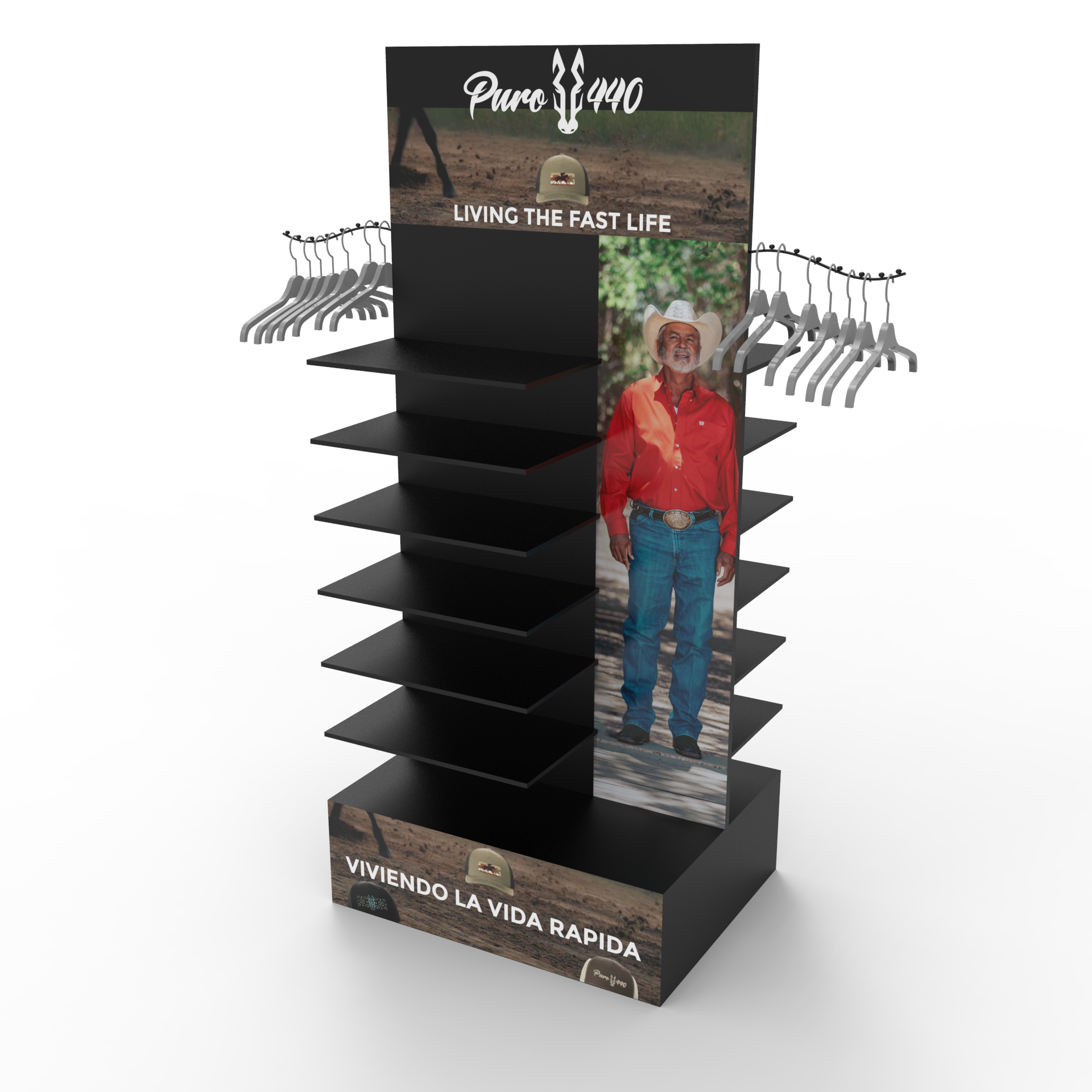
The retail landscape continues to evolve at an unprecedented pace, with consumer expectations driving innovation in how brands present their products. Modern retail display strategies have become crucial differentiators in capturing attention, influencing purchasing decisions, and creating memorable shopping experiences that build lasting customer relationships.
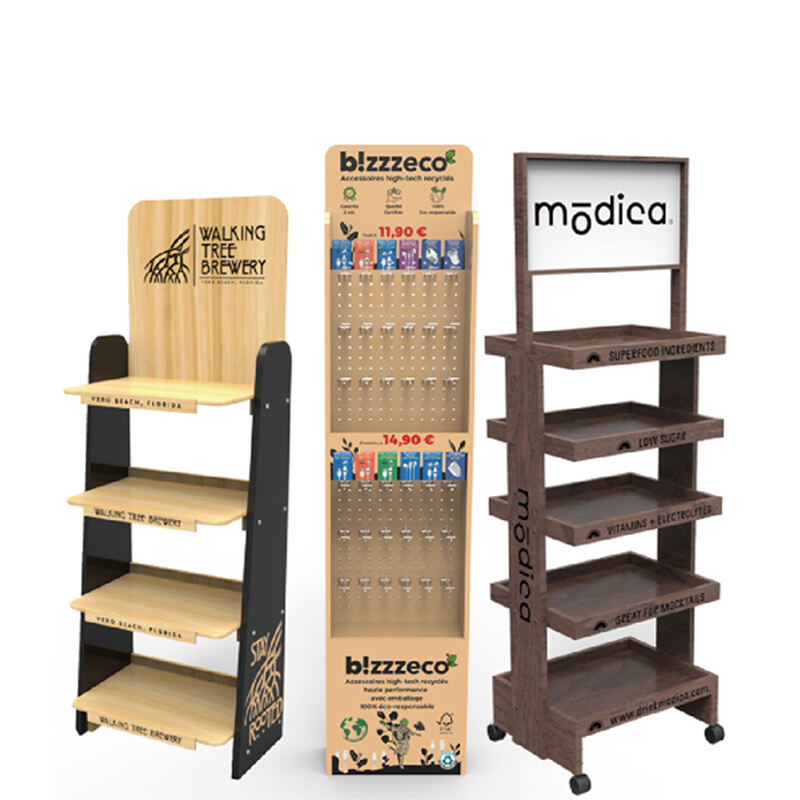
This year presents unique opportunities for retailers to leverage emerging trends that blend physical and digital experiences while addressing sustainability concerns and personalization demands. Understanding these ten pivotal retail display trends will help brands stay competitive and create engaging environments that resonate with today's conscious consumers.
Sustainable and Eco-Friendly Display Solutions
Recycled Material Integration
Retail display manufacturers are increasingly incorporating recycled materials into their designs, responding to growing environmental consciousness among consumers. Wood displays crafted from reclaimed timber, recycled plastic components, and repurposed metal fixtures are becoming standard offerings rather than specialty items.
Brands are discovering that sustainable retail display options not only reduce environmental impact but also communicate corporate values effectively. Customers increasingly associate eco-friendly displays with brand authenticity, creating positive emotional connections that translate into increased loyalty and purchasing intent.
Biodegradable Display Components
The shift toward biodegradable materials represents a significant evolution in retail display manufacturing. Cardboard displays enhanced with water-resistant coatings, bamboo fixtures, and plant-based plastics are gaining traction across various retail sectors, from fashion to electronics.
These biodegradable retail display solutions offer temporary and permanent installation options while maintaining durability and aesthetic appeal. Retailers appreciate the cost-effectiveness and positive brand messaging associated with environmentally responsible display choices.
Technology-Enhanced Interactive Displays
Augmented Reality Integration
Augmented reality technology is revolutionizing how customers interact with retail display environments. Smart mirrors, interactive screens, and AR-enabled product demonstrations allow shoppers to visualize products in different contexts, try virtual samples, and access detailed product information seamlessly.
Modern retail display systems incorporating AR capabilities provide immersive experiences that bridge online and offline shopping behaviors. These interactive elements increase dwell time, enhance product understanding, and create memorable brand experiences that drive conversion rates significantly.
Smart Sensor Technology
Motion sensors, proximity detectors, and touch-responsive elements are transforming traditional retail display concepts into intelligent marketing tools. These technologies enable displays to respond to customer presence, providing personalized content, product recommendations, and real-time inventory updates.
Retailers implementing smart sensor technology in their retail display strategies report improved customer engagement metrics and valuable data collection opportunities. The technology provides insights into customer behavior patterns, popular product interactions, and optimal display positioning.
Modular and Adaptable Display Systems
Flexible Configuration Options
Modular retail display systems offer unprecedented flexibility for brands managing seasonal changes, product launches, and varying inventory levels. These adaptable solutions feature interchangeable components, adjustable shelving, and reconfigurable layouts that accommodate different product categories and display requirements.
The versatility of modular systems reduces long-term costs while maximizing display effectiveness across different retail environments. Brands can modify their retail display configurations quickly without requiring complete replacements or extensive installation procedures.
Quick-Change Display Elements
Quick-change mechanisms allow retail staff to update display content, swap promotional materials, and refresh product presentations efficiently. Magnetic attachment systems, snap-in components, and tool-free assembly options streamline display maintenance and reduce operational costs.
These innovative retail display features enable brands to respond rapidly to market trends, promotional opportunities, and inventory fluctuations. The ability to make quick changes maintains display freshness and relevance throughout different selling seasons.
Personalized and Data-Driven Displays
Customer Behavior Analytics
Advanced analytics platforms are enabling retailers to optimize their retail display strategies based on real customer behavior data. Heat mapping technology, customer journey tracking, and interaction analytics provide actionable insights for improving display placement and product positioning.
Data-driven retail display optimization leads to measurable improvements in conversion rates, customer satisfaction, and sales performance. Retailers can identify which display elements generate the most engagement and adjust their strategies accordingly to maximize return on investment.
Dynamic Content Personalization
Digital screens integrated into retail display systems can deliver personalized content based on customer demographics, purchase history, and real-time behavioral indicators. This targeted approach increases relevance and engagement while reducing information overload.
Personalized retail display experiences create stronger emotional connections between customers and brands. The technology enables retailers to present the most relevant products, offers, and information to each individual shopper, improving overall satisfaction and purchase likelihood.
Multi-Sensory Experience Design
Tactile and Textural Elements
Modern retail display design increasingly incorporates tactile experiences that encourage customer interaction and product exploration. Textured surfaces, interactive materials, and hands-on demonstration areas create engaging environments that stimulate multiple senses simultaneously.
Tactile retail display elements help differentiate products and create memorable brand experiences. Customers who can touch, feel, and interact with products through well-designed displays demonstrate higher purchase intent and brand recall compared to traditional visual-only presentations.
Ambient Atmosphere Integration
Sound, lighting, and scent integration within retail display environments creates immersive atmospheric experiences that influence customer emotions and purchasing decisions. Carefully orchestrated sensory elements support brand messaging and enhance product appeal through subconscious psychological triggers.
These multi-sensory retail display approaches create distinctive shopping experiences that customers remember and share with others. The atmospheric elements help establish emotional connections that extend beyond individual transactions to build long-term brand relationships.
FAQ
How do sustainable retail display materials compare in cost to traditional options?
Sustainable retail display materials typically involve higher upfront costs but provide long-term value through improved brand perception, customer loyalty, and potential cost savings from reusable or recyclable components. Many retailers find that the marketing benefits and positive customer response justify the initial investment, especially when considering the total cost of ownership over multiple display cycles.
What technology requirements are needed for interactive retail displays?
Interactive retail display systems require reliable internet connectivity, appropriate power infrastructure, and compatibility with existing point-of-sale systems. Most modern solutions are designed for easy integration with standard retail technology stacks, but retailers should consider ongoing maintenance, software updates, and staff training requirements when implementing interactive display technology.
How quickly can modular retail displays be reconfigured for different products?
Well-designed modular retail display systems can typically be reconfigured within 15-30 minutes by trained staff, depending on the complexity of the changes required. Simple adjustments like shelf repositioning or signage updates can be completed in just a few minutes, while complete layout changes might require 30-60 minutes. The key advantage is that these changes can be made without special tools or professional installation services.
What metrics should retailers track to measure display effectiveness?
Effective retail display measurement should include conversion rates, dwell time, product interaction frequency, customer engagement levels, and sales per square foot. Advanced analytics can also track customer journey patterns, heat map data showing most-viewed areas, and comparison metrics between different display configurations. These measurements help optimize display performance and demonstrate return on investment for display initiatives.
Table of Contents
- Sustainable and Eco-Friendly Display Solutions
- Technology-Enhanced Interactive Displays
- Modular and Adaptable Display Systems
- Personalized and Data-Driven Displays
- Multi-Sensory Experience Design
-
FAQ
- How do sustainable retail display materials compare in cost to traditional options?
- What technology requirements are needed for interactive retail displays?
- How quickly can modular retail displays be reconfigured for different products?
- What metrics should retailers track to measure display effectiveness?