EN
EN

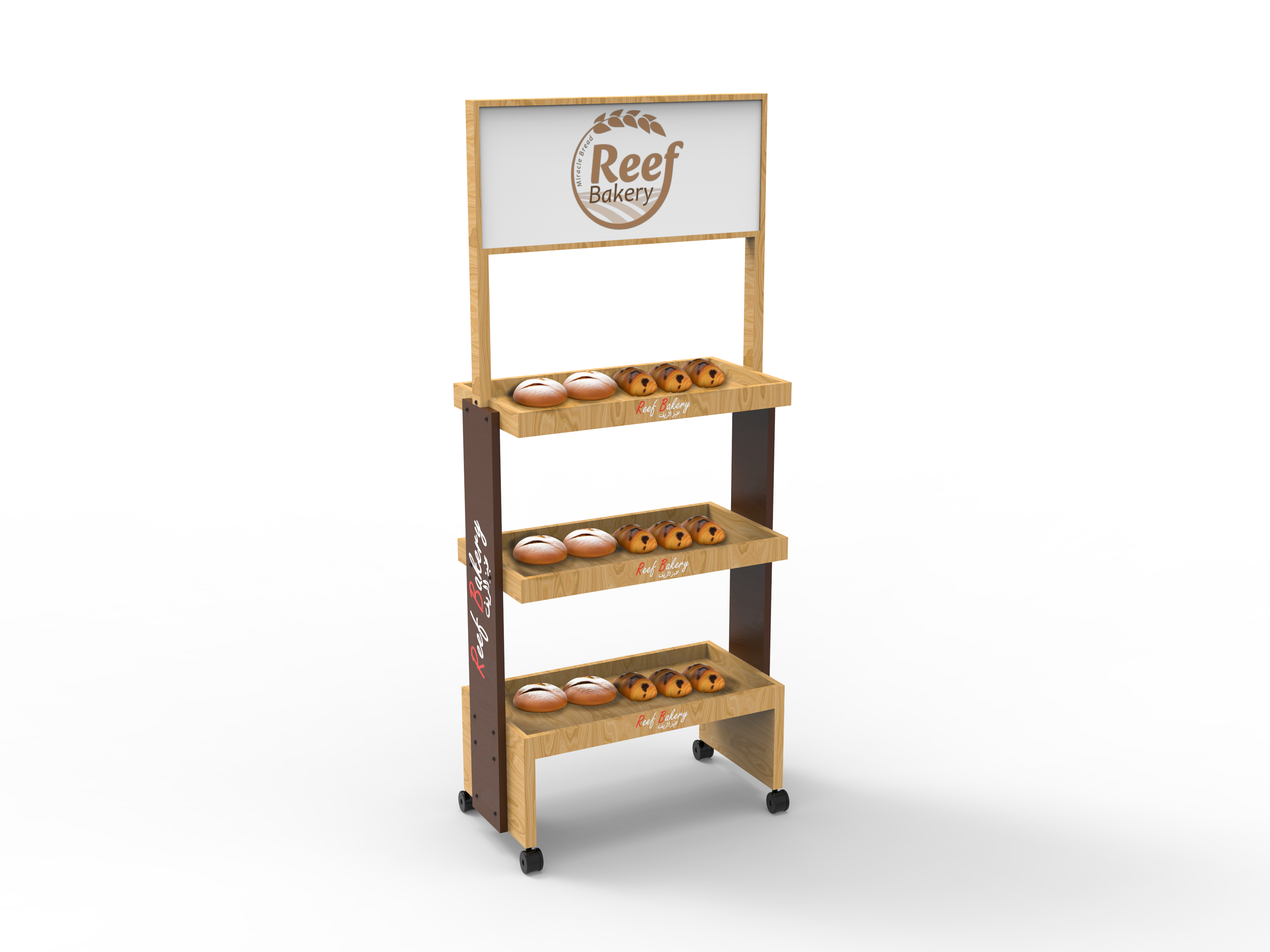
Selecting the right display stand for your store is one of the most practical decisions a retailer can make. The right display stand influences how customers move through your space, which products they notice first, and ultimately how much they purchase. A poor choice can result in cluttered aisles, overlooked merchandise, and a weakened brand image. Understanding what to look for before investing in a display stand will save time, money, and floor space.
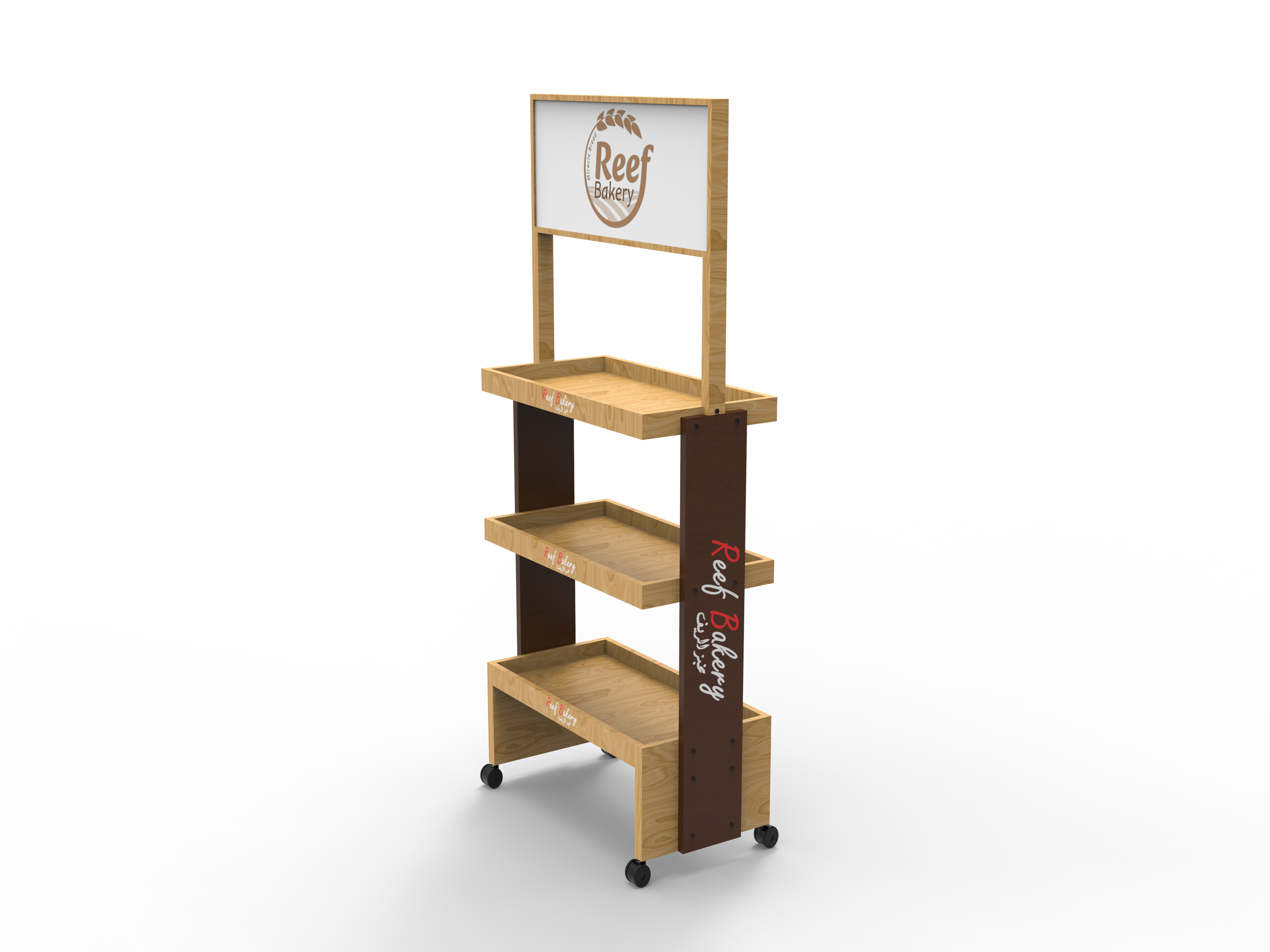
Every display stand serves a specific purpose, and matching that purpose to your store environment is essential. Whether you operate a supermarket, a boutique, or a point-of-sale retail outlet, the display stand you choose must align with your product type, store layout, and customer behavior. This guide walks through the key selection factors to help you make a confident, well-informed choice.
Understanding Your Store Environment and Product Type
Matching the Display Stand to Your Store Layout
Before selecting any display stand, take a close look at your available floor space. A large-format floor display stand works well in wide-aisle supermarkets and warehouse-style retail outlets where customers expect bulk or promotional items. In contrast, a compact display stand is better suited for boutique stores or high-traffic checkout zones where every square foot matters. Measuring your available footprint and identifying high-visibility zones will help you narrow down the size and format of the display stand you need.
Store layout also determines traffic flow. A display stand placed near the entrance creates a strong first impression and can drive impulse purchases. A display stand positioned at the end of an aisle, often called an endcap display stand, captures shoppers transitioning between product categories. Understanding your customer journey within the store is a foundational step before committing to any display stand format.
Aligning the Display Stand with Your Product Category
Different products require different structural support from a display stand. Heavier items such as tools, hardware, or packaged goods need a robust metal display stand with reinforced shelving. Lighter merchandise like accessories, packaging, or promotional items may work well on a pegboard-style display stand, which offers flexibility and easy hook configuration. Always consider the weight capacity, hook spacing, and shelf depth of a display stand before making a final decision.
A display stand designed for point-of-sale environments should also accommodate easy restocking. If your team needs to refill products frequently, a display stand with accessible shelving and open-back construction will reduce labor time. Choosing a display stand that fits your operational workflow is just as important as its visual appeal.
Evaluating Materials, Durability, and Customization
Choosing the Right Material for Your Display Stand
The material of a display stand directly affects its durability, appearance, and suitability for different retail environments. Metal display stands, particularly those made from powder-coated steel or wire mesh, offer excellent strength and a clean industrial aesthetic. They are the preferred choice for supermarkets and high-volume retail stores where the display stand must withstand daily wear and constant restocking. A well-built metal display stand also resists corrosion and maintains its structural integrity over years of use.
For stores that prioritize a premium or lifestyle-oriented look, a display stand combining metal frames with acrylic or wood inserts can elevate the presentation. The key is to match the display stand material to your brand image. A display stand that looks out of place in your store environment can undermine the very merchandise it is meant to highlight.
Custom vs. Standard Display Stand Options
Many retailers face the choice between a standard off-the-shelf display stand and a fully customized display stand. Standard display stand models are cost-effective and readily available, making them suitable for stores that need a quick solution. However, a customized display stand allows you to specify dimensions, branding, color, and configuration to match your exact retail environment and product mix.
Customization is especially valuable when you want to integrate a display stand into a broader visual merchandising strategy. A branded display stand bearing your store colors or logo reinforces brand recognition at every point of customer interaction. When evaluating a custom display stand, always request material samples and load-test data before placing a full order.
Practical Placement and Long-Term Return on Investment
Strategic Placement of the Display Stand in Your Store
The location of a display stand within the store is as critical as the stand itself. A display stand placed in a dead-corner or low-traffic area will generate minimal sales lift regardless of its quality. High-converting placements for a display stand include checkout counters, store entrances, and promotional endcaps. These zones naturally attract customer attention and encourage unplanned purchases.
When deploying a display stand at the point of sale, make sure it does not obstruct customer movement or create bottlenecks. A well-positioned display stand enhances the shopping experience without causing frustration. Test different positions with a floor plan sketch before physically installing the display stand to avoid repeated repositioning.
Calculating the Value of a Quality Display Stand Investment
A quality display stand is a long-term retail asset, not a one-time expense. A durable display stand that maintains its appearance and structural integrity over multiple product cycles reduces replacement costs and rebranding expenses. Calculate the total cost of ownership by factoring in the display stand price, installation cost, maintenance requirements, and expected product lift.
Retailers who invest in the right display stand often report measurable improvements in product visibility and per-unit sales for items featured on the display stand. When a display stand is properly sized, correctly positioned, and stocked with well-priced merchandise, it becomes one of the most productive tools in the store. Treating the display stand as a strategic retail investment rather than a commodity purchase will change how you evaluate options and budgets.
FAQ
What type of display stand is best for a supermarket environment?
A metal floor display stand with pegboard or wire mesh construction is typically the best choice for supermarkets. This type of display stand offers high load capacity, easy reconfiguration, and a clean visual presentation that suits high-traffic retail settings.
How do I know if a display stand will fit my store layout?
Measure your available floor area and map out high-traffic zones before selecting a display stand. A display stand should fit comfortably within your layout without blocking aisles or creating congestion. Always verify the dimensions of the display stand against your floor plan before ordering.
Is a custom display stand worth the extra cost?
For stores with a strong brand identity or unique product mix, a custom display stand often delivers a better return than a generic option. A custom display stand can be tailored to your exact dimensions, branding, and product categories, making it a more effective and cohesive retail asset over time.