EN
EN


The retail environment is fiercely competitive, and product visibility directly influences purchasing decisions. A strategically designed display stand can transform how customers perceive and interact with merchandise, ultimately driving significant sales growth. Whether you operate a supermarket, convenience store, or specialty retail location, the right display stand elevates your products from shelves into powerful sales engines. Understanding how to leverage display stand technology and design principles is essential for any retailer seeking measurable revenue increases.
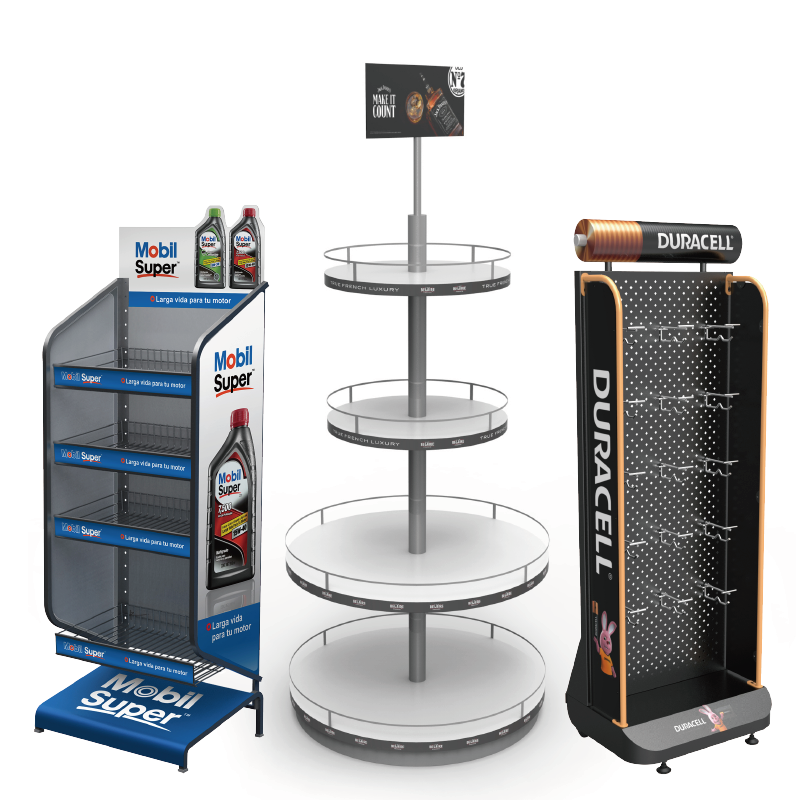
Modern retail success depends on capturing customer attention at critical decision moments. A well-positioned display stand serves as a physical marketing tool that combines product accessibility with visual appeal. This article explores how display stand solutions deliver tangible sales improvements and provides actionable guidance for selecting and implementing displays that resonate with your target customers and store layout.
How Display Stand Design Drives Customer Engagement
Strategic Placement and Visibility Impact
The location and visibility of a display stand dramatically affect product sales performance. When positioned at high-traffic zones such as store entrances, checkout areas, or aisle intersections, a display stand captures customer attention at moments when purchasing decisions are most fluid. Research in retail psychology shows that products featured on an effective display stand receive significantly higher engagement rates compared to standard shelf placement. The key is selecting a display stand location that aligns with customer flow patterns and natural sightlines throughout your retail space.
Every display stand communicates a visual hierarchy that guides customers toward featured products. Through color contrast, lighting integration, and dimensional design, a display stand creates focal points that interrupt typical shopping patterns and redirect attention. This interruption is intentional and valuable—it breaks habitual navigation routes and prompts customers to consider products they might otherwise overlook. A professional display stand effectively combines ergonomic accessibility with visual prominence, ensuring featured items are both easy to reach and impossible to ignore.
Psychological Factors Behind Display Stand Effectiveness
Consumer psychology reveals that product presentation influences purchase behavior at subconscious levels. A display stand that appears organized, premium, and thoughtfully arranged triggers perceptions of quality and value. Conversely, a cluttered or poorly maintained display stand damages brand perception and reduces conversion likelihood. The display stand becomes an extension of your brand identity, communicating professionalism and attention to customer experience. When your display stand reflects care and intentional curation, customers respond with increased trust and higher purchase frequency.
Customers also respond favorably to display stand arrangements that suggest scarcity or exclusivity. Limited quantities featured on an eye-catching display stand create urgency, motivating faster purchasing decisions. A display stand that highlights promotions, new arrivals, or seasonal products leverages these psychological drivers effectively. The combination of visual appeal and perceived exclusivity makes a strategically designed display stand one of the highest-return investments in retail marketing infrastructure.
Optimizing Product Visibility Through Display Stand Implementation
Choosing the Right Display Stand Format for Your Products
Different product categories demand different display stand approaches. Smaller items like cosmetics, electronics accessories, or packaged goods benefit from tiered display stand designs that maximize vertical space and showcase multiple SKUs simultaneously. Larger products such as tools, appliances, or premium goods require sturdier display stand structures that provide stability while maintaining visual interest. A display stand designed for beverage promotion differs fundamentally from one optimized for fashion or home goods. Selecting the appropriate display stand format ensures your featured products receive maximum visibility while maintaining structural integrity and safety standards.
The material composition of your display stand also affects sales performance. Metal-frame display stand solutions provide durability and professional appearance suitable for high-traffic retail environments. Wooden display stand designs create warmth and premium positioning for artisanal or luxury products. Clear acrylic display stand construction works well for cosmetics and jewelry, allowing customers to view products from multiple angles. Your choice of display stand material should reflect both product category requirements and your store's overall aesthetic positioning to create cohesive brand messaging.
Space Efficiency and Merchandising Strategy
Smart retailers recognize that valuable floor space dedicated to a display stand must generate sufficient revenue to justify its footprint. A high-performing display stand should feature 15 to 30 SKUs depending on product size and format, creating perceived abundance without visual chaos. The display stand layout should follow merchandising principles such as cross-category bundling, price-point segmentation, and complementary product pairing. For example, a display stand featuring coffee accessories placed near the beverage aisle captures customers already predisposed to coffee purchases, driving incremental attachment sales alongside the featured display stand products.
Seasonal rotation of display stand content maintains customer interest and encourages repeat visits. A display stand that refreshes monthly with new products, colors, or arrangements becomes a reason for regular customers to revisit and discover innovations. This rotation also allows you to test new products through display stand positioning before committing to full shelf integration. By treating your display stand as a dynamic testing ground and sales driver, you maximize its value throughout the year and maintain momentum in revenue growth.
Measuring Sales Impact and Optimizing Display Stand Performance
Tracking Metrics That Matter for Display Stand Success
Quantifying the sales lift from a display stand requires systematic tracking of product-specific metrics. Monitor sales velocity of featured products before, during, and after display stand implementation to establish clear performance baselines. Compare per-unit sales of display stand-featured items against similar products without display stand promotion to isolate the impact. Track inventory turnover rates for products featured on your display stand—products that move faster demonstrate clear effectiveness. Additionally, measure customer interaction patterns using observational analysis or heat-mapping technology to understand how the display stand influences store traffic patterns and engagement duration.
Sales data analysis reveals which display stand positions, product combinations, and visual treatments drive optimal results for your specific customer base. A high-performing display stand typically increases featured product sales by 30 to 50 percent above baseline performance, with some premium or limited-availability products showing even higher lift. By analyzing this data systematically, you can refine your display stand strategy over time, learning which placements, product combinations, and merchandising techniques resonate most strongly with your customer demographic.
Continuous Optimization and Display Stand Maintenance
A display stand only delivers results when properly maintained and regularly refreshed. Dust, damage, or depleted inventory on your display stand signals neglect to customers and undermines its sales effectiveness. Implement daily visual audits of your display stand to ensure products are stocked, organized, and presented attractively. Train staff to treat display stand maintenance as a priority, recognizing that this infrastructure directly impacts revenue. A well-maintained display stand reflects organizational excellence and commands customer attention, while a neglected one becomes invisible background clutter.
Ongoing optimization means testing variations in display stand layout, product selection, and promotional messaging. A/B testing different display stand configurations allows you to identify which approaches maximize sales performance for your specific store environment. Some retailers find that display stand positioning near checkout generates the highest attachment sales, while others see stronger performance when integrated into category aisles. Regular analysis and willingness to experiment ensures your display stand continues delivering growth as customer preferences and market conditions evolve.
FAQ
How much sales increase can a display stand realistically deliver?
Most retailers experience sales increases of 30 to 50 percent for products featured on a strategically positioned display stand, with some seeing even higher lift for promotional or seasonal items. The actual increase depends on product category, store traffic patterns, display stand design quality, and merchandising execution. Premium products and limited-availability items often show stronger percentage gains than commodity goods. To maximize your display stand investment, focus on featured products with healthy profit margins and place the display stand in high-visibility, high-traffic zones within your store.
What makes a display stand effective in a competitive retail environment?
An effective display stand combines strategic placement, professional design, compelling product selection, and consistent maintenance. Your display stand must be visually distinct from regular shelf displays, positioned where customers naturally pause or make decisions, and stocked with products that solve customer problems or align with current trends. The display stand should communicate clear promotional messaging through signage and visual hierarchy. Regular inventory monitoring and seasonal content rotation keep your display stand fresh and relevant, ensuring continued customer attention and sales performance.
How often should display stand products and arrangements be refreshed?
Effective retailers refresh their display stand content monthly to maintain customer interest and test new products. Seasonal themes and promotional campaigns typically align with display stand updates every 6 to 8 weeks. However, even static displays benefit from daily maintenance to ensure visual appeal and proper stocking. If you notice a particular display stand product consistently underperforming after 2 to 3 weeks, swap it for a different SKU to optimize revenue. This iterative approach treats your display stand as a dynamic sales tool rather than permanent infrastructure, maximizing its return throughout the year.