EN
EN

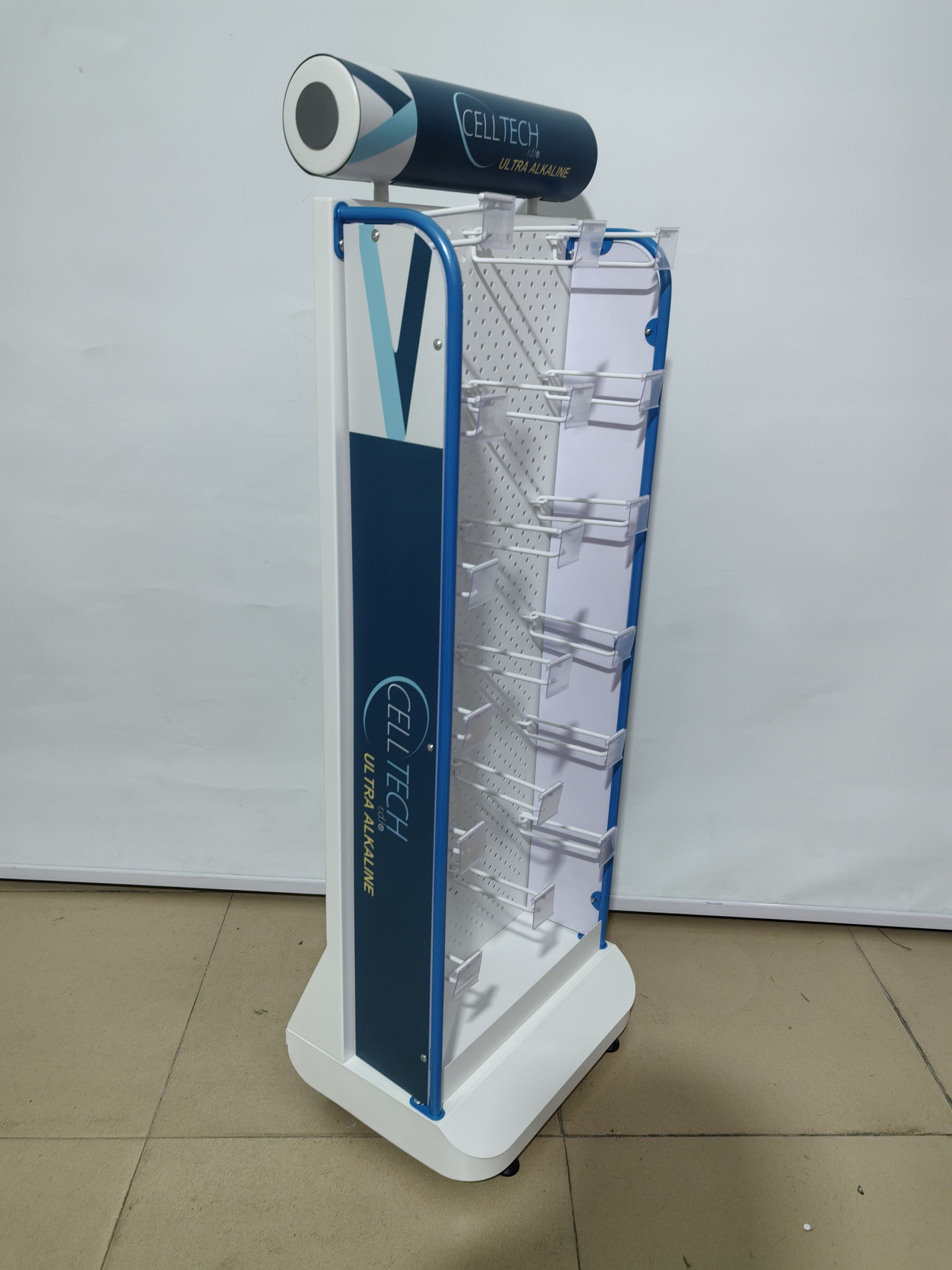
The journey of transforming a conceptual vision into a tangible custom display represents one of the most intricate processes in retail marketing and brand presentation. This comprehensive transformation involves multiple stages of design development, material selection, manufacturing coordination, and quality control that collectively determine the success of the final product. Understanding this process becomes essential for businesses seeking to create impactful visual merchandising solutions that accurately represent their brand identity and effectively engage their target audience.
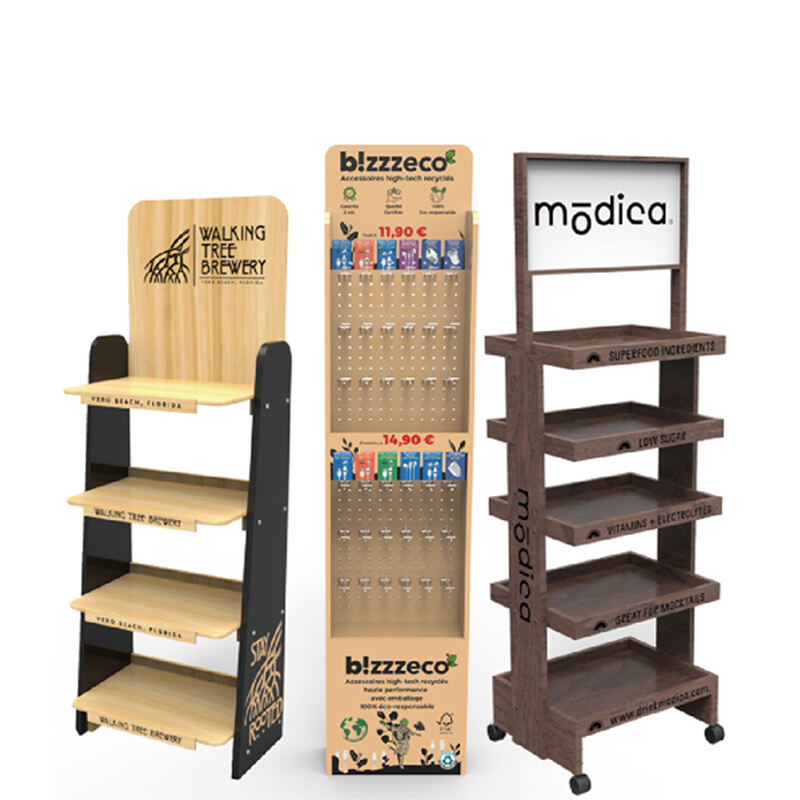
The creation of a custom display requires careful orchestration of creative vision, technical expertise, and manufacturing precision to deliver a solution that meets specific functional and aesthetic requirements. From initial conceptualization through final installation, each phase of the custom display development process involves critical decisions that influence the durability, visual impact, and commercial effectiveness of the finished product. This systematic approach ensures that the final custom display not only captures the intended design vision but also performs reliably in demanding retail environments while supporting broader marketing objectives.
Initial Concept Development and Design Vision
Strategic Planning and Objective Definition
The foundation of any successful custom display project begins with comprehensive strategic planning that clearly defines the intended objectives, target audience, and desired outcomes. This initial phase requires thorough analysis of brand positioning, product characteristics, and retail environment constraints to establish realistic parameters for the custom display development. Strategic planning sessions typically involve stakeholders from marketing, merchandising, and operations teams to ensure alignment between creative vision and practical implementation requirements.
During this strategic planning phase, businesses must carefully evaluate their budget allocation, timeline expectations, and performance metrics that will be used to measure the success of the custom display. These fundamental decisions directly influence subsequent design choices, material selection, and manufacturing approaches throughout the development process. Effective strategic planning also incorporates analysis of competitive positioning and market trends to ensure the custom display delivers differentiation and competitive advantage in the retail environment.
Creative Conceptualization and Visual Identity
The creative conceptualization phase transforms strategic objectives into tangible visual concepts that serve as the foundation for detailed design development. This process involves extensive collaboration between brand managers, design professionals, and marketing specialists to develop creative themes that effectively communicate brand values while appealing to target consumer demographics. Creative conceptualization requires careful balance between innovative design elements and proven retail merchandising principles to maximize both aesthetic impact and commercial effectiveness.
Visual identity development for custom display projects must consider brand consistency requirements, color psychology principles, and spatial relationships within the intended retail environment. This comprehensive approach ensures that the final custom display seamlessly integrates with existing brand presentation while creating sufficient visual distinction to capture consumer attention. The creative conceptualization phase typically produces multiple design alternatives that are evaluated against strategic objectives and practical implementation constraints before proceeding to detailed design development.
Technical Design and Engineering Specifications
Structural Design and Load Requirements
The transition from creative concept to technical specifications requires detailed structural analysis to ensure the custom display can safely support intended product loads while maintaining stability throughout its operational lifespan. Structural design considerations encompass weight distribution calculations, material stress analysis, and connection point specifications that collectively determine the overall integrity of the finished custom display. This engineering phase must account for dynamic loading conditions, environmental factors, and safety regulations that govern retail display installations.
Professional structural analysis typically involves computer-aided design modeling and finite element analysis to validate load-bearing capacity and identify potential stress concentration points. These technical evaluations help optimize material usage while ensuring adequate safety margins for the intended application. The structural design phase also establishes assembly procedures, transportation requirements, and installation protocols that influence subsequent manufacturing and deployment phases of the custom display development process.
Material Selection and Specification Development
Material selection represents a critical decision point that significantly influences the durability, appearance, and cost-effectiveness of the custom display throughout its operational lifespan. This selection process requires comprehensive evaluation of material properties including strength characteristics, environmental resistance, aesthetic qualities, and manufacturing compatibility. Material specifications must also consider maintenance requirements, replacement availability, and end-of-life disposal considerations that affect long-term ownership costs.
The specification development process involves detailed documentation of material grades, finish requirements, joining methods, and quality standards that guide manufacturing operations. These specifications serve as the contractual foundation for supplier relationships and quality control procedures throughout the production process. Careful attention to specification detail helps prevent costly modifications during manufacturing while ensuring the finished custom display meets all performance and aesthetic requirements established during the design phase.
Manufacturing Coordination and Production Management
Supplier Selection and Quality Assurance
The manufacturing phase of custom display development requires careful supplier evaluation and selection based on technical capabilities, quality systems, and production capacity. This selection process involves comprehensive assessment of manufacturing facilities, equipment capabilities, workforce expertise, and quality management systems to ensure compatibility with project requirements. Supplier qualification typically includes facility audits, capability demonstrations, and reference evaluations that validate the ability to deliver custom display components meeting specified requirements.
Quality assurance protocols must be established before production begins to ensure consistent manufacturing quality throughout the custom display fabrication process. These protocols include incoming material inspection procedures, in-process quality checkpoints, and final inspection criteria that collectively ensure compliance with design specifications. Effective quality assurance systems also incorporate corrective action procedures and continuous improvement processes that enhance manufacturing reliability while reducing production risks.
Production Scheduling and Project Management
Successful custom display manufacturing requires sophisticated project management coordination to synchronize material procurement, fabrication sequences, and assembly operations within established timeline parameters. Production scheduling must account for material lead times, manufacturing capacity constraints, and quality control requirements while maintaining flexibility to accommodate design modifications or specification changes. Effective project management involves regular communication between design teams, manufacturing personnel, and project stakeholders to ensure alignment throughout the production process.
Risk management during the manufacturing phase includes contingency planning for potential supply chain disruptions, quality issues, or timeline complications that could impact custom display delivery schedules. Proactive project management helps identify potential challenges early in the production process when corrective actions can be implemented with minimal impact on overall project timelines. This systematic approach to production coordination ensures reliable delivery of custom display solutions that meet established quality and performance standards.
Assembly, Installation, and Performance Validation
Pre-Installation Testing and Verification
Before deployment in the retail environment, custom display units undergo comprehensive testing and verification procedures to confirm compliance with design specifications and performance requirements. This testing phase includes structural load verification, dimensional accuracy checks, finish quality assessment, and functional operation validation. Pre-installation testing helps identify any manufacturing discrepancies or assembly issues that require correction before the custom display is installed in its intended location.
Performance validation testing typically involves simulation of actual operating conditions including product loading scenarios, environmental exposure conditions, and maintenance access requirements. These comprehensive evaluations ensure the custom display will perform reliably throughout its intended operational lifespan while maintaining aesthetic appeal and structural integrity. Documentation of testing results provides valuable feedback for design optimization and manufacturing process improvement in future custom display projects.
Installation Coordination and Site Integration
The installation phase requires careful coordination with retail facility management, construction personnel, and merchandising teams to ensure seamless integration of the custom display into the existing retail environment. Installation planning must account for facility access restrictions, operational scheduling constraints, and potential impacts on ongoing retail operations. Professional installation teams typically conduct site surveys and develop detailed installation procedures that minimize disruption while ensuring proper custom display placement and anchoring.
Site integration considerations include electrical connections, lighting coordination, and merchandise placement protocols that optimize the visual impact and functional effectiveness of the custom display. Post-installation verification includes comprehensive inspection of all connections, alignment checks, and operational testing to confirm proper function. Final documentation typically includes maintenance procedures, warranty information, and contact details for ongoing support services that ensure continued performance of the custom display installation.
FAQ
How long does the typical custom display development process take from concept to installation?
The complete custom display development timeline typically ranges from 8 to 16 weeks depending on project complexity, material requirements, and manufacturing schedules. Simple custom display projects with standard materials and straightforward designs may be completed in 6 to 8 weeks, while complex installations requiring specialized materials, intricate fabrication, or extensive engineering may require 12 to 20 weeks. Timeline factors include design development duration, material procurement lead times, manufacturing capacity, quality control procedures, and installation scheduling coordination.
What factors most significantly influence the cost of custom display development?
Material selection, manufacturing complexity, and production quantity represent the primary cost drivers in custom display development projects. Premium materials such as solid hardwoods, specialized metals, or custom finishes significantly increase material costs while complex fabrication requirements involving precision machining, specialized joints, or intricate assembly procedures elevate manufacturing expenses. Design complexity, structural requirements, and quality specifications also influence development costs through their impact on engineering time, tooling requirements, and quality control procedures.
How can businesses ensure their custom display meets brand consistency requirements?
Brand consistency in custom display development requires comprehensive documentation of brand guidelines including color specifications, typography requirements, logo usage standards, and material preferences that guide design decisions throughout the development process. Regular design reviews with brand management stakeholders help ensure alignment with established brand identity while design prototyping and material samples provide opportunities to validate aesthetic compatibility before full production. Professional design teams experienced in retail branding can help translate brand guidelines into effective custom display solutions that maintain consistency while maximizing visual impact.
What maintenance considerations should be incorporated during custom display design?
Effective custom display design incorporates accessibility features that facilitate routine cleaning, component replacement, and structural maintenance throughout the operational lifespan. Material selection should prioritize durability and cleanability while connection methods should allow for disassembly when component replacement becomes necessary. Design documentation should include maintenance schedules, recommended cleaning procedures, replacement part specifications, and service contact information that support long-term performance and appearance retention of the custom display installation.
Table of Contents
- Initial Concept Development and Design Vision
- Technical Design and Engineering Specifications
- Manufacturing Coordination and Production Management
- Assembly, Installation, and Performance Validation
-
FAQ
- How long does the typical custom display development process take from concept to installation?
- What factors most significantly influence the cost of custom display development?
- How can businesses ensure their custom display meets brand consistency requirements?
- What maintenance considerations should be incorporated during custom display design?