EN
EN

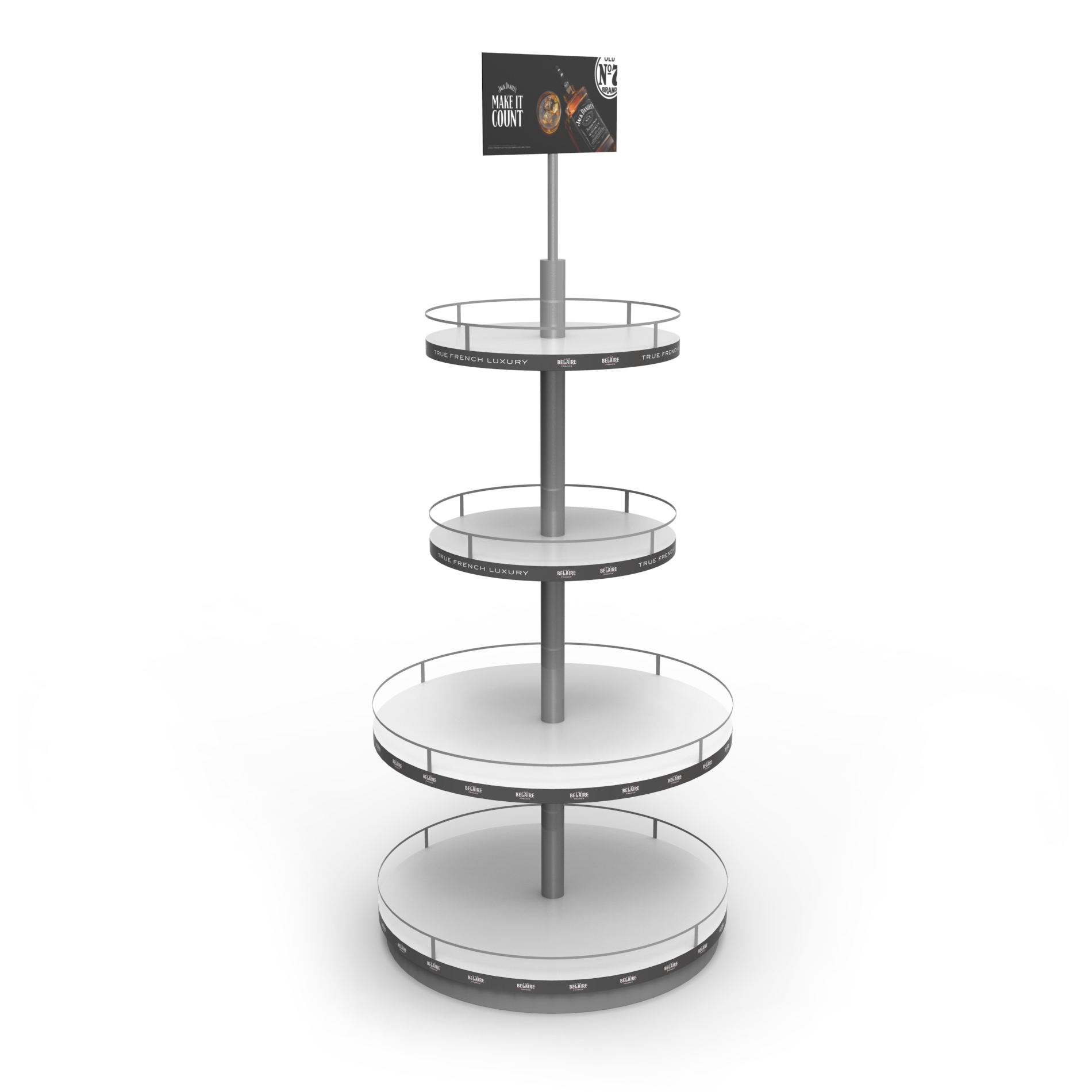
Choosing between a metal display stand and wood shelving is one of the most important decisions retail managers and business owners face when setting up their sales environment. The right choice directly affects your product visibility, store aesthetics, customer experience, and long-term operational costs. A metal display stand offers distinct advantages in durability, hygiene, and modern appearance, while wood provides warmth, traditional appeal, and specific design flexibility. Understanding the practical differences between these two options helps you align your choice with your retail strategy, product type, and budget constraints.

A metal display stand has become the preferred solution in high-traffic retail environments, supermarkets, and commercial spaces where performance and maintenance efficiency matter most. The debate between metal display stand systems and traditional wood shelving reflects deeper industry shifts toward functionality, hygiene standards, and aesthetic modernization. This guide explores the critical factors that determine whether a metal display stand or wood shelving best serves your retail operation.
Durability and Longevity Comparison
Metal Display Stand Performance Over Time
A metal display stand is engineered to withstand years of heavy use in demanding retail environments without significant degradation. The structural integrity of metal frames means they resist warping, bending, and collapse even under sustained weight from products and constant customer interaction. Unlike wood, which absorbs moisture and deteriorates over time, a properly finished metal display stand maintains its load-bearing capacity and appearance across decades of operation. The galvanized or powder-coated finish on quality metal display stand products protects against rust and corrosion, ensuring the shelf system remains stable and visually appealing throughout its lifecycle.
Wood Shelving Durability Limitations
Wood shelving faces natural degradation challenges that a metal display stand simply does not encounter. Moisture absorption causes wood to swell, warp, and eventually crack, particularly in grocery stores, restaurants, or any environment with temperature and humidity fluctuations. Wood surfaces scratch easily, splinter under impact, and require regular refinishing to maintain appearance. A metal display stand avoids these maintenance headaches entirely, making it the more cost-effective choice over extended timeframes despite potentially higher initial investment.
Hygiene, Maintenance, and Compliance Standards
Hygiene Advantages of Metal Display Stand Solutions
Food retailers and hygiene-sensitive industries strongly prefer a metal display stand because smooth metal surfaces are inherently easier to clean and sanitize than porous wood. A metal display stand can be wiped down with disinfectants, sprayed with food-safe cleaning solutions, and dried quickly without absorbing contaminants or harboring bacteria. Regulatory compliance in food service, pharmaceutical retail, and health-focused industries often mandates non-porous materials, making a metal display stand the only compliant choice. The ability to rapidly sanitize a metal display stand between product rotations or during health inspections represents a significant operational advantage that wood cannot match.
Wood's Maintenance and Compliance Challenges
Wood is porous, absorbs liquids, and retains bacteria even after cleaning, which violates strict hygiene codes in food and pharmaceutical settings. A metal display stand eliminates these compliance risks entirely. Wood shelves also accumulate dust, debris, and require more frequent and labor-intensive cleaning protocols. For retailers operating under FDA, USDA, or similar regulatory frameworks, choosing a metal display stand over wood is often not optional but mandatory for legal operation.
Aesthetic Appeal and Retail Environment Fit
Modern and Professional Appearance of Metal Display Stand Design
A metal display stand projects a contemporary, organized, and professional retail environment that appeals to modern consumers and builds brand confidence. The clean lines and industrial elegance of a metal display stand complement minimalist store designs, tech-forward aesthetics, and premium product positioning. Retailers selling electronics, cosmetics, beverages, or luxury goods often choose a metal display stand specifically because it enhances product perception and aligns with brand identity. The neutral metal finish allows product colors and packaging to stand out, whereas a metal display stand's uniform appearance creates visual consistency across the sales floor.
Wood Shelving's Traditional and Warm Aesthetic
Wood shelving conveys warmth, tradition, and natural appeal that resonates with boutique retailers, vintage-themed stores, and rustic brands. A metal display stand cannot replicate this emotional response, but neither does wood match the professional clarity and efficiency that a metal display stand delivers. Stores selling artisanal products, antiques, or specialty items may intentionally choose wood to reinforce brand narrative. However, even in these contexts, many retailers now combine wood aesthetic accents with a metal display stand core structure to balance tradition with operational efficiency.
Cost Analysis and Total Cost of Ownership
Initial Investment and Long-Term Value of Metal Display Stand
A metal display stand typically costs more upfront than basic wood shelving, but the total cost of ownership heavily favors metal when calculated across five to ten years of operation. A metal display stand requires minimal maintenance, no refinishing, no structural repairs, and no replacement due to warping or damage. The labor cost savings from reduced cleaning complexity and faster sanitization cycles add significant value to a metal display stand investment. Retailers replacing deteriorated wood shelves every three to five years incur hidden costs that a metal display stand eliminates through superior durability.
Wood Shelving's Hidden Replacement and Repair Costs
While wood shelving appears cheaper initially, cumulative maintenance, repairs, refinishing, and eventual replacement create substantial hidden expenses. Damaged wood shelves must be replaced entirely, whereas a metal display stand component can often be serviced or adjusted. A metal display stand purchased for long-term retail operations delivers better return on investment despite higher upfront pricing. Businesses comparing quote costs alone often overlook these operational realities, leading to poor purchasing decisions that cost significantly more over time.
Product Compatibility and Application Scenarios
Metal Display Stand Versatility Across Industries
A metal display stand performs exceptionally well for retail display across virtually every category: beverages, wine bottles, cosmetics, electronics, pharmaceuticals, and grocery items. The structural strength of a metal display stand handles heavy wine bottles, bulky electronics, or dense product packaging without deflection or risk of collapse. Temperature-stable metal means a metal display stand functions reliably in refrigerated sections, climate-controlled zones, or ambient retail environments. This universal compatibility makes a metal display stand the default choice for multi-category retailers and stores requiring standardized solutions.
Wood Shelving's Application Limitations
Wood shelving works best for lighter decorative items, specialty boutiques, and dry-environment retail spaces. Heavy product loads damage wood quickly, and temperature fluctuations in refrigerated sections cause rapid deterioration. A metal display stand outperforms wood in nearly every demanding scenario, limiting wood's practical role to specific aesthetic or specialty applications where performance demands are lower.
Environmental and Sustainability Considerations
Longevity as the Primary Sustainability Metric
From an environmental perspective, a metal display stand's decades-long lifespan significantly reduces waste compared to wood shelving requiring replacement every few years. Metal is infinitely recyclable with no degradation in quality, whereas wood typically becomes waste once damaged or outdated. When choosing between materials, a metal display stand's durability means fewer units manufactured, transported, and discarded over time, making it the environmentally responsible long-term choice despite wood's renewable origin.
FAQ
Is a metal display stand more expensive than wood shelving upfront?
Yes, a metal display stand typically costs more initially than basic wood alternatives. However, when calculating total cost of ownership across five to ten years, a metal display stand usually costs less because it requires minimal maintenance, no refinishing, and rarely needs replacement due to damage or deterioration. Wood's apparent cost savings disappear when accounting for repairs, refinishing, and eventual replacement cycles.
Can a metal display stand be customized to match my store aesthetic?
Absolutely. A metal display stand is available in various finishes, sizes, and configurations. Options include powder-coated colors, stainless steel for premium appearance, black or chrome finishes, and custom dimensions tailored to your space. Many retailers order a metal display stand specifically designed for their brand identity and store layout, proving that a metal display stand offers aesthetic flexibility alongside performance benefits.
Which material is better for food and beverage retail specifically?
A metal display stand is the clear choice for food and beverage retail. Regulatory compliance, hygiene requirements, and sanitization protocols mandate smooth, non-porous surfaces. A metal display stand can be sanitized between shifts and meets strict food safety codes, whereas wood is prohibited in many food retail contexts. If your operation involves any food products, a metal display stand is not just preferable but often legally required.