EN
EN

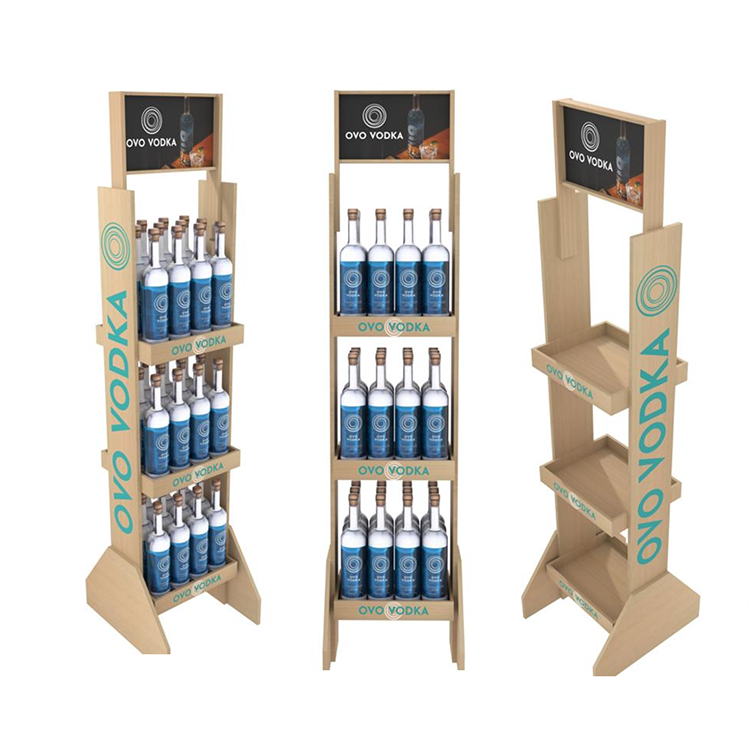
Choosing the right finish for your wood display is a critical decision that impacts both aesthetic appeal and long-term durability in retail environments. Whether you're outfitting a boutique, designing branded merchandising fixtures, or creating custom point-of-purchase installations, understanding the fundamental differences between staining and painting wood surfaces helps you make informed choices that align with your brand identity and operational requirements. The finish you select for your wood display will influence customer perception, maintenance demands, and the overall lifespan of your investment in retail infrastructure.
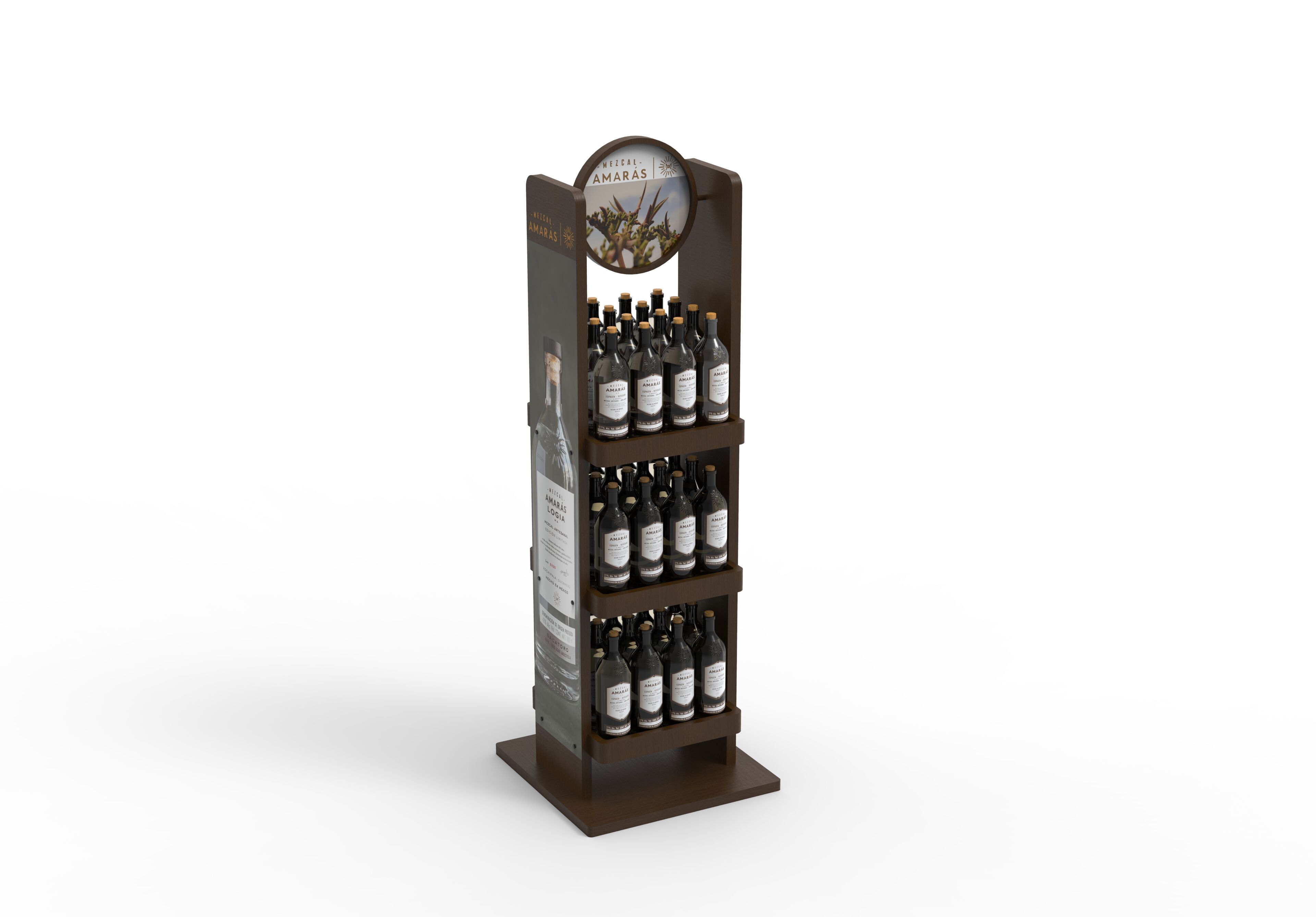
This comprehensive guide examines the practical, aesthetic, and functional considerations that differentiate staining from painting as finishing methods for commercial wood display fixtures. We'll explore how each approach affects the natural characteristics of wood, the visual outcomes you can expect, maintenance requirements over time, and the specific retail scenarios where one method proves superior to the other. By understanding these distinctions, you'll be equipped to select the finishing technique that best serves your merchandising objectives while protecting your investment in quality display infrastructure.
Understanding the Fundamental Nature of Staining and Painting
How Staining Interacts with Wood Display Surfaces
Staining represents a penetrative finishing approach that enhances the natural beauty of a wood display by soaking into the cellular structure of the material rather than sitting atop it. When you apply stain to wood surfaces, the pigmented solution absorbs into the pores and grain patterns, accentuating the organic character that makes each piece unique. This penetration means that the wood's texture remains visible and tactile, preserving the authentic feel that many brands associate with quality craftsmanship and natural materials. The staining process highlights variations in grain density, growth rings, and natural color shifts within the wood itself.
The chemical composition of wood stains typically includes colorants suspended in either oil-based or water-based carriers that facilitate penetration without forming a substantial surface film. This characteristic allows the wood display to retain its dimensional stability and breathe naturally, reducing the risk of finish failure due to wood movement caused by humidity fluctuations. Different wood species absorb stain at varying rates, meaning softwoods like pine may require pre-treatment with wood conditioner to prevent blotchy absorption, while hardwoods such as oak or maple accept stain more uniformly. Understanding these absorption dynamics is essential when finishing commercial display fixtures that must maintain consistent appearance across multiple units.
How Paint Creates a Protective Surface Layer
Painting fundamentally differs from staining because it creates an opaque coating that sits on top of the wood display surface rather than penetrating into it. This surface film consists of binders, pigments, and additives that cure to form a continuous protective barrier shielding the underlying wood from moisture, UV radiation, and physical wear. Paint effectively conceals the natural grain pattern and color variations of wood, replacing them with a uniform color field that can match precise brand specifications or interior design schemes. This capability makes painting particularly valuable when color consistency across multiple display units is paramount.
The paint film thickness provides superior protection against surface damage compared to stain, creating a resilient barrier that resists scratches, scuffs, and minor impacts common in high-traffic retail environments. Modern paint formulations designed for commercial wood applications offer excellent adhesion, flexibility to accommodate wood movement, and resistance to yellowing under fluorescent lighting. However, this protective layer also means that any damage to the paint surface becomes immediately visible as chips or scratches that expose the contrasting wood substrate beneath, requiring touch-up maintenance to preserve appearance. The choice of paint sheen—from matte to high-gloss—further influences both the visual impact and practical performance of your finished wood display.
Aesthetic Considerations for Retail Display Applications
Achieving Brand Identity Through Wood Display Finishes
The visual language of your wood display finish directly communicates brand values and positioning to customers navigating your retail environment. Stained wood displays convey authenticity, craftsmanship, and natural quality—attributes that resonate strongly with brands emphasizing sustainability, artisanal production, or heritage. The visible grain patterns and warm tones of stained wood create an inviting, organic atmosphere that softens the commercial environment and suggests product quality through material association. Luxury brands frequently select rich, dark stains like walnut or espresso to communicate premium positioning, while lifestyle brands may prefer lighter natural or honey tones that project approachability and transparency.
Painted wood display fixtures offer unlimited color possibilities, enabling precise alignment with corporate color palettes and seasonal merchandising themes. A painted finish allows retailers to create bold visual statements, incorporate trending colors quickly, or establish strong contrast that makes products stand out against the display background. White painted displays have become particularly popular in contemporary retail design for their ability to create clean, minimalist aesthetics that direct attention entirely to the merchandise while maintaining a sense of quality through substantial construction. The choice between revealing or concealing wood grain through your finishing method fundamentally shapes the emotional response customers experience when encountering your display fixtures.
Visual Consistency Across Multiple Display Units
Achieving uniform appearance across multiple wood display units presents different challenges depending on whether you choose staining or painting. Stained displays will naturally exhibit variation between pieces due to differences in wood grain density, growth characteristics, and absorption rates even when using identical stain formulations. This organic variation can enhance perceived authenticity and craftsmanship when managed intentionally, but it may create unwanted inconsistency if your brand requires precise visual uniformity across locations. Retailers deploying stained fixtures across multiple stores should expect subtle color and pattern variations that reflect the natural diversity of wood as a material.
Painted wood display solutions deliver significantly greater color consistency across production runs and installation sites when proper surface preparation and application protocols are followed. Modern industrial painting systems with controlled spray application and curing processes can produce hundreds of identical display units with minimal color variation, making paint the preferred choice for national retail chains requiring standardized appearance. However, achieving this consistency requires investment in quality materials and application expertise, as poor surface preparation or inadequate primer coverage will result in uneven color, visible wood grain patterns showing through the paint, or premature finish failure. The decision between embracing natural variation through staining or pursuing uniformity through painting should align with your brand's positioning and operational scale.
Durability and Maintenance Requirements
Long-Term Performance in Commercial Environments
The durability expectations for wood display fixtures in commercial settings differ substantially from residential furniture due to constant customer interaction, frequent product handling, and ongoing cleaning protocols. Painted surfaces generally provide superior resistance to moisture, staining from spills, and surface abrasion because the continuous film barrier prevents liquids and contaminants from reaching the wood substrate. This protective quality makes painted wood displays particularly suitable for food retail, cosmetics merchandising, or any application where product residue or cleaning chemicals may contact display surfaces regularly. The paint film's thickness and flexibility determine its ability to withstand repeated impacts without chipping or delaminating.
Stained wood display finishes require protective topcoats of polyurethane, lacquer, or conversion varnish to achieve commercial-grade durability, as stain alone provides color but minimal protection. The quality and type of topcoat applied over stain critically determines the long-term performance of the finished display. Water-based polyurethane topcoats offer excellent clarity that preserves the natural wood appearance while providing good resistance to wear, though they may require more frequent reapplication in high-traffic areas. Conversion varnish systems used in commercial casework provide exceptional durability and chemical resistance but require professional application equipment and expertise. Understanding that stain and topcoat function as a system rather than standalone finishes is essential when specifying wood display fixtures for demanding retail environments.
Maintenance and Restoration Considerations
The maintenance requirements for wood display fixtures vary significantly between stained and painted finishes, impacting both operational costs and appearance over time. Painted displays typically require only regular cleaning with mild detergents and periodic touch-up of localized damage using matching paint. However, when paint finishes do fail or become extensively worn, restoration often requires complete stripping and refinishing because partial repainting rarely blends seamlessly with aged paint. This characteristic means that severely damaged painted wood displays may need full refinishing or replacement rather than simple repair.
Stained wood display surfaces with quality topcoats can often be restored through localized sanding and topcoat reapplication without completely refinishing the entire piece. Minor scratches in stained finishes may be less visually apparent than paint chips because the underlying wood color more closely matches the finish color. Additionally, the entire surface can be lightly sanded and a fresh topcoat applied to refresh appearance without changing the base stain color, extending the useful life of the display fixture. This repairability advantage makes stained wood displays particularly cost-effective for retailers planning long-term use of display infrastructure. Regular maintenance for both finish types should include proper cleaning methods that preserve the finish integrity rather than degrading it through harsh chemicals or abrasive techniques.
Practical Application Scenarios and Decision Factors
Matching Finish Method to Display Function
The intended function and placement of your wood display within the retail environment should heavily influence the staining versus painting decision. Floor displays that experience high customer traffic, frequent product rotation, and potential cart impacts benefit from the robust protection of painted finishes, particularly when using commercial-grade paints formulated for horizontal surfaces. Wall-mounted wood displays or elevated fixtures that experience less physical contact can successfully utilize stained finishes that prioritize aesthetic appeal over maximum surface protection. Display fixtures intended to hold heavy products require structural integrity as the primary concern, with finish selection focusing on protecting joints and connection points from moisture intrusion that could compromise structural performance.
Product category also influences optimal wood display finishing choices. Displays for organic foods, natural cosmetics, or eco-friendly products often benefit from stained finishes that reinforce the natural product positioning through material authenticity. Conversely, technology products, fashion accessories, or contemporary home goods may be better served by painted displays offering crisp, modern aesthetics that complement product design language. The visual weight of the merchandise itself matters—delicate items may require neutral or recessive display finishes that don't compete for attention, while bold products can be enhanced by distinctive wood grain patterns revealed through staining. Analyzing the relationship between display finish and product presentation ensures your wood display fixtures enhance rather than detract from the merchandise they support.
Budget Implications and Production Considerations
Cost considerations extend beyond material prices to encompass labor, equipment, expertise, and long-term maintenance expenses. Staining wood displays generally requires less surface preparation than painting because minor imperfections and slight variations actually enhance the natural character rather than creating visible defects. However, achieving consistent stain color across different wood species or batches demands skill and may require test applications and custom mixing. The topcoat application necessary for commercial durability adds both material and labor costs to the staining process, potentially offsetting the simpler surface preparation requirements.
Painting wood display fixtures typically involves more extensive surface preparation including filling, sanding, and priming to create the smooth, defect-free substrate necessary for quality paint application. This preparation labor increases both time and cost compared to staining, but results in a finish that conceals lower-grade wood, allowing manufacturers to use less expensive materials while achieving premium appearance. Production volume significantly impacts finishing economics—high-volume production benefits from automated painting systems that deliver consistent results efficiently, while custom or low-volume wood displays may be more economically stained using simpler application methods. When evaluating total cost of ownership, factor in expected replacement cycles, as more durable painted finishes might justify higher initial investment through extended service life in demanding applications.
Technical Execution for Professional Results
Surface Preparation Requirements
Proper surface preparation forms the foundation for successful wood display finishing regardless of whether you choose staining or painting. All wood surfaces must be thoroughly sanded to remove mill marks, planer snipes, and surface irregularities that would telegraph through the finish. For staining applications, final sanding typically progresses through 150-180 grit to create smooth surfaces while maintaining sufficient tooth for stain absorption. Over-sanding with very fine grits can actually impair stain penetration by burnishing wood fibers and closing pores, resulting in blotchy, uneven color uptake that mars the finished appearance.
Painting wood displays demands more aggressive defect elimination because the opaque finish will highlight rather than conceal surface irregularities under raking light common in retail environments. Any dents, gaps, or grain raises must be filled with appropriate wood fillers, allowed to cure completely, and sanded flush with surrounding surfaces. Knots in pine or other softwoods require sealing with shellac-based primers to prevent resin bleed-through that would stain painted surfaces over time. Edge preparation deserves particular attention because exposed edges on wood display components are both highly visible and vulnerable to impact damage. Properly radiused and sealed edges significantly extend the service life of painted finishes by eliminating sharp corners where paint films are most prone to chipping.
Application Techniques and Environmental Factors
Professional-quality finishing results depend on controlled application environments and appropriate technique selection. Stain application on wood display components can utilize brushing, wiping, or spraying depending on project scale and desired appearance. Wiping techniques offer excellent control for preventing lap marks and ensuring even color distribution, making them ideal for smaller custom displays. Spray application of stain provides faster coverage for production runs but requires proper ventilation and overspray control. Regardless of application method, maintaining consistent coverage and dwell time before wiping ensures uniform color development across all display surfaces.
Painting wood displays professionally typically involves spray application using HVLP or airless systems that deliver smooth, uniform coating without brush marks or roller texture. Multiple thin coats produce superior results compared to single heavy applications, reducing runs, sags, and excessive film build that may crack or peel. Environmental conditions during application and curing critically affect finish quality—temperature between 65-85°F and relative humidity between 40-60% provide optimal conditions for most finishing materials. Applying finishes outside these ranges risks problems including slow drying, poor flow and leveling, moisture contamination, or inadequate curing that compromises long-term durability. Professional wood display manufacturers maintain climate-controlled finishing environments specifically to ensure consistent, high-quality results across production runs.
FAQ
What are the main visual differences between stained and painted wood displays?
Stained wood displays showcase the natural grain patterns, texture, and organic character of the wood material, creating warm, authentic aesthetics that emphasize craftsmanship and natural materials. The wood's inherent beauty remains visible with enhanced color depth and richness. Painted wood displays present uniform, opaque color fields that completely conceal wood grain and natural variations, offering unlimited color possibilities and crisp, contemporary appearance. Paint creates a smooth surface that can range from matte to high-gloss sheen, while stained finishes maintain the wood's natural tactile quality even under protective topcoats.
Which finishing method provides better durability for retail wood displays?
Painted wood displays generally offer superior surface protection against moisture, staining, and abrasion because the continuous paint film creates a robust barrier between the wood substrate and the retail environment. However, stained wood displays with high-quality commercial topcoats can achieve comparable durability when properly applied and maintained. The practical durability difference often relates more to damage visibility—chips in paint expose contrasting wood beneath and appear more obvious, while scratches in stained finishes blend more naturally with the wood color. Both approaches can deliver excellent longevity when appropriate materials and application methods are used for the specific retail conditions.
Can I change the finish on my existing wood display fixtures?
Yes, wood display fixtures can be refinished to change their appearance, though the process differs depending on the current and desired finishes. Painted displays can be stripped and either repainted in new colors or stained to reveal the underlying wood grain. Stained displays can be sanded to remove existing finish and restained in different tones, or they can be painted after proper surface preparation and priming. Changing from stain to paint is generally simpler than removing paint to expose and stain the wood beneath, which requires complete paint removal and extensive sanding. Professional refinishing ensures proper surface preparation and finish application for commercial-quality results that extend the useful life of your display investment.
How do maintenance requirements differ between stained and painted wood display fixtures?
Painted wood displays typically require routine cleaning with mild soap and water, periodic inspection for chips or scratches, and localized touch-up painting as needed to maintain appearance. Major refurbishment usually necessitates complete repainting rather than partial refinishing. Stained wood displays with topcoats need similar routine cleaning but can often be restored through light sanding and fresh topcoat application without changing the underlying stain color. This characteristic allows stained displays to be refreshed and renewed more easily over their service life. Both finish types benefit from protection against excessive moisture exposure and should be cleaned using methods that preserve rather than degrade the finish integrity through harsh chemicals or abrasive scrubbing.
Table of Contents
- Understanding the Fundamental Nature of Staining and Painting
- Aesthetic Considerations for Retail Display Applications
- Durability and Maintenance Requirements
- Practical Application Scenarios and Decision Factors
- Technical Execution for Professional Results
-
FAQ
- What are the main visual differences between stained and painted wood displays?
- Which finishing method provides better durability for retail wood displays?
- Can I change the finish on my existing wood display fixtures?
- How do maintenance requirements differ between stained and painted wood display fixtures?