EN

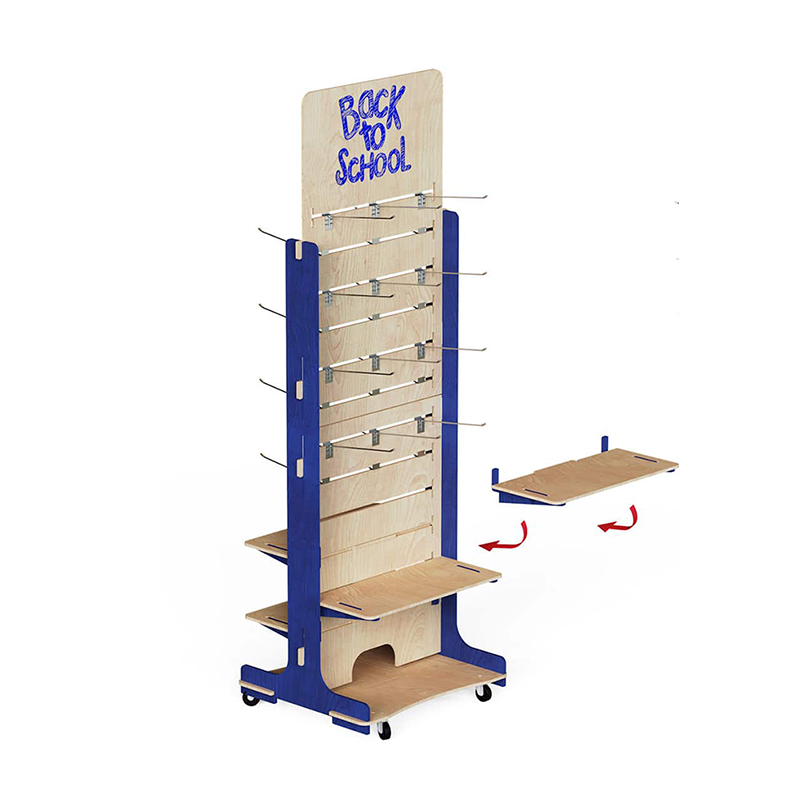
Point of purchase displays are critical investments for retailers seeking to maximize shelf space and drive customer engagement. Selecting the right materials for your wood display rack setup requires understanding both aesthetic appeal and functional durability. A well-designed wood display rack serves as both a merchandising tool and a brand ambassador, drawing customer attention while protecting products effectively. This guide explores everything you need to know about pop display materials, helping you make informed decisions that align with your retail environment and budget constraints.
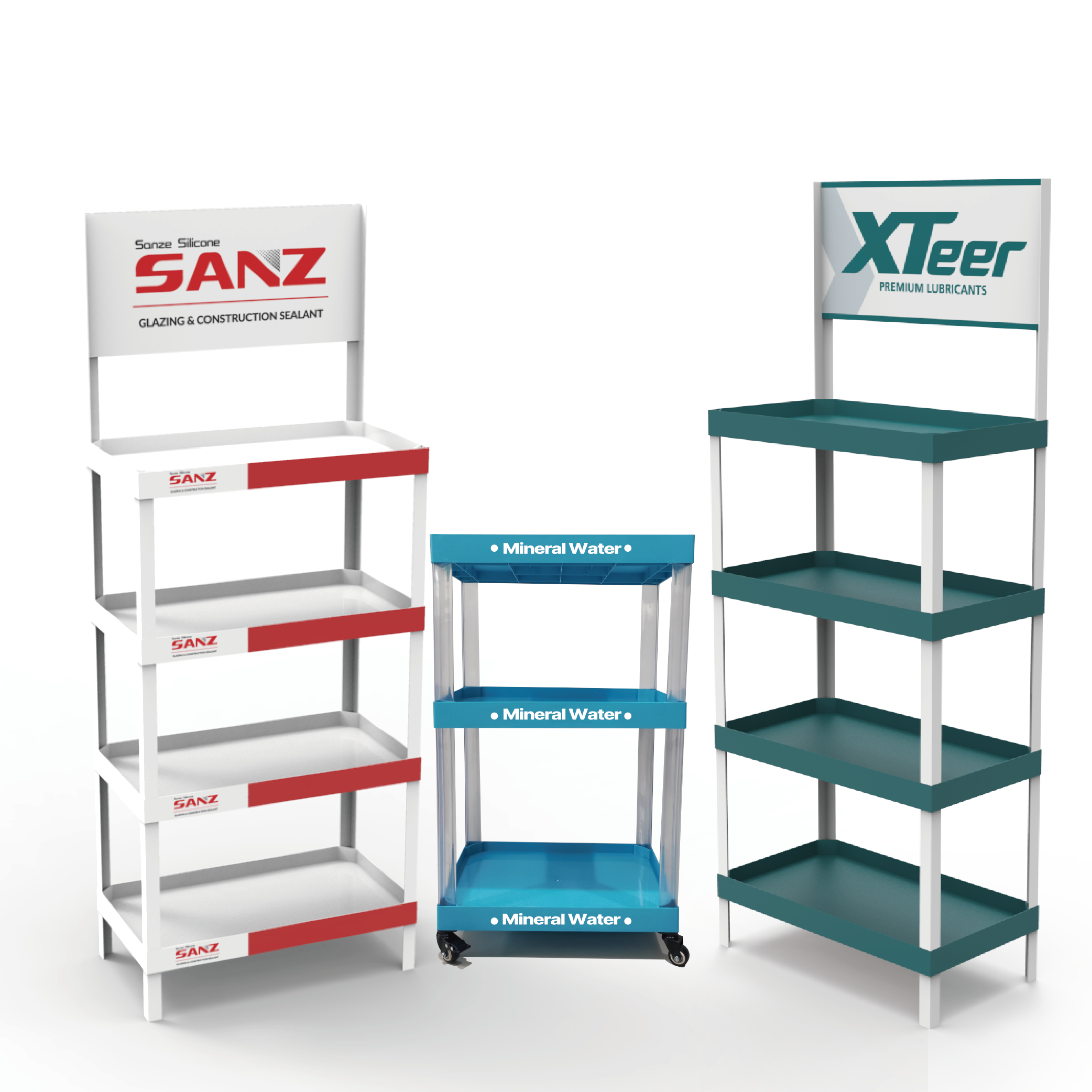
The wood display rack market has evolved significantly, offering retailers diverse material options beyond traditional solid wood. Modern display solutions combine multiple materials to achieve optimal performance, cost efficiency, and visual impact. Whether you operate a supermarket, boutique, convenience store, or specialty retailer, understanding material composition helps you select a wood display rack that meets specific performance demands. This comprehensive buyer's guide addresses material selection, construction quality, maintenance considerations, and practical implementation strategies for pop display materials.
Understanding Core Materials for Wood Display Rack Construction
Traditional Solid Wood Properties
Traditional solid wood remains a premium choice for high-end retail environments where aesthetics and brand positioning are paramount. A wood display rack constructed from hardwoods like oak, walnut, or mahogany conveys sophistication and durability to consumers. Solid wood offers excellent visual appeal and can be finished with stains, paints, or natural sealers that enhance product presentation. However, solid wood in a wood display rack requires regular maintenance, proper humidity control, and protection from moisture and temperature fluctuations to prevent warping or cracking.
Engineered Wood and Composite Solutions
Engineered wood products have become the industry standard for cost-effective, scalable pop display materials. A wood display rack made from medium-density fiberboard or plywood offers structural stability with reduced environmental impact compared to solid wood. These materials provide consistent thickness, uniform appearance, and excellent compatibility with lamination, veneer, and paint finishes. Engineered options for your wood display rack deliver superior moisture resistance and dimensional stability, making them ideal for retail environments subject to temperature variations and humid conditions.
Evaluating Material Performance in Retail Environments
Durability and Longevity Factors
Durability depends on material composition, finish quality, and environmental exposure within retail spaces. A wood display rack in high-traffic zones requires materials that resist scuffing, impact damage, and customer contact wear. Commercial-grade finishes applied to pop display materials include polyurethane coatings, powder coatings, and UV-resistant sealers that extend product lifespan significantly. Retailers must assess expected usage patterns when selecting materials for a wood display rack; high-touch surfaces benefit from reinforced edges, protective bumpers, and durable edge-banding that withstands repeated contact and potential damage.
Aesthetic Consistency and Brand Alignment
Material selection directly influences how your wood display rack reflects brand identity and appeals to target customers. Natural wood finishes create warmth and authenticity, while painted or laminated surfaces offer modern versatility and color customization. A wood display rack featuring metal accents or tempered glass shelves introduces contemporary design elements that appeal to premium market segments. Pop display materials should coordinate with existing retail fixtures, flooring, and lighting to create cohesive visual environments that enhance product visibility and customer shopping experience.
Practical Selection Criteria for Pop Display Materials
Budget Optimization and Return on Investment
Budget constraints significantly influence material selection for your wood display rack project. Entry-level pop display materials using basic particleboard and simple finishes suit temporary promotions or seasonal displays with lower investment requirements. Mid-range wood display rack options combining engineered wood with quality finishes provide excellent value for long-term retail installations. Premium wood display rack materials justify higher initial costs through extended service life, minimal maintenance requirements, and superior visual impact that drives customer perception and sales performance. Evaluate total cost of ownership, including installation, maintenance, and potential replacement cycles when comparing wood display rack materials across price tiers.
Installation Requirements and Space Constraints
Material selection must account for installation logistics, floor capacity, and spatial limitations within retail environments. Lightweight engineered wood options simplify handling, positioning, and reconfiguration of your wood display rack in confined spaces or locations with limited structural support. A wood display rack designed for modular assembly enables retailers to adapt display configurations without specialized tools or professional installation services. Consider material weight distribution, stability requirements, and anchor point compatibility when evaluating pop display materials for different retail layouts and product categories.
Best Practices for Maximizing Wood Display Rack Performance
Maintenance and Protective Measures
Regular maintenance preserves material integrity and visual appeal of your wood display rack throughout its operational lifespan. Dust weekly using soft cloths to prevent buildup on finished surfaces; avoid abrasive cleaners that damage protective coatings. Address spills immediately to prevent water penetration and staining in engineered wood or natural wood materials used in your wood display rack. Apply touch-up finishes quarterly to worn edges and high-contact areas, extending durability and maintaining professional appearance essential for effective pop display materials performance.
Environmental Adaptation and Seasonal Adjustments
Environmental conditions within retail spaces impact material stability and appearance of your wood display rack significantly. Maintain consistent temperature and humidity levels to prevent expansion, contraction, or finish deterioration in natural wood components. Rotate seasonal displays strategically to redistribute weight and wear patterns across your wood display rack, extending overall product lifespan. Position wood display rack units away from direct sunlight, heating vents, and air conditioning discharge points that accelerate material degradation or cause uneven color fading in pop display materials.
FAQ
What factors determine the best material for a wood display rack?
The best material depends on your retail environment, budget, product category, and desired durability. High-end boutiques may choose solid wood for aesthetic value, while busy supermarkets benefit from engineered wood with protective finishes. Consider expected traffic levels, moisture exposure, and maintenance capacity when selecting materials for your wood display rack. Evaluate visual impact requirements alongside functional performance to ensure your wood display rack material choice aligns with overall retail strategy and brand positioning.
How long does a typical wood display rack last in retail environments?
A well-maintained wood display rack typically lasts three to seven years depending on material quality, finish durability, and environmental conditions. Solid wood installations may exceed ten years with proper maintenance, while budget-engineered options might require replacement after three years of intensive use. Regular maintenance, protective measures, and strategic placement significantly extend the lifespan of your wood display rack in retail settings. Investing in quality materials and finishes for your wood display rack reduces long-term replacement costs and maintains professional appearance throughout extended service periods.
Can a wood display rack be customized to match specific brand colors or finishes?
Yes, engineered wood and composite materials used in wood display rack construction accept custom finishes, paints, laminates, and veneers that match brand specifications precisely. Professional finishing services can apply custom colors, textures, and branded graphics to your wood display rack surfaces. Metal accents, custom hardware, and specialty edge treatments enable complete customization of wood display rack appearance to align with retail brand identity. Work with manufacturers offering comprehensive customization options to ensure your wood display rack reflects brand aesthetics while maintaining functional pop display materials performance.