EN

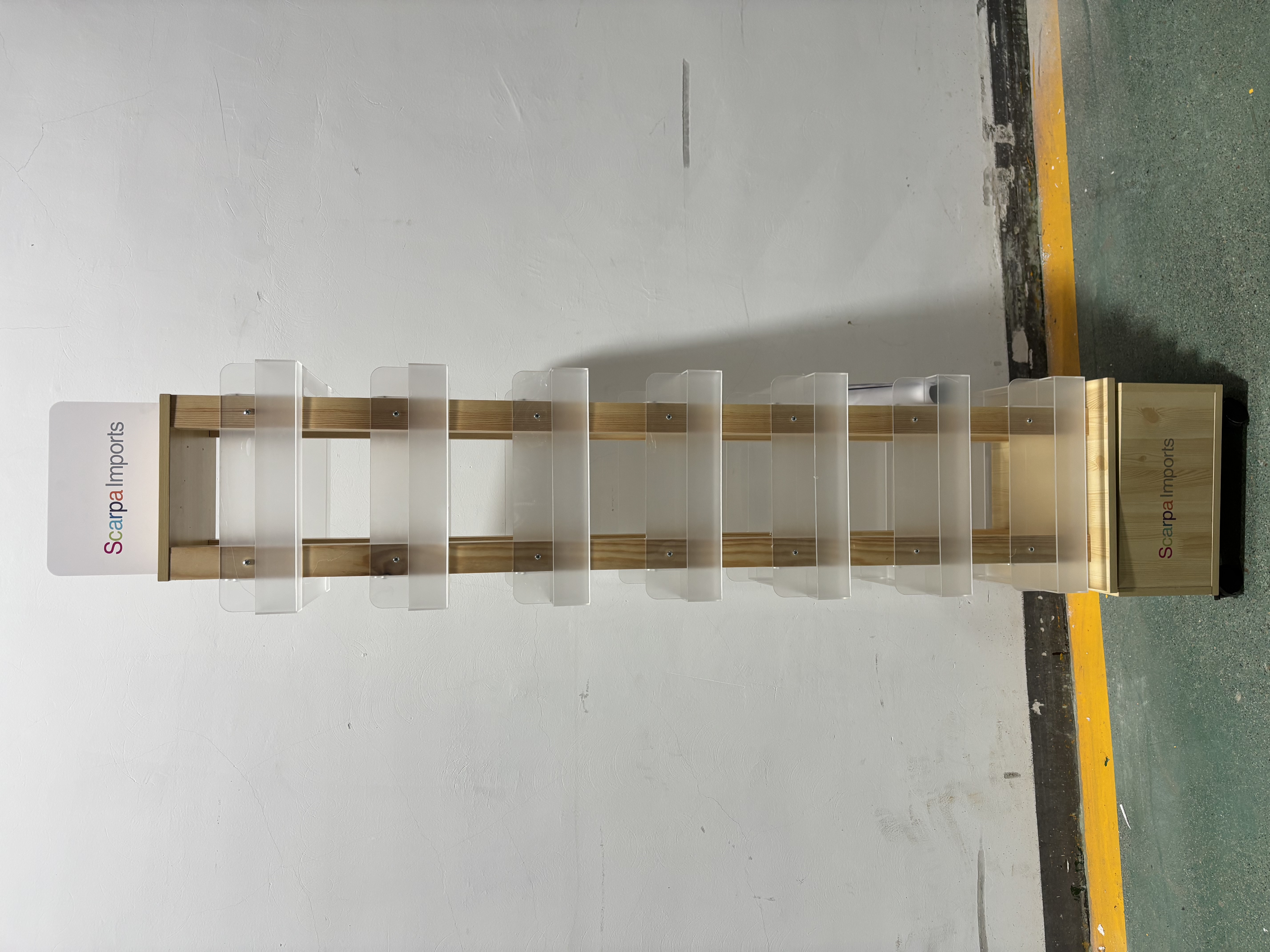
Choosing the right display rack is one of the most critical decisions for any retail business seeking to maximize product visibility and boost sales performance. A well-designed display rack transforms how customers interact with your merchandise, creating organized, attractive presentations that guide purchasing decisions. Whether you operate a boutique, grocery store, or specialty shop, selecting the appropriate display rack directly impacts your store's aesthetic appeal, customer flow, and bottom-line revenue. The display rack serves as both a functional storage solution and a powerful marketing tool that communicates brand quality and product value to every shopper who walks through your door.
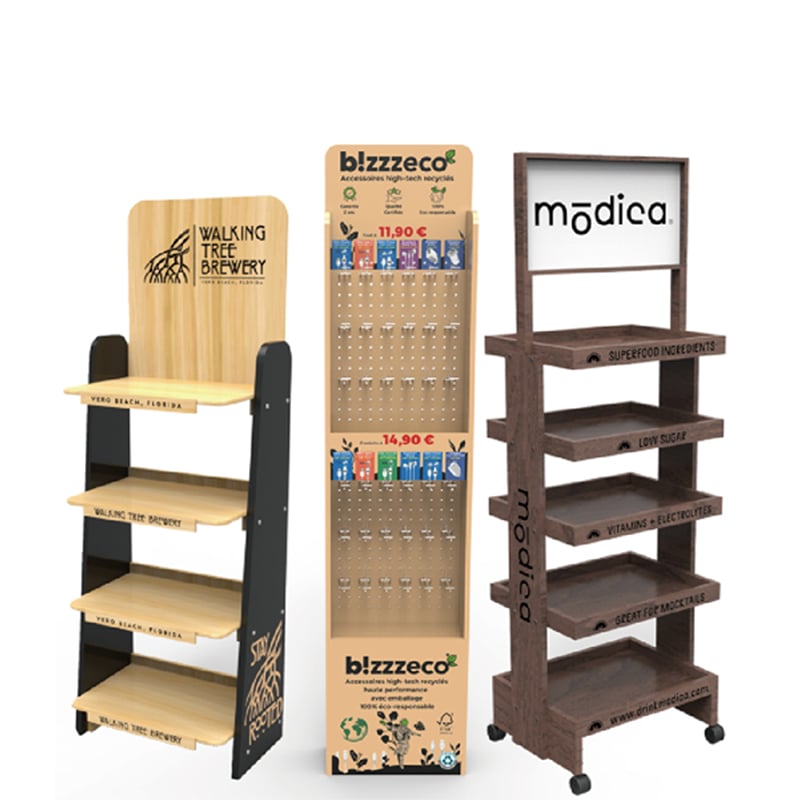
In 2025, the retail landscape demands display solutions that balance durability, aesthetics, and functionality. Wood display racks have emerged as the preferred choice for retailers who want natural sophistication combined with practical performance. Unlike metal or plastic alternatives, a quality display rack in wood construction delivers timeless visual appeal while accommodating heavy product loads. This comprehensive buyer's guide walks you through everything you need to know about selecting, evaluating, and implementing the best display rack for your retail environment, from understanding different wood types to assessing structural capacity and design flexibility.
Understanding Display Rack Fundamentals for Retail Success
What Makes a Display Rack Essential for Your Store
A display rack is far more than a shelf unit; it is a strategic retail asset that shapes customer behavior and store profitability. Every display rack you choose influences how quickly customers find what they need, how long they browse your products, and ultimately whether they make a purchase. The right display rack elevates perceived product quality, encourages impulse buying, and reduces checkout time by presenting merchandise in logical, accessible arrangements. Retailers who invest in professional-grade display rack solutions report measurable increases in conversion rates, average transaction values, and customer satisfaction scores. Your display rack essentially serves as a silent salesperson, continuously communicating your brand story and product benefits to every visitor.
Key Performance Metrics for Evaluating Display Rack Quality
When evaluating any display rack option, you must assess multiple performance dimensions beyond initial cost. Weight capacity determines whether your display rack safely holds your specific product mix without structural failure or safety hazards. Stability and wobble resistance are critical factors that affect both customer safety and product damage prevention; a poorly constructed display rack creates liability exposure and damages brand reputation. Visibility optimization ensures that your display rack showcases featured items at eye level, driving attachment rates for high-margin products. Durability ratings indicate how long a display rack will maintain appearance and function through heavy customer interaction, frequent restocking, and seasonal merchandising changes. Professional display rack solutions deliver consistent performance across all these dimensions throughout their operational lifespan.
Wood Types and Construction Quality in Display Rack Design
Selecting the Right Wood Material for Your Display Rack
The wood species you choose for your display rack dramatically affects its visual character, durability, and total cost of ownership. Pine wood display racks offer excellent value, light natural coloring, and flexibility for custom finishes; this is why pine remains the most popular choice for budget-conscious retailers expanding store layouts. Oak display racks provide superior durability, rich grain patterns, and premium appearance that appeals to upscale retail environments and luxury brand presentations. Birch and maple display racks deliver mid-range performance with refined aesthetics suitable for contemporary retail spaces. When selecting your display rack material, consider both your target customer demographic and your merchandising rotation frequency; heavily trafficked displays benefit from harder wood species, while seasonal displays can maximize style impact with softer, more colorful wood options. Each wood type for a display rack solution performs differently under moisture, temperature fluctuations, and cleaning protocols typical in retail environments.
Construction Methods That Ensure Display Rack Longevity
Premium display rack construction relies on proven joinery techniques, quality hardware, and precision assembly standards. Mortise and tenon joints in a display rack create stronger connections than simple butt joints, reducing wobble and extending structural integrity through years of daily use. Reinforced corner braces and cross-supports transform a basic display rack into a load-bearing retail asset capable of supporting heavy product arrangements safely. The quality of fasteners, shelf pins, and adjustment mechanisms directly determines how long your display rack maintains its function and appearance. Professional display rack manufacturers employ multi-point testing protocols to verify structural stability, weight distribution, and long-term performance under realistic retail conditions. Construction quality separates display rack solutions that perform reliably from those that deteriorate quickly, requiring replacement and disrupting merchandising strategies.
Practical Implementation and Space Optimization Strategies
Sizing Your Display Rack for Optimal Store Layout Integration
Selecting the correct display rack dimensions requires careful measurement and traffic flow analysis before purchase. Floor-standing display racks range from compact single-unit options suitable for boutiques to large multi-tier systems that anchor entire retail zones. Your display rack footprint must balance visibility impact against store layout constraints and customer circulation patterns. Calculate the linear feet of product frontage your display rack provides relative to your inventory volume; undersizing creates overcrowding that reduces visual appeal, while oversizing wastes valuable retail square footage. Corner positioning, island placement, or wall mounting each present different advantages for a display rack depending on your store configuration and merchandising priorities. Professional retailers conduct detailed space planning before selecting a display rack, ensuring that the fixture enhances rather than disrupts the shopping experience.
Customization Options That Align Display Rack with Brand Identity
A versatile display rack accommodates custom finishes, signage integration, and lighting options that reinforce your brand positioning. Many retailers specify a display rack with branded color finishes, custom shelf widths, or integrated logo placements that transform fixtures into powerful brand ambassadors. Adjustable shelving in a display rack enables rapid reconfiguration as seasonal product assortments, promotional themes, or new categories launch. Modular display rack systems allow you to add, remove, or reconfigure units as your business scales or retail strategies evolve. Lighting integration transforms a standard display rack into a focal point that draws customer attention and highlights premium product offerings. Retailers who invest in customized display rack solutions create memorable shopping environments that reinforce brand recognition and customer loyalty across multiple store visits.
Selection Criteria and Decision Framework for 2025
Comparing Display Rack Options Against Your Retail Objectives
Your display rack selection should directly support specific, measurable retail goals rather than pursuing generic solutions. If your primary objective is maximizing inventory visibility, select a display rack with open-shelf architecture and unobstructed sightlines to every product tier. If loss prevention is a concern, opt for a display rack design that restricts customer access to high-theft or fragile items. If product rotation speed matters most, choose a display rack system that enables rapid restocking and easy access to replenishment areas. If brand storytelling drives your marketing, invest in a display rack that accommodates lifestyle photography, detailed product descriptions, and curated assortments that communicate your value proposition. Matching your display rack investment to your specific retail priorities ensures maximum return on merchandising investment and operational efficiency.
Budget Alignment and Long-Term Value Assessment
Display rack pricing ranges dramatically based on wood quality, construction standards, customization complexity, and brand reputation. Budget-friendly display racks typically cost between $300 and $800 per unit, offering basic functionality for temporary promotions or seasonal arrangements. Mid-range display racks priced from $800 to $2,500 deliver durable construction, attractive finishes, and modest customization suitable for permanent store installations. Premium display racks exceeding $2,500 represent significant capital investments, typically justified for flagship locations or high-traffic zones where appearance and reliability directly impact revenue. Calculate the cost per linear foot of product display your display rack provides, then compare this metric against competitive alternatives to validate value alignment. Consider display rack longevity when evaluating cost; a premium display rack lasting eight years costs less per year than cheaper alternatives requiring replacement after three or four years.
FAQ
How do I determine the weight capacity required for my display rack?
Calculate your weight capacity needs by multiplying your average product weight by the number of units you plan to display on each shelf of your display rack. Add 20% to 30% safety margin, then verify that your selected display rack exceeds this calculated requirement with clear documentation from the manufacturer. Consult your display rack supplier about maximum distributed loads versus point loads to ensure safe, compliant use.
Can I customize a display rack to match my brand colors and logo?
Yes, most professional display rack manufacturers offer custom finishing, staining, and painting services to match your brand identity. Many display rack suppliers can integrate your logo, apply custom wood stains, or add vinyl graphics that transform the fixture into a branded marketing asset. Confirm that your display rack customization requests are completed before delivery to avoid installation delays or field modifications.
What maintenance schedule should I follow for my wooden display rack?
Implement routine cleaning of your display rack using dry cloths and mild wood cleaner products; avoid harsh chemicals or excessive moisture that damage wood finishes. Inspect your display rack monthly for loose fasteners, shelf movement, or finish damage, addressing issues immediately to prevent escalation. Restock your display rack strategically to prevent excessive weight imbalance that stresses support structures and creates safety hazards for customers and staff members.