EN

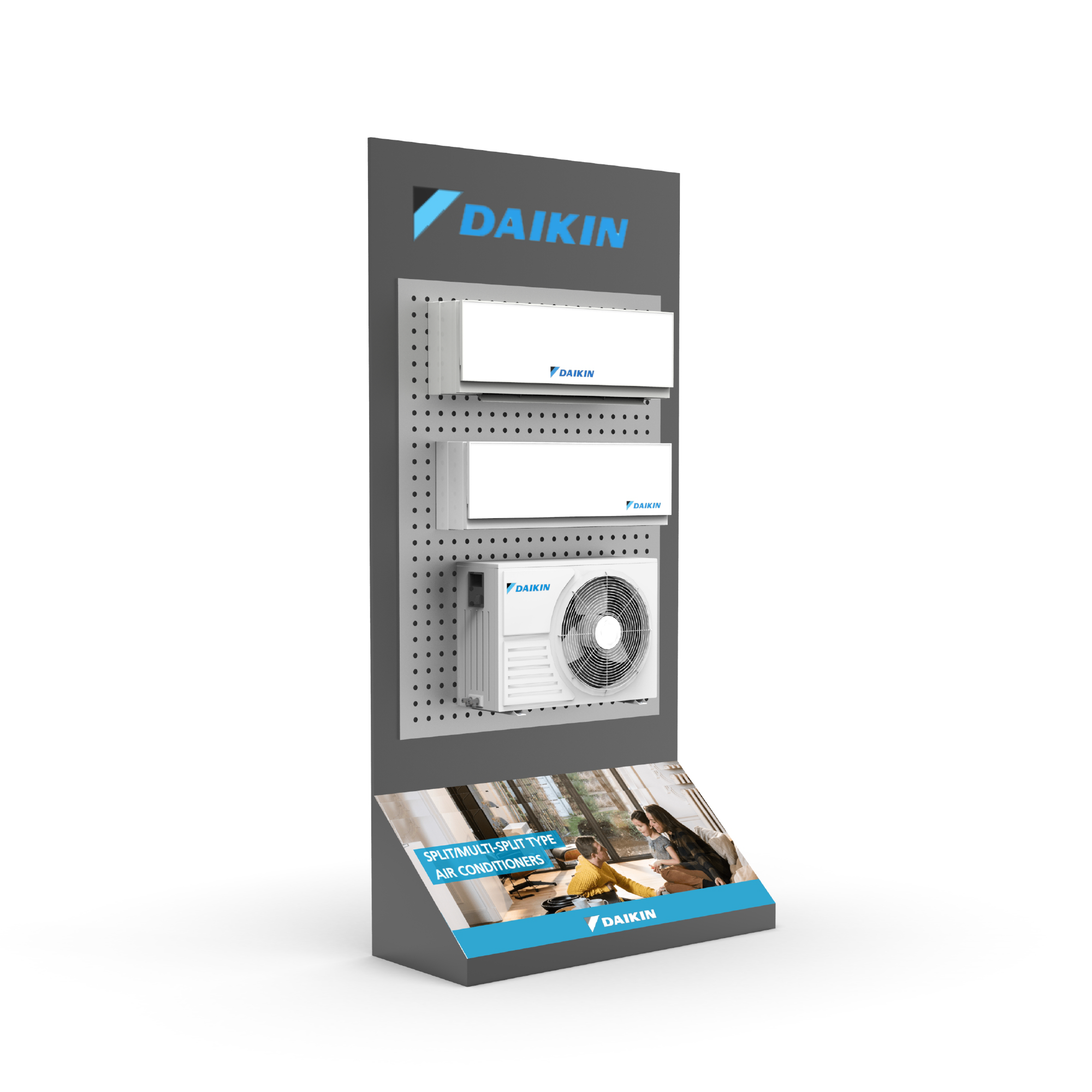
Small business owners understand that a strong retail display can make or break customer engagement and sales performance. The right retail display transforms your storefront into a powerful sales tool that captures attention, communicates product value, and encourages purchasing decisions. Whether you operate a boutique, convenience store, or specialty shop, investing in strategic retail display solutions directly impacts your bottom line and brand perception.
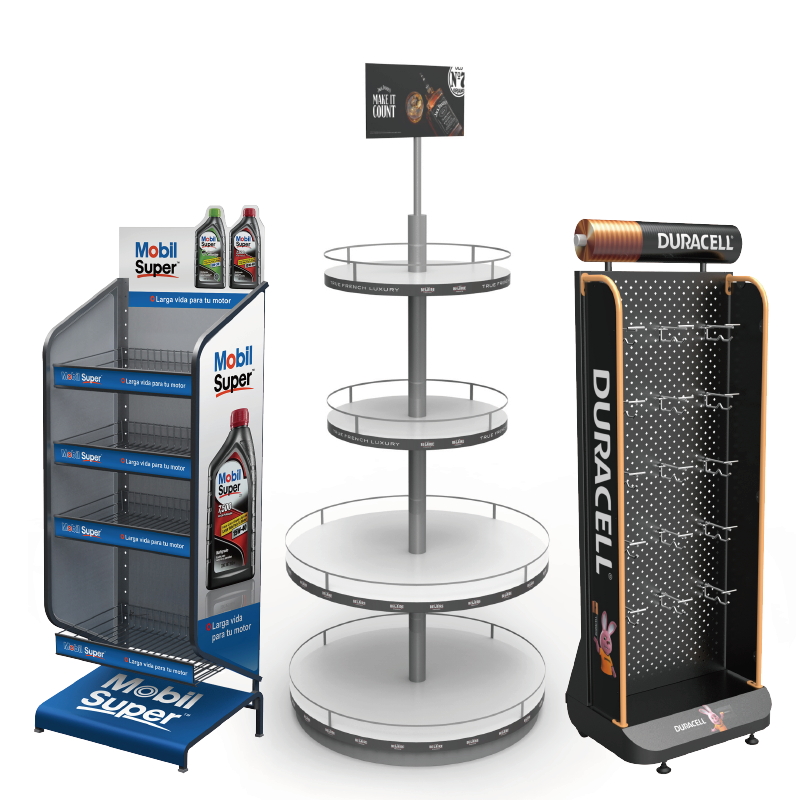
Creating an effective retail display requires understanding your customer journey, product hierarchy, and store layout. Every element of your retail display—from shelf height and lighting to color coordination and signage—plays a critical role in customer behavior and conversion rates. This guide explores proven retail display ideas that small businesses can implement immediately to maximize product visibility and drive measurable revenue growth.
Understanding Core Retail Display Principles
The Psychology Behind Effective Retail Display
Successful retail display operates on fundamental principles of visual psychology and consumer behavior. A well-designed retail display guides the customer's eye naturally through your store, highlighting featured products and creating emotional connections. The placement of your retail display directly influences purchase likelihood, with studies showing that eye-level products sell significantly more units than items placed at floor or top shelf positions. Your retail display must balance aesthetic appeal with functional clarity, ensuring customers can easily locate, examine, and purchase products without confusion or frustration.
Layout and Positioning Strategy
The physical arrangement of your retail display determines customer flow and product discovery rates. High-traffic zones near store entrances demand different retail display strategies than secondary shopping areas or checkout stands. A strategic retail display positions best-selling items at convenient reach, complementary products nearby for cross-selling opportunities, and new or promotional items in prominent focal points. The depth and width of your retail display should match your store footprint while maintaining clear pathways for customer navigation and staff restocking.
Implementing High-Impact Retail Display Strategies
Color, Lighting, and Visual Hierarchy
Your retail display's visual impact depends heavily on color coordination and appropriate lighting. Complementary color schemes in retail display arrangements draw attention and create professional-looking presentations that enhance perceived product value. Strategic lighting in your retail display illuminates featured merchandise, creates depth perception, and establishes desired store ambiance. A retail display with well-placed spotlights on premium products communicates exclusivity, while consistent ambient lighting maintains shopper comfort and encourages browsing behaviors that increase average transaction values.
Product Bundling and Thematic Grouping
Organizing your retail display around themes or product categories increases perceived value and encourages multiple-item purchases. A focused retail display devoted to seasonal items, lifestyle bundles, or complementary product combinations simplifies customer decision-making and reduces browsing fatigue. Thematic retail display arrangements tell a story—whether 'morning routine essentials' or 'home organization solutions'—that resonates with customer needs and creates mental purchase associations. Rotating your retail display themes seasonally keeps repeat customers engaged and encourages frequent store visits to discover new arrangements.
Advanced Retail Display Tactics for Maximum Sales Impact
Point of Sale and Impulse Purchase Optimization
The retail display at checkout areas represents your final opportunity to influence purchase decisions and increase transaction totals. Point-of-sale retail display positioning of high-margin, low-commitment items drives impulse purchases and significantly boosts revenue per customer. Strategic retail display heights at checkout—items at reach level rather than above or below eye line—maximize impulse conversion rates. Rotating your retail display products at checkout quarterly prevents customer fatigue and maintains consistent uplift in accessory sales and small-item purchases.
Digital Integration and Retail Display Enhancement
Modern retail display strategies increasingly incorporate digital elements alongside physical merchandise. Interactive signs, QR codes, or digital price displays integrated into your retail display create tech-forward shopping experiences that appeal to contemporary consumers. A retail display featuring customer testimonials, product certifications, or digital countdowns creates urgency and credibility that encourages immediate purchases. Mobile-friendly retail display information—accessible through phone scanning—bridges physical and digital experiences, capturing customer data while enhancing shopping convenience and engagement.
FAQ
How frequently should I change my retail display?
Seasonal changes to your retail display—typically quarterly—prevent customer fatigue while keeping inventory fresh and compelling. However, monthly refreshes of accent items, featured products, or color schemes within your primary retail display arrangement maintain novelty without complete overhauls. High-traffic retail display zones may justify bi-weekly updates to reflect current promotions or trending products, while secondary retail display areas can operate on longer rotation schedules.
What size works best for a retail display?
Optimal retail display dimensions depend on available store space and product category, but versatile configurations ranging from 24 to 48 inches wide accommodate most small retail environments. Floor-standing retail display units should reach eye level or slightly above—typically 48 to 72 inches tall—to command attention without creating visual barriers. Wall-mounted retail display systems typically span 36 to 60 inches, while checkout retail display counters work best at 12 to 24 inches, positioned for natural sightlines during transaction moments.
How do I measure retail display effectiveness?
Track sales data before and after implementing new retail display arrangements, noting increases in featured product purchases and overall transaction values. Monitor customer dwell time in retail display areas using simple observation or video analytics to gauge engagement levels. Survey customer feedback about product discovery and retail display clarity to identify optimization opportunities, then test hypotheses with controlled retail display modifications and measure corresponding sales impact.