EN

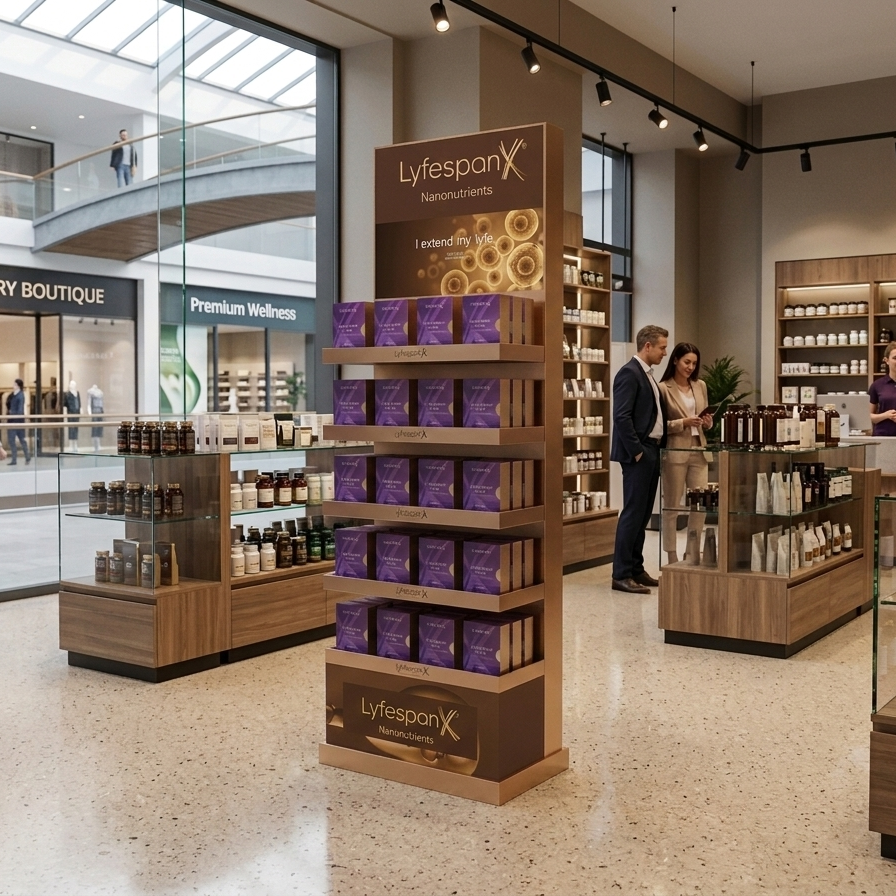
The retail landscape continues to evolve at an unprecedented pace, and staying ahead means understanding how effective retail display strategies directly influence customer behavior and sales outcomes. In 2025, retailers who invest in modern retail display solutions are witnessing measurable improvements in conversion rates, customer dwell time, and overall revenue performance. The connection between strategic retail display placement and increased sales is no longer theoretical—it is a proven business principle that separates top performers from struggling competitors in the retail sector.
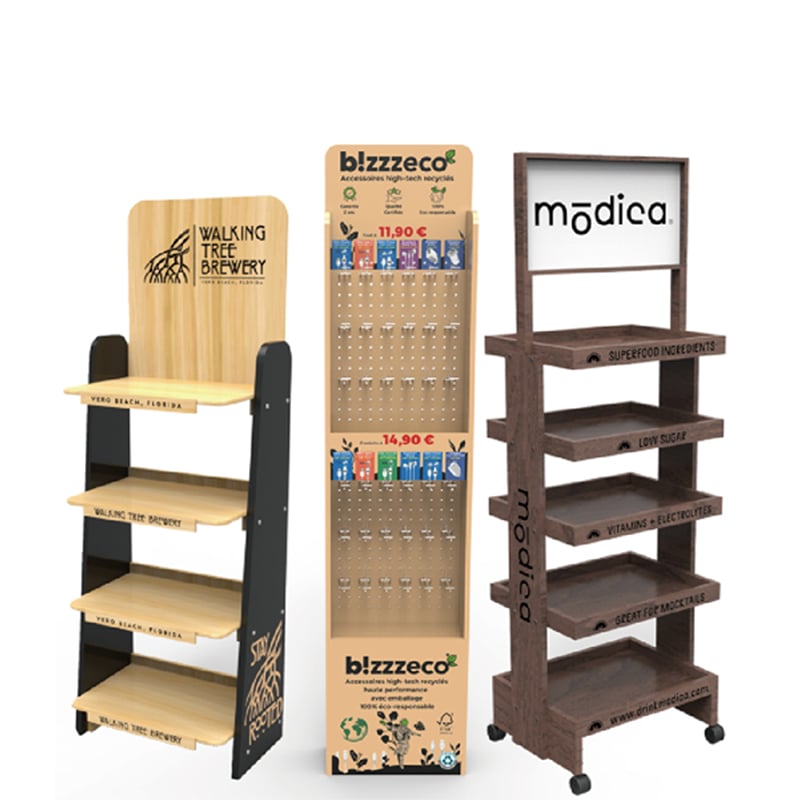
This comprehensive guide explores the key retail display trends defining 2025 and explains why forward-thinking retailers are restructuring their store layouts and point-of-purchase strategies around these insights. From consumer psychology principles to technological integration, modern retail display approaches blend data-driven positioning with aesthetic appeal to create environments that drive purchasing decisions and build brand loyalty.
Understanding Modern Retail Display Principles
The Psychology Behind Effective Retail Display Design
Consumer behavior research consistently demonstrates that retail display placement significantly impacts purchase probability. When retailers implement strategic retail display positioning, they leverage eye-level placement, color psychology, and visual hierarchy to guide customer attention naturally toward high-margin products. The retail display trend in 2025 emphasizes creating focal points that draw the shopper's eye within the first three seconds of store entry. This principle has become fundamental to retail display success, as customers make split-second decisions based on what their visual system prioritizes in the store environment.
Data-Driven Retail Display Placement
Modern retailers are using analytics to inform retail display decisions in ways previously impossible. Foot traffic patterns, dwell time metrics, and conversion data reveal exactly how customers move through stores and where retail display investments yield the highest returns. The retail display strategy that emerged as dominant in 2025 relies on this quantitative foundation rather than intuition alone. By measuring customer interaction with different retail display configurations, forward-thinking stores optimize their layouts continuously, ensuring that every retail display element contributes measurably to sales performance.
2025 Retail Display Trends Reshaping Store Environments
Sustainability and Premium Materials in Retail Display
Conscious consumers increasingly reward brands that demonstrate environmental responsibility, making sustainable retail display solutions a competitive advantage. The 2025 retail display landscape features more eco-friendly materials, natural finishes, and durable construction that align with consumer values while reducing replacement costs. Retailers investing in high-quality retail display fixtures crafted from responsibly sourced materials report stronger brand perception and customer loyalty. This retail display trend reflects a broader shift where the presentation itself communicates brand values and influences purchasing decisions at an emotional level.
Omnichannel Integration in Retail Display Strategy
The line between physical and digital retail continues to blur, and 2025 retail display strategies must account for this convergence. Modern retail display systems now incorporate QR codes, augmented reality integration, and digital signage that connect in-store experiences with online journeys. This retail display evolution enables customers to seamlessly transition between channels while maintaining consistent messaging and product discovery. Retailers who align their retail display presentation with digital touchpoints create cohesive brand experiences that reinforce purchase intent across all customer interaction points.
Implementing High-Impact Retail Display Solutions
Seasonal Adaptability and Modular Retail Display Systems
Flexibility has become essential in retail display design, as consumer preferences shift rapidly and seasonal demands fluctuate significantly. The 2025 retail display trend favors modular systems that retailers can reconfigure quickly without major investment or store downtime. This adaptable retail display approach allows stores to respond to market feedback, test new product positioning, and implement seasonal changes efficiently. Retailers who adopt this retail display philosophy reduce operational friction while maintaining the visual freshness that keeps stores interesting to repeat customers.
Visual Merchandising Excellence Through Strategic Retail Display
Strong visual merchandising remains the cornerstone of effective retail display execution, and 2025 standards have become more sophisticated. Winning retail display presentations combine color coordination, product grouping logic, and storytelling elements that make browsing more intuitive and enjoyable for customers. The retail display trend toward intentional curation means every item placement serves a purpose within the larger narrative. Retailers who master this retail display discipline create environments where customers naturally discover products, spend more time in-store, and convert at higher rates than competitors with disorganized or generic retail display approaches.
Measuring Retail Display Impact on Revenue Growth
Key Performance Indicators for Retail Display Success
Tracking the effectiveness of retail display investments requires specific metrics aligned with business objectives. Retailers should monitor conversion rate changes, average transaction value increases, and customer satisfaction scores following retail display improvements. The most successful retail display implementations measure both immediate sales impact and longer-term brand perception shifts. By establishing baseline metrics before retail display changes and measuring outcomes systematically, retailers gain clarity on return on investment and can refine their retail display strategy based on actual performance data rather than assumptions.
Regional Customization of Retail Display Strategy
While 2025 retail display trends establish general principles, successful implementation requires local market adaptation. Consumer preferences vary significantly by geography, demographics, and cultural context, making generic retail display approaches ineffective in many situations. Smart retailers develop a retail display framework that maintains brand consistency while allowing regional teams to customize product positioning, color schemes, and messaging based on local customer research. This balanced approach to retail display design maximizes relevance while preserving operational efficiency and brand integrity across store networks.
FAQ
How much can strategic retail display improvements increase sales?
Organizations implementing comprehensive retail display optimization strategies report sales increases ranging from 20 to 40 percent depending on starting conditions and execution quality. The actual retail display impact varies based on product category, customer demographics, and how thoroughly the retail display changes align with consumer behavior patterns. Retail display improvements targeting high-traffic areas and impulse purchase categories typically generate faster, more visible results than wholesale retail display restructuring.
What makes 2025 retail display trends different from previous years?
The 2025 retail display evolution reflects increased integration of sustainability, omnichannel connectivity, and data-driven decision making that earlier retail display strategies lacked. Today's retail display approach combines behavioral science, technological capability, and environmental consciousness in ways that previous retail display generations could not efficiently execute. This retail display sophistication enables retailers to serve conscious consumers while achieving superior financial outcomes simultaneously.
How can smaller retailers afford effective retail display upgrades?
Smaller retailers can maximize retail display effectiveness through strategic prioritization, focusing on high-impact areas that receive maximum customer traffic and purchasing attention. Phased retail display implementation allows incremental investment over time rather than requiring large upfront capital expenditure. Many effective retail display solutions rely more on thoughtful curation and intentional placement than on expensive fixtures, meaning smaller retailers can achieve meaningful retail display improvements through strategic thinking and systematic reorganization.