EN
EN

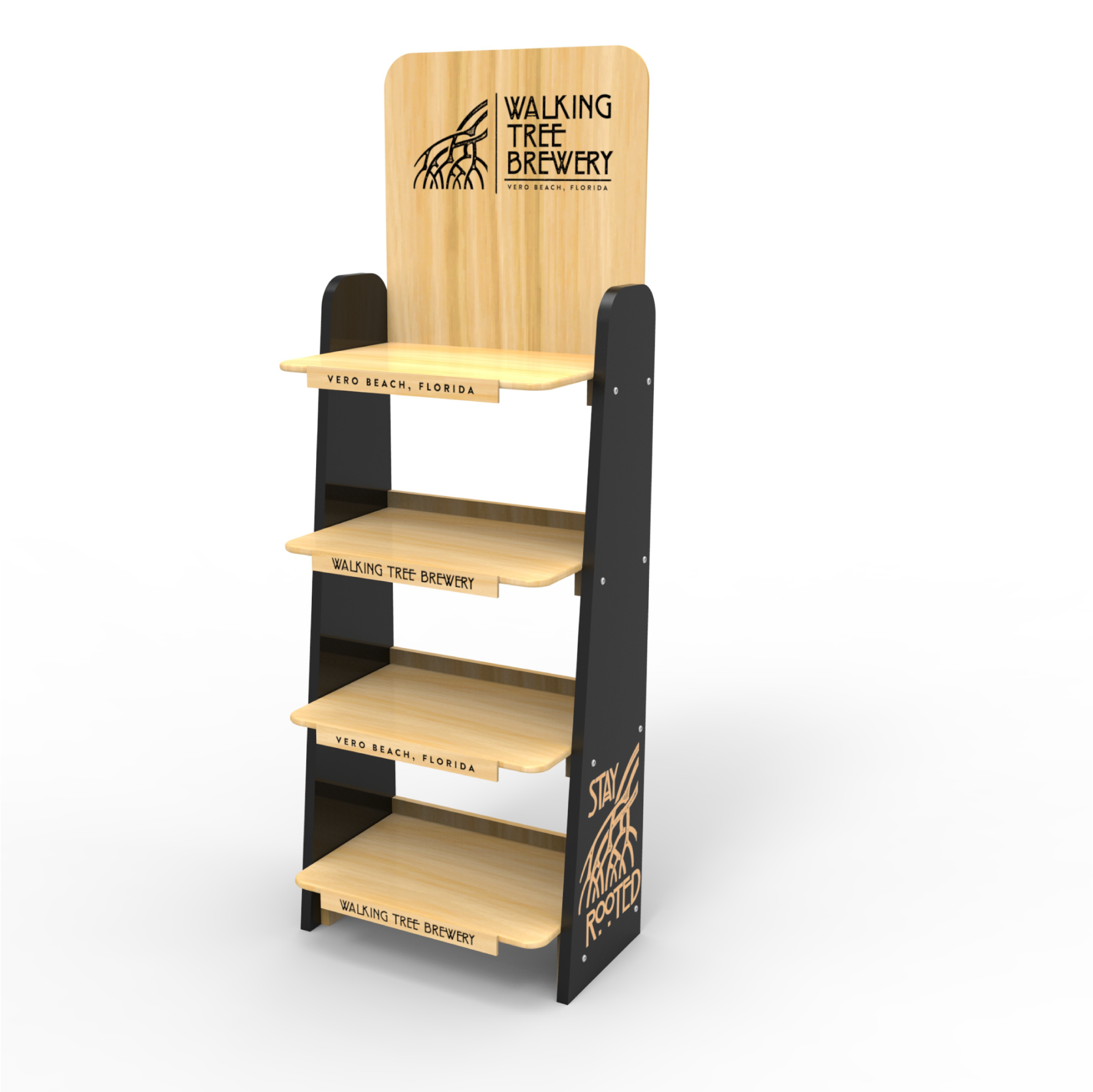
The retail landscape continues to evolve, yet the fundamental need for effective product presentation remains constant. Modern retailers understand that visual merchandising can make or break sales performance, with studies showing that strategic product placement increases purchase likelihood by up to 60%. Among the most versatile and aesthetically pleasing display solutions available today, wooden fixtures stand out for their natural appeal, durability, and customization potential. Whether you're launching a new product line, refreshing your store layout, or expanding into new markets, understanding how to source and customize these display solutions can significantly impact your bottom line. The key lies in finding the right balance between functionality, visual appeal, and cost-effectiveness while ensuring your chosen solution aligns perfectly with your brand identity and customer expectations.
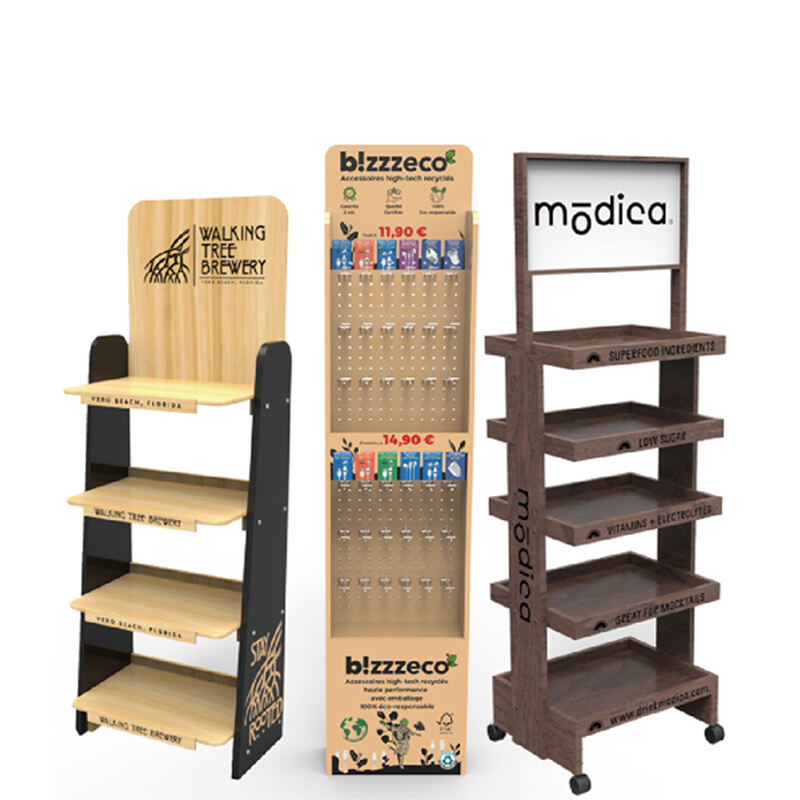
Understanding Wood Display Stand Fundamentals
Material Selection and Quality Standards
The foundation of any effective wooden display fixture begins with material selection, where quality directly correlates with longevity and visual impact. Premium hardwoods like oak, maple, and cherry offer exceptional durability and natural beauty, making them ideal for high-end retail environments where luxury positioning is essential. These materials naturally resist wear and maintain their appearance even under heavy use, though they command higher price points. Alternatively, engineered woods such as plywood and MDF provide cost-effective solutions while still delivering professional aesthetics when properly finished. Pine and other softwoods offer an excellent middle ground, combining affordability with natural wood grain patterns that appeal to customers seeking authentic, rustic charm.
Quality standards extend beyond material choice to encompass construction methods, joinery techniques, and finishing processes. Professional-grade fixtures utilize precision-cut joints, reinforced stress points, and multi-stage finishing that protects against moisture, scratches, and UV damage. Understanding these quality markers helps retailers make informed purchasing decisions that balance upfront costs with long-term value. Smart buyers also consider the supplier's quality control processes, warranty offerings, and track record for consistent delivery. These factors become particularly important when scaling operations or maintaining brand consistency across multiple locations.
Design Principles for Maximum Impact
Effective display design goes beyond aesthetic appeal to incorporate psychological principles that influence customer behavior and purchasing decisions. Height variations create visual interest while accommodating different product sizes and customer sight lines, with research indicating that eye-level placement generates 35% more engagement than floor or top-shelf positioning. Strategic use of angles, curves, and geometric patterns guides customer attention and creates natural flow patterns throughout retail spaces. Color coordination between the wood finish and surrounding elements enhances brand cohesion while ensuring products remain the focal point rather than competing with their presentation platform.
Lighting integration represents another crucial design consideration that can dramatically enhance product visibility and appeal. Built-in LED strips or recessed lighting options create professional illumination while highlighting texture, color, and detail in displayed merchandise. The warm tones of natural wood complement various lighting temperatures, allowing retailers to create specific moods and atmospheres that align with their brand positioning. Successful display designs also incorporate modular elements that enable easy reconfiguration as product lines change or seasonal adjustments become necessary.
Sourcing Strategies for Optimal Results
Evaluating Supplier Capabilities and Reliability
The supplier selection process requires careful evaluation of manufacturing capabilities, quality control systems, and service levels to ensure successful project outcomes. Established manufacturers typically offer comprehensive portfolios showcasing previous work, technical specifications, and client testimonials that provide insight into their expertise and reliability. Production capacity becomes particularly important when planning large-scale rollouts or tight delivery schedules, as delays can significantly impact store opening timelines or promotional campaigns. Smart buyers request detailed production schedules, backup plans for potential delays, and clear communication protocols to maintain project momentum.
Geographic considerations also play a role in supplier selection, as local manufacturers may offer advantages in terms of reduced shipping costs, faster delivery times, and easier collaboration during the design process. However, international suppliers often provide cost savings and specialized expertise that may not be available domestically. Thorough due diligence should include facility visits when possible, sample evaluations, and reference checks with previous clients. Understanding the supplier's financial stability, insurance coverage, and dispute resolution processes protects against potential project disruptions or quality issues.
Cost Optimization and Budget Management
Effective cost management requires understanding the various factors that influence pricing while identifying opportunities for optimization without compromising quality or functionality. Volume purchasing typically yields significant discounts, making it advantageous to coordinate orders across multiple locations or consolidate different display needs into single procurement cycles. Standardization of certain elements, such as hardware, finishes, or modular components, can reduce manufacturing complexity and associated costs while maintaining customization options for brand-specific details.
Material grade selection offers another avenue for cost optimization, as slight variations in wood grade or finish quality may be acceptable for certain applications while maintaining overall aesthetic standards. Working closely with suppliers to understand their manufacturing processes can reveal opportunities for cost-effective modifications that don't impact performance or appearance. Additionally, considering the total cost of ownership, including installation, maintenance, and potential replacement costs, provides a more accurate picture of long-term value than focusing solely on initial purchase price.
Customization Options and Brand Integration
Branding and Visual Identity Integration
Successful brand integration transforms standard display fixtures into powerful marketing tools that reinforce brand identity and create memorable customer experiences. Logo placement, color matching, and finish selection work together to create cohesive visual narratives that strengthen brand recognition and perceived value. Subtle branding approaches, such as custom stain colors or signature design elements, can be more effective than obvious logo placement, particularly in upscale retail environments where sophisticated presentation is valued. The key lies in finding the right balance between brand visibility and product focus, ensuring that branding enhances rather than overwhelms the merchandise presentation.
Typography integration offers sophisticated branding opportunities through custom engraving, raised lettering, or integrated signage systems. Modern manufacturing techniques enable precise reproduction of brand fonts, taglines, and design elements directly into the wood surface or through complementary materials. These customized elements create distinctive fixtures that cannot be easily replicated by competitors while demonstrating attention to detail that customers associate with quality and professionalism. Strategic placement of these branded elements ensures maximum visibility while maintaining the overall aesthetic integrity of the display.
Functional Customization for Specific Needs
Beyond aesthetic customization, functional modifications enable displays to meet specific operational requirements while maximizing efficiency and usability. Adjustable shelving systems accommodate varying product sizes and seasonal inventory changes, while integrated storage compartments provide space for backup stock, promotional materials, or point-of-sale accessories. Security features, such as locking mechanisms or cable management systems, protect valuable merchandise while maintaining clean, professional appearance. These functional enhancements often prove more valuable than aesthetic modifications by directly supporting sales operations and staff productivity.
Mobility options represent another important customization consideration, particularly for retailers who frequently reconfigure their layouts or participate in trade shows and special events. Heavy-duty casters, modular connection systems, and lightweight construction techniques enable easy repositioning without sacrificing stability or durability. Some retailers opt for hybrid solutions that can function as permanent fixtures during normal operations but convert to portable displays for special events or temporary installations. This flexibility maximizes return on investment while providing operational advantages that fixed displays cannot match.
Installation and Maintenance Considerations
Professional Installation Best Practices
Proper installation ensures that custom wooden displays perform as designed while maintaining safety standards and aesthetic appeal throughout their service life. Professional installers understand the importance of level surfaces, proper anchoring techniques, and electrical connections for integrated lighting or digital components. Site preparation requirements vary depending on floor types, ceiling heights, and existing infrastructure, making advance planning essential for smooth installation processes. Coordination with other trades, such as electricians or flooring contractors, may be necessary to achieve optimal results.
Documentation of installation procedures, including photos and technical specifications, provides valuable reference material for future maintenance, modifications, or expansion projects. Quality installers typically provide detailed instructions for proper use, weight limitations, and basic maintenance procedures to ensure long-term performance. Understanding these requirements during the design phase helps avoid potential issues and ensures that the finished displays meet all operational needs and safety requirements.
Long-term Maintenance and Care
Maintaining the appearance and functionality of wooden display fixtures requires understanding proper care techniques, cleaning procedures, and periodic maintenance requirements. Regular cleaning with appropriate wood-safe products preserves finishes and prevents buildup of dust, fingerprints, and other contaminants that can dull appearance over time. Different wood species and finishes may require specific care approaches, making it important to understand manufacturer recommendations and maintain appropriate cleaning supplies.
Preventive maintenance programs extend fixture life while maintaining professional appearance standards that reflect positively on brand image. Simple measures such as prompt attention to scratches or dings, periodic hardware tightening, and protection from excessive moisture or direct sunlight can significantly extend service life. Establishing relationships with local craftspeople or refinishing specialists provides options for addressing more significant damage or updating appearance as brand standards evolve. A well-maintained wood display stand continues to enhance product presentation and support sales objectives for many years when properly cared for.
Return on Investment and Performance Measurement
Quantifying Display Effectiveness
Measuring the impact of display investments requires establishing baseline metrics and tracking relevant performance indicators over time. Sales data from products featured on new displays provides direct evidence of effectiveness, though factors such as seasonality, pricing changes, and promotional activities must be considered when analyzing results. Customer engagement metrics, including dwell time, touch rates, and conversion percentages, offer additional insights into display performance. Some retailers utilize heat mapping technology or customer behavior analytics to quantify the impact of display placement and design choices on shopping patterns.
Comparative analysis between different display types, locations, or configurations helps identify best practices and optimization opportunities. A/B testing approaches, where similar products are presented using different display methods, can provide valuable data for future purchasing decisions. Staff feedback also provides important qualitative insights into display functionality, ease of restocking, and customer interactions that may not be captured in quantitative metrics alone. This comprehensive approach to performance measurement enables data-driven decisions about display investments and modifications.
Cost-Benefit Analysis and ROI Calculation
Calculating return on investment for display fixtures requires considering both direct and indirect benefits over the expected service life of the equipment. Direct benefits include increased sales volumes, higher average transaction values, and improved inventory turnover for featured products. Indirect benefits may include enhanced brand perception, increased customer satisfaction, and improved operational efficiency through better organization and product accessibility. These softer benefits, while difficult to quantify precisely, often represent significant value that justifies display investments.
Long-term value calculations should include factors such as durability, maintenance costs, and flexibility for future use. High-quality wooden displays often provide superior ROI compared to cheaper alternatives due to their longevity, timeless appeal, and ability to maintain professional appearance with proper care. Additionally, custom displays that perfectly match specific products or store layouts typically generate better performance metrics than generic solutions, offsetting higher initial costs through improved effectiveness. Understanding these total cost and benefit relationships enables more accurate investment decisions and budget allocation strategies.
FAQ
What factors should I consider when choosing between different wood types for retail displays
Wood selection depends on several key factors including budget, intended use environment, aesthetic preferences, and durability requirements. Hardwoods like oak and maple offer superior durability and premium appearance but cost more than softwoods like pine or engineered alternatives. Consider the retail environment's humidity levels, expected wear patterns, and maintenance capabilities when making your selection. For high-traffic areas or luxury retail environments, investing in premium hardwoods often provides better long-term value through enhanced durability and sustained appearance. Budget-conscious retailers can achieve professional results with quality softwoods or engineered materials when properly finished and maintained.
How can I ensure my custom wooden displays comply with safety regulations and building codes
Safety compliance requires understanding relevant local building codes, fire safety regulations, and accessibility requirements that may apply to your retail environment. Work with suppliers who understand commercial display regulations and can provide documentation of compliance with relevant standards. Key considerations include structural stability ratings, fire-resistant finishes, proper anchoring methods, and accessibility clearances. Professional installers familiar with commercial retail requirements can ensure proper compliance during installation. Additionally, consider obtaining necessary permits and inspections as required by local authorities to avoid potential liability issues or operational disruptions.
What is the typical lead time for custom wooden display projects
Lead times vary significantly based on complexity, customization level, supplier capacity, and material availability, typically ranging from 4-12 weeks for most projects. Simple modifications to standard designs may require only 2-4 weeks, while complex custom projects involving unique materials or extensive branding elements may need 8-16 weeks or more. International suppliers often require additional time for shipping and customs clearance. Seasonal factors, such as holiday manufacturing schedules or peak retail seasons, can extend lead times. Plan accordingly by initiating the design and ordering process well in advance of needed installation dates, and maintain regular communication with suppliers to monitor progress and address potential delays proactively.
How should I budget for ongoing maintenance and potential repairs of wooden display fixtures
Budget approximately 5-10% of the initial purchase price annually for routine maintenance, cleaning supplies, and minor repairs to keep wooden displays in optimal condition. This includes periodic refinishing, hardware replacement, and professional cleaning or restoration services. Establish relationships with local craftspeople who can handle repairs and refinishing work cost-effectively. Consider purchasing spare hardware and finishing materials at the time of installation to ensure color and style consistency for future maintenance needs. Higher-quality displays typically require lower maintenance percentages due to superior construction and finishes, while displays in high-traffic environments may require increased maintenance budgets. Proactive maintenance prevents minor issues from becoming major expenses while preserving the professional appearance that supports your brand image.
Table of Contents
- Understanding Wood Display Stand Fundamentals
- Sourcing Strategies for Optimal Results
- Customization Options and Brand Integration
- Installation and Maintenance Considerations
- Return on Investment and Performance Measurement
-
FAQ
- What factors should I consider when choosing between different wood types for retail displays
- How can I ensure my custom wooden displays comply with safety regulations and building codes
- What is the typical lead time for custom wooden display projects
- How should I budget for ongoing maintenance and potential repairs of wooden display fixtures