EN
EN

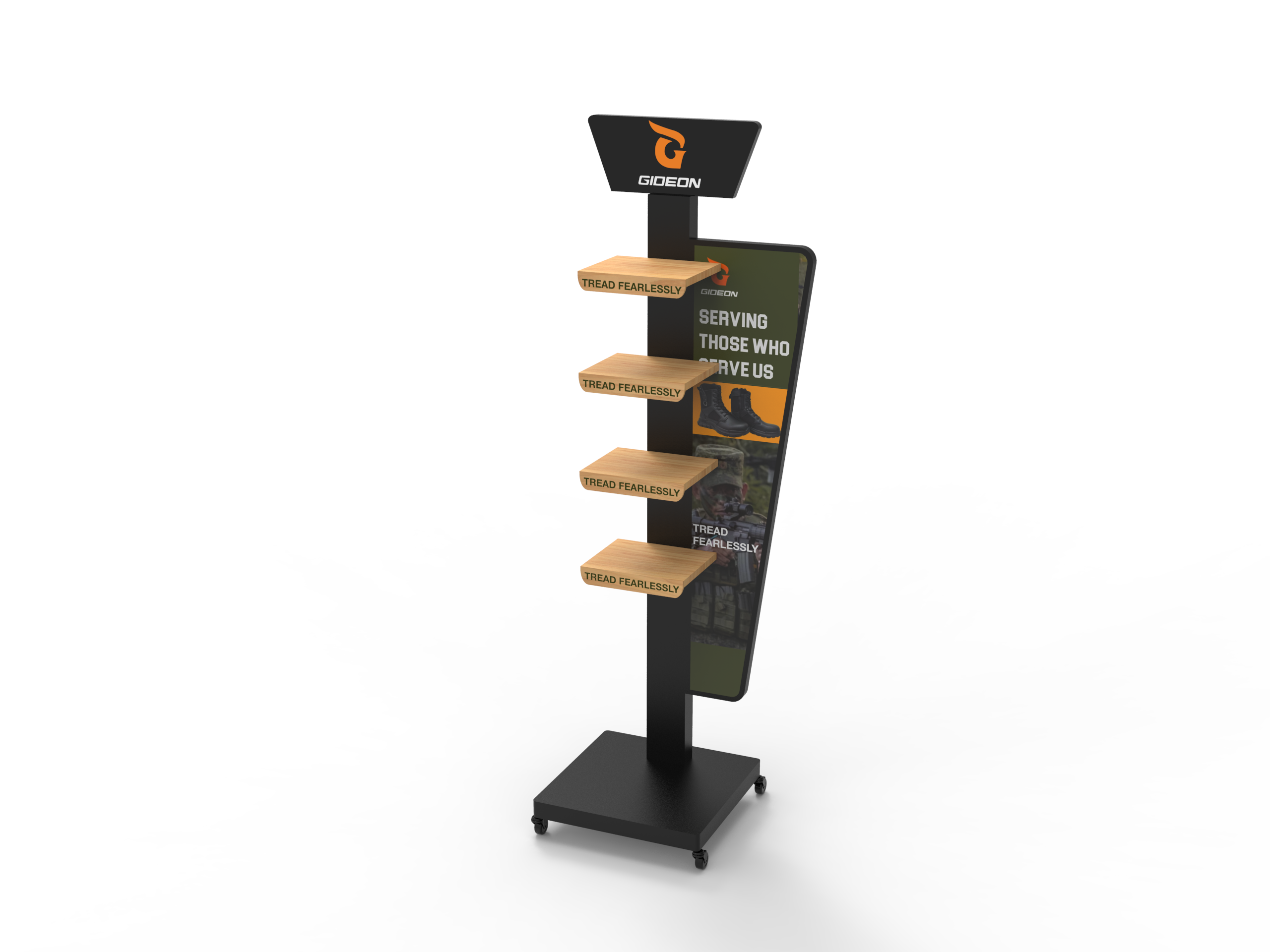
In today's retail environment, businesses are increasingly seeking display solutions that combine visual appeal with environmental responsibility. A wood display stand offers the perfect balance of natural aesthetics, durability, and sustainability that modern retailers demand. These versatile fixtures have become essential tools for showcasing products while maintaining an eco-conscious brand image that resonates with environmentally aware consumers.
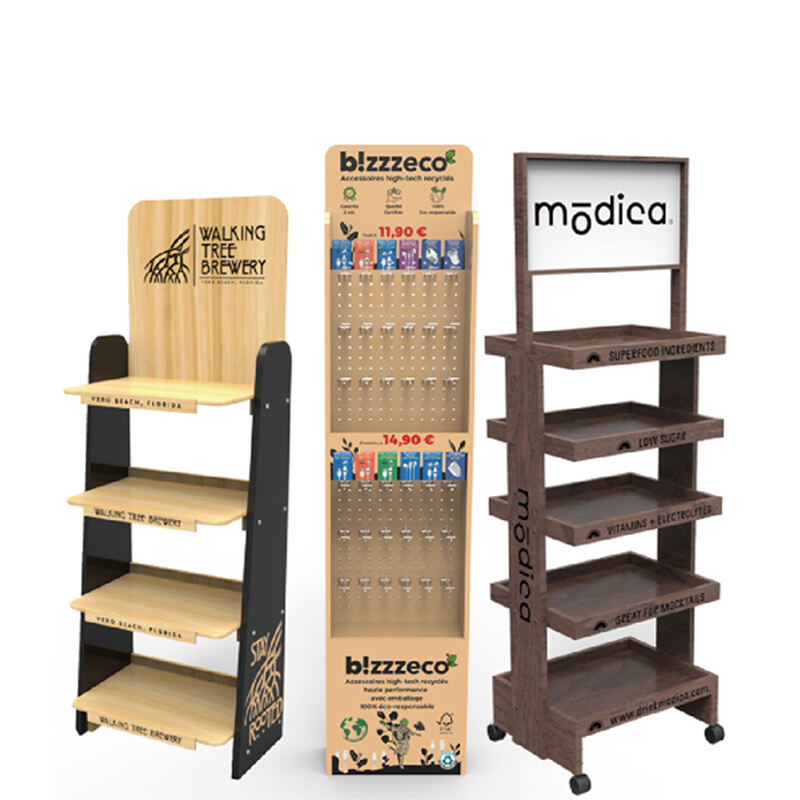
The growing emphasis on sustainable business practices has transformed how retailers approach their display strategies. Wood display stands represent a shift away from synthetic materials toward natural alternatives that support both marketing objectives and environmental goals. Understanding the comprehensive benefits of wooden display fixtures helps businesses make informed decisions that enhance their retail presence while demonstrating corporate responsibility.
Environmental Advantages of Wood Display Solutions
Renewable Resource Utilization
Wood stands out as one of nature's most renewable materials, making it an ideal choice for environmentally conscious retailers. Unlike plastic or metal alternatives, wood comes from trees that can be replanted and harvested sustainably. This cyclical nature ensures that choosing wooden display fixtures supports forest management practices while reducing dependence on finite resources. Responsibly sourced wood helps maintain healthy forest ecosystems while providing businesses with high-quality display materials.
The carbon footprint associated with wood production is significantly lower than synthetic alternatives. Trees naturally absorb carbon dioxide during growth, effectively storing carbon within the wood fibers even after harvesting. This carbon sequestration benefit means that wooden display stands continue to contribute positively to environmental health throughout their operational lifespan. Businesses can confidently promote their commitment to sustainability when utilizing wood-based display solutions.
Biodegradability and End-of-Life Benefits
When wooden display stands reach the end of their useful life, they offer disposal advantages unavailable with synthetic materials. Wood naturally biodegrades without leaving harmful residues in landfills or requiring energy-intensive recycling processes. This biodegradability ensures that wooden displays don't contribute to long-term environmental pollution, making them genuinely sustainable choices for forward-thinking retailers.
Additionally, worn or damaged wooden displays can often be repurposed or upcycled rather than discarded entirely. Creative retailers frequently transform old wood display stands into decorative elements, storage solutions, or components for new fixtures. This versatility extends the material's useful life while reducing waste streams and supporting circular economy principles.
Design Versatility and Aesthetic Appeal
Natural Beauty and Warmth
The inherent beauty of wood creates an inviting atmosphere that synthetic materials struggle to replicate. Each piece of wood features unique grain patterns, color variations, and natural characteristics that add authentic charm to retail environments. This organic aesthetic helps create emotional connections between customers and displayed products, potentially increasing engagement and purchase likelihood.
Wood's warm tones complement virtually any product category, from artisanal goods to high-tech electronics. The natural material provides an elegant backdrop that enhances product presentation without overwhelming the merchandise. This versatility makes wooden display stands suitable for diverse retail sectors, including fashion boutiques, electronics stores, craft markets, and specialty food retailers.
Customization Possibilities
Wood's workability allows for extensive customization options that meet specific retail requirements. Skilled craftspeople can shape, carve, and modify wooden displays to create unique configurations that align with brand aesthetics and functional needs. Whether retailers require specific dimensions, specialized compartments, or branded elements, wood accommodates these customization demands effectively.
Surface treatments further expand customization possibilities, enabling retailers to achieve desired finishes ranging from natural wood tones to painted colors that match brand palettes. Staining, varnishing, and other finishing techniques can protect the wood while enhancing its appearance. These treatment options ensure that a wood display stand can seamlessly integrate into any retail environment while maintaining its sustainable characteristics.
Durability and Structural Integrity
Long-Term Performance
Quality wooden display stands demonstrate exceptional longevity when properly constructed and maintained. Dense hardwoods like oak, maple, and cherry provide structural strength that withstands daily retail use while maintaining their appearance over time. This durability translates to reduced replacement costs and minimized environmental impact through extended product lifecycles.
The structural properties of wood make it suitable for supporting substantial weight loads without compromising stability. Properly engineered wooden displays can safely showcase heavy merchandise while maintaining their form and function. This reliability ensures that retailers can confidently use wooden fixtures for diverse product categories without worrying about structural failures or safety concerns.
Maintenance and Restoration
Unlike synthetic materials that may crack, fade, or deteriorate irreversibly, wooden display stands can often be restored to their original condition through refinishing processes. Minor scratches, dents, or surface wear can be addressed through sanding and re-finishing, effectively extending the display's useful life. This restoration capability provides excellent long-term value while maintaining the fixture's aesthetic appeal.
Regular maintenance requirements for wooden displays are typically minimal, involving periodic cleaning and occasional treatment with appropriate wood care products. These simple maintenance practices help preserve the wood's natural beauty while protecting it from environmental factors that could cause deterioration. The straightforward care requirements make wooden displays practical choices for busy retail environments.
Cost-Effectiveness and Value Proposition
Initial Investment Considerations
While high-quality wooden display stands may require a larger initial investment compared to basic plastic alternatives, their superior durability and longevity provide excellent value over time. The cost-per-use calculation often favors wooden displays due to their extended operational lifespan and reduced replacement frequency. Retailers benefit from this long-term perspective when evaluating display fixture investments.
The premium appearance of wooden displays can also justify higher price points for displayed merchandise, potentially increasing profit margins. Customers often perceive products showcased on quality wooden fixtures as more valuable, supporting premium positioning strategies. This perception advantage can contribute to improved sales performance and enhanced brand positioning.
Operational Benefits
Wooden display stands offer operational advantages that contribute to their overall value proposition. Their stability and weight distribution characteristics reduce the risk of tipping or displacement, minimizing product damage and associated costs. This stability also enhances customer safety by reducing the likelihood of accidents involving unstable displays.
The modular nature of many wooden display systems allows retailers to reconfigure layouts efficiently as needs change. This adaptability reduces the need for completely new fixtures when adjusting store layouts or accommodating seasonal merchandise changes. The flexibility supports dynamic retail environments while maximizing fixture utilization.
Brand Image and Customer Perception
Sustainability Messaging
Incorporating wooden display stands into retail environments sends a clear message about environmental responsibility and sustainable business practices. Today's consumers increasingly value brands that demonstrate genuine commitment to environmental protection. Visible use of sustainable materials like wood helps reinforce brand values while appealing to environmentally conscious shoppers.
The natural origin of wood resonates with consumers seeking authentic, eco-friendly shopping experiences. This alignment between display materials and consumer values can strengthen brand loyalty while attracting new customers who prioritize sustainability in their purchasing decisions. The visual impact of wooden displays supports broader sustainability marketing initiatives.
Premium Positioning Support
The sophisticated appearance of well-crafted wooden displays elevates the perceived quality of retail environments and displayed merchandise. This premium aesthetic supports higher-end positioning strategies while justifying elevated price points. Customers often associate natural materials with quality and craftsmanship, creating positive associations with featured products.
The tactile qualities of wood also enhance the sensory shopping experience, encouraging customers to engage more deeply with displays and merchandise. This increased engagement can lead to longer store visits and higher conversion rates. The multi-sensory appeal of wooden fixtures contributes to memorable shopping experiences that encourage repeat visits.
Industry Applications and Versatility
Retail Sector Adaptability
Wooden display stands serve diverse retail sectors effectively, from fashion and accessories to electronics and home goods. Their neutral aesthetic complements various product categories while providing flexible presentation options. Fashion retailers appreciate wood's ability to showcase clothing and accessories elegantly, while electronics stores benefit from the material's ability to create sophisticated technology presentations.
Specialty retailers, including artisanal food producers and craft vendors, find wooden displays particularly effective for reinforcing their authentic, handmade brand positioning. The natural material aligns perfectly with organic, locally-sourced, or handcrafted product stories. This alignment between display material and product narrative enhances overall brand coherence and customer trust.
Commercial and Trade Show Applications
Beyond traditional retail settings, wooden display stands excel in trade show and exhibition environments where companies need to create impactful presentations within temporary spaces. The portability and visual appeal of wooden displays make them ideal for showcasing products at industry events, craft fairs, and promotional activities.
The professional appearance of wooden displays helps businesses establish credibility and attract attention in competitive exhibition environments. Their durability ensures reliable performance through multiple events, while their customization options allow for branded presentations that reinforce company identity and marketing messages.
FAQ
How do wooden display stands compare to metal alternatives in terms of durability?
High-quality wooden display stands offer comparable durability to metal alternatives while providing superior aesthetic appeal and environmental benefits. Dense hardwoods can withstand substantial weight loads and daily use for many years when properly maintained. Unlike metal fixtures that may rust or corrode over time, wooden displays can be refinished and restored to maintain their appearance and functionality throughout their operational lifespan.
What maintenance is required to keep wooden display stands in optimal condition?
Wooden display stands require minimal maintenance consisting primarily of regular cleaning with appropriate wood-safe products and periodic application of protective finishes. Depending on usage intensity and environmental conditions, annual or bi-annual refinishing may be beneficial to maintain appearance and protection. Any minor damage such as scratches or dents can typically be addressed through simple repair and refinishing procedures.
Are wooden display stands suitable for outdoor or high-humidity retail environments?
With proper treatment and finishing, wooden display stands can perform well in challenging environments including outdoor settings and high-humidity locations. Marine-grade finishes and appropriate wood species selection ensure resistance to moisture and temperature fluctuations. However, these applications may require more frequent maintenance and specific treatment protocols to maintain optimal performance and appearance over time.
Can wooden display stands be customized to match specific brand requirements?
Wood's workability makes it highly suitable for customization to meet specific brand requirements including dimensions, configurations, finishes, and integrated branding elements. Skilled craftspeople can create unique designs that align with brand aesthetics while maintaining structural integrity and functionality. Custom finishing options include staining, painting, and specialized treatments that achieve desired appearances while preserving the wood's natural benefits.
Table of Contents
- Environmental Advantages of Wood Display Solutions
- Design Versatility and Aesthetic Appeal
- Durability and Structural Integrity
- Cost-Effectiveness and Value Proposition
- Brand Image and Customer Perception
- Industry Applications and Versatility
-
FAQ
- How do wooden display stands compare to metal alternatives in terms of durability?
- What maintenance is required to keep wooden display stands in optimal condition?
- Are wooden display stands suitable for outdoor or high-humidity retail environments?
- Can wooden display stands be customized to match specific brand requirements?