EN
EN

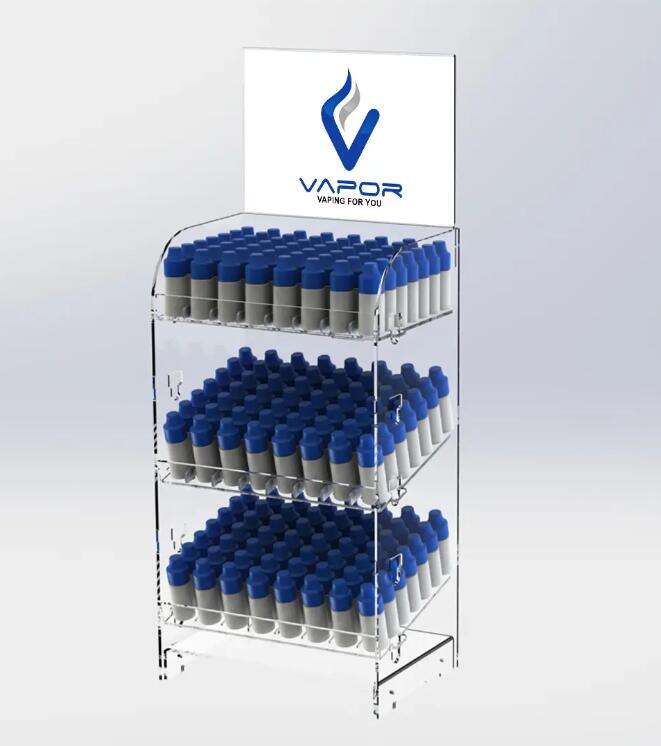
In today's competitive retail landscape, the visual appeal of product presentation can make or break a sale. Businesses across industries are increasingly turning to sophisticated display solutions that combine functionality with aesthetic excellence. Among the various materials available for creating compelling product showcases, acrylic has emerged as the undisputed champion for elegant displays. Its unique properties offer retailers, manufacturers, and businesses an unparalleled combination of durability, versatility, and visual impact that traditional materials simply cannot match.
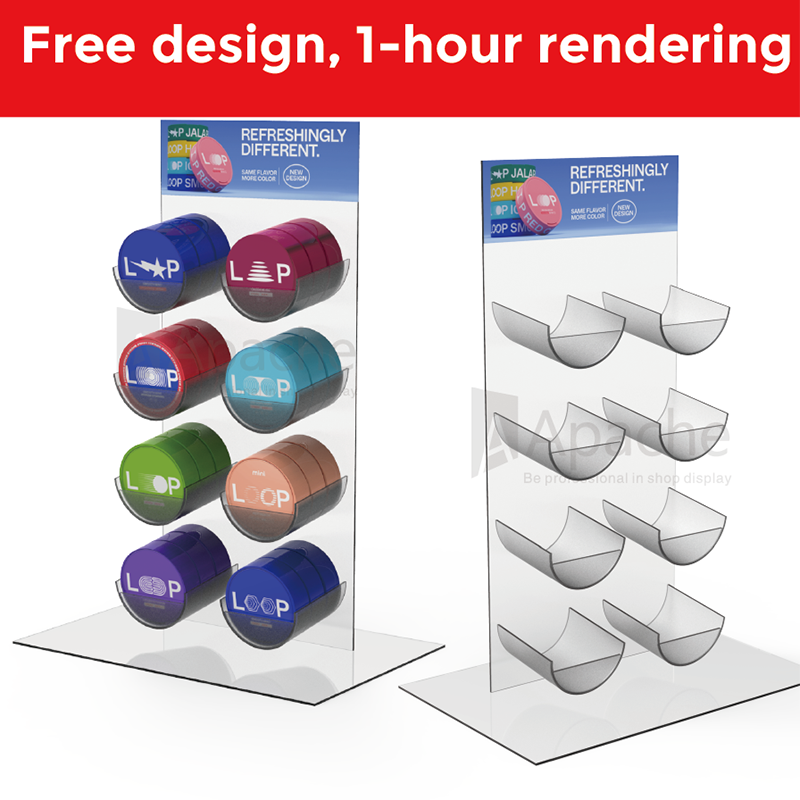
The transition from conventional display materials to acrylic represents more than just a trend; it reflects a fundamental shift in how businesses approach product presentation. Modern consumers expect premium experiences that reflect quality and attention to detail. When products are showcased using high-quality display solutions, they communicate value and professionalism that resonates with discerning customers. This comprehensive exploration reveals why acrylic has become the material of choice for businesses seeking to elevate their display strategies.
Superior Optical Clarity and Visual Impact
Crystal-Clear Transparency
Acrylic's most distinctive feature is its exceptional optical clarity, which surpasses even glass in terms of light transmission. This remarkable transparency allows products to be showcased without any visual interference or distortion. Unlike glass, which can have a slight greenish tint, acrylic maintains perfect color accuracy, ensuring that products appear exactly as intended. The material's ability to transmit up to 92% of visible light creates an almost invisible barrier between the product and the customer, allowing for unobstructed viewing from multiple angles.
The superior clarity of acrylic becomes particularly important in retail environments where color accuracy is crucial. Cosmetics, jewelry, electronics, and fashion accessories all benefit from this pristine presentation quality. When customers can see products clearly and accurately, they develop greater confidence in their purchasing decisions. This visual authenticity translates directly into improved sales performance and customer satisfaction rates.
Enhanced Light Management
Beyond basic transparency, acrylic offers sophisticated light management capabilities that can dramatically enhance product presentation. The material can be engineered to diffuse light evenly, eliminating harsh shadows and creating a soft, professional illumination effect. This property is particularly valuable for displaying delicate items or products with intricate details that require optimal lighting conditions to be fully appreciated.
Advanced acrylic formulations can also incorporate light-guiding properties, allowing for edge-lit displays that create stunning visual effects. These capabilities enable businesses to create dynamic, eye-catching presentations that draw customer attention while maintaining the elegant simplicity that acrylic is known for. The result is a display solution that not only showcases products effectively but also contributes to the overall ambiance of the retail environment.
Unmatched Durability and Longevity
Impact Resistance and Safety
One of the most compelling advantages of acrylic display solutions is their exceptional impact resistance. Unlike glass, which can shatter into dangerous fragments, acrylic is virtually unbreakable under normal use conditions. This safety advantage is particularly important in high-traffic retail environments, educational institutions, and public spaces where the risk of accidental impact is elevated. When acrylic does experience extreme force, it tends to crack rather than shatter, maintaining its structural integrity and eliminating safety hazards.
The impact resistance of acrylic extends the lifespan of display installations significantly, reducing replacement costs and minimizing downtime. Businesses can invest in acrylic display solutions with confidence, knowing that their investment will provide years of reliable service. This durability factor is especially valuable for permanent installations or displays that will be subject to frequent handling or transportation.
Weather and Environmental Resistance
Acrylic exhibits remarkable resistance to environmental factors that can degrade other display materials over time. Unlike wood or metal, acrylic does not warp, rust, or decay when exposed to moisture. Its UV-resistant properties prevent yellowing and degradation even under prolonged exposure to sunlight, making it suitable for both indoor and outdoor applications. This environmental stability ensures that displays maintain their pristine appearance throughout their service life.
Temperature fluctuations that might cause other materials to expand, contract, or crack have minimal effect on properly formulated acrylic. This thermal stability is particularly valuable in environments where temperature control is inconsistent or in outdoor applications where seasonal variations are significant. The material's ability to maintain dimensional stability under varying conditions ensures that displays remain properly aligned and functional regardless of environmental challenges.
Design Flexibility and Customization Options
Unlimited Shape and Form Possibilities
Acrylic's remarkable workability allows designers and manufacturers to create display solutions in virtually any conceivable shape or configuration. The material can be cut, bent, joined, and molded using various techniques, enabling the creation of complex three-dimensional structures that would be impossible or prohibitively expensive with other materials. This flexibility opens up endless possibilities for creative display designs that can be tailored to specific products, spaces, or branding requirements.
Modern fabrication techniques allow for seamless joints and smooth curves that create elegant, flowing designs. Whether the requirement is for simple geometric forms or complex organic shapes, acrylic can be manipulated to achieve the desired aesthetic. This adaptability makes it possible to create unique, branded display solutions that reinforce corporate identity while providing optimal product presentation functionality.
Color and Texture Variations
While crystal-clear acrylic remains the most popular choice for display applications, the material is available in an extensive range of colors, tints, and textures. Colored acrylics can be used to create themed displays that complement product packaging or corporate branding schemes. Tinted versions can provide subtle enhancement effects, while textured surfaces can add tactile interest or reduce glare in certain lighting conditions.
Special effect acrylics, including frosted, mirrored, and iridescent varieties, offer additional design possibilities for creating distinctive display solutions. These variations allow designers to create layered visual effects, play with reflections, or achieve specific aesthetic goals. The ability to combine different acrylic types within a single display creates opportunities for sophisticated design solutions that engage customers on multiple sensory levels.
Cost-Effectiveness and Practical Benefits
Manufacturing and Installation Efficiency
Despite its premium appearance and performance characteristics, acrylic offers significant cost advantages compared to glass and many other display materials. The material is lighter than glass, reducing shipping costs and making installation easier and safer. This weight advantage also reduces the structural requirements for mounting and support systems, leading to additional cost savings in display system design and implementation.
Acrylic's workability translates directly into manufacturing efficiency. Complex shapes that might require expensive tooling or multiple components in other materials can often be created from single pieces of acrylic using standard fabrication techniques. This manufacturing simplicity reduces production time, minimizes assembly requirements, and ultimately delivers cost savings that can be passed on to customers while maintaining healthy profit margins.
Maintenance and Lifecycle Costs
The long-term cost benefits of acrylic displays extend well beyond initial purchase price. The material's durability means that replacements are infrequent, reducing ongoing capital expenses. Maintenance requirements are minimal, typically involving only periodic cleaning with mild soap and water. Unlike metal displays that may require repainting or wood displays that need refinishing, acrylic maintains its appearance with minimal intervention.
When cleaning is required, acrylic's smooth, non-porous surface makes the process quick and effective. The material does not harbor bacteria or odors, making it particularly suitable for food service applications or environments where hygiene is paramount. This easy maintenance characteristic reduces labor costs and ensures that displays always present a professional appearance to customers.
Industry Applications and Success Stories
Retail and Commercial Environments
Retail environments represent the largest market for acrylic display stand solutions, where their ability to enhance product presentation directly impacts sales performance. Luxury retailers particularly value acrylic's premium appearance and ability to create sophisticated brand experiences. From jewelry showcases to electronics displays, acrylic provides the perfect combination of security, visibility, and aesthetic appeal that high-end retail environments demand.
Department stores and specialty retailers use acrylic displays to create flexible merchandising solutions that can be easily reconfigured as inventory changes. The material's lightweight nature makes it practical for staff to rearrange displays frequently, enabling dynamic merchandising strategies that keep the retail environment fresh and engaging. This operational flexibility represents a significant advantage over heavier, more permanent display solutions.
Museums and Educational Institutions
Museums and educational institutions have embraced acrylic display solutions for their ability to protect valuable artifacts while maintaining optimal visibility. The material's UV resistance helps preserve sensitive items from light damage, while its impact resistance provides security against accidental damage. These protective qualities, combined with exceptional clarity, make acrylic ideal for displaying everything from historical documents to scientific specimens.
Interactive displays in educational settings benefit from acrylic's durability and safety characteristics. Students can engage with displays without the risk associated with glass, while educators can be confident that their teaching materials are protected. The material's ability to be fabricated into complex shapes also enables the creation of engaging, hands-on learning experiences that enhance educational outcomes.
Manufacturing Excellence and Quality Considerations
Advanced Production Techniques
The quality of acrylic display solutions depends heavily on manufacturing expertise and attention to detail. Leading manufacturers employ advanced production techniques including precision cutting, flame polishing, and specialized joining methods to create seamless, professional-quality displays. Computer-controlled cutting systems ensure dimensional accuracy, while skilled craftsmen perform finishing operations that achieve the optical quality that acrylic is known for.
Quality control procedures throughout the manufacturing process ensure that each display meets exacting standards for clarity, dimensional accuracy, and structural integrity. This attention to quality is reflected in the final product's appearance and performance, justifying the investment in premium acrylic solutions. Manufacturers who maintain these high standards build reputations for excellence that benefit both their business and their customers' success.
Sustainable Manufacturing Practices
Environmental considerations increasingly influence material selection decisions, and acrylic offers several sustainability advantages. The material is fully recyclable, and modern manufacturing processes minimize waste through efficient material utilization and recycling of production scraps. Energy-efficient production techniques and reduced transportation requirements due to the material's light weight contribute to a smaller overall environmental footprint.
Sustainable acrylic formulations are being developed that incorporate recycled content while maintaining the performance characteristics that make the material valuable for display applications. These developments align with corporate sustainability goals while providing the functionality and aesthetic appeal that businesses require. The long service life of acrylic displays also contributes to sustainability by reducing replacement frequency and associated resource consumption.
FAQ
How does acrylic compare to glass for display applications
Acrylic offers several key advantages over glass for display purposes. It provides superior impact resistance, making it much safer in high-traffic environments. Acrylic is also significantly lighter than glass, reducing shipping costs and making installation easier. While both materials offer excellent clarity, acrylic can be more easily fabricated into complex shapes and joined seamlessly. Additionally, acrylic does not shatter into dangerous fragments if damaged, making it the safer choice for most applications.
What maintenance is required for acrylic displays
Acrylic displays require minimal maintenance to maintain their appearance and functionality. Regular cleaning with mild soap and water is typically sufficient to remove dust and fingerprints. Avoid using abrasive cleaners or rough cloths that could scratch the surface. For deeper cleaning, specialized acrylic cleaners can restore optimal clarity. The non-porous surface of acrylic resists staining and does not harbor bacteria, making maintenance simple and hygienic.
Can acrylic displays be used outdoors
High-quality acrylic displays are suitable for outdoor use when properly formulated with UV stabilizers. These additives prevent yellowing and degradation from prolonged sun exposure. Acrylic's weather resistance makes it superior to many other materials for outdoor applications, as it will not rust, warp, or decay like metal or wood alternatives. However, it's important to choose acrylic specifically rated for outdoor use and to follow manufacturer guidelines for optimal performance.
What customization options are available for acrylic displays
Acrylic offers virtually unlimited customization possibilities. The material can be cut into any shape, bent to create curves, and joined to form complex three-dimensional structures. Color options include clear, tinted, colored, frosted, and mirrored varieties. Printing and engraving techniques can add logos, text, or decorative elements. LED integration is possible for illuminated displays. Custom mounting systems, locks, and hardware can be incorporated to meet specific functional requirements while maintaining aesthetic appeal.