EN
EN

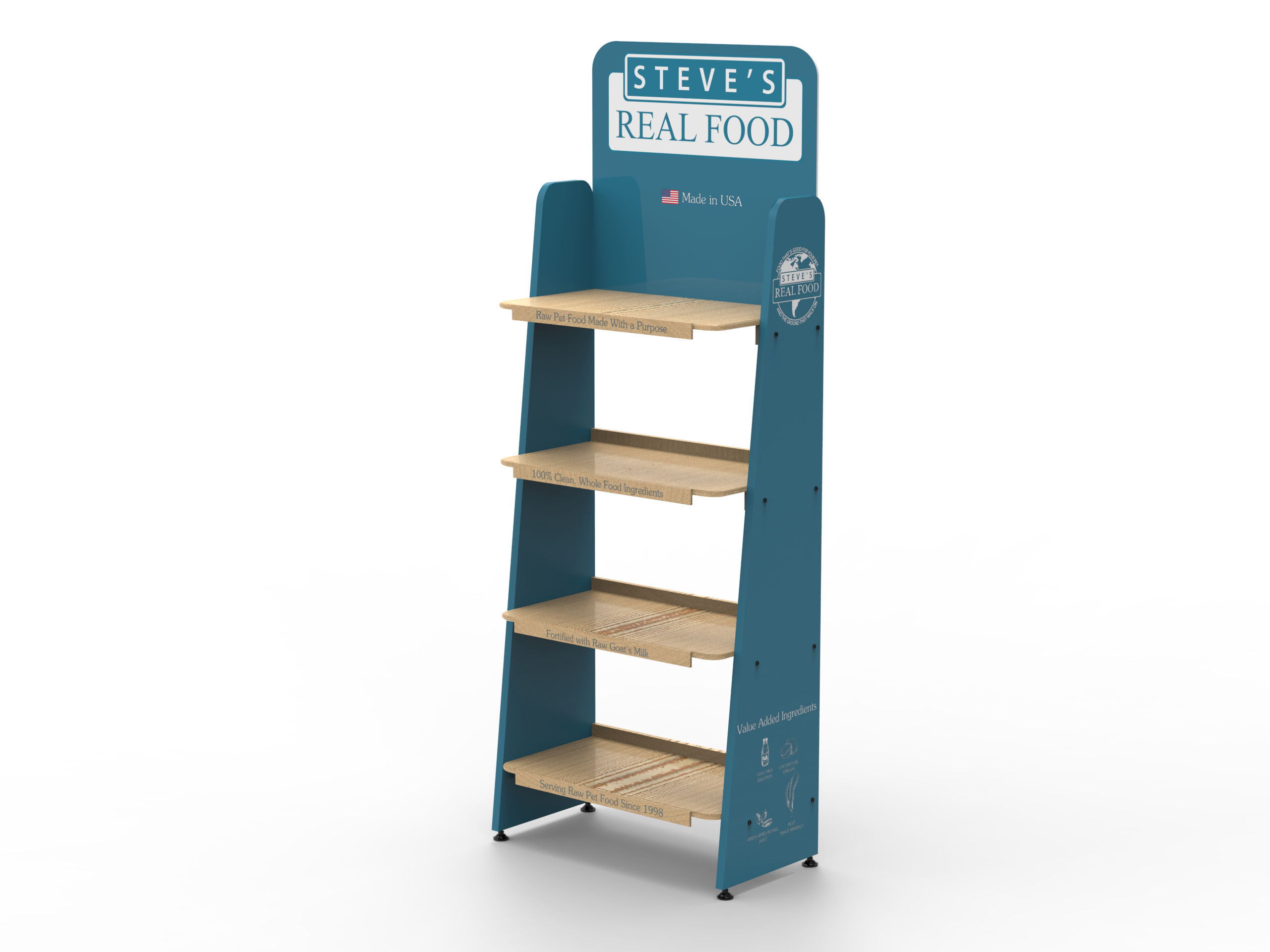
Choosing between a wood display stand and an acrylic display stand can significantly impact your retail presentation and brand perception. Both materials offer distinct advantages and limitations that directly influence how your products are showcased, how long your investment lasts, and how much you ultimately spend on merchandising solutions. Understanding the key differences between these two popular display stand options enables retailers, brand managers, and visual merchandisers to make informed decisions aligned with their specific business needs, aesthetic goals, and budget constraints.
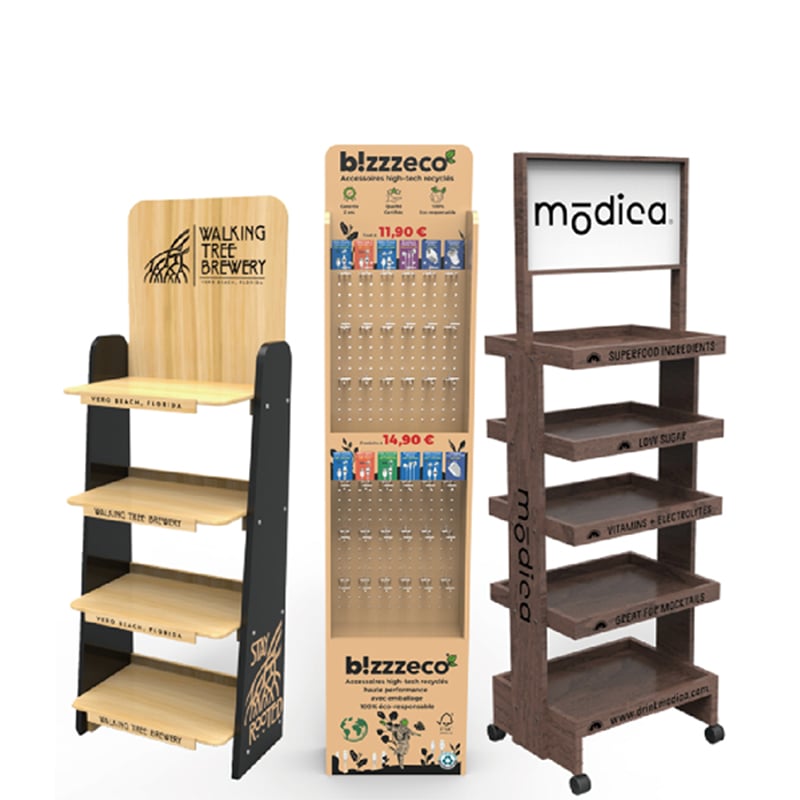
The decision between wood and acrylic for your display stand goes beyond simple preference. Each material carries practical implications for product visibility, durability under heavy use, maintenance requirements, and long-term cost of ownership. Whether you operate a high-end boutique, a supermarket, a trade show booth, or a specialty retail environment, the choice of your display stand material directly affects customer perception, product protection, and your bottom line.
Durability and Longevity of Display Stand Materials
Wood Display Stand Resilience
A wood display stand offers natural strength and proven durability when properly constructed and maintained. Solid wood types such as pine, oak, or birch can withstand years of regular handling, product placement, and environmental stress without structural failure. Unlike more brittle materials, a display stand made from quality wood can endure accidental impacts, temperature fluctuations, and moderate humidity changes without cracking or breaking. Many retailers report that their wood display stand units remain functional and attractive for five to ten years or longer with basic care and periodic refinishing.
Acrylic Display Stand Durability Challenges
An acrylic display stand provides excellent clarity and modern aesthetics but requires more cautious handling. Acrylic is susceptible to scratches, cracks, and stress fractures when subjected to sharp impacts, heavy loads, or extreme temperature swings. While a quality display stand constructed from thick acrylic can last many years in controlled environments, it typically shows visible wear faster than wood counterparts. Outdoor applications or high-traffic retail zones accelerate deterioration of an acrylic display stand, potentially limiting its useful lifespan to three to five years in demanding settings.
Aesthetic Appeal and Brand Positioning
Wood Display Stand Visual Impact
A wood display stand projects warmth, authenticity, and craftsmanship that resonates strongly with premium and eco-conscious brands. The natural grain patterns, rich colors, and tactile finish of a display stand built from wood create an inviting, high-end retail atmosphere. Luxury brands, artisanal producers, and environmentally focused companies frequently choose a wood display stand to reinforce their brand story and connect emotionally with customers. Custom finishing options including staining, painting, and decorative elements allow a display stand to seamlessly integrate with any store design or brand identity.
Acrylic Display Stand Modern Elegance
An acrylic display stand delivers contemporary sophistication and minimalist appeal that complements modern retail environments. The crystal-clear transparency of an acrylic display stand allows products to take center stage without visual competition from the stand itself. Tech-focused brands, cosmetic companies, and high-fashion retailers favor a display stand made from acrylic for its sleek, professional appearance. The neutral aesthetic of an acrylic display stand works effectively in minimalist settings, museum exhibitions, and upscale jewelry or perfume showcases where the product must dominate visual attention.
Cost Considerations and Investment Value
Wood Display Stand Pricing Structure
A wood display stand typically requires a higher initial investment than basic acrylic alternatives, but offers superior long-term value. Quality materials, skilled craftsmanship, and customization options contribute to the upfront cost of a display stand constructed from solid wood. However, the extended lifespan, minimal maintenance requirements, and ability to refinish or restore a wood display stand mean the cost per year of use often proves competitive. Many businesses discover that investing in a durable display stand made from quality wood reduces total ownership costs compared to repeatedly replacing cheaper alternatives.
Acrylic Display Stand Cost Analysis
An acrylic display stand generally offers lower initial purchase prices, making it attractive for budget-conscious retailers and temporary installations. Production of a display stand from acrylic involves simpler manufacturing processes and lower material costs than custom wood solutions. However, the shorter functional lifespan of an acrylic display stand means more frequent replacement cycles and potentially higher cumulative expenses. Businesses operating on tight margins or requiring flexible merchandising solutions may find a budget-friendly display stand from acrylic suitable, while those seeking lasting value often choose a display stand built from wood.
Practical Functionality and Maintenance
Wood Display Stand Maintenance Requirements
Maintaining a wood display stand involves regular dusting, occasional polishing, and periodic deep cleaning to preserve appearance and finish. Protecting a display stand from excessive moisture, direct sunlight, and temperature extremes extends its life significantly. Wood stains and water marks can typically be addressed through refinishing, allowing a display stand to maintain its aesthetic appeal for years. The ease of repairing damage to a wood display stand—such as filling scratches or replacing damaged sections—means minor wear does not necessitate full replacement of your display stand.
Acrylic Display Stand Care Protocols
An acrylic display stand requires gentle cleaning to avoid scratching the transparent surfaces. Using soft, non-abrasive cloths and specialized acrylic cleaners prevents clouding or surface damage to your display stand. Unlike a wood display stand, repairs to an acrylic display stand are limited; cracks typically require complete section replacement rather than cosmetic restoration. The sensitivity of an acrylic display stand to chemical cleaners, rough handling, and temperature fluctuations demands more careful operational protocols and protective practices in busy retail environments.
Environmental and Sustainability Considerations
Wood Display Stand Eco-Friendly Profile
A wood display stand constructed from sustainably harvested timber offers strong environmental credentials for brand-conscious retailers. The biodegradable nature of a display stand made from wood means end-of-life disposal causes minimal environmental impact compared to synthetic alternatives. Many manufacturers now offer a display stand featuring reclaimed or FSC-certified wood, appealing to customers prioritizing sustainability. The renewable and natural origin of a wood display stand aligns with growing consumer preferences for environmentally responsible retail practices.
Acrylic Display Stand Environmental Impact
An acrylic display stand presents sustainability challenges due to its plastic-based composition and limited recyclability. The production process of an acrylic display stand generates greater carbon emissions compared to natural wood alternatives. While a display stand can be recycled in specialized facilities, most acrylic ends up in landfills after disposal. Retailers committed to environmental responsibility may view a wood display stand as the more sustainable choice, though high-quality acrylic that lasts longer can reduce replacement waste.
Application Scenarios and Best-Fit Use Cases
When to Choose a Wood Display Stand
A wood display stand excels in premium retail environments, artisanal marketplaces, luxury boutiques, and heritage brand settings. Choose a display stand made from wood when brand storytelling, emotional connection, and perceived quality matter most to your target customers. A display stand works particularly well for showcasing home goods, artisan products, fine jewelry, wine, craft beverages, and environmentally conscious brands. Trade shows, pop-up shops, and temporary exhibitions benefit from a durable display stand that can be reused and reconfigured across multiple events.
When to Choose an Acrylic Display Stand
An acrylic display stand serves contemporary retailers, technology companies, cosmetics brands, and minimalist boutiques effectively. Select an acrylic display stand when product visibility and clean aesthetic lines take priority over tactile warmth and sustainability messaging. A display stand from acrylic suits pharmaceutical displays, museum exhibitions, jewelry showcases, and perfume counters where transparency enhances product perception. Budget-conscious retailers launching new concepts or testing market viability often select an acrylic display stand for lower initial investment and flexible implementation.
FAQ
How long does a typical wood display stand last compared to an acrylic display stand?
A well-maintained wood display stand typically lasts five to ten years or longer, while an acrylic display stand generally remains functional for three to five years before visible wear accumulates. The actual lifespan of either display stand depends on usage intensity, environmental conditions, and maintenance practices. A wood display stand can be restored or refinished to extend its life further, whereas an acrylic display stand has more limited repair options once damaged.
What makes a wood display stand more expensive than an acrylic display stand?
A wood display stand costs more due to higher material expenses, skilled labor requirements, customization options, and superior durability. Acrylic is cheaper to source and manufacture, reducing production costs for an acrylic display stand. Despite the higher upfront cost, a wood display stand often delivers lower cost-per-year of ownership due to its extended lifespan and minimal replacement frequency compared to a budget acrylic display stand.
Which display stand material better supports sustainability goals for retail brands?
A wood display stand from sustainably sourced timber offers stronger environmental credentials than an acrylic display stand. A wood display stand is biodegradable and renewable, aligning with modern sustainability preferences, while an acrylic display stand depends on petroleum-based plastics and presents recyclability challenges. For brands prioritizing environmental responsibility, a wood display stand represents the more sustainable merchandising solution.