EN
EN

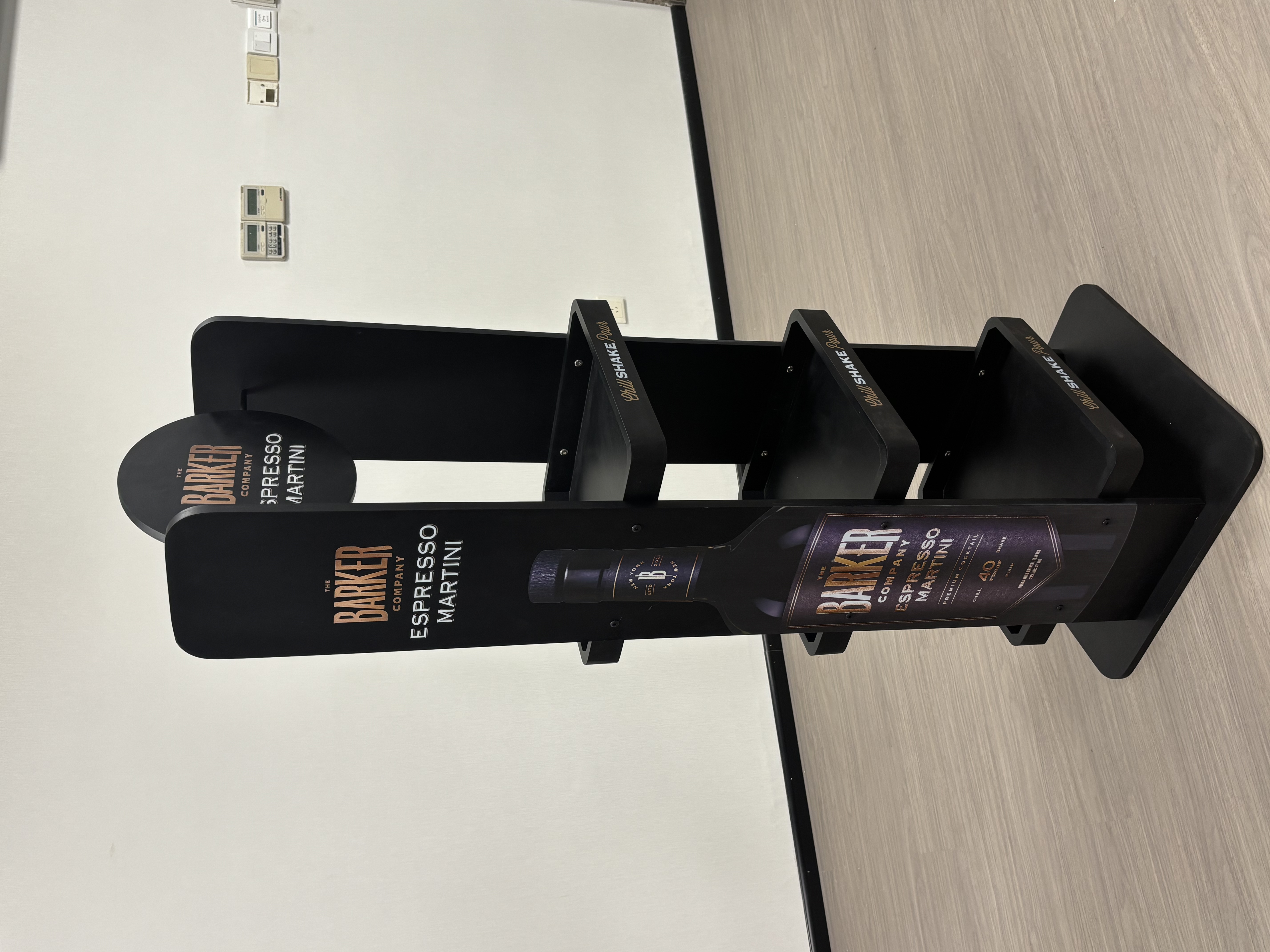
In today's competitive retail environment, capturing consumer attention at the critical moment of purchase has become increasingly challenging. Brands invest heavily in marketing campaigns, yet many overlook the powerful influence of strategic in-store merchandising. A pop display serves as a tactical tool that transforms passive shelf presence into active consumer engagement, driving impulse purchases and reinforcing brand visibility exactly where purchasing decisions occur. Understanding what constitutes an effective point-of-purchase display and recognizing its strategic value can fundamentally change how your brand competes in crowded retail spaces.
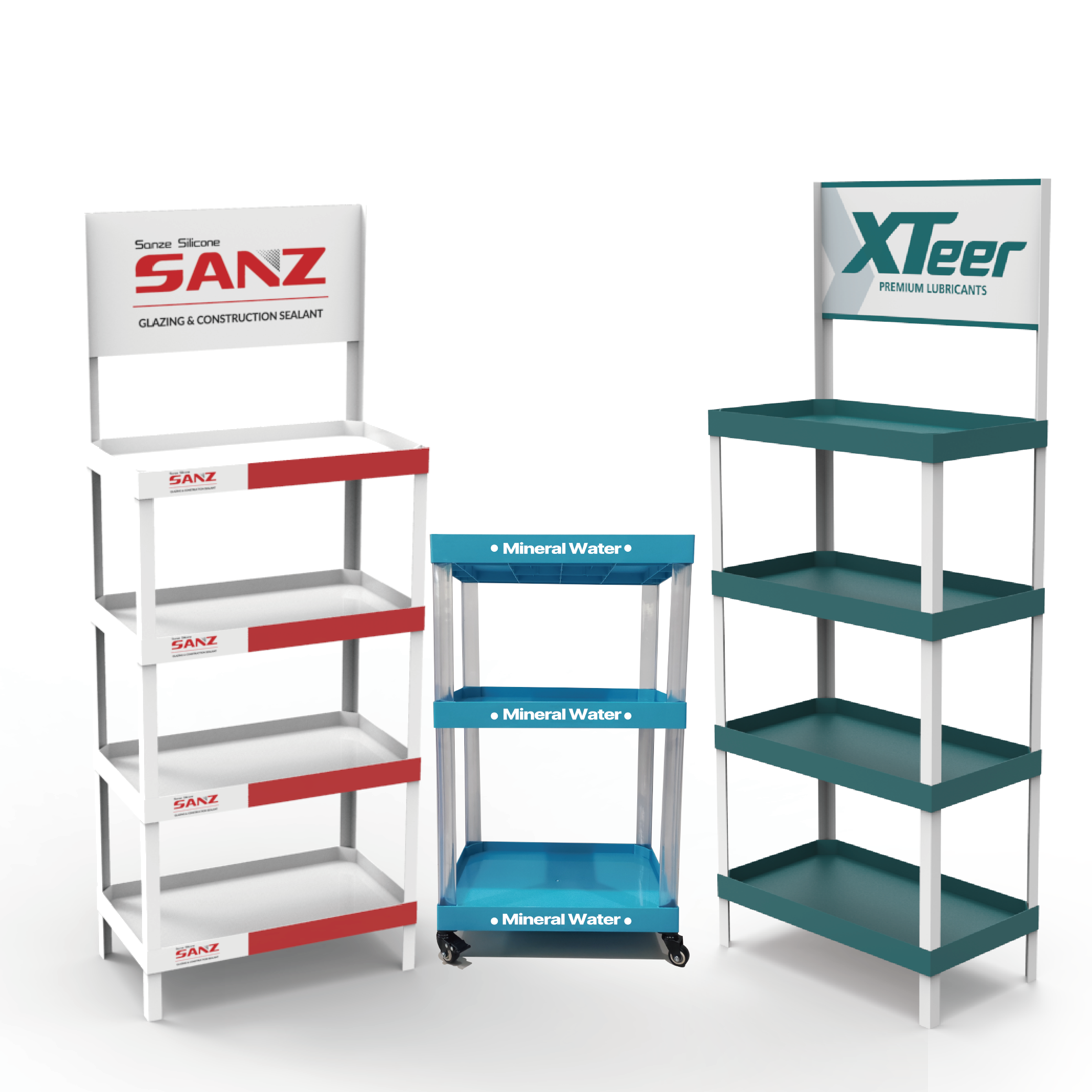
The term pop display refers specifically to point-of-purchase display structures designed to showcase products in high-traffic retail areas beyond traditional shelving. These specialized fixtures range from simple countertop units to elaborate floor-standing installations, each engineered to interrupt shopping patterns and draw attention to featured merchandise. Unlike permanent store fixtures, pop displays offer brands temporary yet highly visible real estate in strategic locations such as checkout lanes, aisle endcaps, store entrances, and other decision-making zones where consumers demonstrate highest purchase receptivity. The business case for incorporating these displays into your retail strategy extends far beyond mere product presentation, encompassing measurable impacts on sales velocity, brand awareness, inventory turnover, and competitive positioning within category spaces.
Defining the Point-of-Purchase Display and Its Core Functions
What Distinguishes a POP Display from Standard Retail Fixtures
A pop display fundamentally differs from permanent store shelving through its temporary placement, promotional focus, and dedicated brand ownership. While standard fixtures serve general merchandising needs across multiple brands, a point-of-purchase display operates as branded real estate controlled entirely by a single manufacturer or product line. These displays typically feature custom graphics, product-specific configurations, and strategic positioning designed to maximize visibility during the final stages of the shopping journey. The temporary nature allows retailers to refresh merchandising strategies seasonally, align with promotional calendars, and test new product introductions without permanent fixture commitments.
The structural design of these displays prioritizes accessibility and visual impact over storage efficiency. Most pop display units incorporate open-face construction, angled shelving, or tiered platforms that present products at optimal viewing angles rather than maximizing cubic storage capacity. This design philosophy recognizes that the primary function involves stimulating unplanned purchases rather than serving as inventory holding systems. Materials selection reflects this priority, with manufacturers frequently employing lightweight yet durable substrates such as corrugated cardboard, injection-molded plastics, wire frameworks, or composite materials that balance cost considerations against expected display lifespan and brand image requirements.
The Strategic Positioning Logic Behind Point-of-Purchase Marketing
Effective pop display placement leverages consumer behavioral patterns and traffic flow analysis within retail environments. Research consistently demonstrates that purchase decisions for many product categories remain fluid until the final moments before checkout, creating opportunities for strategic intervention through well-positioned displays. High-performing locations include checkout queues where captive audiences exhibit extended dwell times, aisle endcaps that benefit from cross-traffic from multiple directions, store entrance zones where consumers demonstrate heightened receptivity to new information, and category adjacencies that enable complementary product suggestions.
The positioning strategy also considers the consumer decision-making stage appropriate for different display types. Impulse-oriented pop displays near checkout counters target low-consideration purchases where convenience and immediate appeal drive conversions. Meanwhile, educational displays positioned within product categories support comparison shopping by highlighting differentiating features, usage applications, or value propositions that influence selection among competing options. Understanding this positioning logic enables brands to match display design, messaging complexity, and product assortment to the specific cognitive state consumers exhibit at each retail touchpoint.
Material Engineering and Structural Considerations for Display Performance
The physical construction of a pop display directly impacts both its functional lifespan and its ability to maintain brand presentation standards throughout deployment. Material selection balances multiple considerations including weight capacity requirements, expected usage duration, shipping and assembly constraints, environmental conditions, and brand perception implications. Corrugated cardboard displays offer cost efficiency and recyclability suitable for short-term promotions, while injection-molded plastic constructions provide durability appropriate for longer campaigns or reusable fixtures across multiple retail locations.
Structural engineering addresses practical challenges including product weight distribution, display stability under customer interaction, assembly simplicity for retail staff, and shipping efficiency to minimize logistics costs. Advanced pop display designs incorporate features such as reinforced shelving supports, anti-tip base configurations, tool-free assembly systems, and modular components that allow configuration flexibility across varying retail footprints. The engineering process must also account for retail environment variables including floor surface irregularities, ambient temperature fluctuations, lighting conditions that affect graphic visibility, and spatial constraints imposed by store layouts and competitive fixtures.
The Business Impact and Strategic Value of POP Displays
Quantifiable Sales Lift and Revenue Generation Potential
Documented case studies across retail categories consistently demonstrate that well-executed pop displays generate measurable sales increases compared to standard shelf placement alone. Industry research indicates that point-of-purchase merchandising can elevate product sales by margins ranging from thirty to several hundred percent during active display periods, with performance variation reflecting factors such as product category, display quality, positioning effectiveness, and promotional coordination. These sales lifts translate directly to revenue impacts that typically justify display investment costs within abbreviated payback periods, particularly for products operating in competitive categories where shelf visibility alone proves insufficient for market share maintenance.
The revenue generation mechanism operates through multiple channels beyond simple visibility enhancement. Pop displays increase purchase incidence by capturing attention from consumers who might otherwise overlook products on standard shelving, elevate basket sizes by suggesting complementary items or larger package configurations, accelerate purchase timing by creating urgency through promotional messaging, and improve conversion rates by reducing friction in the decision-making process through clear product information and accessibility. These combined effects create multiplicative rather than merely additive value, explaining why brands across sectors from consumer packaged goods to electronics consistently prioritize point-of-purchase investment within marketing budgets.
Brand Awareness Enhancement and Market Positioning Reinforcement
Beyond immediate transactional impact, pop displays serve strategic brand-building functions that extend value beyond campaign duration. Prominent in-store presence reinforces brand recognition through repeated exposure, strengthens perceived market leadership by commanding premium retail real estate, and communicates brand investment commitment that influences both consumer perception and retailer relationships. For product launches or market expansions, dedicated display fixtures provide crucial differentiation from established competitors while educating consumers about new offerings in contexts where purchase consideration naturally occurs.
The brand equity impact proves particularly significant in categories where consumers make quick decisions based on recognition rather than detailed comparison. A distinctive pop display establishes visual anchors that improve recall during subsequent shopping occasions, even when the temporary display no longer occupies premium positioning. This residual effect means that display investments deliver value extending beyond active deployment periods, contributing to long-term brand asset development rather than functioning purely as short-term sales tactics. Strategic brands recognize this dual function and design display programs that balance immediate conversion objectives with sustained awareness building across multiple retail cycles.
Competitive Advantage and Category Space Dominance
In crowded retail categories, securing incremental merchandising space through pop displays creates zero-sum competitive dynamics where your brand's visibility gains directly correspond to attention losses for competitors. Retailers allocate limited prime positioning opportunities selectively, meaning brands that secure these placements effectively exclude rivals from equivalent exposure. This competitive blocking function often justifies display investments even in scenarios where direct ROI calculations appear marginal, as the strategic value of denying competitors access to high-conversion locations factors into comprehensive business impact assessment.
Category leadership perception correlates strongly with visual merchandising dominance within retail environments. Consumers unconsciously associate prominent display presence with market success, quality assurance, and category expertise, creating halo effects that influence purchase decisions beyond the specific products featured on displays. Brands leveraging consistent pop display programs across retail networks establish psychological positioning advantages that manifest in improved price resilience, enhanced new product launch success rates, and strengthened retailer negotiating positions. These strategic advantages compound over time, creating barriers to entry for new competitors while defending market share against established rivals.
Design Principles and Execution Excellence for Maximum Display Effectiveness
Visual Hierarchy and Attention-Capturing Design Elements
Effective pop display design applies established principles of visual communication to compete successfully within cluttered retail environments. The design process begins with establishing clear visual hierarchy that guides consumer attention through deliberate sequencing from initial attention capture to product identification to purchase motivation. Primary design elements including bold graphics, contrasting color schemes, strategic lighting integration, and dimensional construction techniques combine to interrupt ambient shopping patterns and create memorable brand moments that influence immediate and future purchase behavior.
Color psychology plays particularly important roles in pop display effectiveness, with research demonstrating that specific color combinations generate measurably different consumer responses. High-contrast palettes including complementary color relationships capture attention more effectively than monochromatic schemes, while color selections aligned with established brand identity systems reinforce recognition and credibility. Dimensional design elements such as extruded headers, layered graphic panels, or sculptural product holders add visual interest that elevates displays above surrounding two-dimensional merchandising, creating perceived value that translates to enhanced product desirability and willingness to engage with featured offerings.
Information Architecture and Persuasive Messaging Strategies
The messaging hierarchy on successful pop displays balances immediate impact requirements with information depth sufficient to motivate purchase decisions. Primary messaging typically emphasizes core brand identity and product category through large-format typography and iconic imagery, establishing immediate recognition within fraction-of-second attention windows. Secondary messaging layers communicate key differentiating benefits, promotional offers, or usage suggestions that support conversion among consumers who progress beyond initial awareness to active consideration stages.
Message complexity must calibrate to both product category characteristics and specific display positioning contexts. Impulse-purchase displays near checkout areas benefit from simplified messaging that emphasizes immediate gratification, convenient pricing, or impulse triggers including limited availability or seasonal relevance. Conversely, displays positioned within shopping categories can support more detailed information architectures including feature comparisons, usage instructions, or quality certifications that address considered purchase decision factors. Understanding this messaging calibration prevents common errors where either insufficient information fails to motivate uncertain consumers or excessive complexity overwhelms attention spans in low-engagement contexts.
Practical Functionality and User Experience Optimization
Beyond aesthetic considerations, successful pop display design prioritizes practical functionality that facilitates effortless consumer interaction and maintains presentation quality throughout deployment periods. Product accessibility represents a critical design parameter, with optimal configurations placing featured items within comfortable reach zones, providing clear sightlines to product details and pricing, and minimizing physical barriers that might inhibit hands-on evaluation. Displays that require awkward reaching, bending, or navigation around structural obstacles demonstrate measurably lower conversion rates regardless of visual appeal.
Maintenance considerations impact long-term display effectiveness as retail environments subject fixtures to continuous wear including customer handling, restocking activities, cleaning procedures, and incidental contact. Durable construction details such as reinforced graphic protection, scratch-resistant finishes, easily replaceable components, and damage-concealing color selections help displays maintain professional appearance throughout extended deployments. Additionally, restocking efficiency affects retailer willingness to maintain proper product presentation, making designs that facilitate quick, intuitive replenishment more likely to achieve sustained performance compared to configurations requiring complex procedures that busy retail staff may neglect during peak operational periods.
Implementation Strategy and Retail Partnership Considerations
Retailer Collaboration and Placement Negotiation Dynamics
Securing optimal pop display placement requires understanding retailer motivations and constraints that govern merchandising decisions. Retailers evaluate display proposals based on multiple criteria including expected sales lift and category growth contribution, spatial efficiency and compatibility with existing floor plans, assembly and maintenance resource requirements, brand equity and consumer appeal of featured products, and alignment with broader merchandising strategies including seasonal themes or promotional calendars. Successful brand teams frame display proposals emphasizing mutual benefits rather than solely manufacturer objectives, demonstrating how proposed fixtures advance retailer goals around traffic generation, basket size enhancement, or category development.
Negotiation leverage varies significantly based on brand market position, product velocity, category dynamics, and retailer relationships. Leading brands with proven sales performance and consumer demand often secure premium placements through track record demonstration and implied threat of allocation to competing retailers. Emerging brands typically require more compelling value propositions potentially including promotional funding, exclusive product offerings, enhanced margin structures, or guaranteed display performance metrics with financial consequences for underperformance. Understanding your brand's negotiating position enables realistic expectations and appropriate investment levels in display programs designed to achieve specific placement objectives.
Logistics Planning and Field Execution Management
Effective pop display programs require comprehensive logistics planning addressing manufacturing coordination, distribution network management, retail delivery scheduling, assembly execution, and ongoing maintenance oversight. Manufacturing planning must account for lead times including design finalization, prototype development and testing, production tooling, bulk manufacturing, quality control procedures, and shipping preparation. These timelines typically span several months for custom displays, requiring advanced planning aligned with promotional calendars and retail merchandising deadlines that cannot accommodate delays without significant business impact.
Field execution represents a common failure point where excellent display designs underperform due to incomplete assembly, improper placement, inadequate stocking, or poor maintenance. Successful brands implement field merchandising programs including dedicated personnel or contracted services that visit retail locations to ensure proper display setup, verify positioning compliance with negotiated agreements, maintain product stock levels, refresh graphic elements showing wear, and document performance through photography and sales tracking. These execution investments often determine whether display programs achieve projected returns or fail despite sound strategic planning and design excellence, making field management a critical component of comprehensive pop display initiatives.
Performance Measurement and Continuous Optimization
Rigorous performance measurement enables evidence-based optimization that improves successive display iterations while building business cases for sustained investment. Measurement frameworks should capture both quantitative metrics including sales lift percentages, velocity changes, market share movements, and return on investment calculations, alongside qualitative assessments covering brand perception shifts, retailer satisfaction levels, competitive response patterns, and consumer feedback regarding display appeal and functionality. Advanced measurement approaches employ test-and-control methodologies comparing matched retail locations with and without displays to isolate true incremental impact from broader market trends.
Data-driven optimization cycles apply performance insights to refine subsequent display generations, testing variables including alternative designs, different positioning strategies, modified product assortments, varied promotional messaging, or adjusted deployment timing. This iterative approach transforms pop display programs from one-time tactical initiatives into strategic capabilities that compound effectiveness over time through accumulated learning. Brands demonstrating measurable performance improvement across display generations strengthen retailer relationships while justifying expanded programs that capture additional merchandising opportunities, creating virtuous cycles where success breeds access to premium placements that further accelerate market performance.
FAQ
How long should a pop display remain in stores before replacement?
Display duration depends on multiple factors including material durability, promotional campaign length, seasonal relevance, and sales performance trends. Corrugated cardboard displays typically function effectively for six to twelve weeks before showing significant wear, while plastic or metal constructions may remain viable for three to six months or longer. Performance monitoring should guide replacement timing, with displays showing declining sales effectiveness or physical deterioration warranting earlier rotation regardless of planned duration. Seasonal products benefit from timed removal after peak selling periods to maintain retailer relationships and preserve space for subsequent campaigns.
What initial investment should brands expect for custom pop display programs?
Investment requirements vary dramatically based on display complexity, material selection, production quantities, and customization levels. Simple corrugated displays for regional rollouts might require five thousand to fifteen thousand dollars including design and initial production, while sophisticated injection-molded displays for national programs can demand investments exceeding one hundred thousand dollars when accounting for tooling, testing, and sufficient unit quantities. Most brands find that per-unit costs decrease significantly with volume, making larger deployments more cost-efficient on a unit basis while requiring higher absolute capital commitments. Working with experienced display manufacturers early in planning enables accurate budgeting aligned with specific program objectives and constraints.
Can small brands compete effectively with pop displays against major competitors?
Small brands can achieve disproportionate impact through strategic pop display deployment despite resource constraints compared to major competitors. Success requires focusing resources on high-impact placements rather than attempting broad coverage, selecting cost-efficient display constructions that maximize budget effectiveness, negotiating targeted retail partnerships where your brand demonstrates particular strength or fills specific merchandising needs, and designing displays with exceptionally strong creative execution that compensates for potential scale disadvantages. Many retailers actively seek display diversity to avoid monotonous environments dominated by major brands, creating opportunities for smaller players offering distinctive visual presentations and growing categories that warrant merchandising support.
How do pop displays integrate with broader omnichannel marketing strategies?
Modern pop display strategies increasingly connect physical retail presence with digital marketing initiatives to create cohesive consumer experiences across channels. Integration approaches include incorporating QR codes or NFC technology enabling instant access to extended product information, customer reviews, or promotional offers; coordinating display deployment timing with digital advertising campaigns to reinforce messaging through multiple touchpoints; designing displays featuring social media integration encouraging user-generated content and community engagement; and leveraging retail analytics combined with digital behavior data to optimize both physical placement and online targeting. This omnichannel approach recognizes that contemporary consumers move fluidly between physical and digital environments, making coordinated strategies more effective than isolated channel-specific tactics in building awareness and driving conversions.
Table of Contents
- Defining the Point-of-Purchase Display and Its Core Functions
- The Business Impact and Strategic Value of POP Displays
- Design Principles and Execution Excellence for Maximum Display Effectiveness
- Implementation Strategy and Retail Partnership Considerations
-
FAQ
- How long should a pop display remain in stores before replacement?
- What initial investment should brands expect for custom pop display programs?
- Can small brands compete effectively with pop displays against major competitors?
- How do pop displays integrate with broader omnichannel marketing strategies?