EN
EN

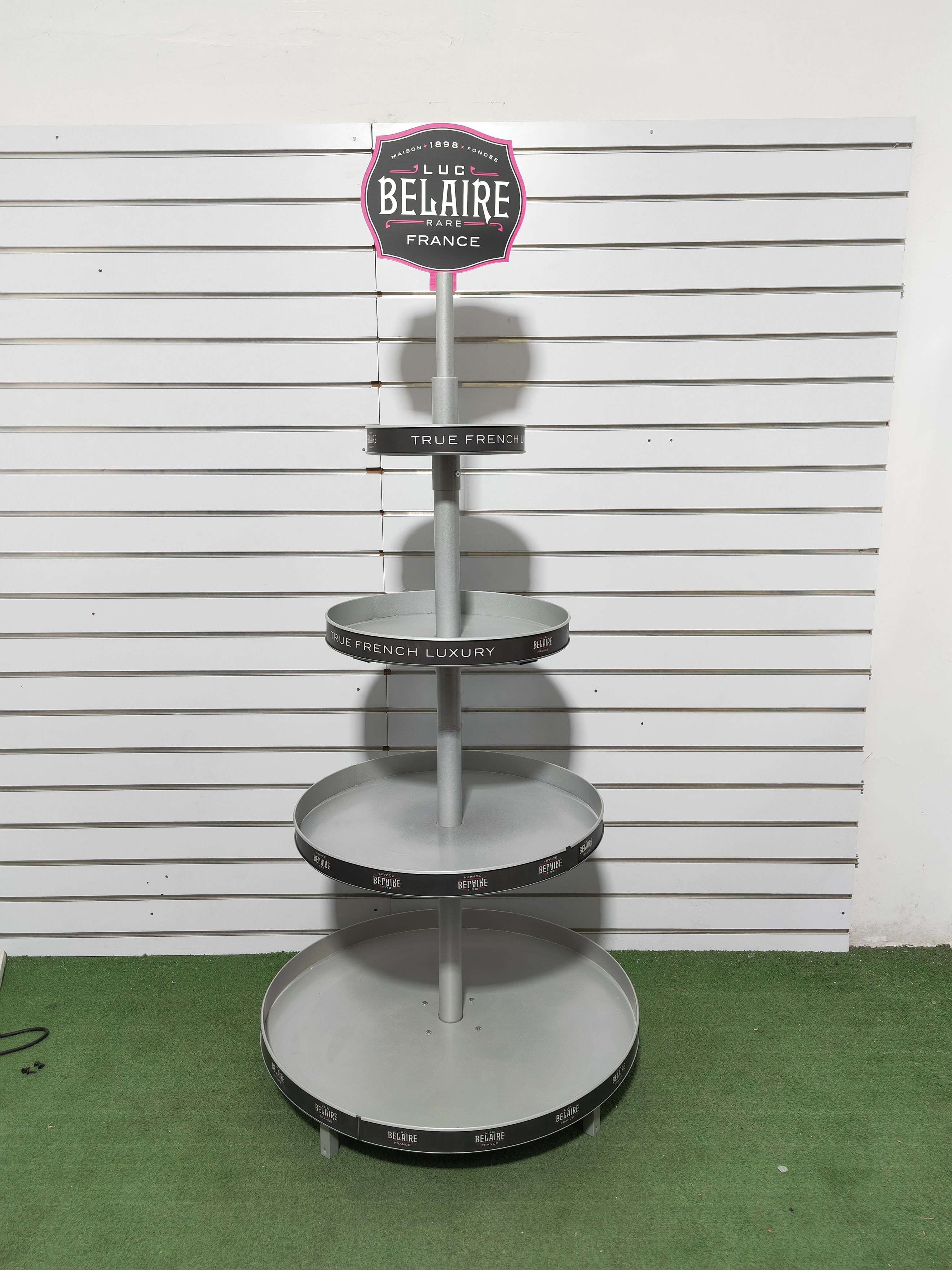
In today's competitive retail landscape, the durability and reliability of display fixtures can make or break a store's operational efficiency. A metal display rack represents the pinnacle of structural integrity when it comes to showcasing heavy merchandise, tools, and industrial products. These robust fixtures have transformed how retailers approach product presentation, offering unmatched strength that plastic and wooden alternatives simply cannot match. The engineering behind modern metal display rack systems incorporates advanced materials science and thoughtful design principles to create solutions that withstand substantial weight loads while maintaining aesthetic appeal. Retail managers and store planners increasingly recognize that investing in quality metal display infrastructure pays dividends through reduced replacement costs and enhanced customer confidence.
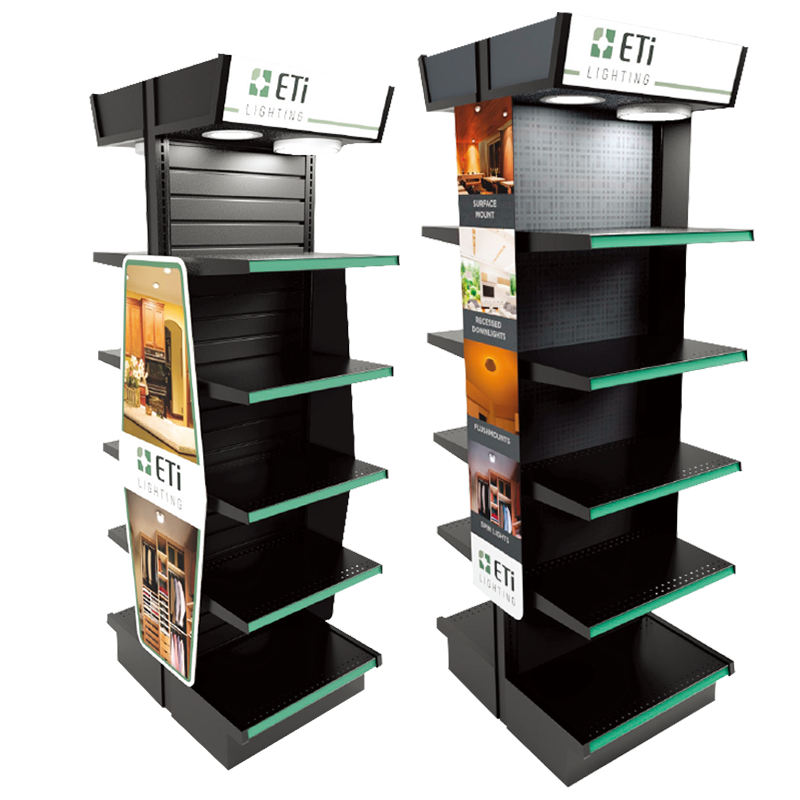
Engineering Excellence in Metal Display Construction
Material Selection and Structural Design
The foundation of any reliable metal display rack begins with careful material selection and engineering analysis. High-grade steel alloys form the backbone of premium display systems, with manufacturers selecting specific grades based on tensile strength requirements and environmental conditions. Cold-rolled steel provides exceptional uniformity and surface finish, while hot-rolled options offer superior strength characteristics for extreme load applications. The manufacturing process involves precise forming techniques that maintain structural integrity while allowing for complex geometries. Advanced welding procedures ensure seamless joints that distribute stress evenly across the entire framework.
Load distribution principles guide every aspect of metal display rack design, from base plate dimensions to vertical column spacing. Engineers calculate weight capacity by analyzing multiple failure modes, including buckling, shear stress, and fatigue under cyclic loading. The resulting specifications provide retailers with confidence that their heavy merchandise will remain securely displayed throughout extended use periods. Surface treatments such as powder coating or galvanization add protective layers that resist corrosion and maintain appearance standards in demanding retail environments.
Quality Control and Testing Standards
Rigorous testing protocols validate the performance claims of professional-grade metal display rack systems before they reach retail floors. Manufacturers employ both static and dynamic loading tests to simulate real-world conditions, including sudden impact forces that might occur during product loading or customer interaction. Fatigue testing involves thousands of loading cycles to ensure that repeated use will not compromise structural integrity. Environmental testing exposes fixtures to temperature variations, humidity extremes, and corrosive atmospheres to verify long-term durability.
Third-party certification organizations provide independent validation of safety and performance standards, giving retailers additional assurance when specifying heavy-duty display solutions. These certifications often include seismic testing for installations in earthquake-prone regions, wind load calculations for outdoor applications, and fire resistance ratings for specific retail environments. Documentation packages accompany certified products, providing installation guidelines and load capacity charts that help retailers maximize the utility of their metal display rack investments.
Applications Across Diverse Retail Sectors
Hardware and Home Improvement Stores
Hardware retailers face unique challenges when displaying heavy tools, building materials, and automotive parts that can exceed hundreds of pounds per linear foot of display space. A properly designed metal display rack system addresses these demands through modular construction that adapts to varying product dimensions and weights. Adjustable shelving mechanisms allow staff to reconfigure displays as inventory changes, while reinforced mounting points accommodate specialized fixtures for hanging tools and accessories. The visual impact of well-organized heavy merchandise on sturdy metal fixtures enhances customer perception of product quality and store professionalism.
Paint cans, concrete mix bags, and lumber products require display solutions that can handle concentrated loads without deflection or vibration. Metal display rack systems excel in these applications through their inherent stiffness and dimensional stability. The ability to support heavy loads over extended spans eliminates the need for excessive support columns that would otherwise impede customer access and product visibility. This structural efficiency translates directly into improved sales performance and customer satisfaction.
Industrial Supply and Equipment Showrooms
Industrial suppliers showcase machinery components, hydraulic systems, and heavy-duty equipment that demand the ultimate in display strength and stability. Professional metal display rack installations in these environments often incorporate specialized features such as integrated lifting points, electrical connections for powered demonstrations, and modular expansion capabilities. The industrial aesthetic of steel construction aligns perfectly with the technical nature of the products being displayed, creating an environment that reinforces quality and durability messaging.
Customization options allow industrial retailers to create metal display rack configurations that match their specific inventory requirements and spatial constraints. Perforated panel systems provide flexible mounting options for brackets, hooks, and specialized fixtures, while solid shelving offers stable platforms for heavy components. The ability to integrate signage, lighting, and digital displays into the metal framework creates comprehensive product presentation solutions that educate customers while showcasing technical capabilities.
Installation and Maintenance Considerations
Professional Installation Requirements
Proper installation forms the critical link between engineered metal display rack capabilities and real-world performance in retail environments. Foundation requirements vary based on floor loading capacities, with concrete anchoring systems providing the most reliable connection for heavy-duty applications. Professional installers assess structural conditions and recommend appropriate fastening methods that ensure long-term stability without compromising building integrity. Leveling procedures guarantee that weight distribution remains uniform across all support points, preventing stress concentrations that could lead to premature failure.
Safety protocols during installation protect both workers and future users from potential hazards associated with heavy metal display rack assemblies. Proper lifting equipment and techniques prevent injury while ensuring accurate positioning of large framework components. Torque specifications for critical fasteners receive careful attention, as under-tightened connections can allow movement under load while over-tightening may induce stress fractures. Quality installation practices include post-installation load testing to verify that the completed system meets design specifications and safety requirements.
Long-Term Maintenance Strategies
Preventive maintenance programs maximize the service life of metal display rack investments while maintaining optimal appearance and functionality. Regular inspection schedules identify potential issues before they impact operations, with particular attention to connection points, moving components, and surface coatings. Cleaning procedures remove accumulated debris and contaminants that could accelerate corrosion or interfere with proper operation. Touch-up painting and coating repairs address minor damage before it spreads, preserving both structural integrity and visual appeal.
Component replacement strategies recognize that certain elements of a metal display rack system may require periodic renewal due to normal wear or changing requirements. Modular design philosophies facilitate these updates by allowing individual sections or components to be replaced without disturbing the entire installation. Manufacturers often provide replacement part programs that ensure compatibility and maintain warranty coverage. Documentation of maintenance activities creates a valuable record for insurance purposes and helps optimize future maintenance scheduling.
Cost-Benefit Analysis and Return on Investment
Initial Investment Considerations
The upfront cost of a quality metal display rack system reflects the engineering, materials, and manufacturing precision required to deliver reliable heavy-duty performance. While initial expenses may exceed those of lighter alternatives, the total cost of ownership calculation reveals significant advantages over extended use periods. Reduced replacement frequency, lower maintenance requirements, and improved product presentation capabilities contribute to favorable return on investment metrics that justify the premium for metal construction.
Financing options and leasing programs make high-quality metal display rack installations accessible to retailers with varying capital availability. Volume purchasing agreements and standardization across multiple locations can achieve economies of scale that reduce per-unit costs significantly. The residual value of quality metal fixtures at the end of their primary service life provides additional economic benefits through resale or relocation to secondary applications.
Operational Efficiency Gains
Metal display rack systems enhance operational efficiency through their ability to support higher product densities and more flexible merchandising strategies. The strength advantage allows retailers to maximize vertical display space, increasing inventory capacity within existing floor areas. Reduced sagging and deflection maintain proper clearances and sightlines, improving both customer experience and staff efficiency during restocking operations. The durability of metal construction minimizes downtime for repairs and replacements, maintaining consistent product availability.
Integration capabilities with modern retail technology systems add value through enhanced inventory management and customer engagement opportunities. Metal framework can readily accommodate electronic shelf labels, RFID antenna systems, and digital signage components without compromising structural performance. This adaptability ensures that metal display rack investments remain relevant as retail technology continues to evolve, protecting the long-term value of fixture investments.
FAQ
What weight capacity can I expect from a typical metal display rack
Weight capacity varies significantly based on design specifications, with standard metal display rack systems supporting between 200-1500 pounds per shelf level. Heavy-duty industrial models can exceed 3000 pounds capacity through reinforced construction and specialized engineering. Always consult manufacturer specifications and consider safety factors when determining appropriate loading for your specific application and products.
How do metal display racks compare to wooden alternatives for heavy merchandise
Metal display rack systems offer superior strength-to-weight ratios, longer service life, and better dimensional stability compared to wooden fixtures. While wood may provide aesthetic advantages in certain retail environments, metal construction excels in applications requiring high load capacity, moisture resistance, and minimal maintenance requirements. The fire resistance of metal also provides safety advantages in many commercial applications.
What maintenance is required to keep metal display racks in optimal condition
Regular cleaning with appropriate solvents removes dirt and debris that could cause premature wear or corrosion. Periodic inspection of fasteners, welds, and moving components helps identify potential issues before they impact performance. Touch-up painting addresses minor scratches or coating damage, while lubrication of adjustable mechanisms ensures smooth operation. Professional inspection annually or biannually is recommended for high-use installations.
Can metal display rack systems be reconfigured as merchandise requirements change
Most quality metal display rack systems incorporate modular design principles that facilitate reconfiguration without complete replacement. Adjustable shelving, removable panels, and standardized connection methods allow retailers to adapt their fixtures as product lines evolve. Some systems support complete disassembly and relocation, making them valuable assets that can serve multiple purposes throughout their service life.
Table of Contents
- Engineering Excellence in Metal Display Construction
- Applications Across Diverse Retail Sectors
- Installation and Maintenance Considerations
- Cost-Benefit Analysis and Return on Investment
-
FAQ
- What weight capacity can I expect from a typical metal display rack
- How do metal display racks compare to wooden alternatives for heavy merchandise
- What maintenance is required to keep metal display racks in optimal condition
- Can metal display rack systems be reconfigured as merchandise requirements change