EN
EN

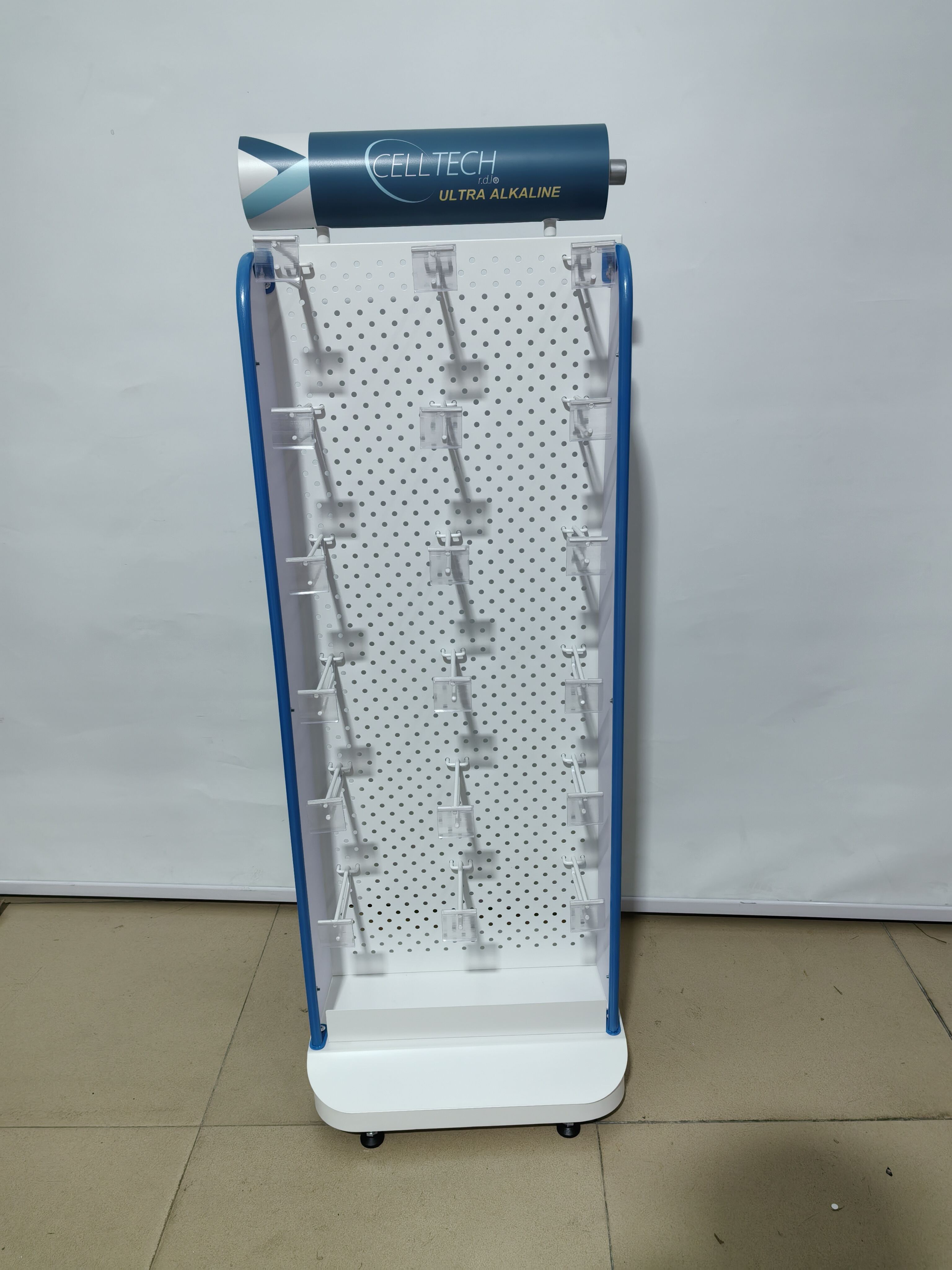
In today's competitive retail landscape, choosing the right display solutions can make or break your store's success. A well-designed metal display rack serves as both a functional storage solution and a powerful marketing tool that showcases your merchandise effectively. Understanding the various types, features, and benefits of metal display systems helps retailers make informed decisions that enhance their store's visual appeal while maximizing operational efficiency.
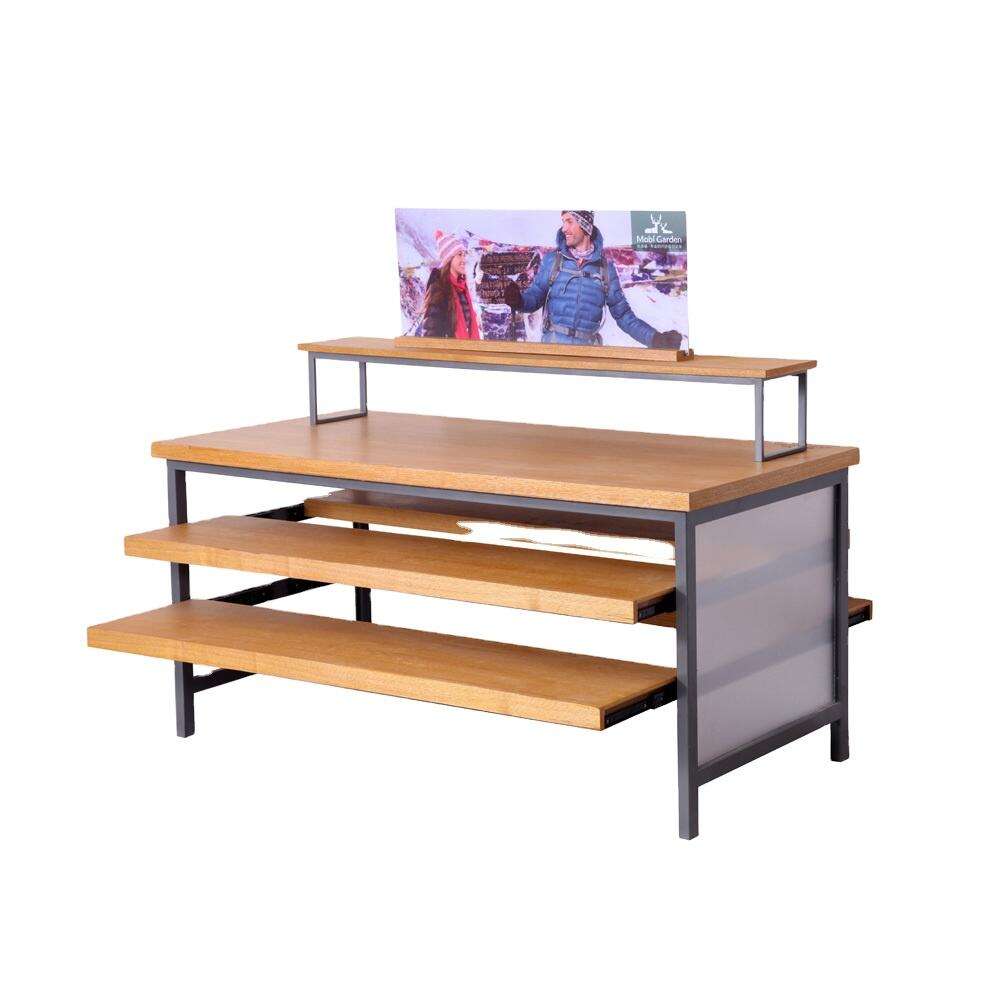
The selection process for retail display fixtures requires careful consideration of multiple factors including durability, aesthetics, functionality, and cost-effectiveness. Metal display solutions have gained significant popularity among retailers due to their superior strength, longevity, and versatility in accommodating various merchandise types. Whether you're outfitting a clothing boutique, department store, or specialty retail space, the right metal display rack can transform your merchandising strategy and customer shopping experience.
Essential Features of Quality Metal Display Systems
Structural Integrity and Load Capacity
The foundation of any effective metal display rack lies in its structural design and engineering. High-quality metal displays utilize premium steel or aluminum construction that can withstand the constant weight of merchandise while maintaining stability during customer interaction. Professional-grade displays typically feature reinforced joints, welded connections, and strategically placed support beams that distribute weight evenly across the entire structure.
Load capacity specifications vary significantly among different metal display rack models, with some designed for lightweight accessories while others accommodate heavy garments like coats and jackets. Retailers should carefully evaluate their merchandise weight requirements and select displays with appropriate load ratings to prevent structural failure or safety hazards. Premium metal displays often include adjustable components that allow for customization based on specific product requirements.
Surface Finishes and Aesthetic Options
Modern metal display rack systems offer numerous finish options that complement diverse retail environments. Powder coating provides excellent durability and resistance to scratches, chips, and corrosion while offering an extensive color palette. Chrome finishes deliver a sleek, contemporary appearance that works well in upscale boutiques and modern retail spaces. Brushed metal finishes create a sophisticated industrial aesthetic that appeals to trendy fashion retailers.
The choice of finish significantly impacts both the visual appeal and maintenance requirements of your metal display rack. Matte finishes tend to hide fingerprints and minor scratches better than glossy surfaces, making them ideal for high-traffic retail environments. Some manufacturers offer custom color matching services to ensure your display fixtures perfectly align with your store's branding and interior design scheme.
Types of Metal Display Racks for Different Retail Applications
Garment Display Solutions
Clothing retailers benefit tremendously from specialized metal display rack designs that accommodate various garment types and presentation styles. Double-sided garment racks maximize floor space utilization while providing excellent visibility from multiple angles. These versatile displays often feature adjustable hanging heights and can accommodate both short and long garments on the same fixture.
Circular garment displays create focal points within retail spaces while encouraging customers to browse merchandise from all directions. The rotating capability of some metal display rack models allows for easy merchandise rotation and seasonal updates. Wall-mounted metal clothing displays help maximize floor space in smaller retail environments while maintaining professional presentation standards.
Modular Display Systems
Modular metal display rack configurations offer retailers ultimate flexibility in store layout and merchandise presentation. These systems typically feature interchangeable components that can be reconfigured as inventory changes or seasonal promotions require different display arrangements. The modular approach allows retailers to invest in a core system and expand or modify their displays over time without replacing entire fixtures.
Component standardization across modular metal display systems ensures compatibility between different pieces, enabling creative combinations and custom configurations. Many modular systems include specialized attachments for shoes, accessories, folded garments, and hanging items, making them incredibly versatile for multi-category retailers. The investment in modular displays often pays dividends through reduced long-term fixture costs and improved merchandising flexibility.
Material Considerations and Durability Factors
Steel versus Aluminum Construction
The choice between steel and aluminum construction significantly impacts the performance characteristics of your metal display rack. Steel displays offer superior strength and load-bearing capacity, making them ideal for heavy merchandise or high-volume retail environments. The density and rigidity of steel construction provide excellent stability, reducing wobbling or movement during customer interaction.
Aluminum metal display rack options provide excellent corrosion resistance and lighter weight for easier repositioning and reconfiguration. While aluminum displays may have lower load capacities compared to steel alternatives, they offer advantages in terms of portability and resistance to environmental factors. The choice between materials often depends on specific application requirements, budget considerations, and expected display lifespan.
Protective Coatings and Treatment Options
Surface treatments play a crucial role in extending the lifespan and maintaining the appearance of metal display fixtures. Powder coating provides superior protection against scratches, chips, and corrosion while offering excellent color retention over time. This treatment process involves applying electrostatically charged powder particles that are then cured under heat to create a durable, uniform finish.
Galvanized steel options provide enhanced corrosion resistance for metal display rack systems intended for use in humid environments or outdoor applications. Some manufacturers offer specialized antimicrobial coatings that help maintain hygiene standards in retail environments, particularly important for clothing stores where multiple customers handle merchandise daily. These advanced coatings can significantly extend the useful life of display fixtures while maintaining professional appearance standards.
Space Planning and Layout Optimization
Traffic Flow Considerations
Effective placement of metal display rack systems requires careful analysis of customer traffic patterns and shopping behaviors. Strategic positioning creates natural flow paths that guide customers through your merchandise while preventing congestion in high-traffic areas. The height and configuration of displays should maintain clear sightlines across the store while providing adequate browsing space for customers.
Corner installations of metal display systems can effectively utilize otherwise underutilized retail space while creating interesting focal points. The angular design of many metal display rack options works particularly well in corner applications, maximizing merchandise exposure while maintaining efficient space utilization. Proper spacing between displays ensures comfortable navigation while encouraging extended browsing time.
Merchandise Density and Accessibility
Balancing merchandise density with accessibility requires thoughtful consideration of display capacity and customer reach zones. Overpacked metal display rack systems can create a cluttered appearance that discourages browsing, while sparse displays may suggest limited selection or poor inventory management. The ideal merchandise density varies by product type, target customer demographics, and overall store positioning strategy.
Height considerations ensure that all displayed merchandise remains within comfortable reach zones for your target customer base. Multi-level metal display systems should position the most appealing or frequently purchased items at eye level, with secondary merchandise at higher or lower positions. Accessibility compliance requirements may also influence display height selections and aisle width specifications.
Maintenance and Longevity Best Practices
Regular Cleaning Protocols
Maintaining the appearance and functionality of metal display rack systems requires consistent cleaning protocols and preventive maintenance procedures. Regular dusting and cleaning prevent the accumulation of debris that can damage finishes or create unsightly buildup. Appropriate cleaning products vary by finish type, with some requiring specialized cleaners to avoid damage to protective coatings.
Inspection schedules help identify potential issues before they become costly problems requiring complete display replacement. Checking for loose connections, worn components, or finish damage allows for proactive maintenance that extends display lifespan. Many metal display rack manufacturers provide specific maintenance guidelines that should be followed to preserve warranty coverage and optimal performance.
Damage Prevention Strategies
Protecting metal display fixtures from damage requires both proper handling procedures and strategic positioning within the retail environment. Training staff on proper loading techniques, weight distribution, and adjustment procedures prevents accidental damage during daily operations. Clear guidelines regarding maximum load limits help prevent overloading that could compromise structural integrity.
Strategic placement away from high-impact zones reduces the risk of collision damage from shopping carts, strollers, or customer traffic. Floor protection systems, such as rubber bumpers or protective strips, can minimize damage from accidental impacts while maintaining the professional appearance of your metal display rack systems. Investment in protective measures often proves cost-effective compared to frequent display replacement or repair costs.
Cost Analysis and Return on Investment
Initial Investment Considerations
The upfront cost of quality metal display rack systems represents a significant investment that requires careful financial planning and justification. Premium displays typically command higher prices due to superior materials, advanced manufacturing processes, and enhanced design features. However, the extended lifespan and reduced maintenance requirements of quality systems often justify the additional initial expense.
Budget allocation should consider not only the purchase price but also installation costs, potential modifications, and ongoing maintenance expenses. Some metal display rack suppliers offer financing options or volume discounts that can make premium systems more accessible for smaller retailers. Comparing total cost of ownership rather than just initial purchase price provides a more accurate assessment of display investment value.
Performance Metrics and ROI Measurement
Measuring the return on investment for metal display systems involves tracking multiple performance indicators beyond simple sales metrics. Improved merchandise presentation often leads to increased customer dwell time, higher conversion rates, and elevated average transaction values. The professional appearance of quality metal display rack installations can enhance brand perception and customer confidence.
Operational efficiency improvements, such as easier inventory management, faster restocking, and reduced merchandise damage, contribute to the overall value proposition of premium display systems. Tracking these indirect benefits alongside direct sales impact provides a comprehensive view of display system performance and investment return. Many retailers find that quality metal displays pay for themselves within the first year through improved operational efficiency and sales performance.
FAQ
What weight capacity should I look for in a metal display rack
Weight capacity requirements depend on your specific merchandise types and display configuration. For lightweight accessories and folded garments, displays rated for 50-100 pounds are typically sufficient. Heavy winter coats, leather jackets, or dense merchandise may require displays with 150-300 pound capacities. Always check manufacturer specifications and consider both static weight and dynamic loading during customer interaction. It's recommended to select displays with capacity ratings exceeding your maximum expected load by at least 25% for safety margins.
How do I determine the right size metal display rack for my space
Space planning for metal display installations requires measuring available floor area, ceiling height, and traffic flow requirements. Allow minimum 36-inch aisles for comfortable customer navigation, with 42-48 inches in high-traffic areas. Consider sight lines across your store and ensure displays don't block natural lighting or security camera views. Most metal display rack systems come in standard dimensions, but custom sizing may be available for unique space requirements. Create a scaled floor plan to visualize placement before purchasing.
What maintenance is required for metal display fixtures
Regular maintenance involves weekly dusting with microfiber cloths, monthly deep cleaning with appropriate cleaners for your specific finish type, and quarterly inspections for wear or damage. Check all connections and moving parts for proper operation, and address any issues immediately to prevent further damage. For powder-coated surfaces, use mild soap solutions and avoid abrasive cleaners. Chrome finishes require specialized metal polish for optimal appearance. Most quality metal display rack systems need minimal maintenance when properly cared for.
Can metal display racks be customized for specific branding requirements
Many manufacturers offer customization options including custom colors, finishes, dimensions, and branding elements. Powder coating can match virtually any color specification, while some suppliers offer laser cutting or engraving services for logos and branding. Custom metal display rack solutions typically require longer lead times and higher minimum order quantities. Work with suppliers early in your planning process to understand customization capabilities, costs, and timeline requirements for your specific branding needs.