EN
EN

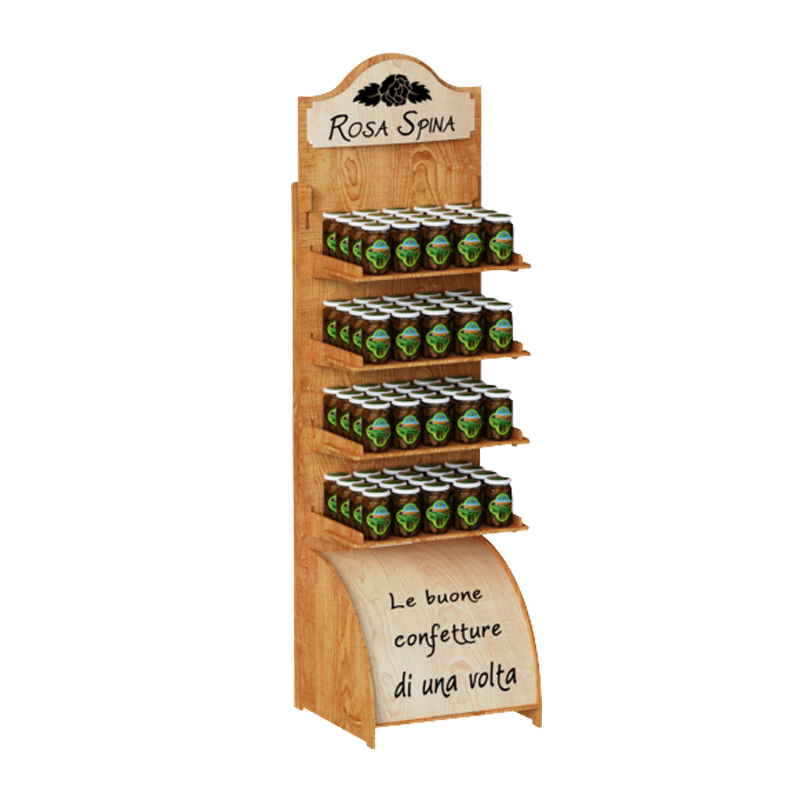
Selecting the right wood type for your retail display needs can significantly impact both the aesthetic appeal and longevity of your store fixtures. A well-crafted wood display rack serves as more than just functional storage; it becomes an integral part of your brand's visual identity and customer experience. The choice of wood material directly influences durability, maintenance requirements, and overall cost-effectiveness of your retail display investment. Understanding the unique characteristics of different wood species enables retailers to make informed decisions that align with their specific operational needs and design preferences.
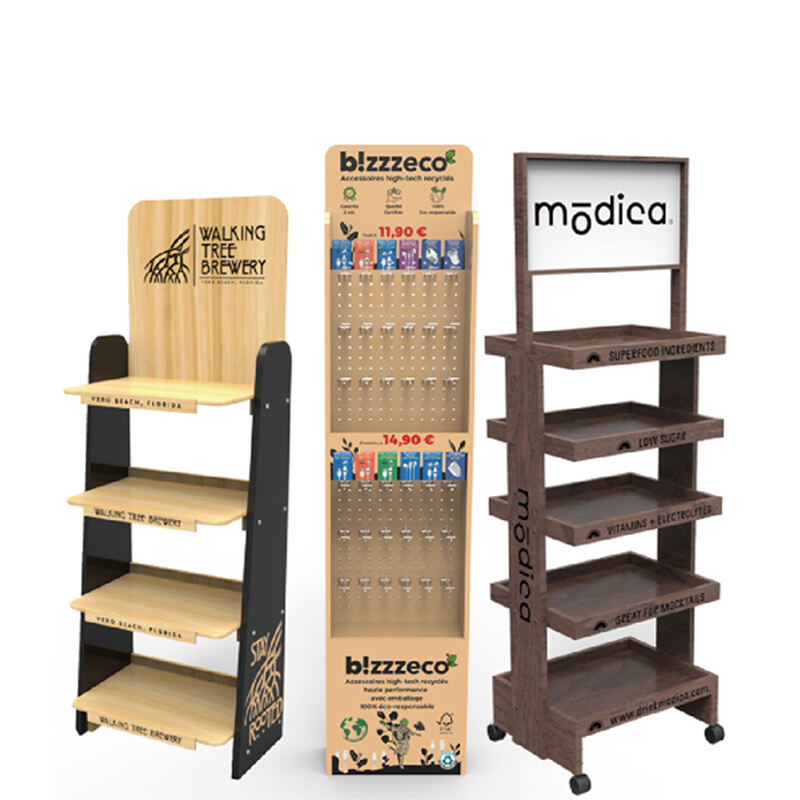
Hardwood Options for Premium Display Solutions
Oak Wood Display Characteristics
Oak stands as one of the most reliable choices for commercial wood display rack applications due to its exceptional strength and distinctive grain patterns. This hardwood species offers remarkable resistance to wear and tear, making it ideal for high-traffic retail environments where displays experience frequent handling and repositioning. The natural density of oak provides excellent structural integrity, ensuring that even heavily loaded display racks maintain their shape and stability over extended periods of use.
The characteristic grain patterns of oak create visual interest that enhances product presentation while maintaining a professional appearance. Oak's natural color variations range from light golden tones to deeper amber hues, providing versatility in matching various store design schemes. The wood's natural tannins also contribute to its inherent resistance to moisture and minor environmental fluctuations, reducing maintenance requirements in typical retail settings.
Maple Wood Benefits for Retail Displays
Maple wood offers an excellent combination of durability and refined aesthetics for wood display rack construction. Known for its fine, consistent grain structure, maple provides a smooth finish that highlights products without competing for visual attention. The light natural color of maple serves as an ideal backdrop for merchandise, particularly in upscale retail environments where subtle elegance is paramount.
The hardness of maple makes it particularly suitable for display applications that require frequent adjustments or modifications. This wood species accepts stains and finishes exceptionally well, allowing for customization to match specific brand color schemes or store aesthetics. Maple's resistance to denting and scratching ensures that wood display rack surfaces maintain their professional appearance even under demanding commercial use conditions.
Softwood Solutions for Cost-Effective Displays
Pine Wood Advantages in Commercial Settings
Pine represents an outstanding balance of affordability and functionality for wood display rack applications, particularly in budget-conscious retail environments. Despite being classified as a softwood, pine offers sufficient strength for most standard display requirements while maintaining significantly lower material costs compared to hardwood alternatives. The straight grain pattern and relatively uniform color of pine create a clean, contemporary appearance that complements modern retail design trends.
The workability of pine makes it an excellent choice for custom wood display rack projects requiring specific dimensions or unique configurations. This wood species readily accepts various finishing treatments, from natural stains that enhance its grain character to painted finishes that create bold design statements. Pine's lightweight nature also facilitates easier installation and repositioning of display fixtures, reducing labor costs and improving operational flexibility.
Cedar Wood Properties for Specialized Applications
Cedar brings unique properties to wood display rack construction, particularly in environments where natural pest resistance and aromatic qualities are valued. The natural oils present in cedar wood provide inherent protection against insects and moisture, making it an excellent choice for specialty retail applications or outdoor display scenarios. The distinctive grain patterns and warm color tones of cedar create an inviting atmosphere that can enhance customer engagement with displayed products.
While cedar may not possess the extreme hardness of oak or maple, its natural preservation qualities reduce long-term maintenance requirements for wood display rack installations. The pleasant aroma associated with cedar can contribute to a positive sensory experience for customers, particularly in boutique or specialty retail environments where ambiance plays a crucial role in the shopping experience.
Engineered Wood Alternatives for Modern Retail
Plywood Construction Benefits
High-quality plywood offers exceptional versatility for wood display rack manufacturing while providing consistent performance characteristics that solid wood cannot always guarantee. The layered construction of plywood creates superior dimensional stability, reducing the risk of warping or splitting that can occur with solid wood in varying environmental conditions. This stability is particularly valuable in retail environments where temperature and humidity fluctuations are common.
Modern plywood manufacturing techniques produce materials with attractive face veneers that rival the appearance of solid wood while offering improved predictability in terms of strength and appearance. The uniform thickness and consistent properties of plywood facilitate precise manufacturing processes, resulting in wood display rack components that fit together perfectly and maintain their intended dimensions over time.
MDF Applications in Display Construction
Medium Density Fiberboard (MDF) provides exceptional surface smoothness and dimensional consistency for wood display rack applications requiring painted finishes or laminate coverings. The uniform density and lack of grain patterns in MDF create an ideal substrate for achieving perfectly smooth painted surfaces that showcase products with professional clarity. This material excels in applications where clean, contemporary aesthetics are prioritized over natural wood character.
The machinability of MDF allows for intricate design details and precise edge profiles that would be challenging or expensive to achieve with solid wood. For retailers seeking wood display rack solutions with complex shapes or custom branding elements, MDF provides an excellent foundation for creative designs while maintaining cost-effectiveness in production.
Finishing and Treatment Considerations
Protective Coating Options
The selection of appropriate finishing treatments significantly impacts the longevity and appearance of any wood display rack installation. Polyurethane finishes provide excellent protection against moisture, scratches, and general wear while maintaining the natural beauty of the underlying wood grain. These finishes are particularly important in high-traffic retail environments where displays are subject to frequent contact and potential damage from customers and staff.
Lacquer finishes offer superior durability and can be polished to achieve various sheen levels, from matte to high gloss, depending on the desired aesthetic impact. The quick-drying properties of lacquer make it suitable for production environments where rapid turnaround times are essential. However, lacquer finishes may require professional application to achieve optimal results and longevity.
Staining and Color Matching Techniques
Proper staining techniques can transform the appearance of any wood display rack to match specific brand requirements or store design themes. Pre-stain conditioners help ensure even color absorption, particularly important when working with woods that have varying grain densities or natural color variations. The selection of stain colors should consider both immediate aesthetic goals and long-term color stability under retail lighting conditions.
Custom color matching services enable retailers to achieve precise brand color coordination across all wood display rack installations. This consistency is crucial for maintaining professional brand image and creating cohesive visual experiences throughout retail spaces. Advanced staining techniques can also create special effects or highlight specific wood characteristics to enhance the overall design impact.
Maintenance and Longevity Factors
Cleaning and Care Protocols
Establishing proper maintenance protocols ensures that wood display rack investments continue to perform effectively and maintain their aesthetic appeal throughout their operational lifespan. Regular cleaning with appropriate wood-safe products prevents the accumulation of dust, fingerprints, and other contaminants that can degrade both appearance and hygiene standards in retail environments.
Different wood types require specific care approaches to optimize their longevity and appearance. Hardwoods typically tolerate more aggressive cleaning methods, while softwoods may require gentler treatment to avoid surface damage. Understanding these requirements helps retailers develop maintenance schedules that preserve their wood display rack investments while minimizing operational disruption.
Environmental Protection Strategies
Protecting wood display rack installations from environmental factors significantly extends their useful life and maintains their professional appearance. Proper humidity control prevents wood movement that can lead to joint failure or surface cracking. Strategic placement away from direct sunlight helps prevent color fading and reduces thermal stress that can cause warping or splitting.
Climate-controlled retail environments provide optimal conditions for wood display rack longevity, but many retailers must work within existing building limitations. Understanding how different wood species respond to environmental challenges enables better material selection and installation planning to maximize performance under less-than-ideal conditions.
Cost Analysis and Budget Planning
Initial Investment Considerations
The initial cost of wood display rack installations varies significantly based on material selection, complexity of design, and finishing requirements. While hardwood options typically require higher upfront investment, their superior durability often results in better long-term value compared to less expensive alternatives that may require frequent replacement or refinishing.
Budget planning should include not only material and manufacturing costs but also installation expenses, potential customization requirements, and anticipated maintenance needs. A comprehensive cost analysis helps retailers make informed decisions that balance immediate budget constraints with long-term operational efficiency and aesthetic goals.
Long-Term Value Assessment
Evaluating the long-term value of wood display rack investments requires consideration of factors beyond initial purchase price. Durability, maintenance requirements, aesthetic longevity, and adaptability to changing retail needs all contribute to overall value proposition. High-quality wood materials that maintain their appearance and functionality over extended periods often provide superior return on investment despite higher initial costs.
The ability to refinish or modify wood display rack installations extends their useful life and provides flexibility to adapt to evolving brand requirements or store layouts. This adaptability represents significant value compared to alternative materials that may require complete replacement when changes are needed.
FAQ
What wood type offers the best durability for heavy-duty retail displays
Oak and maple provide exceptional durability for heavy-duty wood display rack applications due to their high density and natural strength characteristics. These hardwoods resist wear, denting, and structural deformation even under substantial weight loads and frequent use. For maximum longevity in demanding retail environments, oak typically offers the best combination of strength and cost-effectiveness.
How does wood choice affect the overall appearance of retail displays
Wood selection significantly influences the visual impact of retail displays through grain patterns, natural color, and finishing potential. Light woods like maple create bright, contemporary appearances that highlight products, while darker woods like walnut provide elegant, upscale aesthetics. The grain character of each wood species also affects how finishes appear and how well they complement different product types and store design themes.
What maintenance requirements should retailers expect with different wood types
Maintenance requirements vary considerably among wood types, with hardwoods generally requiring less frequent attention than softwoods. Oak and maple wood display rack installations typically need only periodic cleaning and occasional finish renewal, while softwoods may require more frequent inspection for wear and potential refinishing. Proper initial finishing significantly reduces maintenance needs for all wood types.
Can engineered wood products match the performance of solid wood displays
High-quality engineered wood products often exceed solid wood performance in terms of dimensional stability and consistency, though they may not match the natural beauty and refinishing capability of solid wood. Plywood and MDF wood display rack construction can provide excellent durability and appearance when properly manufactured and finished, often at lower costs than comparable solid wood alternatives.