EN
EN

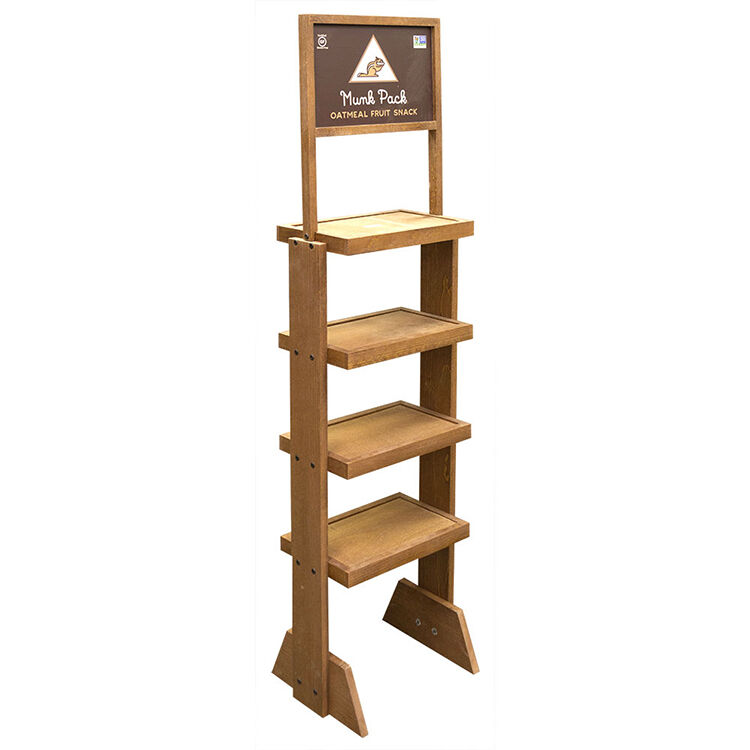
Creating an inviting retail environment requires thoughtful consideration of every design element, and the choice of display fixtures plays a crucial role in establishing the right atmosphere. A wood display rack offers retailers the perfect combination of functionality and warmth, transforming sterile commercial spaces into welcoming environments that encourage customers to linger and explore. The natural beauty of wooden fixtures creates an immediate connection with shoppers, evoking feelings of comfort and authenticity that modern consumers increasingly seek. When strategically implemented, these organic elements can significantly enhance the overall shopping experience while maintaining the practical requirements of effective product presentation.
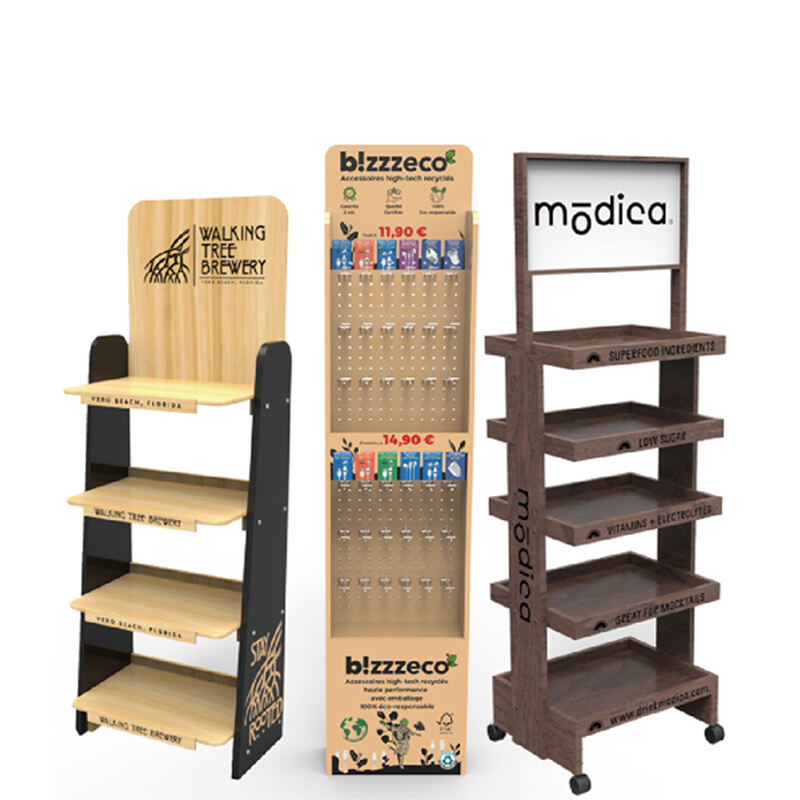
The Psychology Behind Wooden Retail Fixtures
Natural Materials and Customer Comfort
The human brain responds positively to natural materials, a phenomenon rooted in our evolutionary connection to organic environments. When customers encounter a wood display rack in a retail setting, their stress levels naturally decrease, creating a more relaxed shopping mindset. This psychological response translates directly into increased dwell time, as shoppers feel more comfortable browsing products displayed on wooden fixtures. Research in environmental psychology demonstrates that natural wood textures activate the parasympathetic nervous system, promoting feelings of calm and well-being that enhance the overall retail experience.
The tactile quality of wood also engages multiple senses simultaneously, creating a more memorable shopping experience. Unlike cold metal or synthetic materials, wooden surfaces invite touch and exploration, encouraging customers to physically interact with both the fixture and the products it displays. This multi-sensory engagement strengthens the emotional connection between consumers and merchandise, often resulting in increased purchase intentions and higher conversion rates for retailers who invest in quality wooden display solutions.
Creating Emotional Connections Through Design
The warmth inherent in wooden display fixtures helps establish an emotional bond between retailers and their customers. This connection transcends mere functionality, tapping into deeper psychological associations with home, craftsmanship, and authenticity. A well-designed wood display rack serves as more than just a product holder; it becomes a storytelling element that communicates brand values of quality, sustainability, and attention to detail. These emotional associations can significantly influence purchasing decisions, as customers often buy from brands that align with their personal values and aesthetic preferences.
The natural variations in wood grain and color create visual interest that keeps customers engaged longer than uniform synthetic materials. Each wooden fixture possesses unique characteristics that add personality to the retail environment, making the shopping experience feel more personalized and special. This individuality helps differentiate retail spaces from competitors while creating memorable experiences that encourage repeat visits and customer loyalty over time.
Design Principles for Optimal Wood Display Implementation
Strategic Placement and Flow Considerations
Effective placement of wooden display fixtures requires careful consideration of customer traffic patterns and natural sightlines throughout the retail space. A wood display rack should be positioned to create natural stopping points that encourage product discovery while maintaining smooth traffic flow. Strategic placement near store entrances helps establish the desired ambiance immediately upon customer entry, while interior positioning can create cozy product vignettes that invite closer examination.
The height and configuration of wooden fixtures must complement the overall store layout while maximizing product visibility and accessibility. Lower wooden displays create intimate browsing zones perfect for premium or specialty items, while taller configurations can serve as architectural elements that define different retail areas. Consideration of lighting angles ensures that both the natural wood beauty and displayed products receive optimal illumination, enhancing the visual appeal of the entire presentation.
Balancing Aesthetics with Functionality
Successful wooden display implementation requires harmonizing visual appeal with practical merchandising needs. The wood display rack must accommodate various product sizes and weights while maintaining structural integrity and safety standards. Quality construction ensures longevity and reduces maintenance costs, while thoughtful design details like rounded edges and smooth finishes enhance both safety and tactile appeal for customers who interact with the fixtures.
Modular wooden display systems offer retailers flexibility to adapt their presentations as inventory changes or seasonal requirements shift. This adaptability ensures that the investment in quality wooden fixtures continues to provide value over time, accommodating evolving product lines and changing retail strategies. The ability to reconfigure displays while maintaining aesthetic consistency helps retailers keep their environments fresh and engaging for repeat customers.
Material Selection and Quality Considerations
Choosing the Right Wood Species
Different wood species offer varying characteristics that impact both appearance and performance in retail environments. Pine provides an affordable option with light coloring that complements many design schemes, while oak offers superior durability and distinctive grain patterns that add character to any wood display rack. Cedar brings natural aromatic properties that can enhance the sensory experience, particularly beneficial for clothing or home goods retailers seeking to create memorable environments.
The selection process must consider factors such as durability requirements, maintenance needs, and aesthetic compatibility with existing store design elements. Harder woods like maple or cherry provide exceptional longevity but require higher initial investment, while softer woods offer cost advantages but may require more frequent maintenance or replacement. The choice ultimately depends on specific retailer needs, budget constraints, and long-term strategic goals for the retail environment.
Sustainability and Environmental Impact
Modern consumers increasingly value environmentally responsible business practices, making sustainable wood sourcing an important consideration for retailers implementing wooden display solutions. Certified sustainable lumber and reclaimed wood options allow retailers to align their fixture choices with environmental values while creating unique aesthetic appeal. A responsibly sourced wood display rack becomes part of the brand story, demonstrating commitment to environmental stewardship that resonates with eco-conscious consumers.
The longevity of quality wooden fixtures also contributes to sustainability goals by reducing waste and replacement frequency compared to less durable alternatives. Proper maintenance and refinishing can extend the life of wooden displays significantly, providing excellent return on investment while minimizing environmental impact. This combination of aesthetic appeal, functionality, and environmental responsibility makes wooden display fixtures an attractive option for retailers seeking to align their operations with contemporary consumer values.
Maintenance and Longevity Strategies
Protective Finishes and Treatments
Proper finishing is essential for maximizing the lifespan and appearance of wooden display fixtures in high-traffic retail environments. Quality protective finishes shield the wood from moisture, scratches, and everyday wear while enhancing the natural beauty of the grain. Regular maintenance of these finishes ensures that each wood display rack continues to provide the desired aesthetic impact while withstanding the demands of commercial use.
Selection of appropriate finishes depends on the specific retail environment and expected usage patterns. High-gloss polyurethane provides maximum protection against spills and scratches, while natural oil finishes maintain the authentic wood feel that enhances customer interaction. The maintenance schedule and refinishing requirements should be factored into the total cost of ownership when evaluating wooden display options for any retail application.
Preventive Care and Cleaning Protocols
Establishing consistent cleaning and maintenance routines helps preserve both the appearance and functionality of wooden display fixtures over time. Regular dusting with microfiber cloths prevents accumulation of debris that could scratch or dull the finish, while periodic deep cleaning with appropriate wood-safe products maintains the natural luster. Staff training on proper care techniques ensures that maintenance efforts enhance rather than damage the wood display rack surfaces.
Environmental control within the retail space also impacts wooden fixture longevity, with consistent temperature and humidity levels preventing warping or cracking that could compromise both appearance and structural integrity. Investment in proper HVAC systems and monitoring equipment protects the wooden display investment while creating more comfortable conditions for customers and staff throughout the retail environment.
Integration with Modern Retail Technology
Incorporating Digital Elements
Contemporary retail environments often require integration of digital technology with traditional display elements, and wooden fixtures can successfully accommodate these modern requirements. Discrete mounting systems allow tablets, digital price tags, or interactive displays to be seamlessly integrated into a wood display rack without compromising the natural aesthetic appeal. This combination of traditional warmth and modern functionality appeals to diverse customer preferences while meeting contemporary retail operational needs.
Wireless charging stations and USB ports can be incorporated into wooden display designs, providing customer convenience while maintaining the organic appearance that draws shoppers to wooden fixtures. These technological integrations must be carefully planned during the design phase to ensure proper cable management and power distribution without visible disruption to the wood grain and natural beauty that defines the fixture appeal.
Smart Inventory and Analytics Integration
Modern wooden display systems can incorporate sensors and tracking technology that provide valuable analytics about customer behavior and product performance. These systems monitor interaction patterns, dwell times, and product movement while maintaining the inviting appearance that makes a wood display rack effective for creating cozy shopping experiences. The data collected helps retailers optimize product placement and display configurations for maximum effectiveness.
Integration of inventory management technology within wooden fixtures streamlines operations while preserving aesthetic appeal. RFID readers and weight sensors can be discretely embedded within the display structure, providing real-time inventory tracking without visible technology that might detract from the natural wood appearance. This combination of traditional appeal and modern efficiency represents the evolution of retail display technology.
Cost-Benefit Analysis and ROI Considerations
Initial Investment vs Long-term Value
While wooden display fixtures typically require higher initial investment compared to synthetic alternatives, the long-term value proposition often justifies the additional cost through increased durability, customer appeal, and brand differentiation. A quality wood display rack can provide decades of service with proper maintenance, while cheaper alternatives may require replacement every few years. The total cost of ownership calculation must include replacement costs, maintenance requirements, and the intangible value of enhanced customer experience.
The premium positioning that wooden fixtures enable can also justify higher product pricing, as customers perceive greater value in products displayed on quality wooden fixtures. This perceived value enhancement can increase profit margins sufficiently to offset the higher fixture costs while establishing the retailer as a premium brand in the marketplace. The investment in wooden displays becomes part of the overall brand strategy rather than simply an operational expense.
Measuring Performance and Impact
Retailers can measure the effectiveness of wooden display investments through various metrics including increased dwell time, higher conversion rates, and improved customer satisfaction scores. Comparison studies between areas featuring wooden fixtures and those with synthetic alternatives often demonstrate measurable differences in customer behavior and sales performance. These metrics provide concrete data supporting the business case for investing in quality wood display rack solutions.
Customer feedback and satisfaction surveys frequently highlight the positive impact of wooden fixtures on the overall shopping experience, with many consumers specifically noting the warmth and authenticity that wooden displays add to retail environments. This qualitative feedback, combined with quantitative sales data, provides comprehensive evidence of the return on investment that quality wooden display fixtures can deliver for retailers committed to creating exceptional customer experiences.
FAQ
How does a wood display rack improve customer dwell time
A wood display rack naturally creates a more comfortable and inviting shopping environment that encourages customers to spend more time browsing. The psychological response to natural materials reduces stress and promotes relaxation, leading to extended shopping sessions. Research shows that customers in environments featuring natural wood elements stay 20-30% longer compared to purely synthetic retail spaces, directly correlating with increased sales opportunities and higher conversion rates.
What maintenance is required for wooden retail display fixtures
Wooden display fixtures require regular dusting with microfiber cloths, periodic cleaning with wood-safe products, and occasional refinishing depending on usage levels. Most commercial wood displays need professional refinishing every 3-5 years in high-traffic environments. Daily maintenance involves simple cleaning protocols that staff can easily learn, while preventive care includes monitoring for scratches or wear spots that might require touch-up treatments to maintain appearance and functionality.
Can wooden displays accommodate modern retail technology
Modern wooden display systems can seamlessly integrate digital price tags, tablets, sensors, and other retail technology through careful design planning. Cable management systems and discrete mounting solutions preserve the natural wood aesthetic while providing full technological functionality. Many retailers successfully combine wooden fixtures with RFID systems, digital displays, and interactive elements without compromising the warm, organic appeal that makes wood displays effective for creating inviting retail environments.
What return on investment can retailers expect from wooden display fixtures
Retailers typically see 15-25% increases in sales per square foot in areas featuring quality wooden displays compared to synthetic alternatives. The combination of increased dwell time, higher perceived product value, and improved customer satisfaction contributes to measurable ROI improvements. While initial costs are higher, the longevity of wooden fixtures and their positive impact on customer behavior often result in payback periods of 18-24 months for most retail applications, with continued benefits throughout the fixture lifespan.