EN
EN


Promotional events require strategic display solutions that capture attention while remaining cost-effective and practical. Among the various merchandising options available, the cardboard display rack has emerged as a popular choice for businesses seeking maximum impact without breaking their marketing budget. These versatile fixtures offer unique advantages that traditional metal or plastic displays simply cannot match, particularly when it comes to customization, portability, and environmental responsibility.
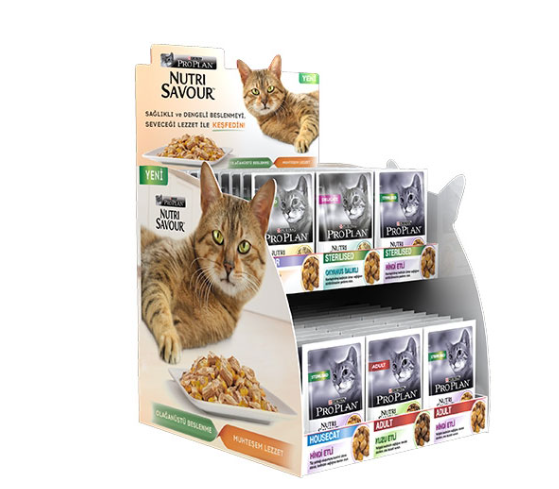
The effectiveness of promotional displays hinges on their ability to drive customer engagement and ultimately convert browsers into buyers. Modern retailers face intense competition for consumer attention, making the choice of display materials and design crucial to campaign success. Understanding how cardboard display rack solutions perform in real-world promotional scenarios helps businesses make informed decisions about their merchandising investments.
Cost-Effectiveness and Budget Optimization
Initial Investment Considerations
Budget constraints often dictate promotional strategy decisions, and cardboard display rack options provide significant financial advantages over traditional display materials. Manufacturing costs for corrugated displays remain substantially lower than metal or acrylic alternatives, allowing companies to allocate more resources toward product inventory or marketing campaigns. This cost differential becomes particularly pronounced when producing multiple units for widespread promotional distribution.
The reduced material costs extend beyond the initial purchase price, encompassing storage and transportation expenses as well. Lightweight cardboard construction means lower shipping costs and reduced warehousing requirements, factors that compound savings across large-scale promotional initiatives. Many businesses discover that choosing a cardboard display rack solution allows them to expand their promotional reach while maintaining tight budget controls.
Long-term Economic Benefits
While some might question the durability of cardboard materials, modern manufacturing techniques have significantly enhanced structural integrity and lifespan expectations. High-quality corrugated displays can withstand multiple promotional cycles when properly maintained, providing excellent return on investment. The ability to flat-pack and store these displays between events further extends their utility and value proposition.
Disposal costs represent another economic advantage, as cardboard materials integrate seamlessly into standard recycling programs without specialized handling requirements. This eliminates the need for costly disposal services often required for metal or plastic display materials, contributing to overall campaign cost-effectiveness. Businesses frequently find that the total cost of ownership for a cardboard display rack system remains competitive even when replacement frequencies are considered.
Customization and Brand Impact
Design Flexibility Advantages
The inherent properties of cardboard materials make them exceptionally suitable for custom printing and brand messaging applications. Digital printing capabilities allow for full-color graphics, photographic imagery, and complex brand elements that would be costly or impossible to achieve on metal or plastic surfaces. This design flexibility enables businesses to create promotional displays that perfectly align with their brand identity and campaign objectives.
Structural customization represents another significant advantage of cardboard display rack solutions, as corrugated materials can be die-cut, scored, and formed into virtually any configuration. From simple countertop displays to elaborate floor-standing units, the moldability of cardboard enables creative designs that maximize product visibility and customer interaction. Promotional campaigns benefit from this adaptability through displays that complement specific product dimensions and retail environments.
Brand Consistency and Marketing Integration
Maintaining consistent brand messaging across promotional touchpoints becomes more achievable with customizable cardboard displays. The ability to incorporate exact brand colors, fonts, and imagery ensures that each cardboard display rack reinforces the overall campaign message and visual identity. This consistency proves particularly valuable for multi-location promotions where brand uniformity must be maintained across diverse retail environments.
Marketing departments appreciate the quick turnaround times possible with cardboard display production, enabling last-minute campaign adjustments or seasonal messaging updates. Unlike permanent display fixtures that require long lead times for modifications, corrugated displays can be redesigned and reproduced rapidly to accommodate changing promotional needs or market conditions.
Environmental Sustainability and Corporate Responsibility
Eco-Friendly Material Properties
Contemporary consumers increasingly value environmentally responsible business practices, making the sustainability profile of promotional materials a significant consideration. Cardboard display rack construction utilizes renewable resources and biodegradable materials that align with corporate sustainability goals and consumer expectations. The recyclable nature of corrugated materials supports circular economy principles while reducing environmental impact.
Manufacturing processes for cardboard displays typically require less energy and generate fewer emissions compared to metal or plastic alternatives. This reduced carbon footprint appeals to environmentally conscious businesses seeking to minimize their promotional activities' environmental impact. Many companies now highlight their use of sustainable display materials as part of broader corporate responsibility messaging.
Waste Reduction and Circular Economy Benefits
The end-of-life management for cardboard display materials presents significant advantages over traditional display options. Post-promotional disposal becomes straightforward through standard recycling channels, eliminating the need for specialized waste handling or landfill disposal. This seamless integration into existing waste management systems reduces operational complexity and environmental burden.
Businesses often discover that incorporating sustainable display materials like the cardboard display rack enhances their brand reputation among environmentally aware consumers. This positive brand association can contribute to increased customer loyalty and improved perception of corporate values, extending the promotional benefits beyond the immediate campaign period.
Practical Implementation and Performance Metrics
Setup and Installation Efficiency
Promotional event success often depends on rapid deployment and efficient setup processes. Cardboard display rack systems excel in these areas due to their lightweight construction and intuitive assembly methods. Most corrugated displays require minimal tools and can be assembled by retail staff without specialized training or equipment, reducing installation time and labor costs.
The flat-pack shipping capability of cardboard displays streamlines logistics and storage requirements for multi-location promotional campaigns. Event coordinators can efficiently distribute display materials to various venues without requiring dedicated transportation resources or complex handling procedures. This operational efficiency translates directly into reduced campaign management costs and improved execution timelines.
Performance Measurement and ROI Assessment
Measuring promotional effectiveness requires consideration of multiple factors beyond initial cost savings. Cardboard display rack performance should be evaluated based on customer engagement levels, product visibility enhancement, and conversion rate improvements. Many retailers report increased product movement and improved inventory turnover when utilizing well-designed corrugated displays during promotional periods.
The ability to quickly iterate and test different cardboard display rack designs provides valuable opportunities for optimization and performance improvement. Unlike permanent fixtures that require significant investment to modify, corrugated displays enable rapid prototyping and A/B testing to identify the most effective configurations for specific products or target audiences.
Industry Applications and Use Cases
Retail Environment Integration
Different retail environments present unique challenges and opportunities for cardboard display rack implementation. Grocery stores benefit from the food-safe properties of corrugated materials and the ability to create displays that complement existing shelving systems. Fashion retailers appreciate the design flexibility that allows displays to reflect seasonal trends and brand aesthetics without permanent fixture investments.
Electronics retailers find that cardboard display solutions provide excellent product protection while enabling clear visibility of packaging and features. The ability to incorporate structural elements like product cradles and security features makes cardboard displays suitable for valuable merchandise while maintaining cost-effectiveness. These versatile applications demonstrate the broad utility of corrugated display systems across diverse retail sectors.
Event and Trade Show Applications
Trade shows and promotional events present unique logistics challenges that cardboard display rack solutions address effectively. The portable nature of corrugated displays simplifies transportation and setup at temporary venues, while customization capabilities ensure brand consistency across different event environments. Exhibitors frequently choose cardboard displays for their combination of visual impact and practical considerations.
The disposable nature of cardboard displays can actually provide advantages in event contexts where post-show logistics become complex. Rather than managing return shipping for reusable displays, exhibitors can simply recycle cardboard materials locally, reducing travel costs and simplifying event teardown procedures. This practical benefit often outweighs durability concerns in temporary event applications.
FAQ
How long do cardboard display racks typically last in retail environments
The lifespan of a cardboard display rack depends on environmental conditions, handling frequency, and construction quality. In typical retail settings with normal customer traffic, well-constructed corrugated displays can remain effective for 3-6 months or longer. High-traffic areas or environments with moisture exposure may require more frequent replacement, while carefully maintained displays in controlled conditions can last significantly longer.
Can cardboard display racks support heavy products effectively
Modern cardboard display rack engineering enables impressive weight-bearing capabilities through advanced structural design and high-strength corrugated materials. Properly designed displays can support 50-100 pounds or more when weight is distributed appropriately. Structural features like internal bracing, reinforced joints, and engineered base designs maximize load capacity while maintaining cost-effectiveness.
What printing options are available for custom cardboard display racks
Contemporary printing technologies offer extensive customization possibilities for cardboard display rack graphics. Digital printing enables full-color reproduction with photographic quality, while specialized techniques like spot UV coating, embossing, and metallic finishes add premium visual appeal. Water-based inks and sustainable printing methods align with environmental objectives while delivering professional presentation quality.
How do cardboard display racks compare to permanent fixture investments
While permanent fixtures offer longevity advantages, cardboard display rack solutions provide superior flexibility and lower risk for changing retail strategies. The ability to modify designs quickly, test different configurations, and adapt to seasonal changes often provides better long-term value than permanent installations. Many retailers use corrugated displays strategically alongside permanent fixtures to maximize promotional effectiveness while minimizing capital investment.