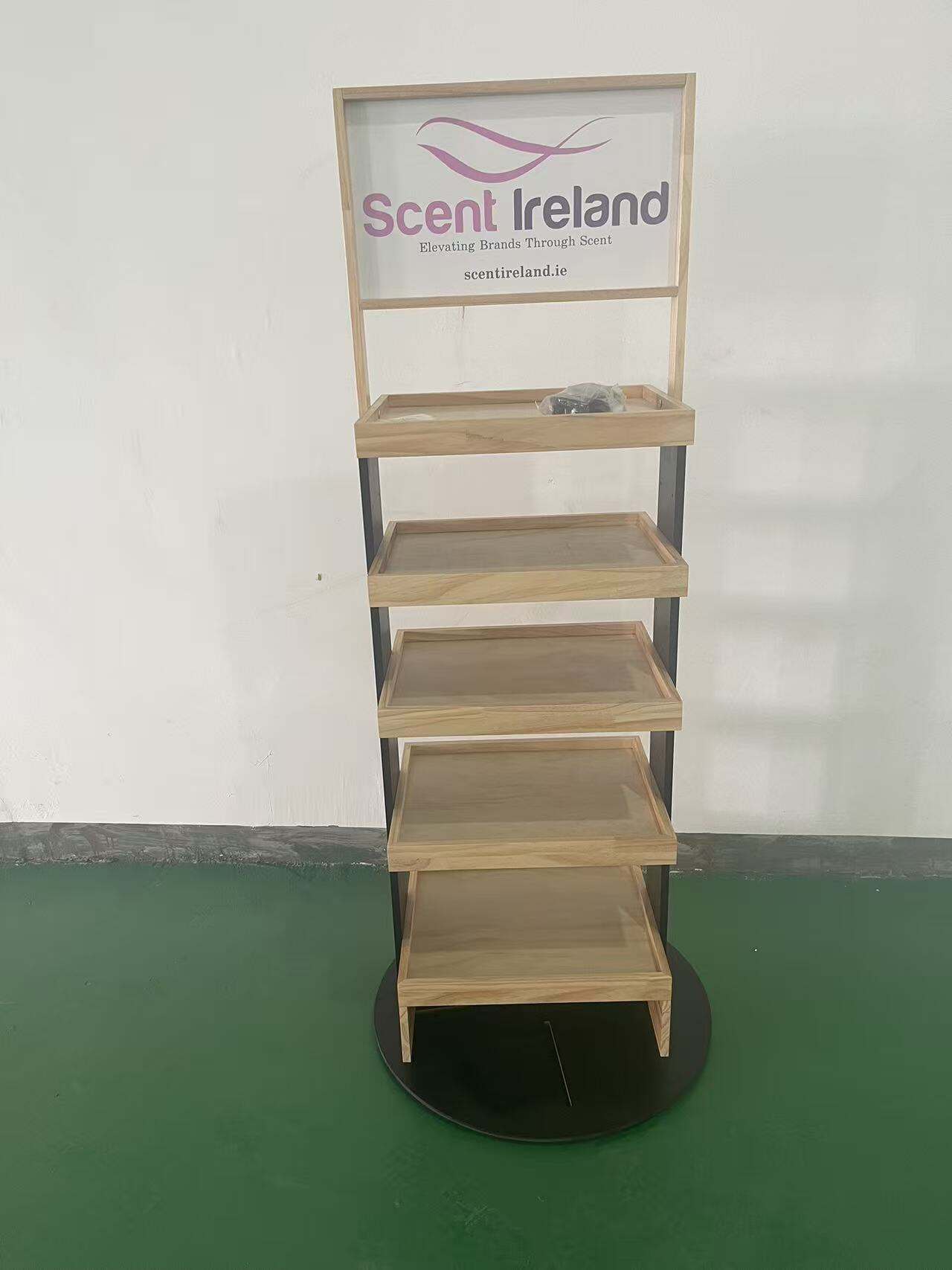
Modular Design Flexibility and Space Optimization
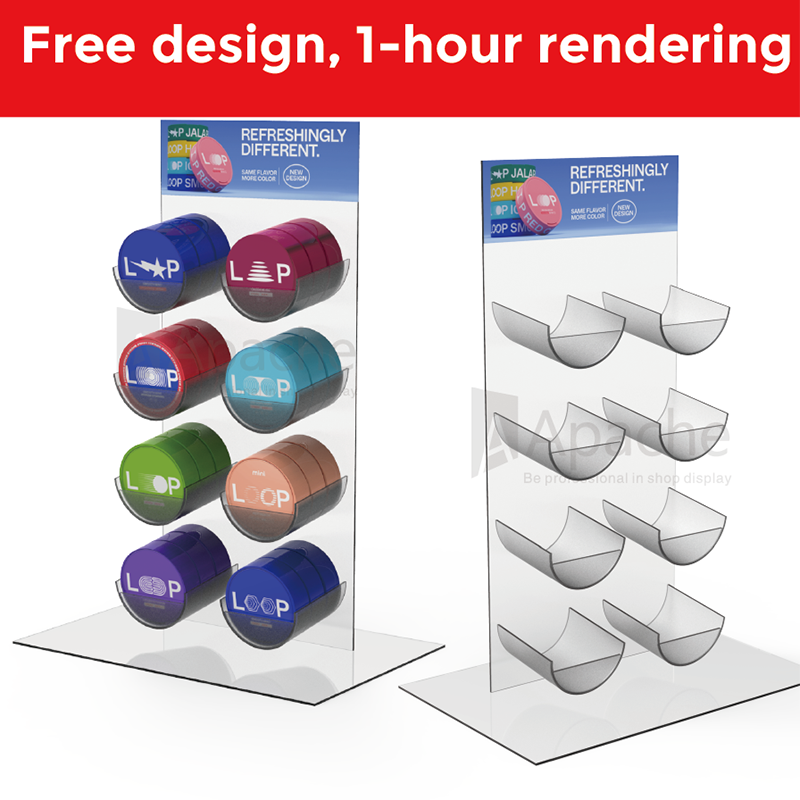
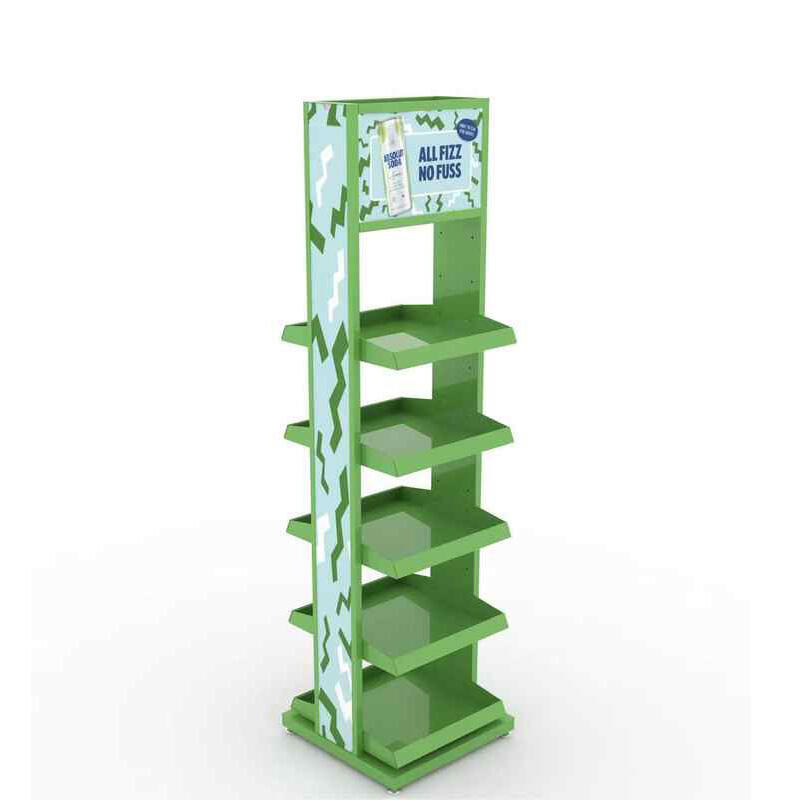
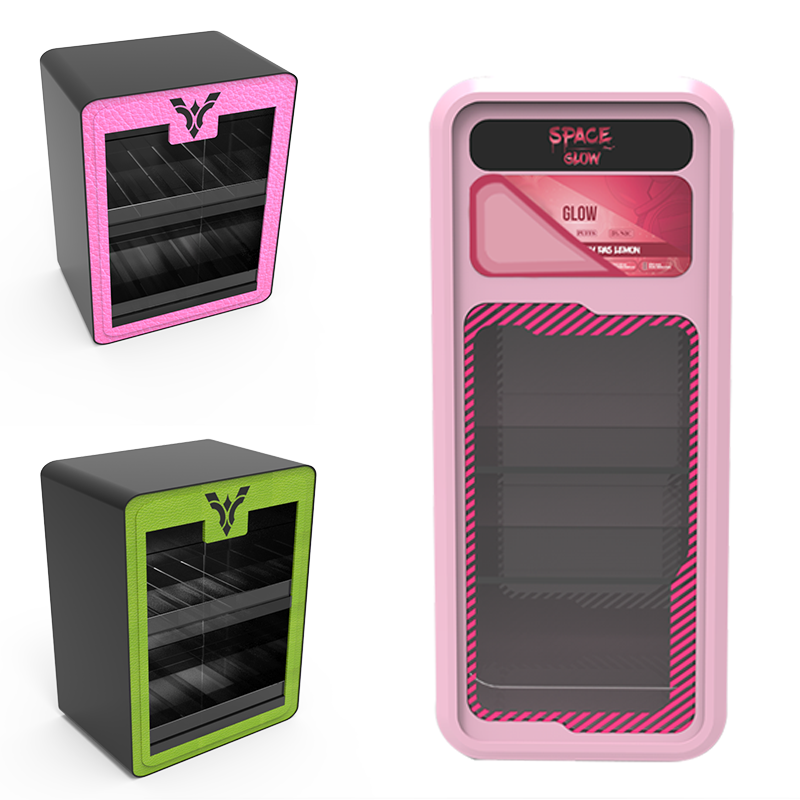
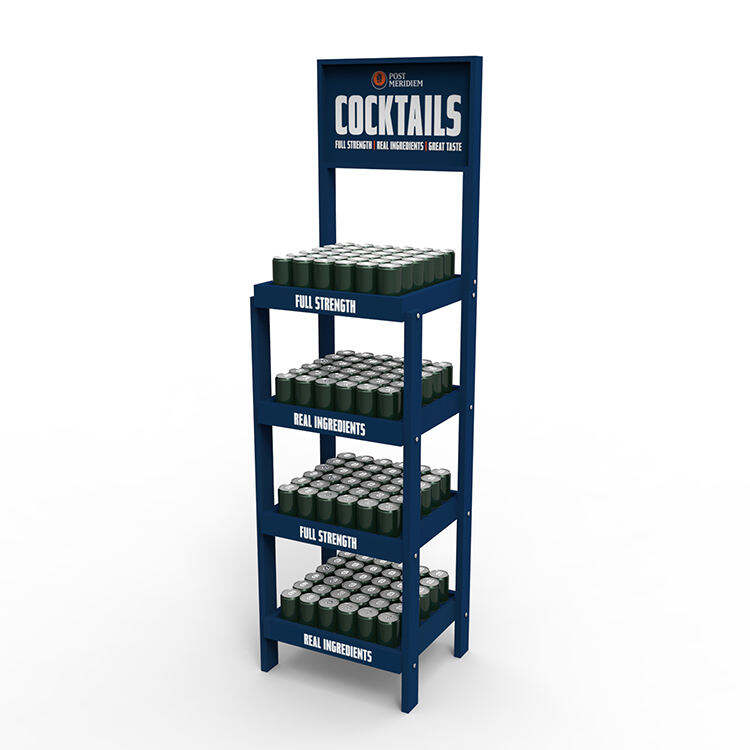
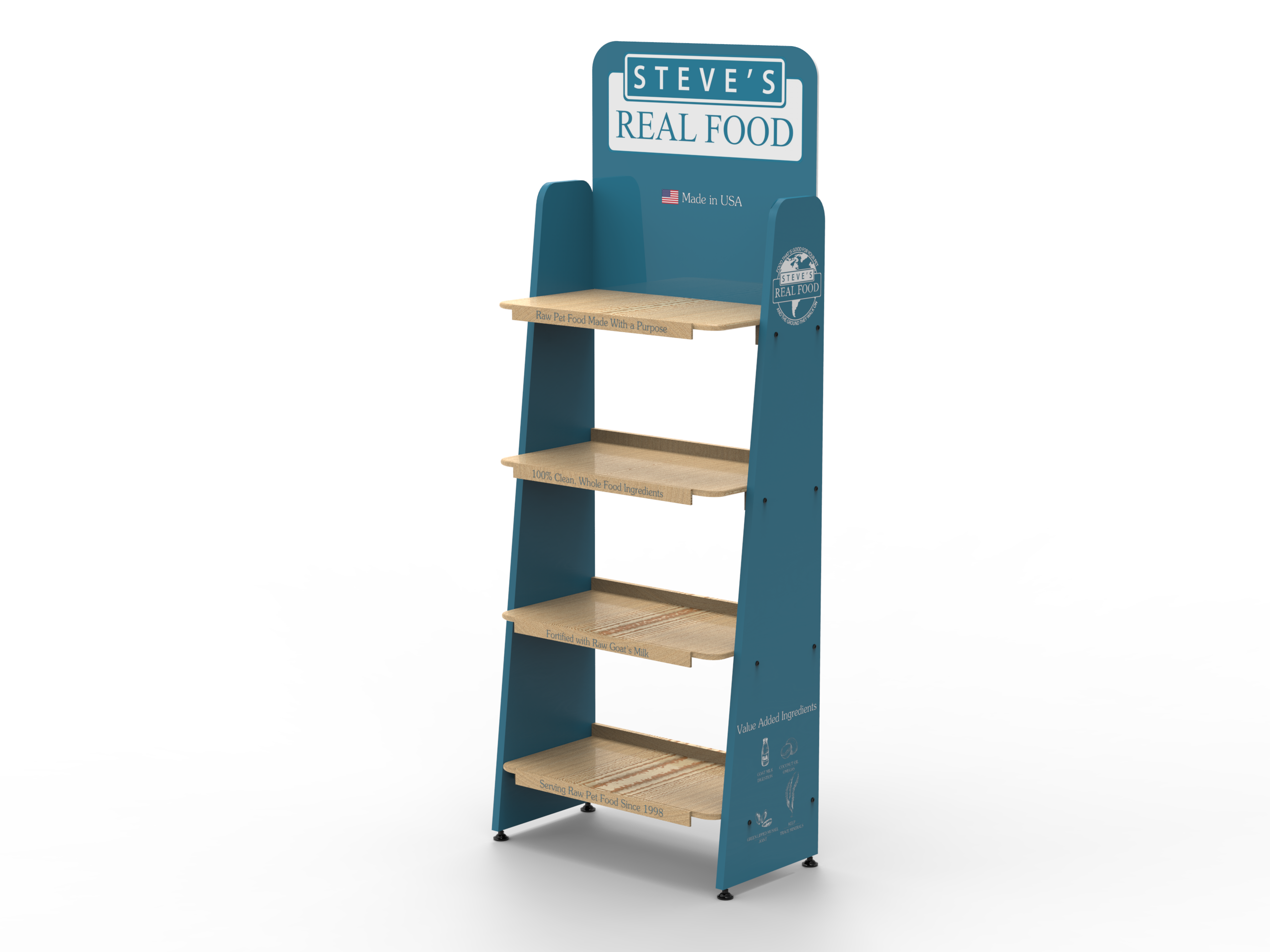
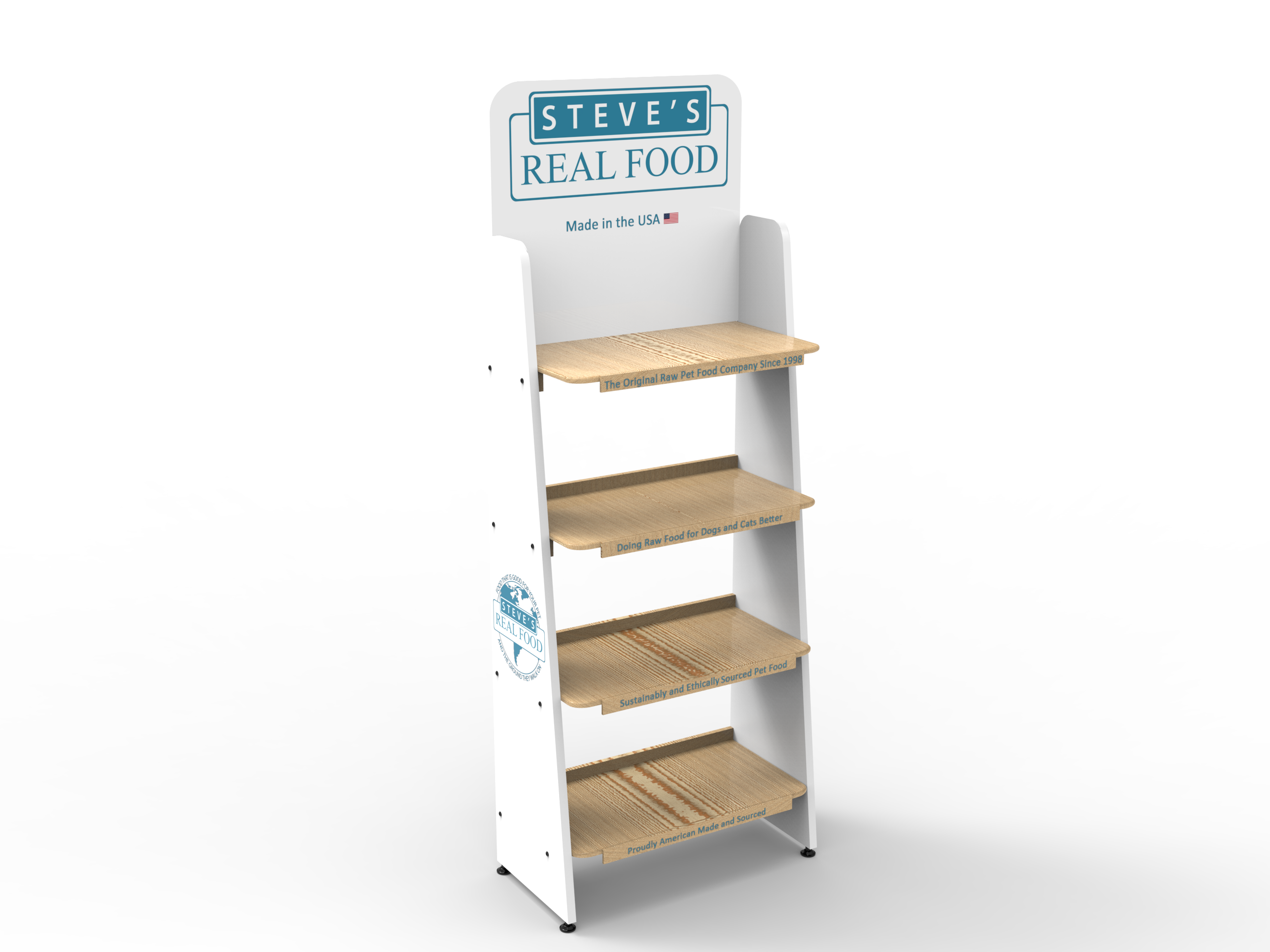
The innovative modular design philosophy underlying premium smoke shop display stands delivers unprecedented flexibility that adapts seamlessly to evolving retail environments and changing inventory requirements. This sophisticated approach to retail fixture design recognizes that successful tobacco retailers must respond quickly to market trends, seasonal variations, and regulatory changes without incurring substantial infrastructure costs. The modular construction methodology employs standardized components that interconnect through precision-engineered connection systems, enabling retailers to reconfigure displays efficiently as business needs change. Individual modules can be added, removed, or repositioned to accommodate new product lines, promotional campaigns, or space constraints without disrupting overall store operations. The scalable architecture supports both compact convenience store installations and expansive tobacco specialty retail environments through incremental expansion capabilities that grow with business success. Vertical space utilization reaches maximum efficiency through multi-tier configurations that display extensive product ranges within minimal floor footprints. This optimization proves particularly valuable in urban retail locations where premium square footage costs demand maximum inventory density. The adjustable shelving systems incorporated into modular smoke shop display stands accommodate products of varying sizes and shapes, from small accessories to large tobacco tins and electronic cigarette starter kits. Height-adjustable mechanisms enable precise spacing that maximizes product visibility while preventing overcrowding that can overwhelm customers. The flexible configuration options support diverse merchandising strategies including category-based organization, price-point groupings, and promotional displays that drive sales performance. Installation procedures for modular smoke shop display stands require minimal downtime, allowing retailers to upgrade or reconfigure displays during off-peak hours without disrupting revenue generation. The standardized component approach simplifies maintenance and replacement procedures, reducing long-term operational costs while ensuring consistent performance standards. Transportation and storage benefits result from the compact packaging made possible by modular construction, reducing shipping costs and enabling efficient warehouse management for multi-location retail operations.
 EN
EN