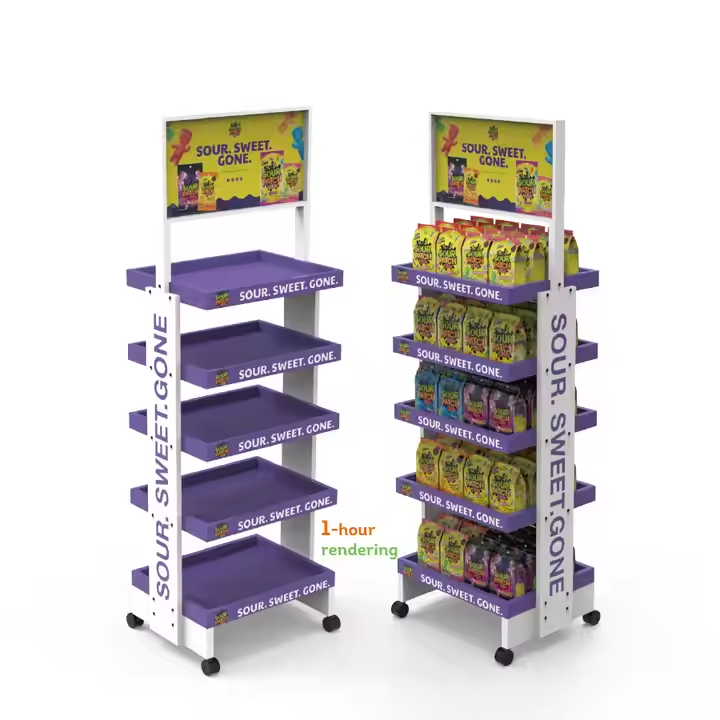
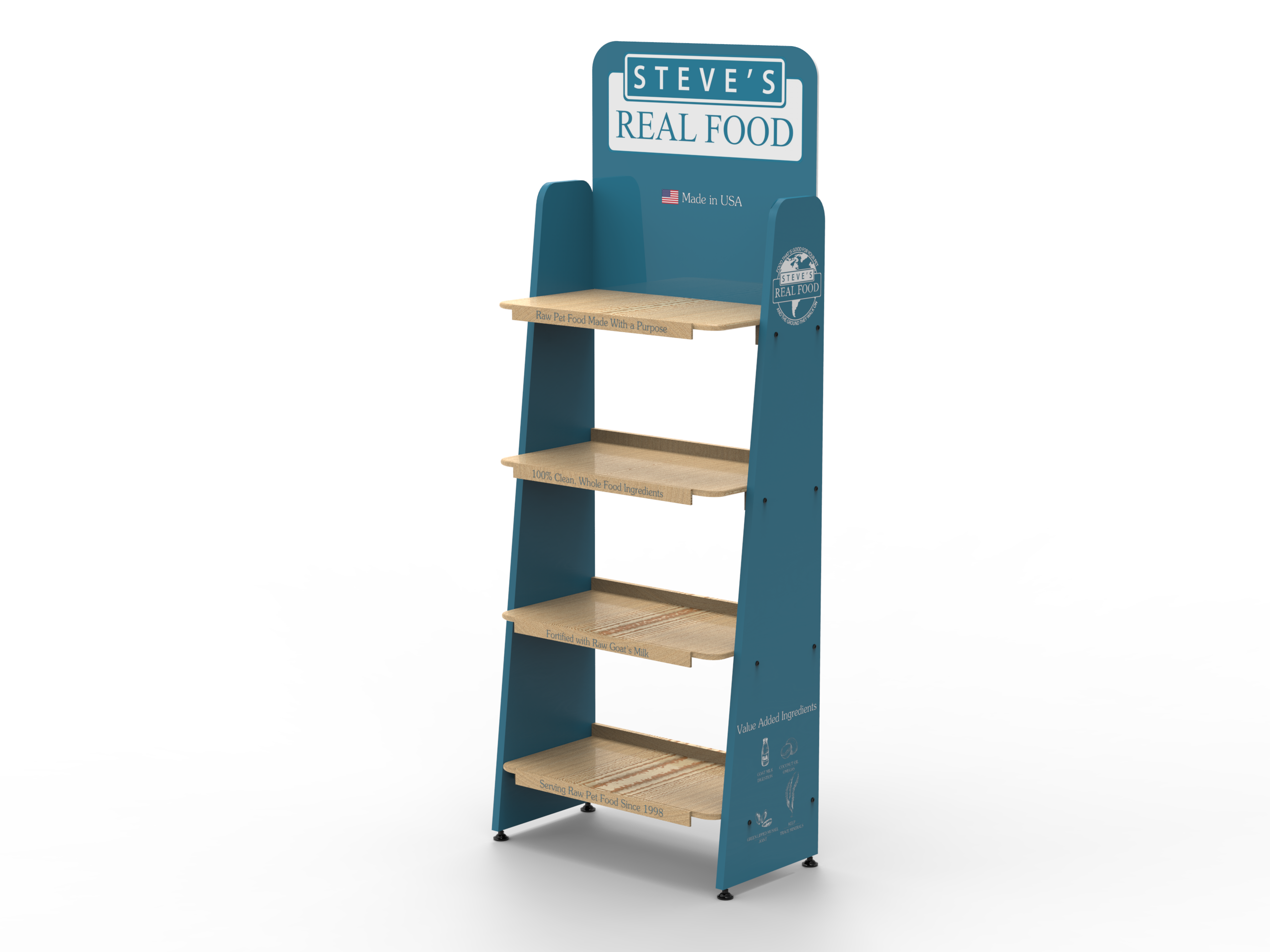
liquor display stand
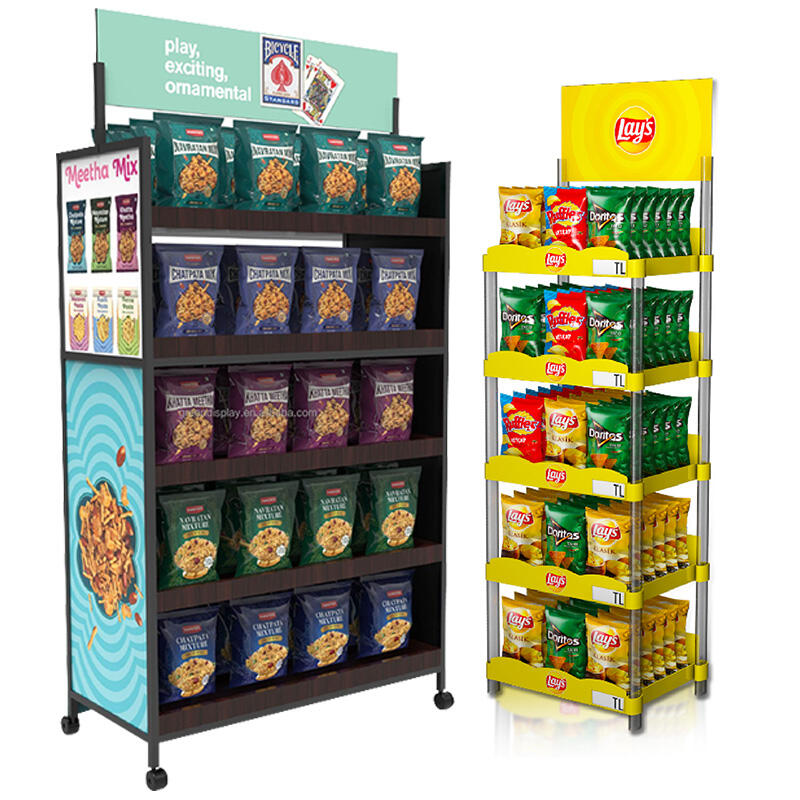
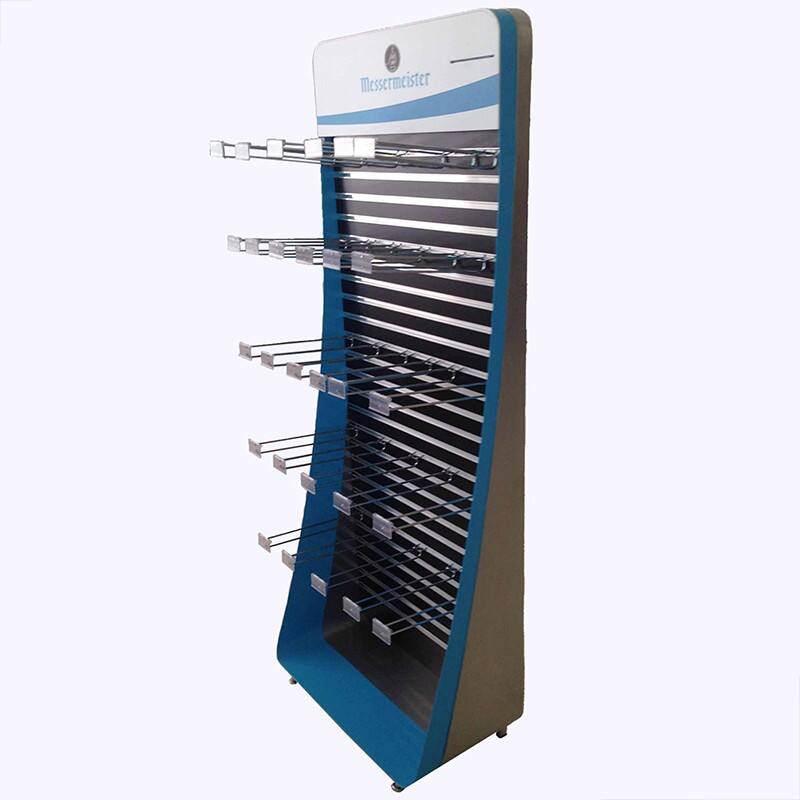
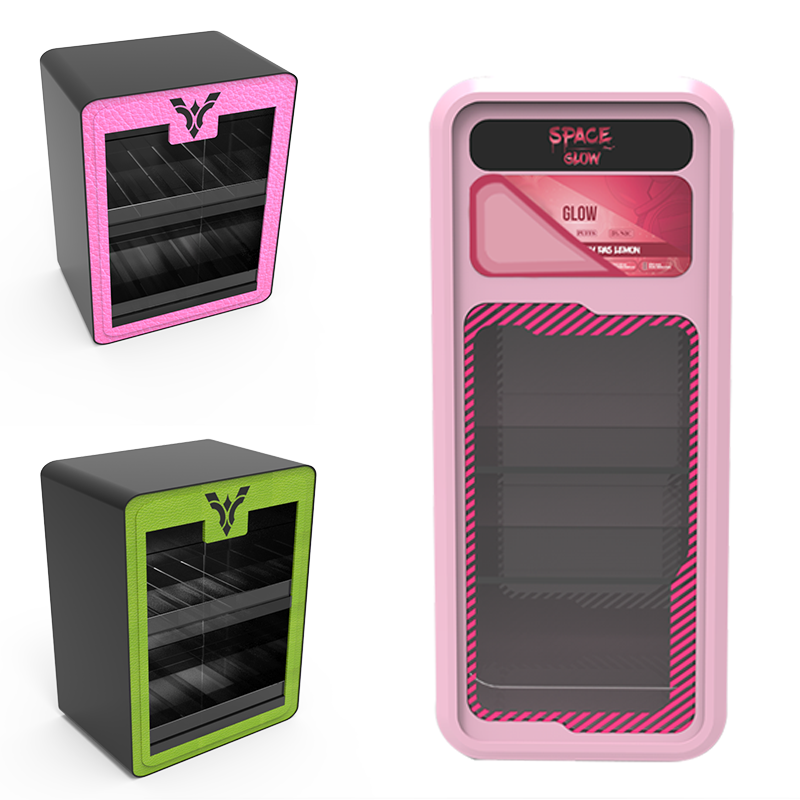
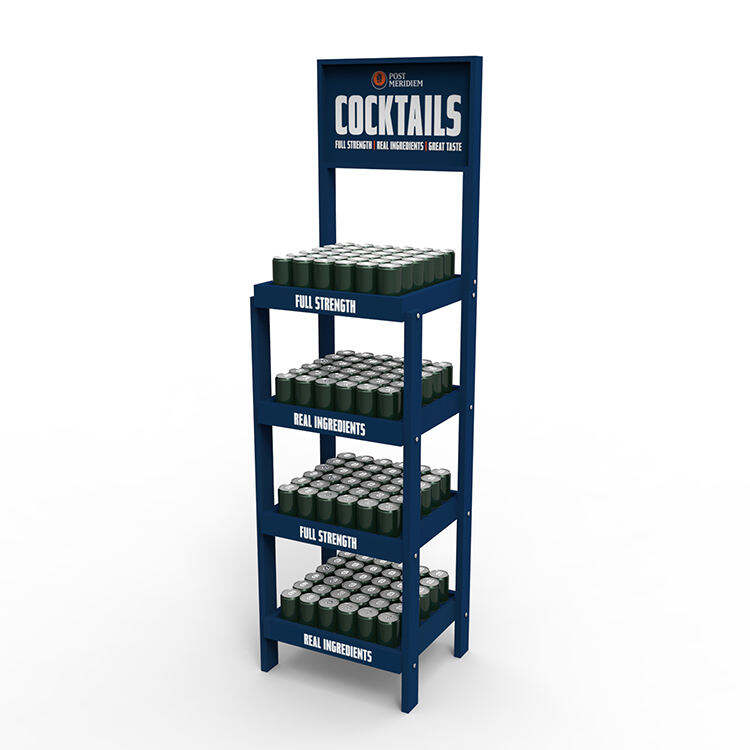
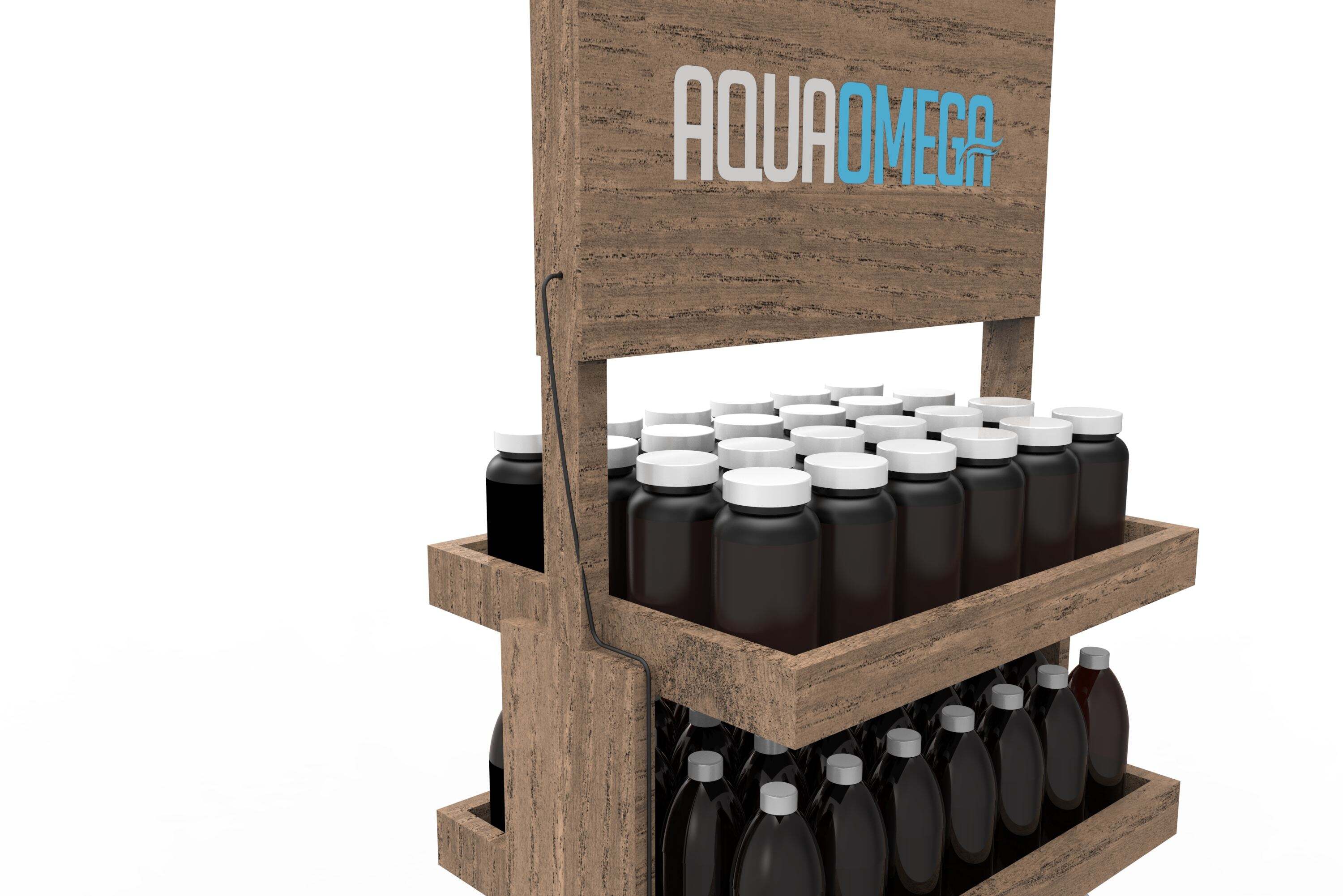
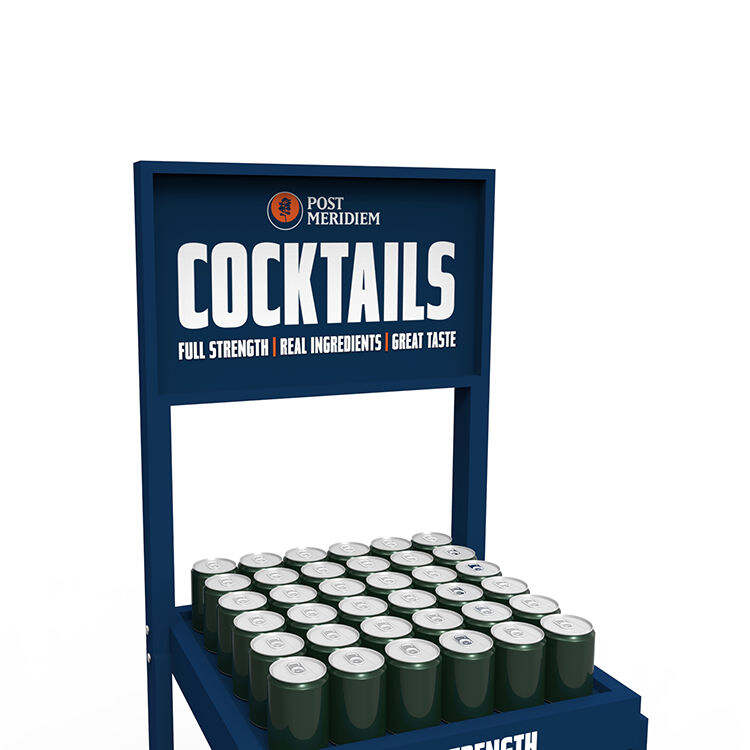
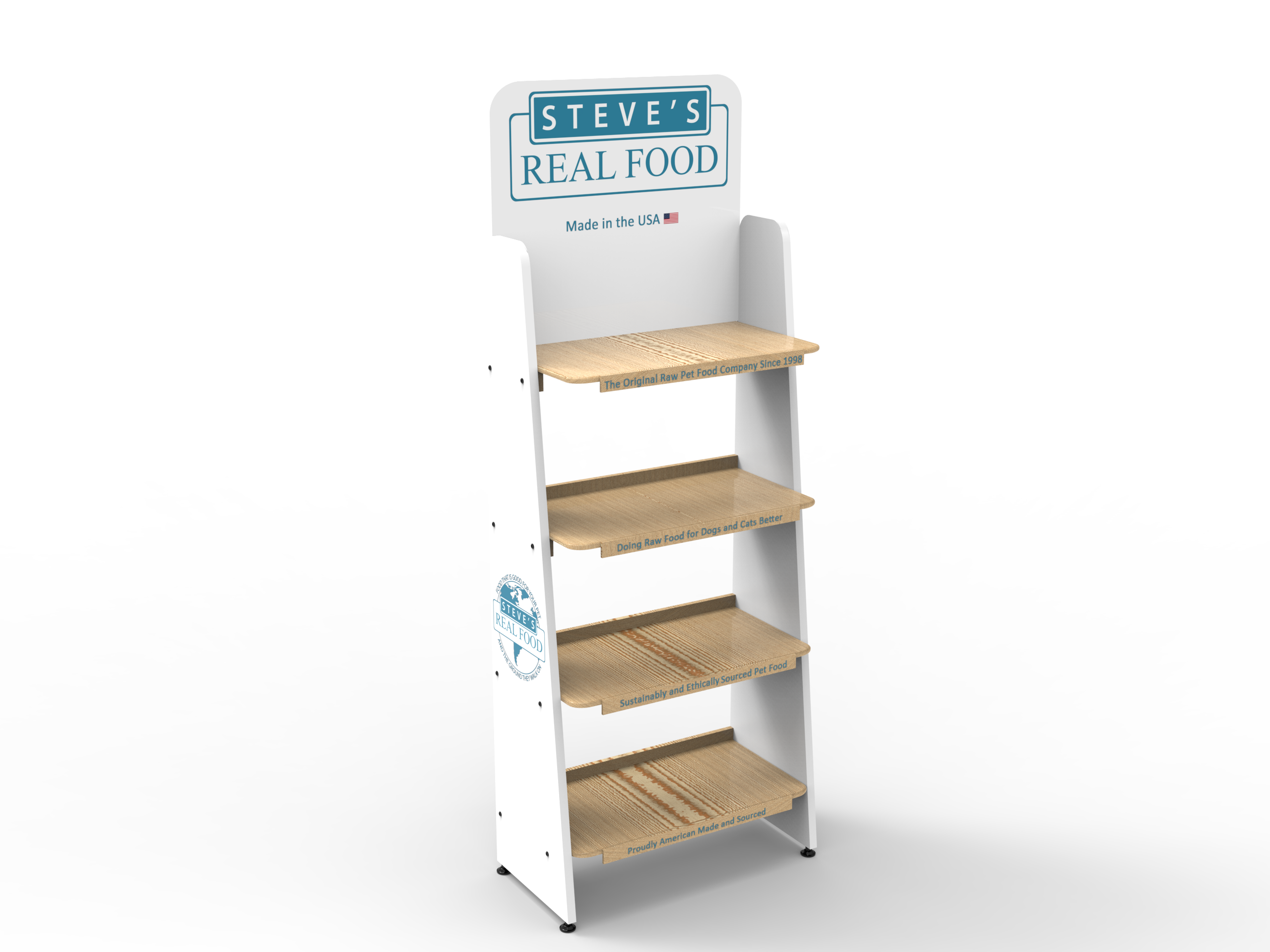
A liquor display stand represents an essential retail solution designed to showcase alcoholic beverages in an attractive and organized manner. These sophisticated display systems serve multiple purposes within commercial environments, transforming ordinary product presentation into compelling visual merchandising experiences. The primary function of a liquor display stand centers on maximizing product visibility while maintaining secure storage and easy accessibility for both customers and staff members. Modern liquor display stands incorporate advanced materials and engineering principles to create sturdy, aesthetically pleasing structures that enhance the overall shopping experience. These displays typically feature adjustable shelving systems, integrated lighting solutions, and customizable branding opportunities that allow retailers to create unique product presentations. The technological features of contemporary liquor display stands include temperature control mechanisms, security systems, and digital integration capabilities that support inventory management and customer engagement. Advanced models often incorporate LED lighting systems that highlight product labels and enhance visual appeal, while maintaining energy efficiency standards. The construction materials commonly include premium metals, tempered glass, and specialized plastics that ensure durability and longevity in high-traffic retail environments. Applications for liquor display stands span across various commercial settings including liquor stores, supermarkets, restaurants, bars, hotels, and specialty retail outlets. These versatile display solutions accommodate different bottle sizes, shapes, and packaging formats while maintaining professional appearance standards. The modular design of many liquor display stands enables retailers to adapt configurations based on seasonal promotions, new product launches, or changing inventory requirements. Strategic placement of these display units can significantly influence purchasing decisions by creating focal points that draw customer attention to premium products or special offers. The ergonomic design considerations ensure comfortable shopping experiences while facilitating efficient restocking procedures for retail staff members.
 EN
EN