EN
EN

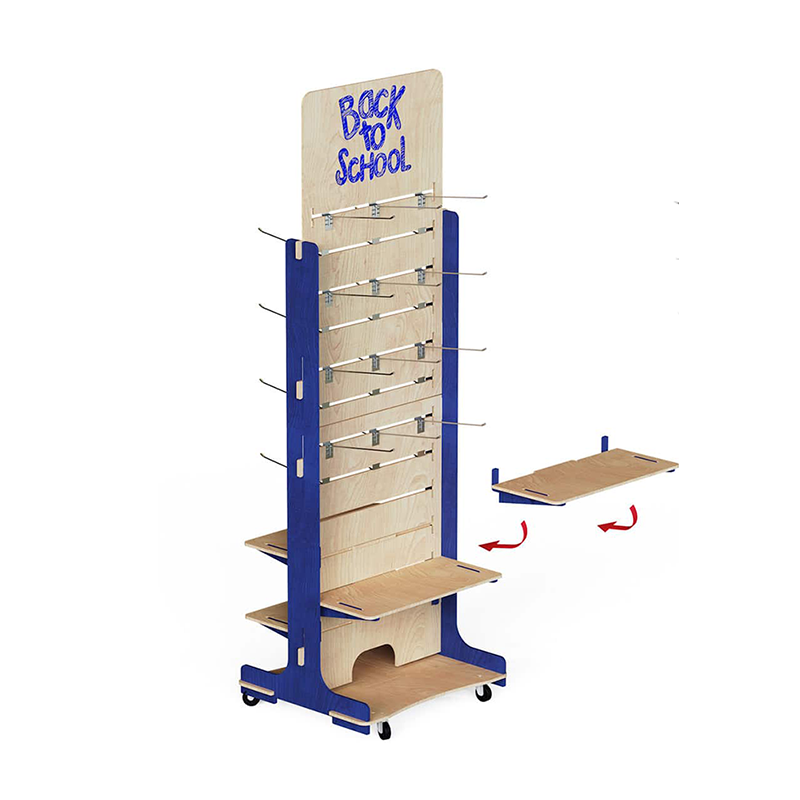
In today's competitive retail environment, businesses are constantly seeking innovative ways to showcase their products while creating an inviting atmosphere that draws customers in. A wood display rack represents the perfect solution for retailers who want to combine functionality with natural beauty, offering an organic warmth that synthetic materials simply cannot match. These versatile fixtures have become increasingly popular across various industries, from boutique clothing stores to specialty food markets, providing an elegant foundation for product presentation that enhances both the merchandise and the overall shopping experience.
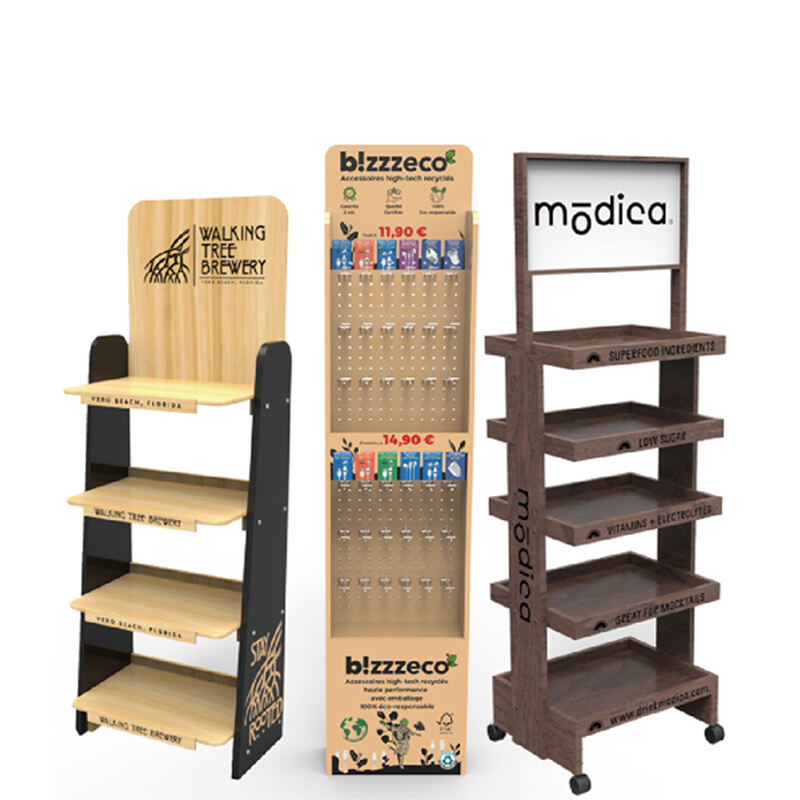
The appeal of wooden display solutions extends beyond mere aesthetics, encompassing practical benefits that make them indispensable tools for modern merchandising. Wood naturally complements a wide range of product types and store designs, creating cohesive visual narratives that resonate with environmentally conscious consumers. Additionally, the durability and longevity of quality wooden fixtures make them cost-effective investments that can adapt to changing inventory needs and seasonal displays. When properly maintained, a well-constructed wood display rack can serve a business for many years, developing a rich patina that adds character and authenticity to the retail space.
Understanding Wood Display Rack Materials and Construction
Types of Wood Used in Display Construction
The selection of wood species significantly impacts both the appearance and performance of display fixtures. Pine remains one of the most popular choices for commercial wood display rack construction due to its affordability, workability, and attractive grain patterns. This softwood accepts stains and finishes beautifully, allowing retailers to customize the appearance to match their brand aesthetics. Oak, maple, and birch represent premium hardwood options that offer superior durability and resistance to wear, making them ideal for high-traffic retail environments where displays face constant handling and repositioning.
Engineered wood products, including plywood and medium-density fiberboard, provide cost-effective alternatives that maintain structural integrity while offering consistent appearance across multiple units. These materials can be veneered with attractive wood species to achieve the desired aesthetic without the premium cost of solid hardwood. The choice of material should align with the intended use, budget constraints, and desired lifespan of the display system, ensuring optimal return on investment for the retailer.
Construction Techniques and Joinery Methods
Professional wood display rack construction relies on time-tested joinery techniques that ensure structural stability and longevity. Traditional methods such as mortise and tenon joints, dovetails, and dado cuts create strong mechanical connections that can withstand the stresses of commercial use. Modern manufacturing often incorporates precision hardware systems that allow for easy assembly and disassembly, facilitating transportation and storage when displays are not in active use.
The finishing process plays a crucial role in protecting the wood from moisture, staining, and everyday wear while enhancing its natural beauty. Quality finishes not only preserve the wood but also make cleaning and maintenance more straightforward, ensuring that the display continues to present products in the best possible light. Advanced coating technologies now offer low-VOC options that maintain indoor air quality while providing excellent protection and appearance.
Design Considerations for Optimal Product Display
Spatial Planning and Layout Integration
Effective wood display rack design begins with careful consideration of the available space and traffic patterns within the retail environment. The dimensions and configuration must complement the store layout while maximizing product visibility and accessibility. Modular designs offer flexibility to adapt to changing needs, allowing retailers to reconfigure displays as inventory changes or promotional requirements evolve. The height, depth, and width of each unit should be optimized for the specific products being displayed, ensuring that items are presented at comfortable viewing and reaching heights for customers.
Integration with existing store fixtures and design elements creates a cohesive visual experience that reinforces brand identity and enhances the overall shopping atmosphere. The wood display rack should complement rather than compete with other display elements, creating harmonious arrangements that guide customers naturally through the space. Consideration of lighting interactions is also essential, as wood surfaces can either enhance or diminish the effectiveness of display lighting depending on their finish and positioning.
Ergonomic and Accessibility Features
Modern wood display rack design incorporates ergonomic principles to ensure comfortable interaction for both customers and staff. Shelf heights should accommodate the average reach ranges of the target demographic while maintaining compliance with accessibility guidelines. Adjustable shelving systems provide flexibility to optimize displays for different product categories and seasonal changes, maximizing the utility of each fixture throughout its service life.
Safety considerations include rounded edges, stable base designs, and appropriate weight distribution to prevent tipping or structural failure. The incorporation of anti-slip surfaces and secure mounting systems ensures that products remain properly positioned even in busy retail environments. These design elements contribute to both customer safety and product security, reducing liability risks while maintaining an attractive presentation.
Industry Applications and Versatility
Retail Environments and Commercial Spaces
The versatility of wood display rack systems makes them suitable for diverse retail applications, from high-end boutiques to casual market environments. In clothing stores, these displays can showcase garments while conveying quality and craftsmanship that aligns with premium brands. The natural texture and warmth of wood create an inviting atmosphere that encourages customers to examine products more closely, potentially increasing dwell time and purchase likelihood.
Specialty food retailers particularly benefit from wooden display solutions, as the organic nature of wood complements artisanal and natural products. The material's ability to absorb and release moisture gradually helps maintain optimal conditions for certain food items while creating an authentic market atmosphere that resonates with quality-conscious consumers. Additionally, wood displays can be easily customized with branded elements or seasonal decorations to support promotional campaigns and seasonal merchandising strategies.
Trade Shows and Temporary Installations
Portable wood display rack systems serve as excellent solutions for trade shows, pop-up shops, and temporary retail installations. The professional appearance of wooden fixtures elevates brand perception while providing functional product presentation capabilities. Modular designs that can be quickly assembled and disassembled make these displays practical for businesses that participate in multiple events throughout the year.
The durability of quality wooden displays makes them worthwhile investments for businesses that regularly participate in trade shows or seasonal markets. Unlike disposable cardboard alternatives, a well-constructed wood display rack can be reused countless times while maintaining its professional appearance and structural integrity. This reusability provides excellent long-term value while supporting sustainability initiatives that are increasingly important to both businesses and consumers.
Maintenance and Longevity Strategies
Routine Care and Cleaning Protocols
Proper maintenance ensures that wood display rack systems continue to present products attractively while maximizing their service life. Regular cleaning with appropriate wood-safe products removes dust, fingerprints, and other contaminants that can dull the finish or create an unprofessional appearance. The frequency of cleaning depends on the retail environment and traffic levels, but weekly attention typically maintains optimal appearance in most commercial settings.
Preventive maintenance includes periodic inspection of hardware connections, joint integrity, and finish condition. Early identification of wear or damage allows for timely repairs that prevent minor issues from becoming major problems. Keeping spare hardware and touch-up supplies on hand enables quick responses to damage, ensuring that displays remain functional and attractive even in high-traffic environments.
Long-term Preservation Techniques
Environmental factors significantly impact the longevity of wooden display fixtures, making climate control and humidity management important considerations for retailers. Extreme temperature fluctuations and humidity changes can cause wood to expand and contract, potentially leading to joint loosening or finish cracking. Maintaining stable environmental conditions protects the investment while preserving the attractive appearance that makes wood display rack systems so appealing.
Periodic refinishing extends the life of wooden displays while allowing retailers to update their appearance to match evolving brand aesthetics or store designs. Quality wooden fixtures can often be refinished multiple times throughout their service life, providing opportunities to refresh the retail environment without the expense of complete replacement. This adaptability makes wooden displays particularly valuable for businesses that regularly update their visual merchandising strategies.
Cost-Benefit Analysis and Investment Considerations
Initial Investment versus Long-term Value
While the initial cost of quality wood display rack systems may exceed that of alternative materials, the long-term value proposition often favors wooden solutions. The durability and timeless appeal of wood mean that these displays typically provide years of reliable service, amortizing their cost over extended periods. Additionally, the professional appearance of wooden fixtures can contribute to increased sales by enhancing product presentation and store atmosphere.
The resale value of quality wooden displays also exceeds that of synthetic alternatives, providing some recovery of investment if business needs change. This residual value, combined with the extended service life, makes wooden displays attractive from a total cost of ownership perspective. Businesses should consider not only the purchase price but also maintenance costs, expected lifespan, and potential resale value when evaluating display options.
Customization and Branding Opportunities
Wood display rack systems offer extensive customization possibilities that can reinforce brand identity and create unique retail experiences. Custom staining, engraving, or branded hardware integration allows retailers to create distinctive displays that set their stores apart from competitors. These branding opportunities can be particularly valuable for businesses seeking to establish strong visual identities or communicate specific values such as craftsmanship or environmental responsibility.
The ability to modify or update wooden displays over time provides ongoing branding flexibility. As business needs evolve or brand aesthetics change, wooden fixtures can often be refinished, reconfigured, or enhanced with new elements rather than completely replaced. This adaptability makes wooden displays particularly valuable for growing businesses or those in dynamic retail environments where change is frequent.
FAQ
What types of products work best with wood display rack systems
Wood display rack systems are incredibly versatile and work well with almost any type of product, though they particularly excel with items that benefit from a natural, authentic presentation. Clothing, accessories, artisanal foods, handcrafted items, books, and specialty goods all display beautifully on wooden fixtures. The natural warmth of wood complements organic and premium products especially well, creating an upscale atmosphere that can justify higher price points and enhance perceived value.
How do I determine the right size wood display rack for my space
Selecting the appropriate size requires careful measurement of your available space and consideration of traffic flow patterns. Start by measuring the floor space available, then subtract clearance areas needed for customer movement and accessibility. Consider the height limitations of your space, including any overhead obstacles like lighting or signage. The display should be proportional to your space while maximizing product visibility without creating a cramped feeling. Modular systems offer flexibility to start smaller and expand as needed.
Can wood display racks be customized to match my store branding
Yes, wooden display systems offer extensive customization opportunities to align with your brand identity. Options include custom staining or painting to match brand colors, laser engraving or routing of logos and text, branded hardware selection, and integration with other branded elements. Many manufacturers offer custom fabrication services that can create displays designed specifically for your products and brand aesthetic. The natural beauty of wood provides an excellent foundation for branding elements while maintaining a professional, sophisticated appearance.
What maintenance is required to keep wood display racks looking their best
Regular maintenance for wood display rack systems is straightforward and includes weekly dusting with appropriate wood-safe cleaners, periodic inspection of hardware and joints for tightness, and protection from excessive moisture or direct sunlight that could damage the finish. Deep cleaning should be performed monthly or as needed based on traffic levels. Annual inspection for finish wear and touch-up application helps maintain appearance. With proper care, quality wooden displays can maintain their attractive appearance for many years while continuing to showcase products effectively.