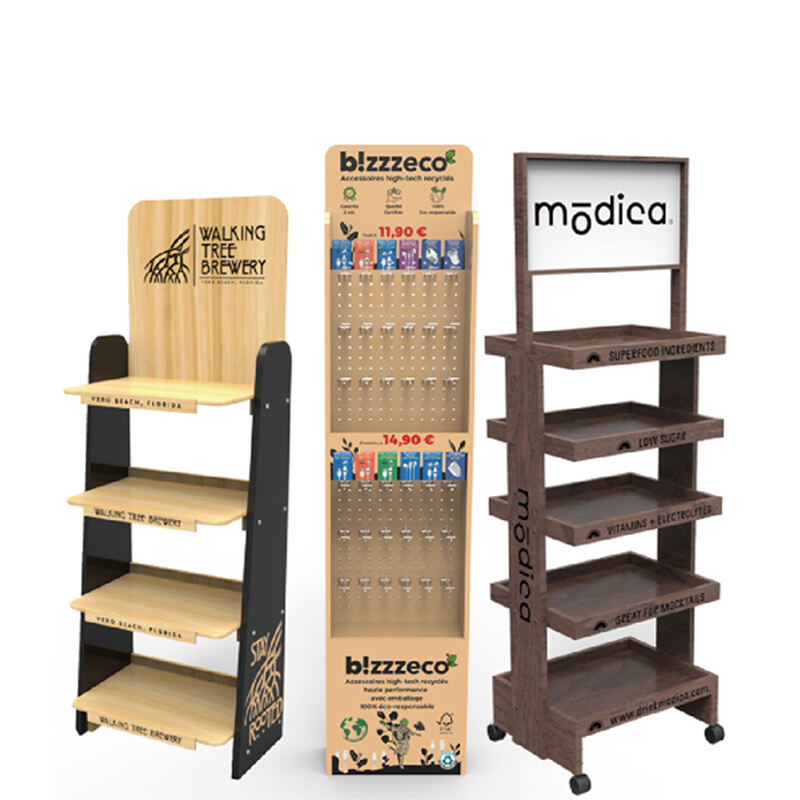
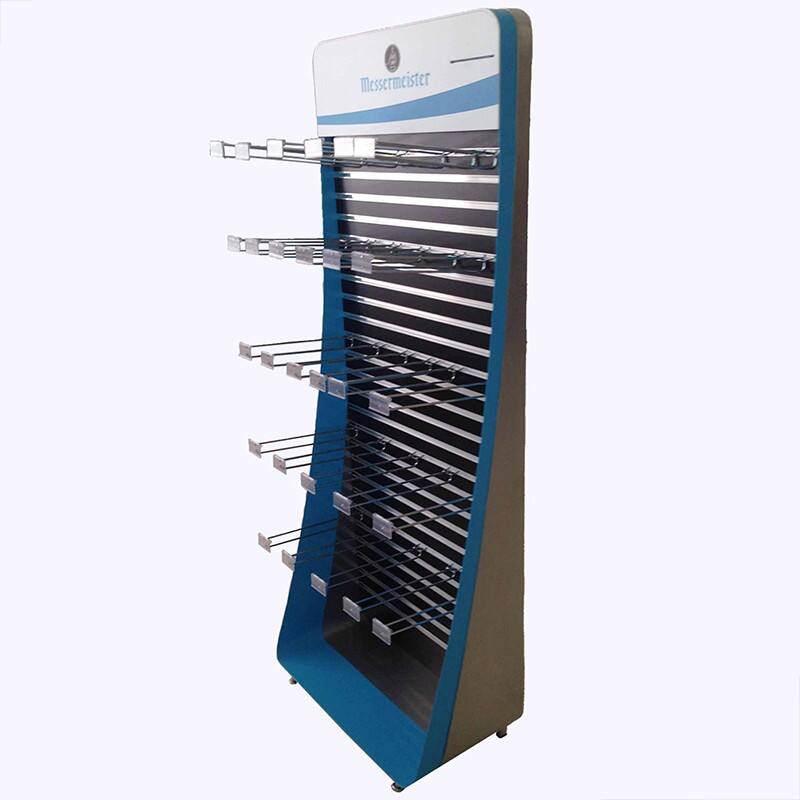
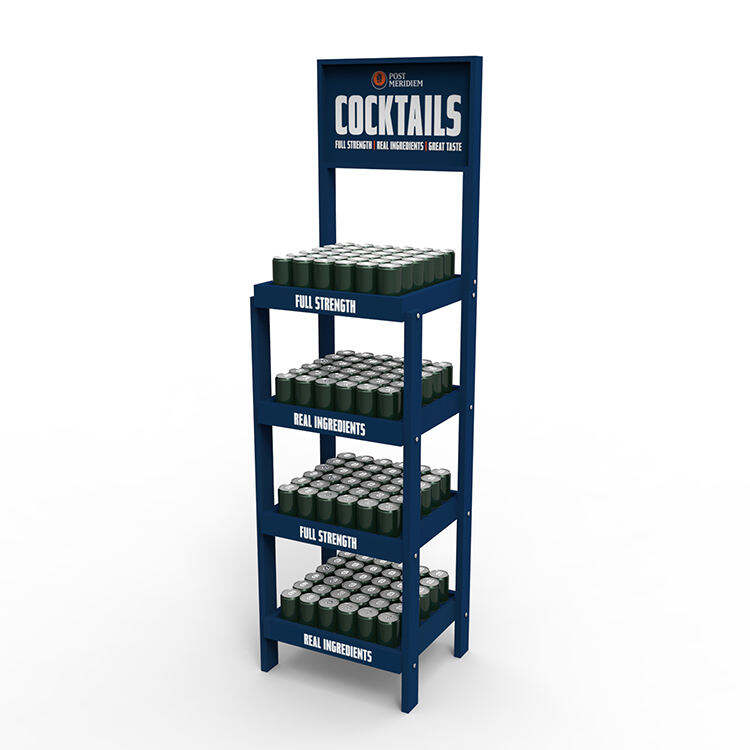
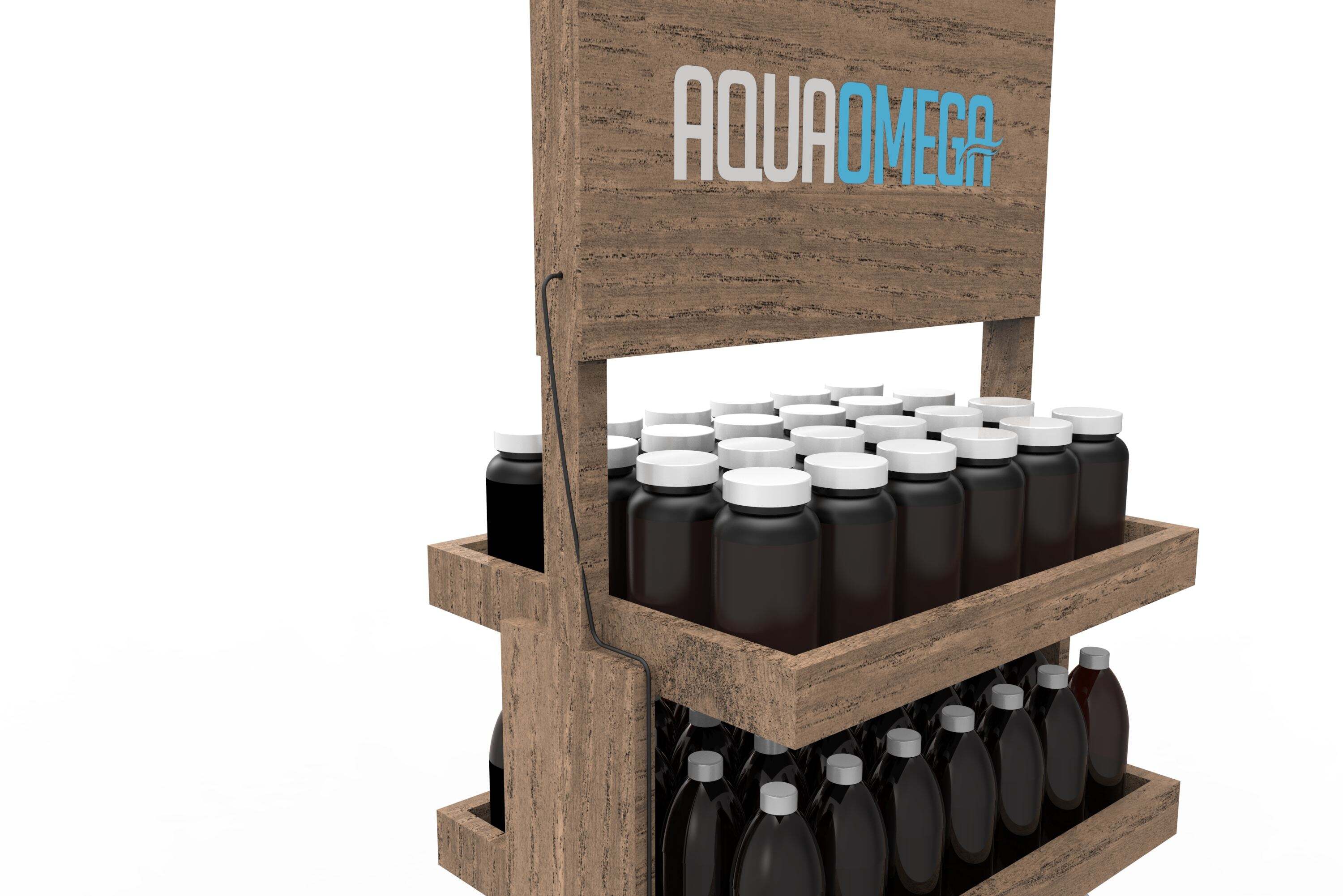
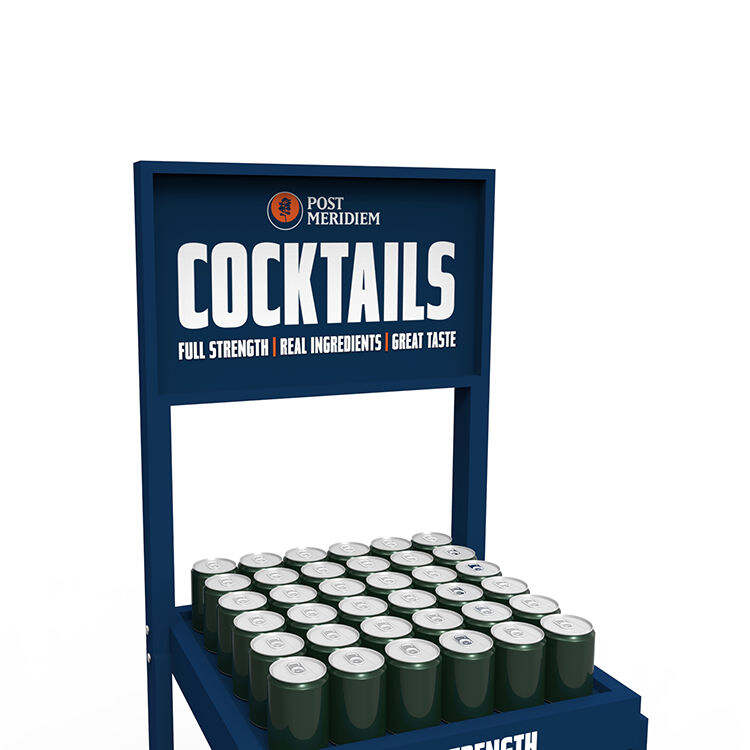
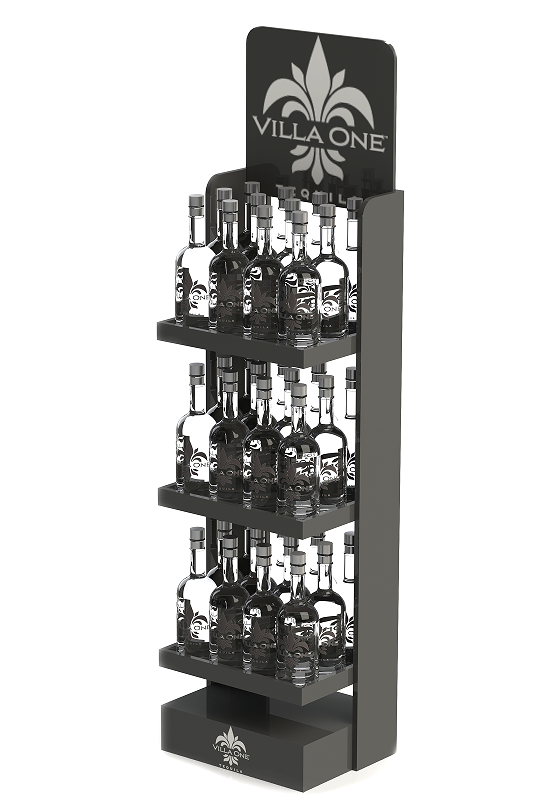
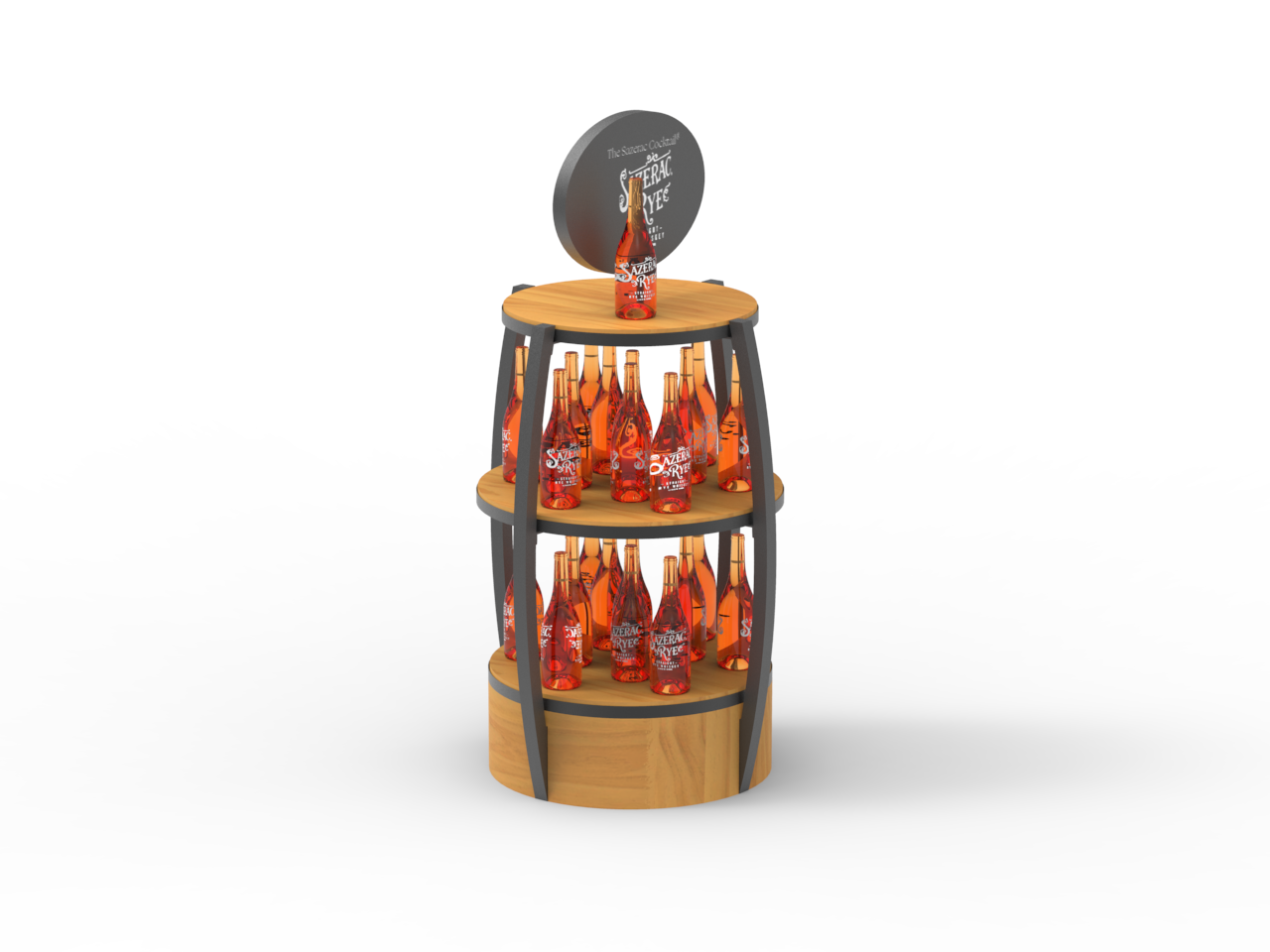
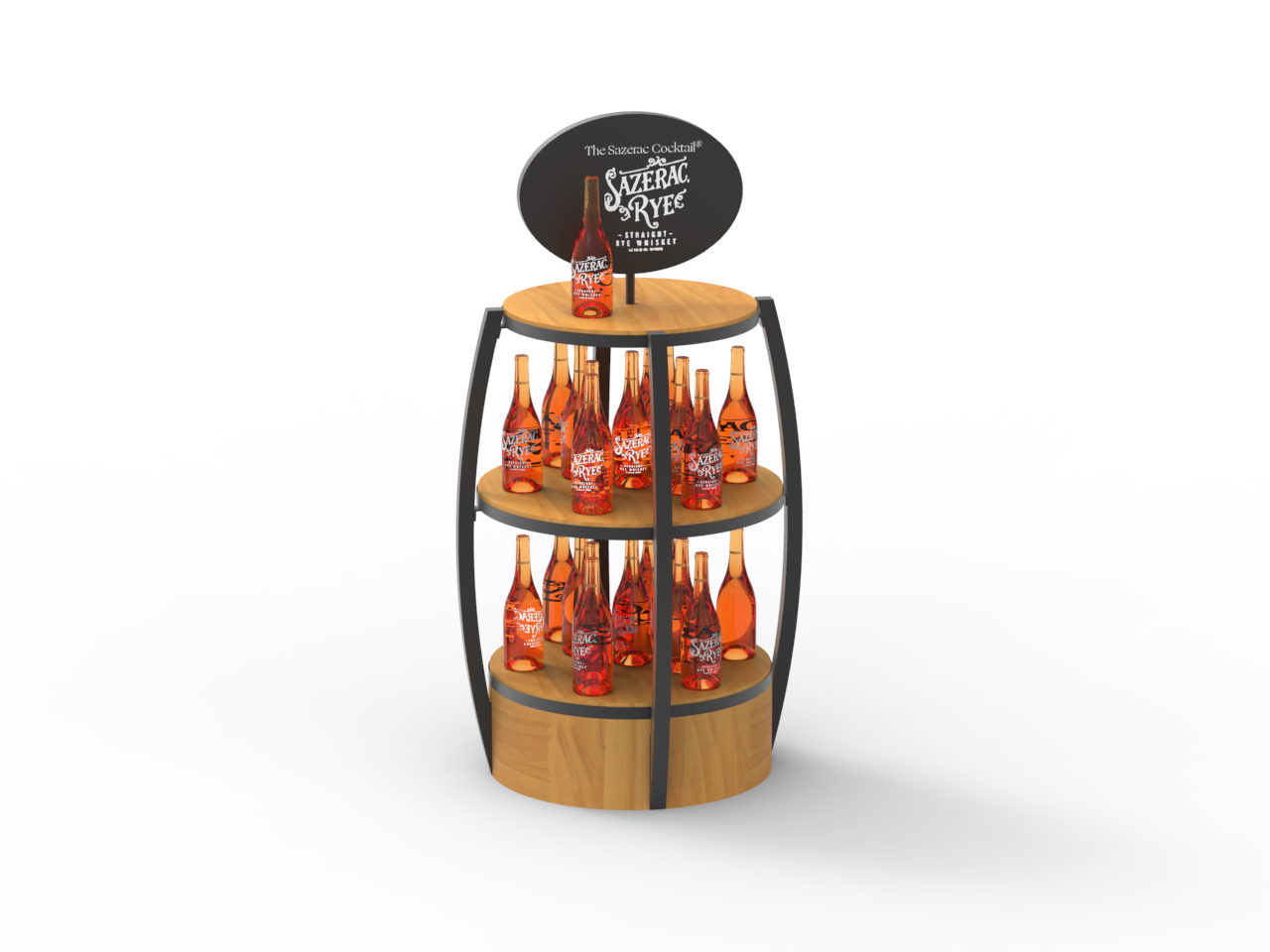
wood display stand for wine and beer
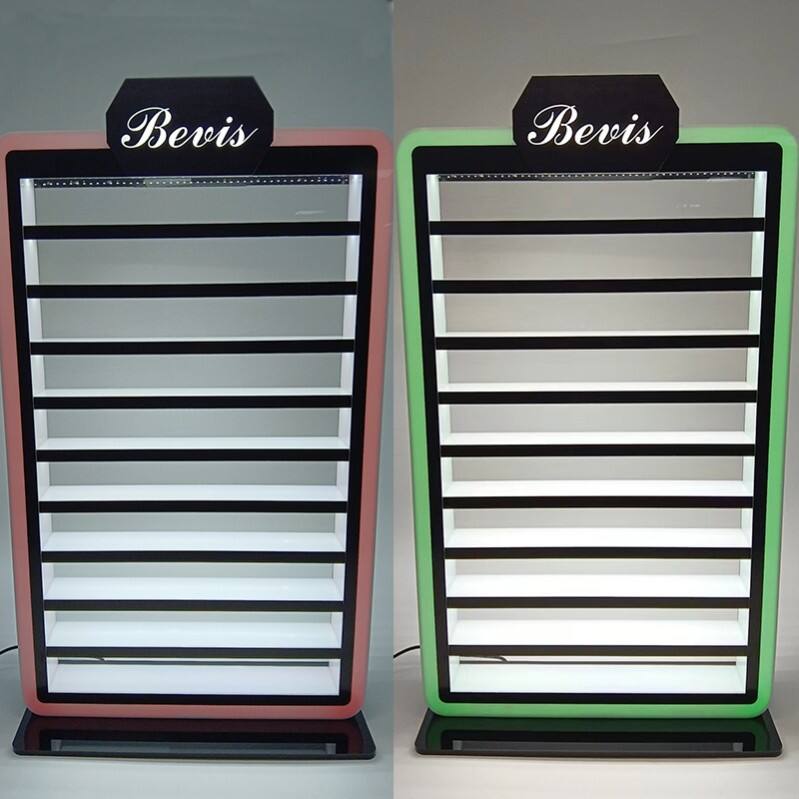
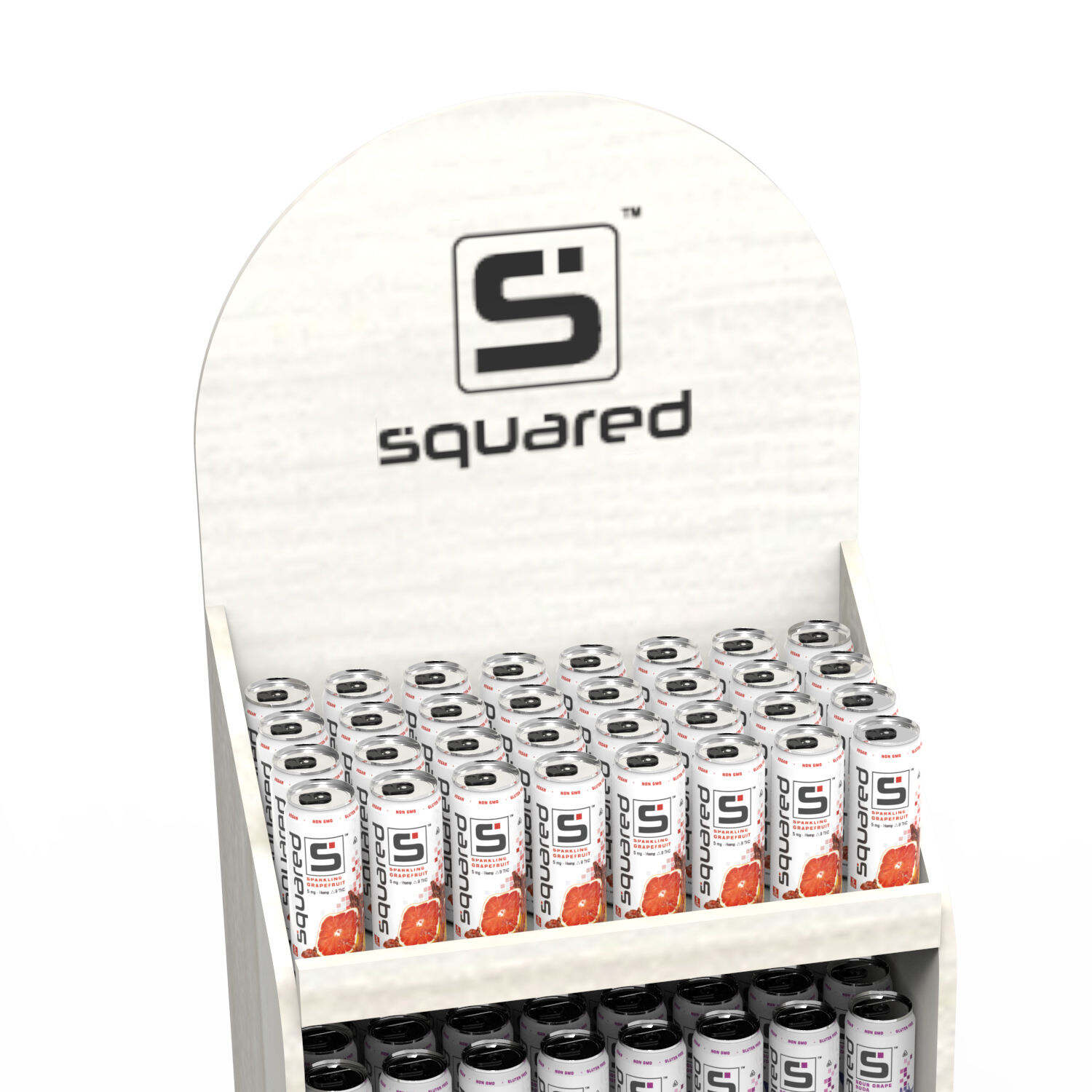
A wood display stand for wine and beer represents an essential retail fixture that combines functionality with aesthetic appeal to enhance beverage merchandising. These specialized stands are crafted from various wood types including oak, pine, bamboo, and reclaimed wood materials, offering retailers and hospitality venues an elegant solution for product presentation. The primary function of a wood display stand for wine and beer centers on maximizing visibility while creating an inviting shopping experience that encourages customer engagement and purchases. Modern wood display stands incorporate sophisticated design elements that accommodate different bottle sizes, from standard wine bottles to craft beer varieties and specialty beverages. The technological features of these stands include precision-engineered slots and compartments that secure bottles at optimal angles for label visibility. Many models feature adjustable shelving systems that allow retailers to customize configurations based on inventory requirements. Advanced wood display stands integrate LED lighting systems that illuminate bottles effectively while maintaining energy efficiency. The construction typically involves mortise and tenon joinery or dowel connections that ensure structural integrity without compromising visual appeal. Surface treatments include food-safe finishes that resist moisture and staining while preserving natural wood grain patterns. Applications for wood display stands span multiple environments including wine shops, liquor stores, restaurants, bars, tasting rooms, and retail chains. These stands prove particularly valuable in premium retail settings where brand presentation significantly impacts purchasing decisions. Hotels and resorts utilize wood display stands in lobbies and gift shops to create sophisticated beverage retail areas. The versatility of wood display stands allows placement in various locations from countertops to floor displays, making them suitable for establishments with different spatial constraints and design requirements.
 EN
EN