Exceptional Durability and Long-Term Value Investment
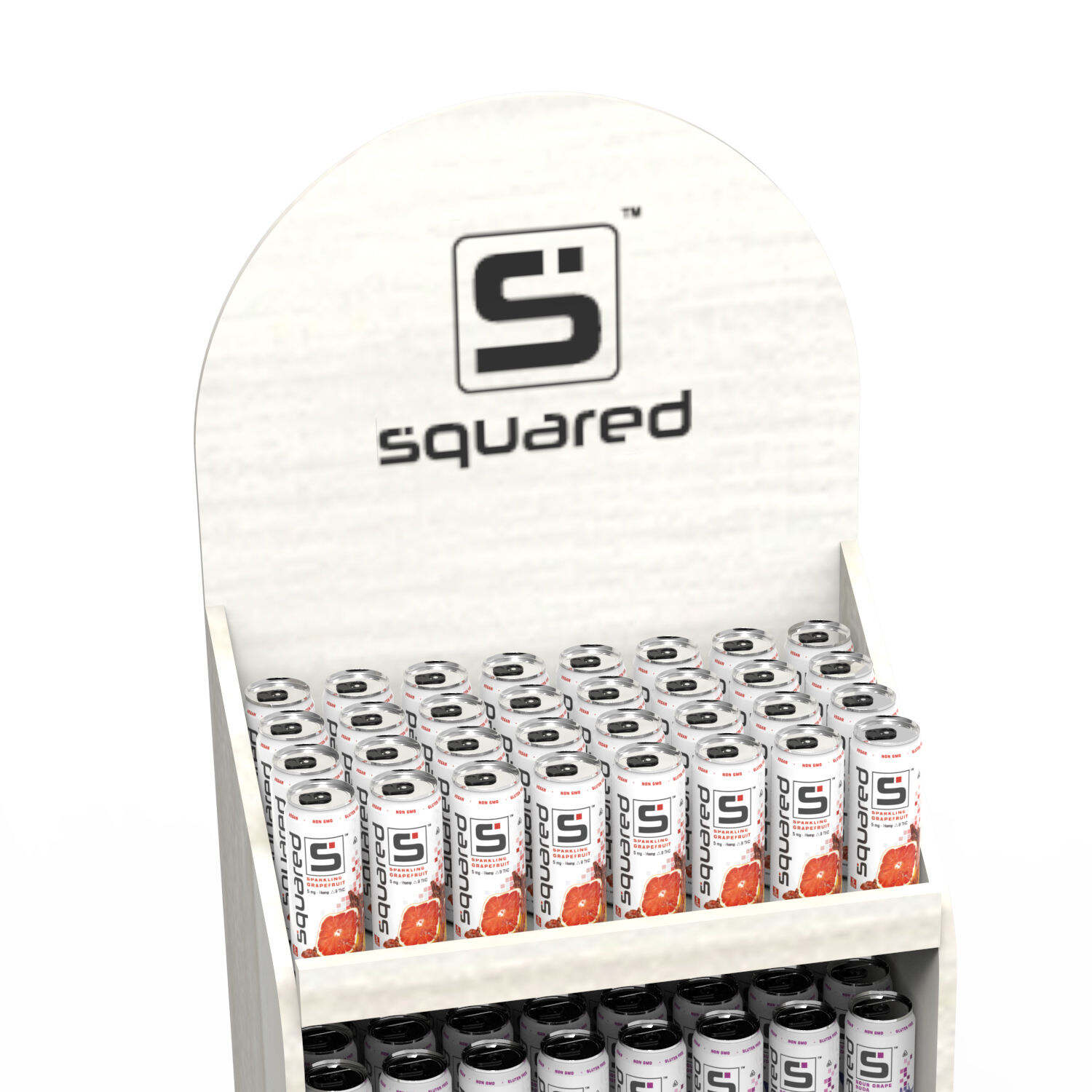
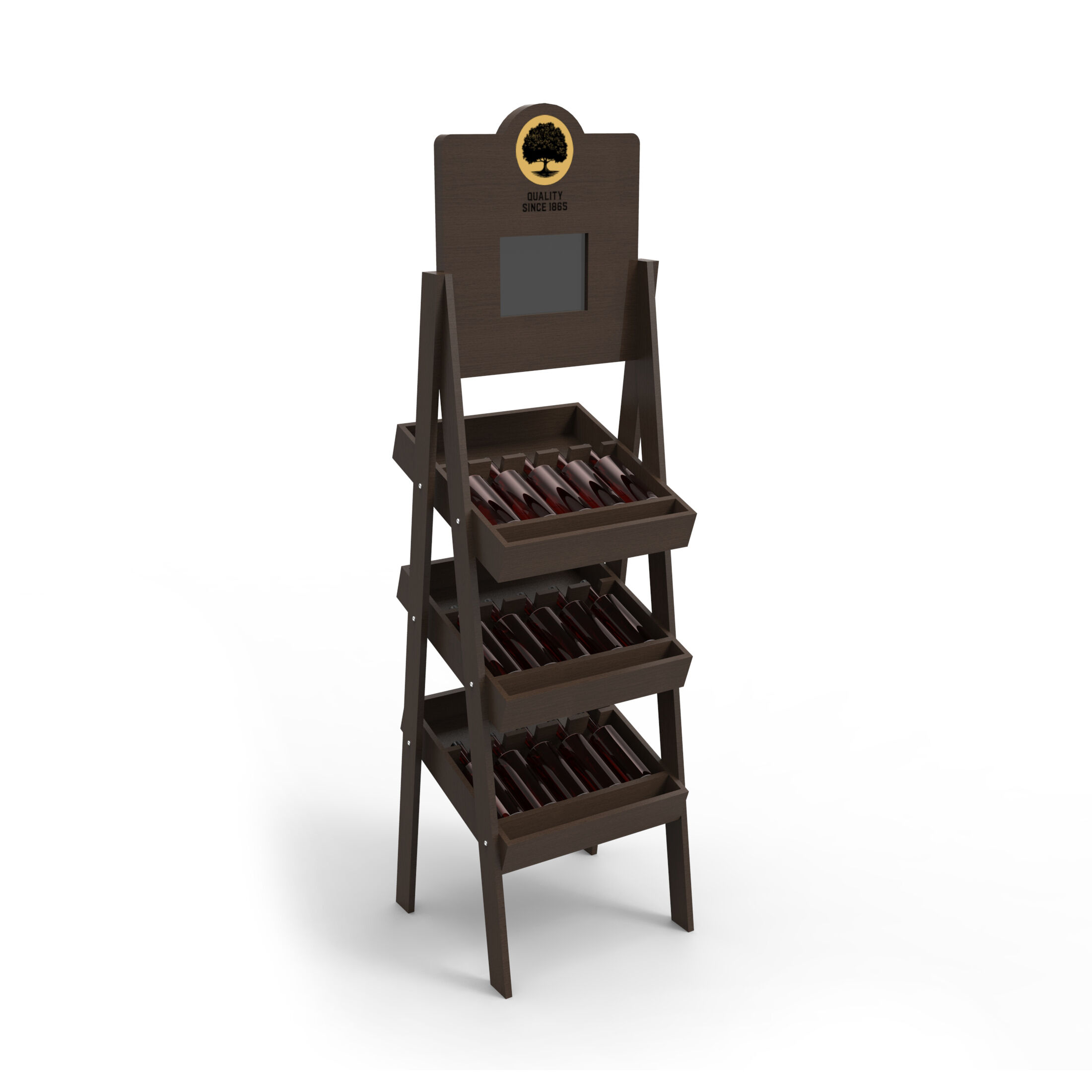
The exceptional durability and long-term value proposition of wood display for wine systems provide compelling economic advantages that far exceed initial investment costs through decades of reliable performance and minimal replacement requirements. Quality hardwood construction using species like oak, maple, or cherry creates display structures capable of supporting substantial weight loads while maintaining structural integrity under constant use conditions that would quickly deteriorate lesser materials. The natural strength characteristics of properly seasoned wood resist warping, cracking, and dimensional changes that commonly affect cheaper alternatives, ensuring consistent performance and appearance throughout extended service lives. Professional wood finishing techniques create protective barriers against moisture, stains, and minor impacts while allowing the natural beauty of wood grain to remain visible, combining aesthetic appeal with practical durability that maintains value over time. Unlike metal displays that may rust or plastic units that become brittle and discolored, wood display for wine ages gracefully while actually increasing in character and perceived value as patina develops and wood grain becomes more pronounced. The repairable nature of wood construction allows for easy maintenance and restoration when minor damage occurs, extending usable life far beyond disposal points for synthetic alternatives while maintaining original quality standards. Modular construction techniques in modern wood displays enable easy expansion and reconfiguration as storage needs evolve, protecting initial investments by adapting to changing requirements rather than requiring complete replacement systems. The substantial construction of wood display for wine units provides excellent stability that prevents tipping or shifting under normal use conditions, reducing accident risks and potential product loss that could occur with lighter, less stable alternatives. Quality wood joinery techniques using traditional mortise-and-tenon or dovetail connections create mechanical bonds that actually strengthen over time as wood fibers settle and compress, unlike glued or screwed connections that may loosen with age and use. The investment appreciation potential of well-crafted wood displays mirrors antique furniture markets, where quality wooden pieces increase in value over time, making initial purchases potentially profitable long-term investments rather than depreciating expenses. Sustainable forestry sourcing ensures wood display for wine purchases support responsible environmental practices while providing renewable material benefits that align with corporate sustainability goals and consumer environmental consciousness. The low maintenance requirements of properly finished wood displays minimize ongoing operational costs, requiring only periodic cleaning and occasional conditioning treatments to maintain optimal appearance and functionality throughout decades of continuous service.
 EN
EN