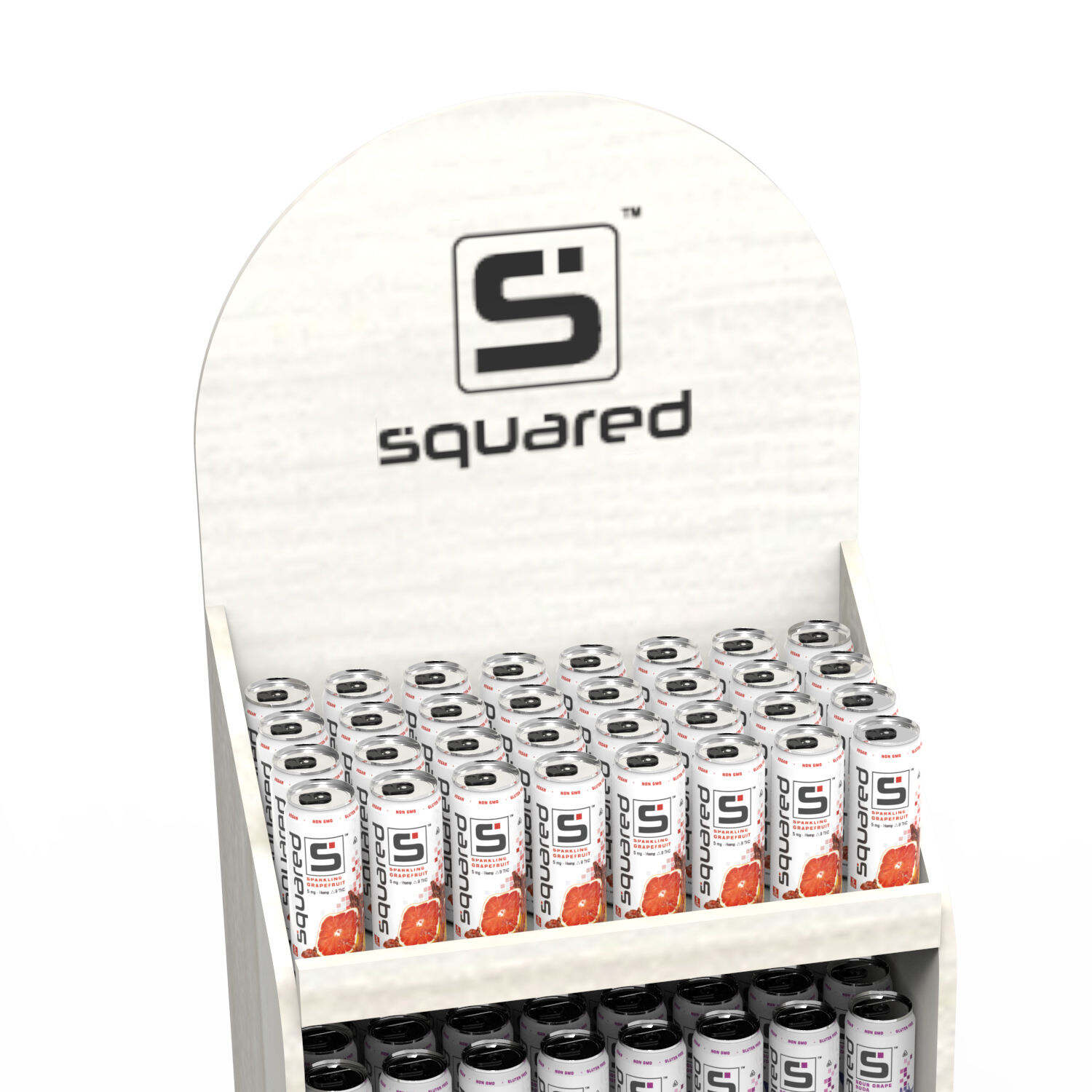
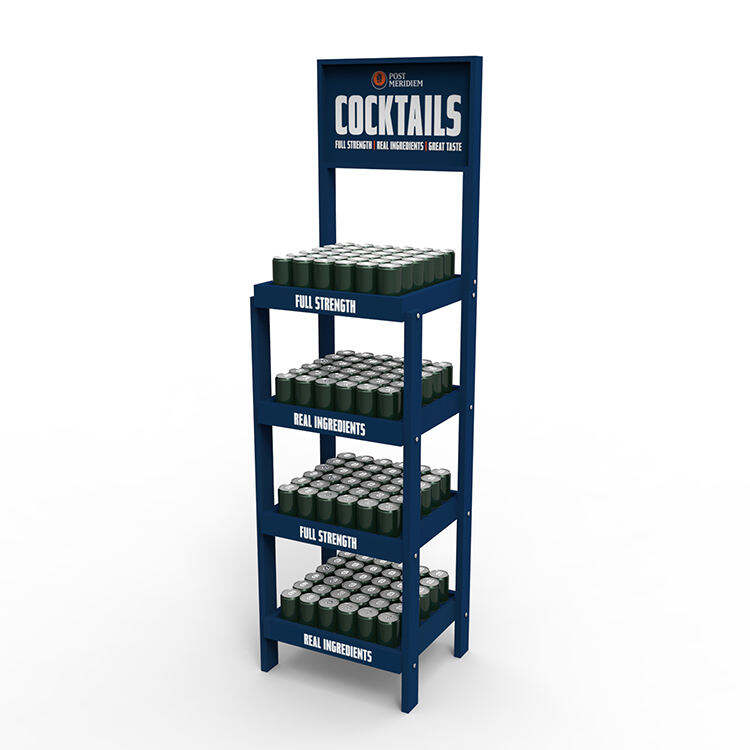
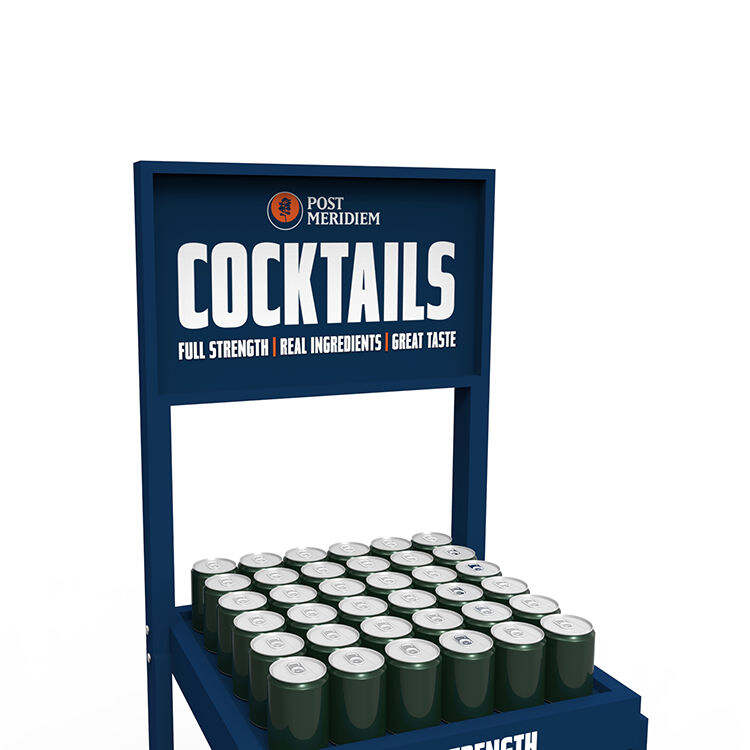
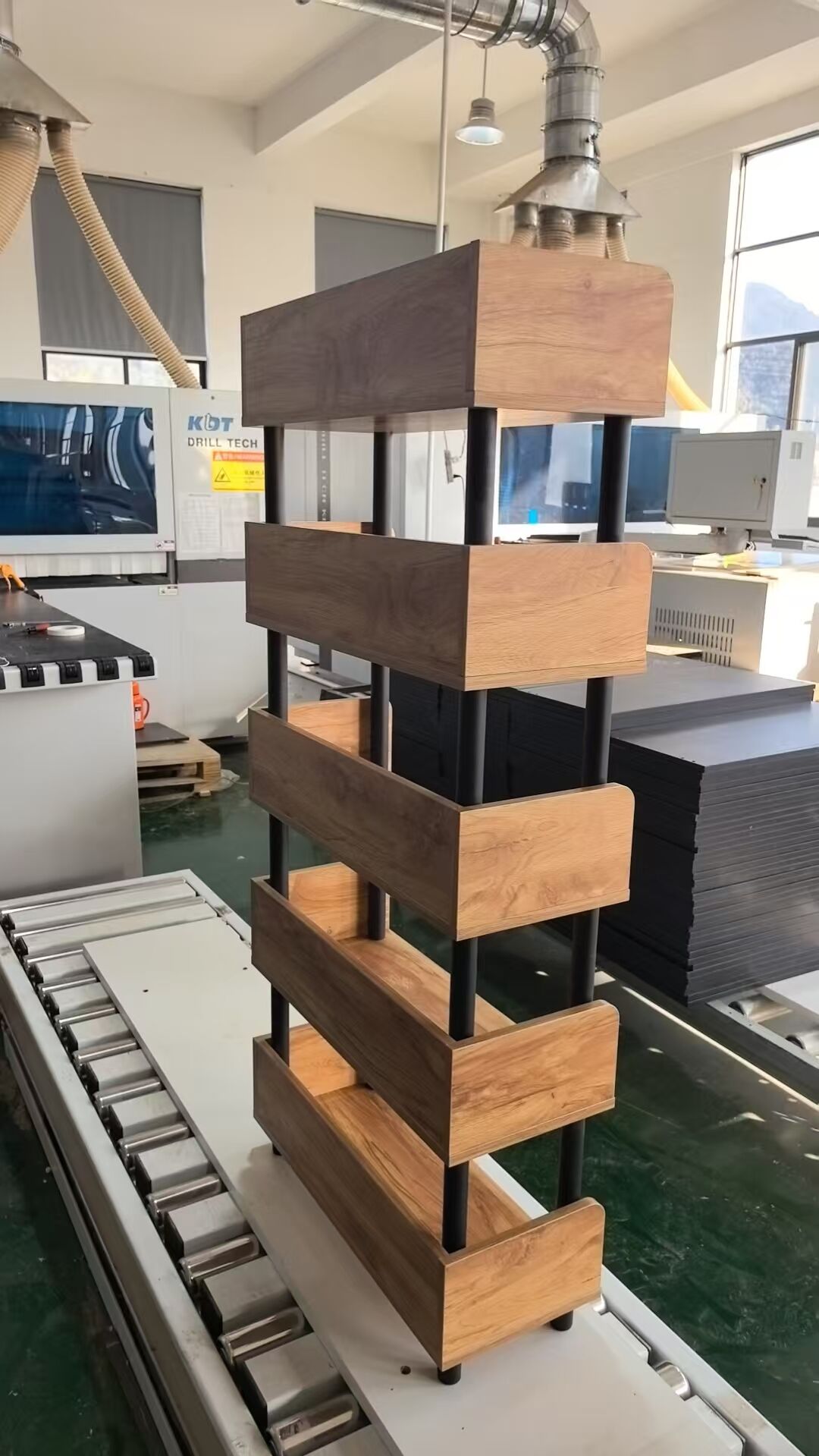
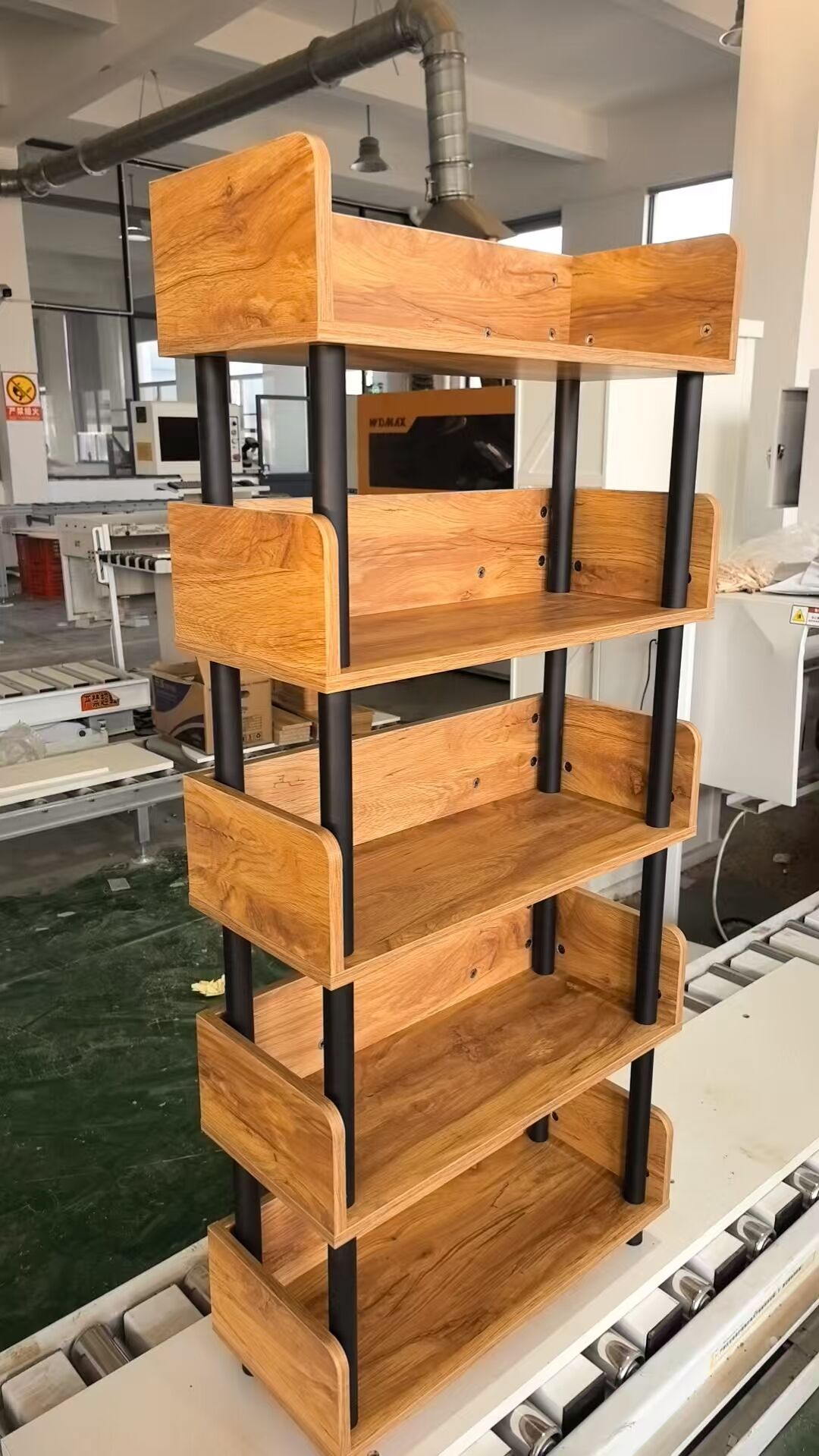
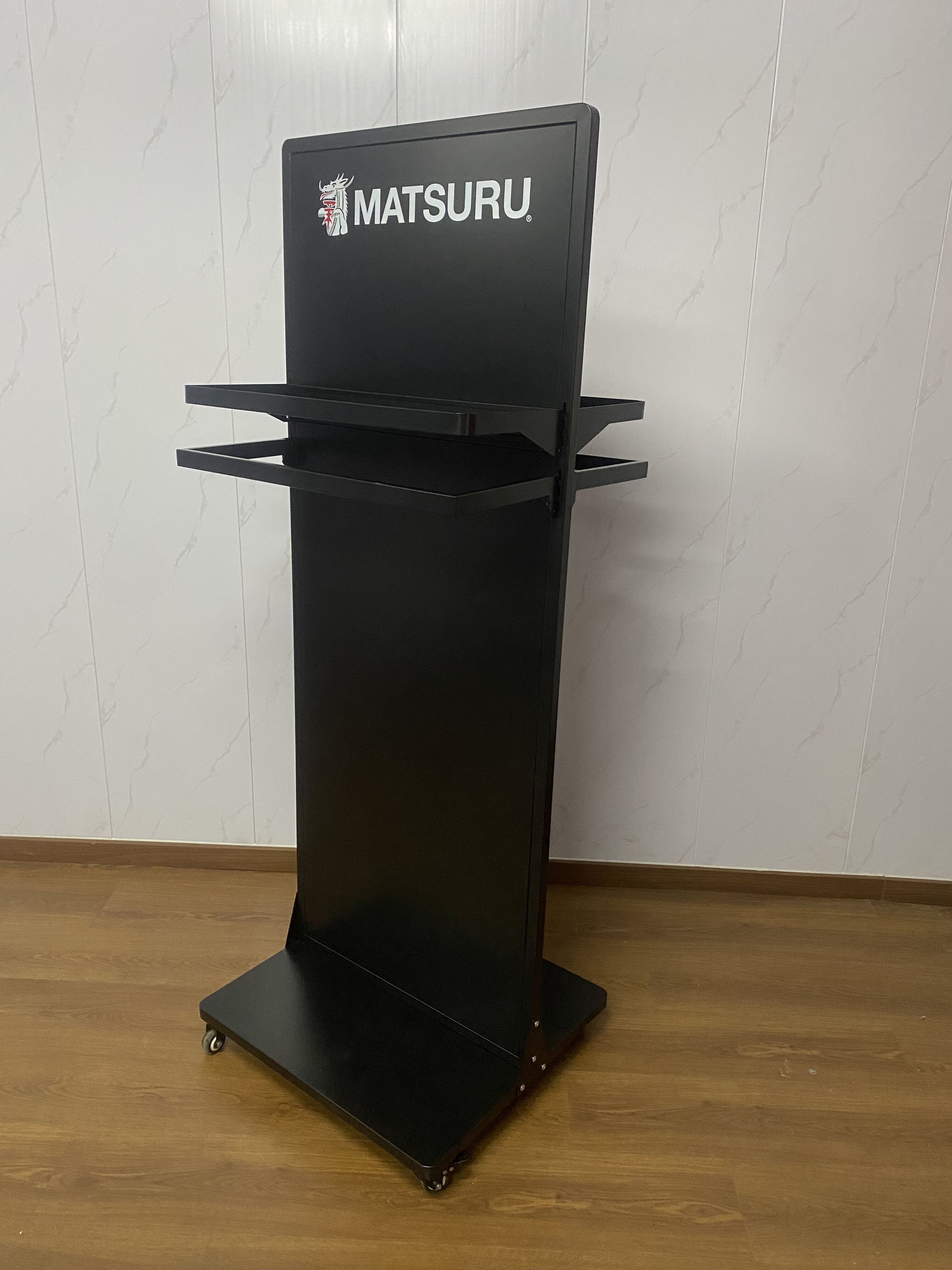
slanted display shelf
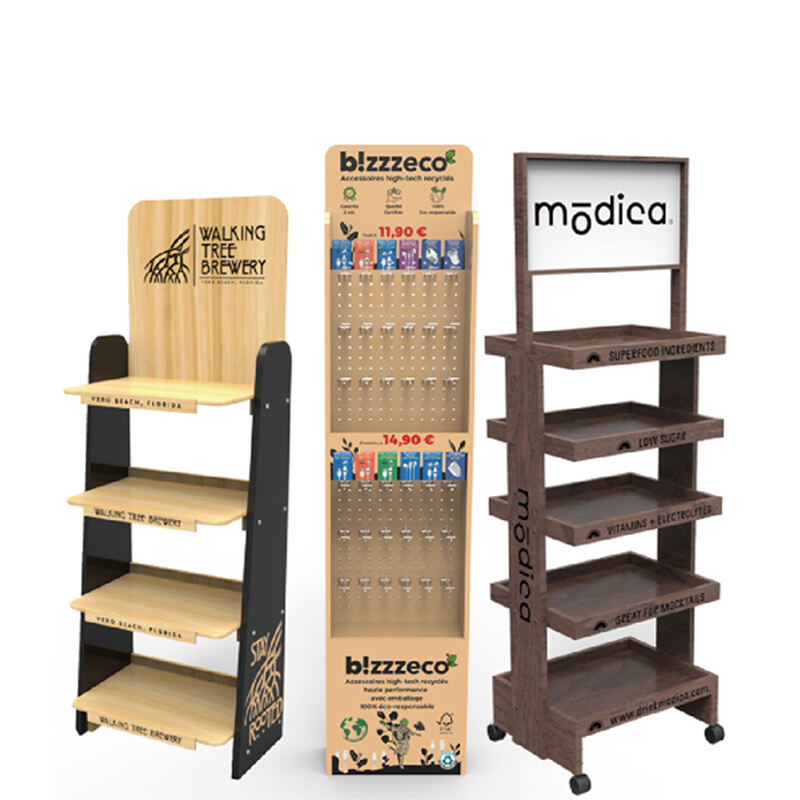
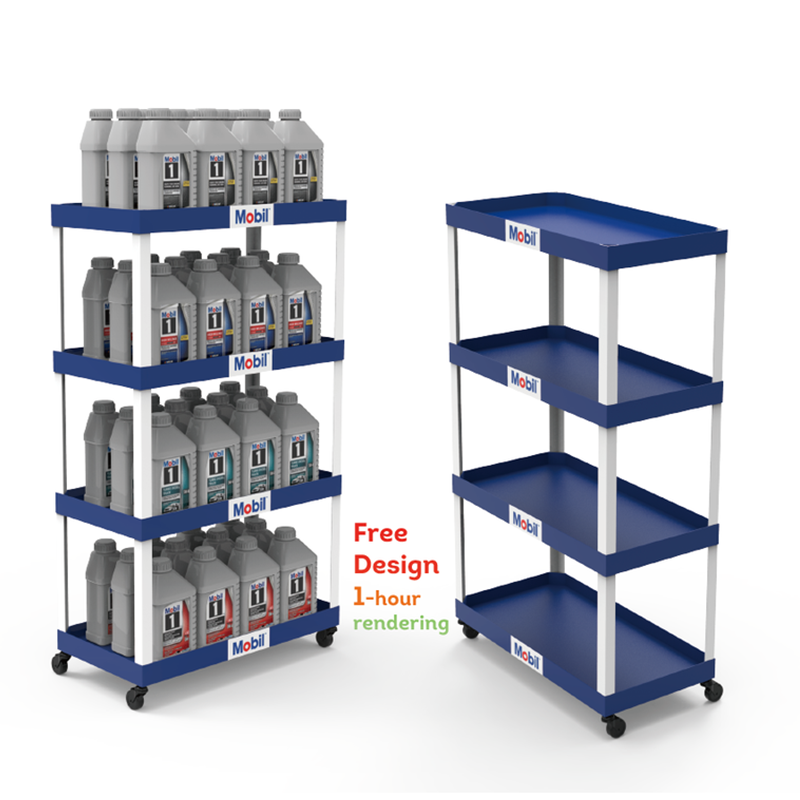
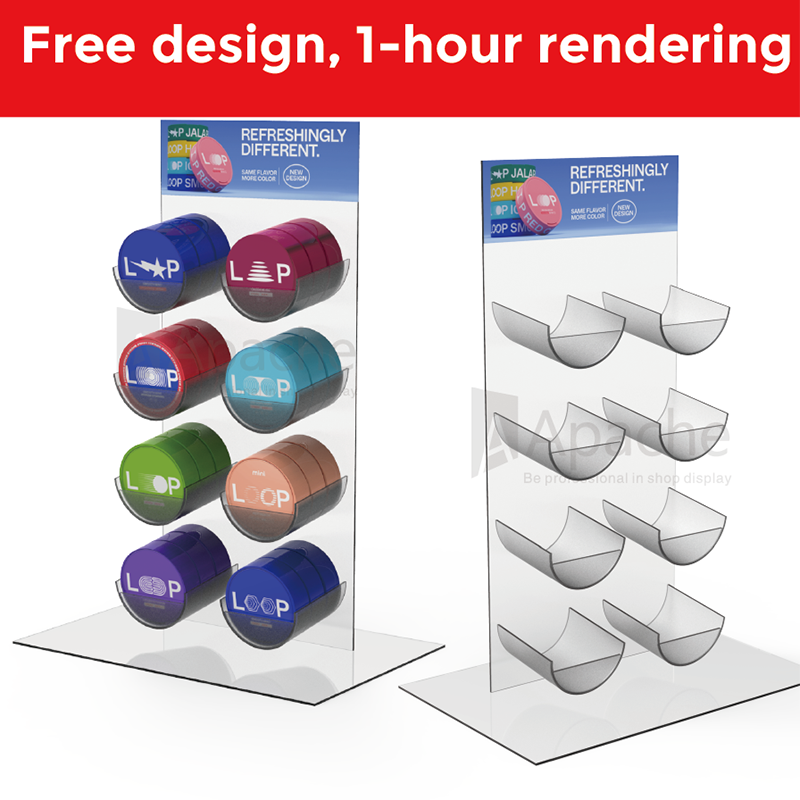
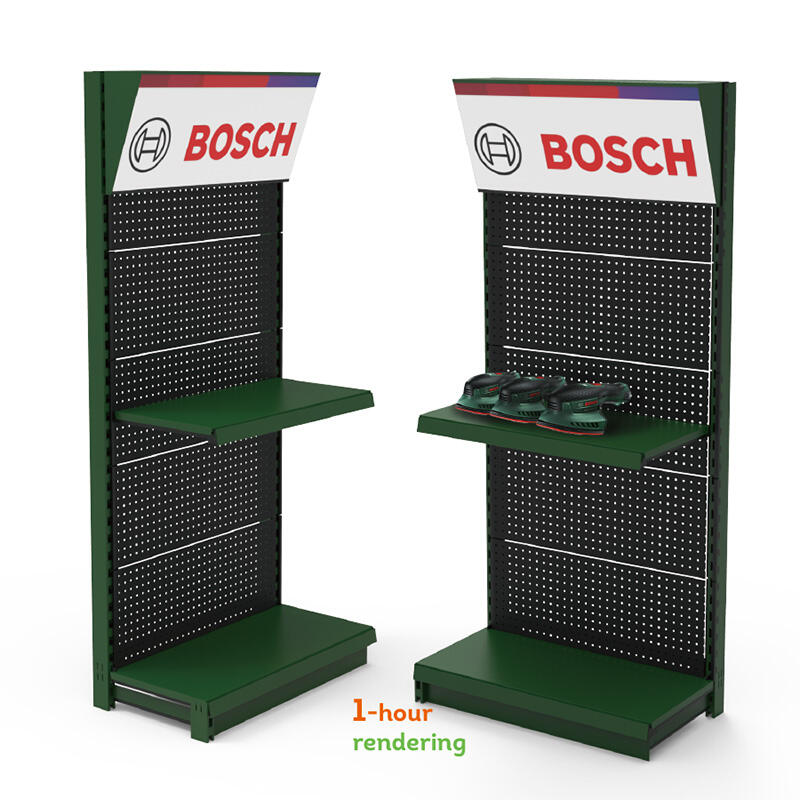
The slanted display shelf represents a revolutionary advancement in retail merchandising and commercial presentation solutions. This innovative display system features an angled design that positions products at optimal viewing angles, creating enhanced visibility and accessibility for customers. The slanted display shelf incorporates precision-engineered tilting mechanisms that allow merchandise to be showcased at angles ranging from 15 to 45 degrees, depending on the specific model and application requirements. Modern slanted display shelves utilize high-grade materials including tempered glass, reinforced acrylic, and commercial-grade metals to ensure durability and professional appearance. The primary function of the slanted display shelf centers around maximizing product exposure while maintaining organized presentation. These shelves effectively utilize gravity-assisted positioning to keep items properly aligned and facing forward, eliminating the need for constant restocking and repositioning. The technological features of contemporary slanted display shelves include adjustable angle mechanisms, anti-slip surfaces, integrated LED lighting systems, and modular mounting options. Many models incorporate smart positioning technology that automatically adjusts shelf angles based on product weight distribution. The slanted display shelf finds extensive applications across retail environments, including grocery stores, pharmacies, electronics retailers, bookstores, and convenience stores. Museums and exhibition spaces also utilize these shelves for artifact presentation and educational displays. The versatility of the slanted display shelf makes it suitable for showcasing various product categories, from small consumer goods to larger items requiring stable support. Healthcare facilities employ slanted display shelves for medical supply organization, while offices use them for document presentation and promotional materials. The ergonomic design of the slanted display shelf reduces customer strain when browsing products, as the angled positioning brings items closer to natural eye level and reaching positions.
 EN
EN