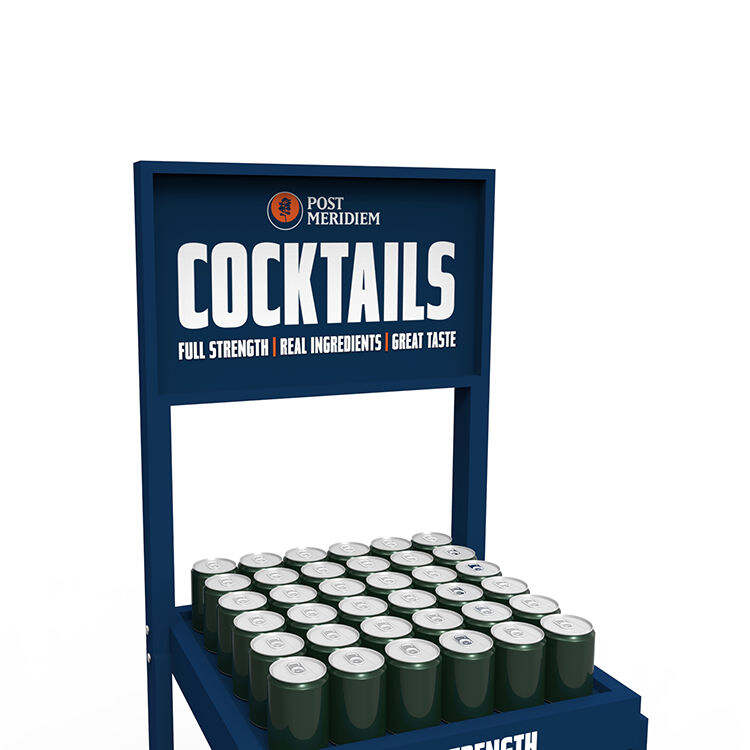
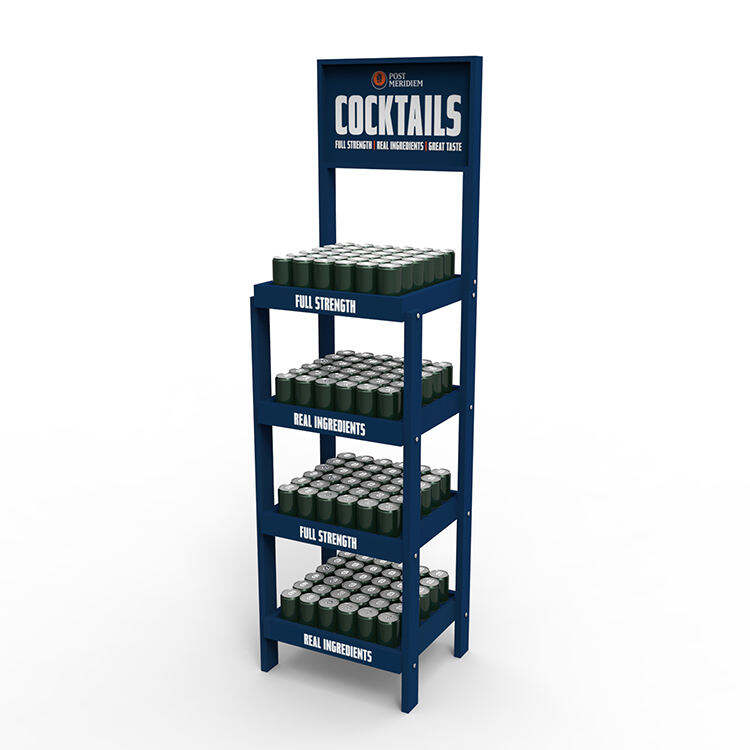
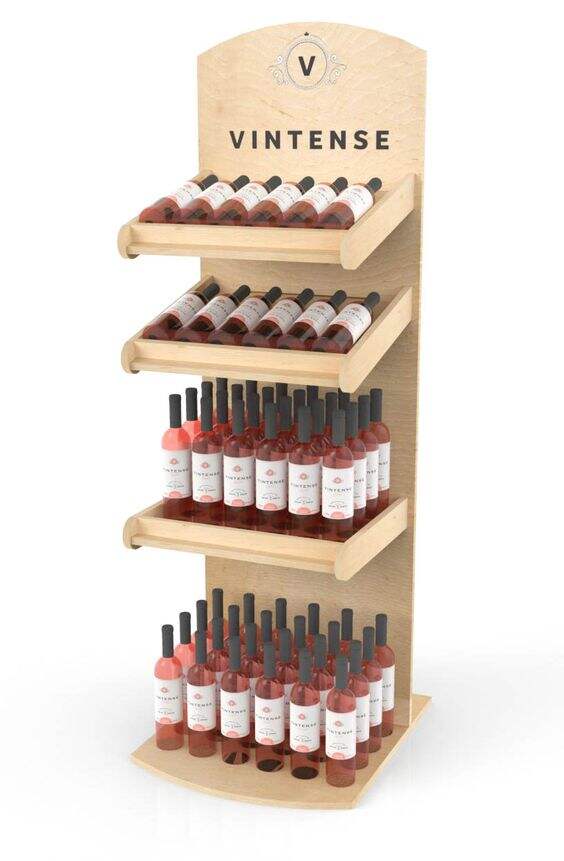
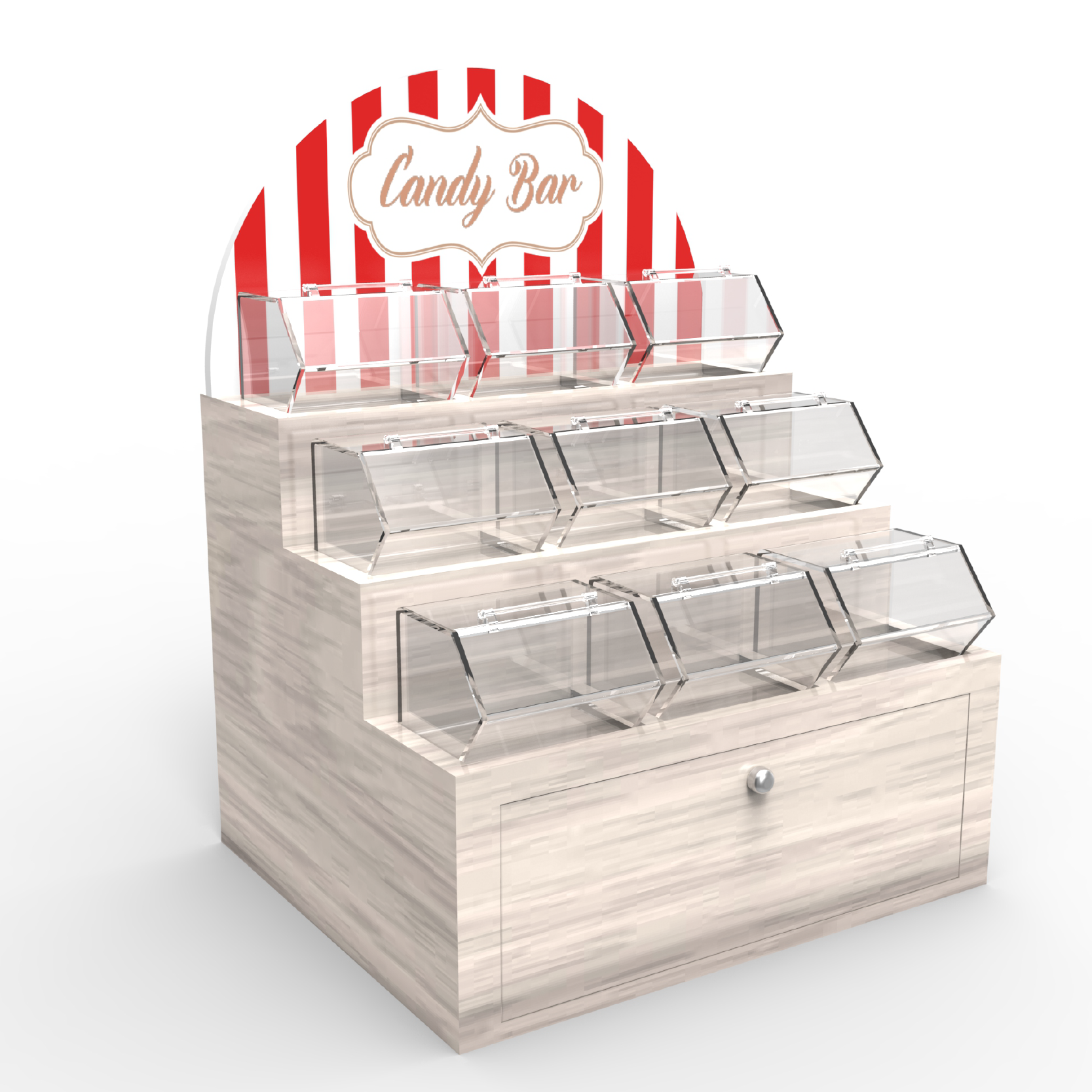
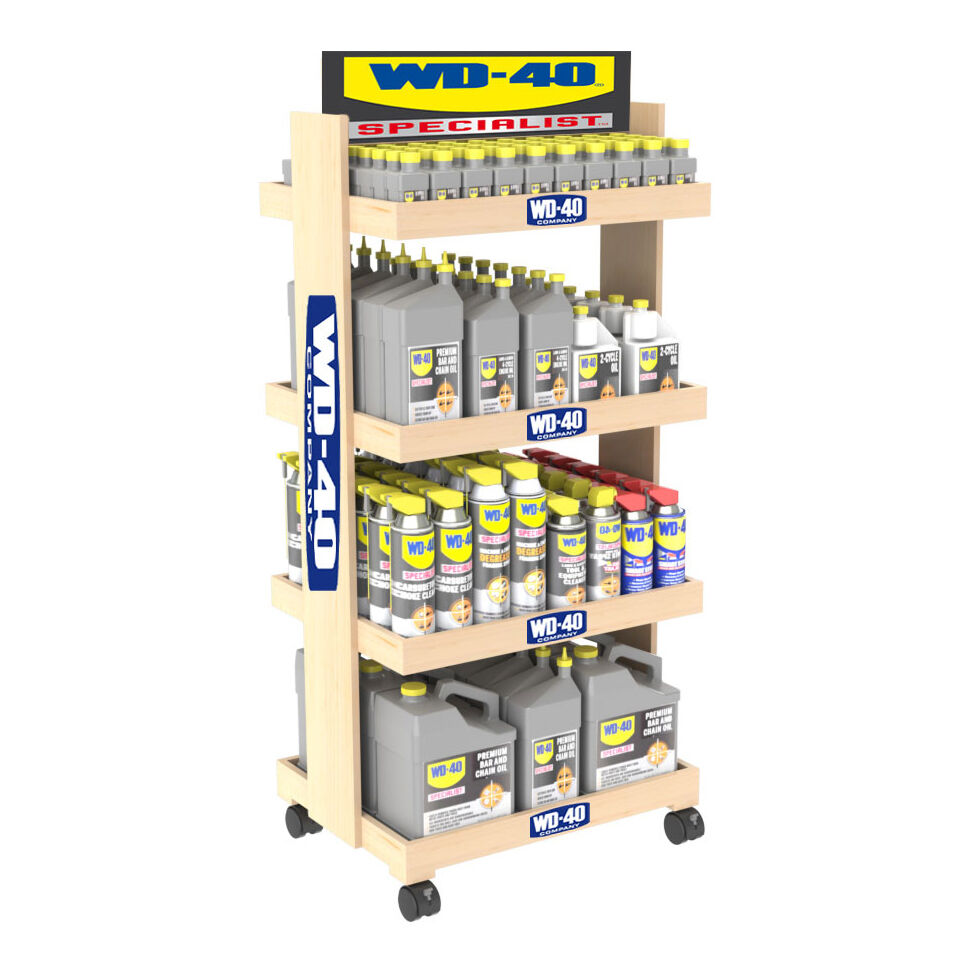
shop display design
Shop display design represents the strategic art and science of creating compelling retail environments that capture customer attention and drive sales performance. This comprehensive approach encompasses visual merchandising principles, spatial planning, lighting techniques, and product presentation methods that transform ordinary retail spaces into engaging shopping destinations. Modern shop display design integrates cutting-edge technology with traditional merchandising wisdom to create immersive experiences that resonate with target audiences. The primary functions of effective shop display design include maximizing product visibility, enhancing brand storytelling, optimizing customer flow patterns, and creating memorable shopping experiences that encourage repeat visits. Technological features have revolutionized contemporary shop display design through digital signage integration, interactive touch screens, augmented reality applications, and smart lighting systems that adapt to different times of day and seasonal requirements. These innovations enable retailers to create dynamic presentations that can be updated instantly without physical restructuring. Applications span across diverse retail sectors including fashion boutiques, electronics stores, grocery markets, automotive showrooms, and specialty retail environments. Each application requires customized approaches that consider product characteristics, target demographics, and brand positioning strategies. The design process involves careful analysis of customer behavior patterns, traffic flow optimization, and strategic placement of focal points that guide shoppers through predetermined pathways. Advanced shop display design incorporates psychological principles of color theory, spatial relationships, and sensory engagement to influence purchasing decisions. Sustainability considerations have become increasingly important, with eco-friendly materials and energy-efficient lighting systems becoming standard requirements. The integration of data analytics allows retailers to measure the effectiveness of different display configurations and make data-driven adjustments to optimize performance continuously.
 EN
EN