Sustainable Materials and Eco-Friendly Design Solutions
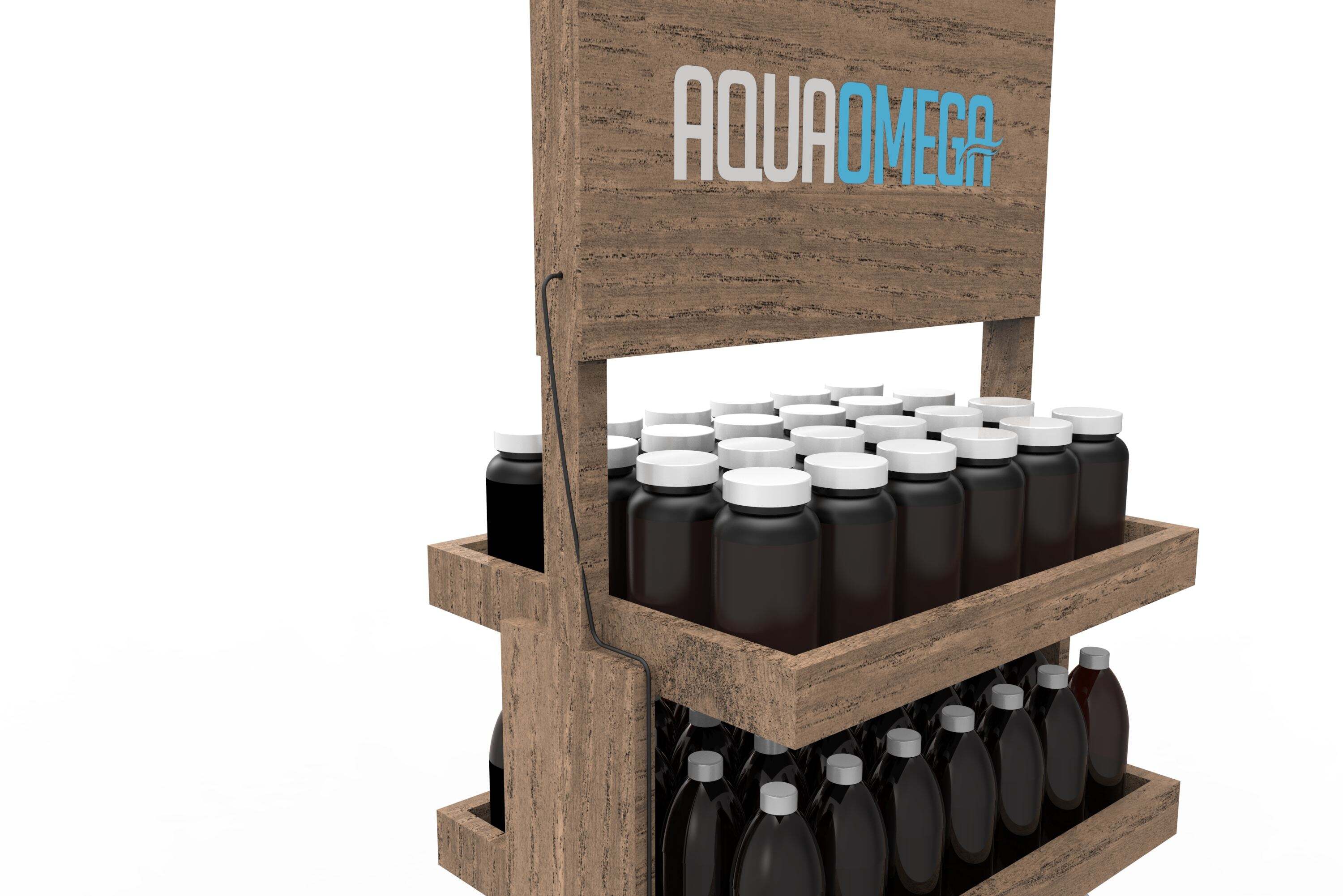
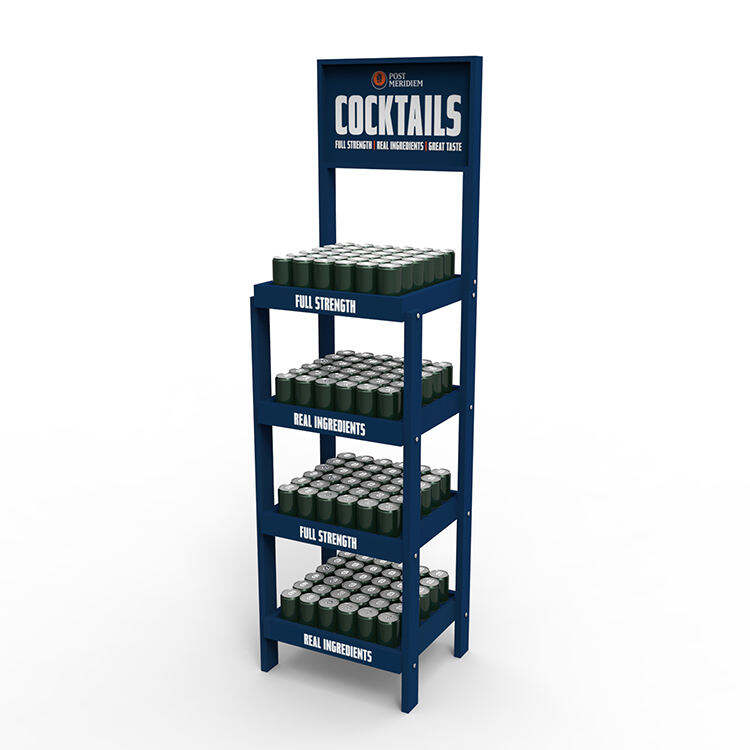
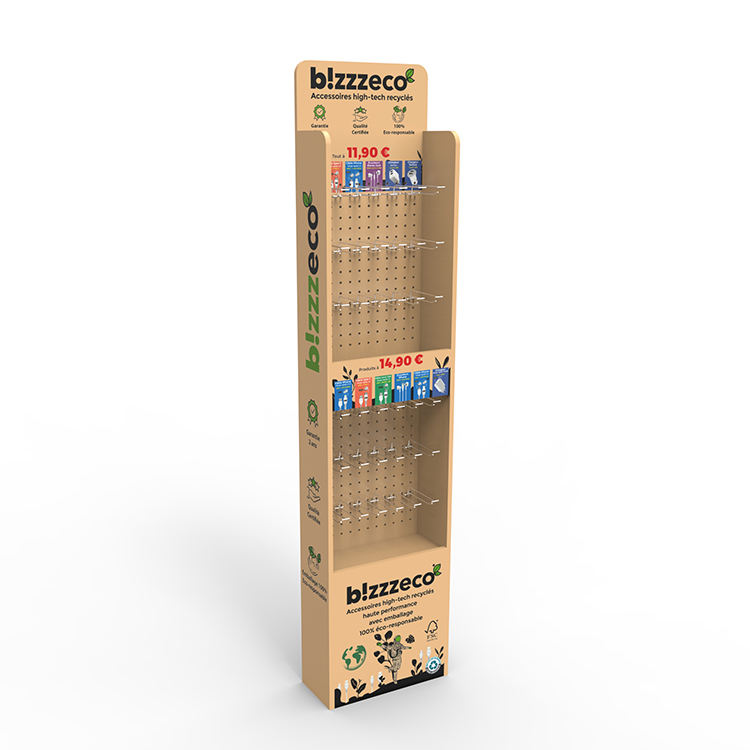
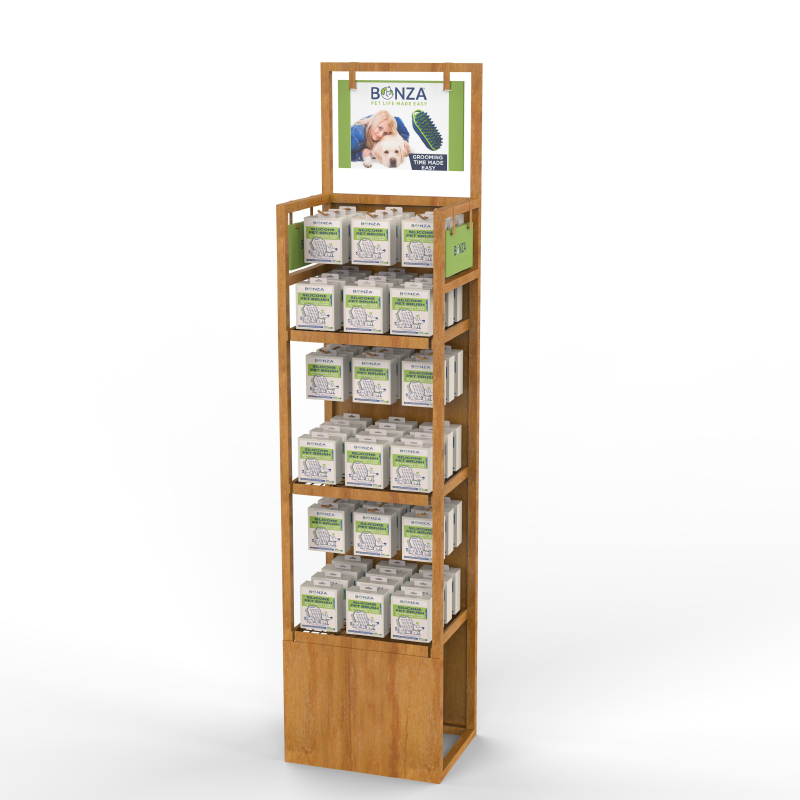
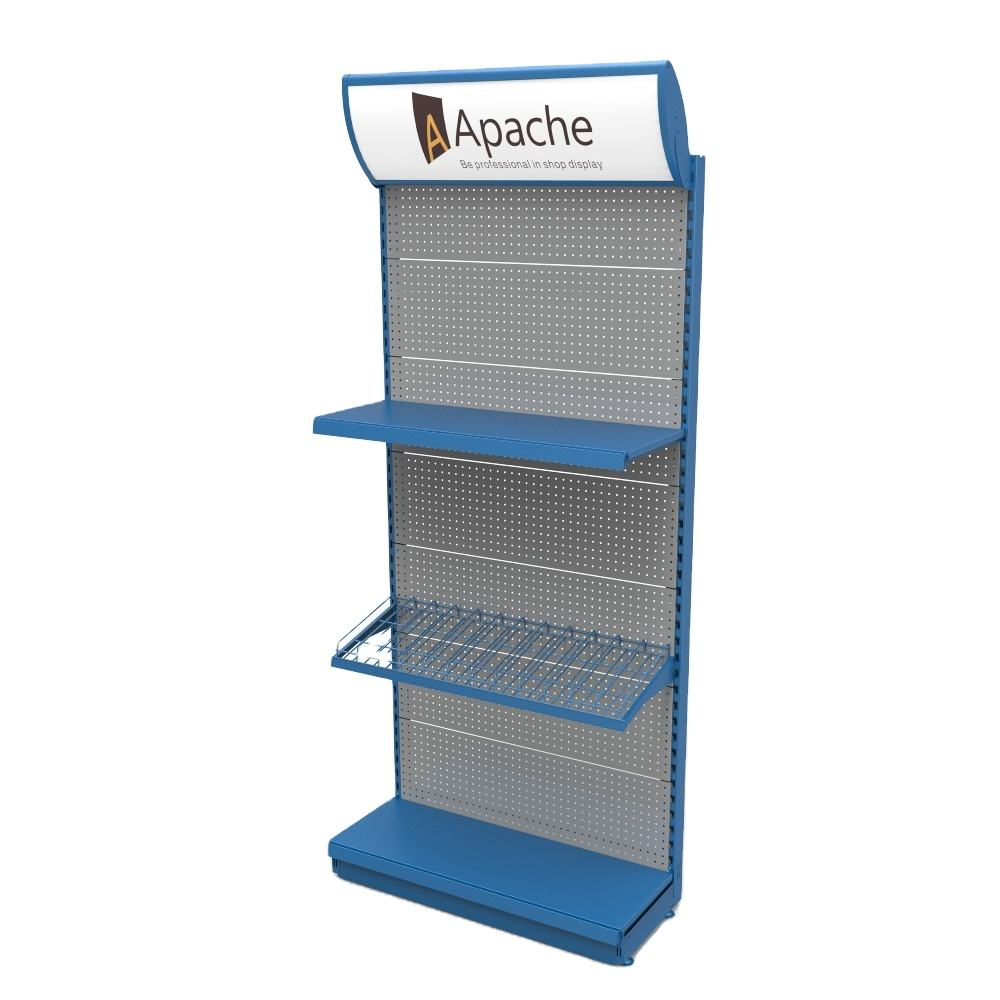
Sustainable retail display design addresses growing environmental concerns while providing cost-effective, durable solutions that appeal to environmentally conscious consumers and support corporate sustainability goals. The use of recycled materials, renewable resources, and energy-efficient components in display construction reduces environmental impact while maintaining high quality and aesthetic appeal. Bamboo, recycled plastics, reclaimed wood, and biodegradable composites offer attractive alternatives to traditional materials without compromising durability or visual impact. These sustainable materials often provide superior performance characteristics, including resistance to moisture, temperature fluctuations, and wear from customer interaction. The modular design approach in sustainable retail display design promotes reusability and reduces waste by allowing components to be reconfigured for different applications rather than discarded when display needs change. Standardized connection systems enable easy assembly, disassembly, and reconfiguration without specialized tools or expertise, extending the useful life of display components and reducing replacement costs. This modularity also supports seasonal changes, promotional campaigns, and store remodeling projects without requiring entirely new display investments. Energy efficiency represents a significant advantage of modern sustainable display design through the integration of LED lighting systems, solar power options, and smart energy management features. LED technology consumes up to 80 percent less energy than traditional lighting while providing superior illumination quality and longer operational life. Programmable lighting controls automatically adjust brightness based on ambient conditions, customer presence, and time of day, optimizing energy consumption while maintaining optimal product presentation. The positive brand image associated with sustainable retail display design resonates strongly with environmentally conscious consumers, particularly younger demographics who prioritize environmental responsibility in their purchasing decisions. Displays that incorporate recycled content, energy-efficient features, and sustainable manufacturing processes communicate corporate values and environmental commitment, building stronger emotional connections with customers. This environmental positioning can differentiate brands in competitive markets and attract customers who specifically seek out environmentally responsible retailers. Cost savings from sustainable display design extend beyond initial purchase prices to include reduced energy costs, lower maintenance requirements, and extended replacement cycles. Sustainable materials often provide better durability and resistance to damage, reducing repair and replacement expenses over time. The improved efficiency of sustainable systems reduces operational costs while supporting corporate sustainability reporting and environmental compliance requirements. Certification programs and green building standards increasingly recognize sustainable retail display design contributions, providing additional value through regulatory compliance and potential tax incentives.
 EN
EN