Modular Design Flexibility and Customization Capabilities
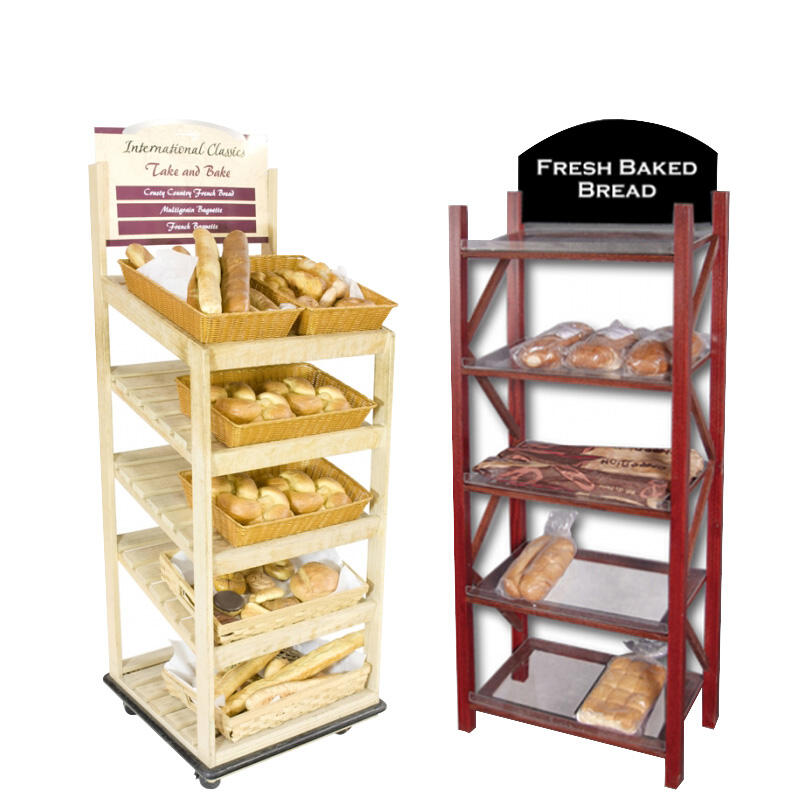
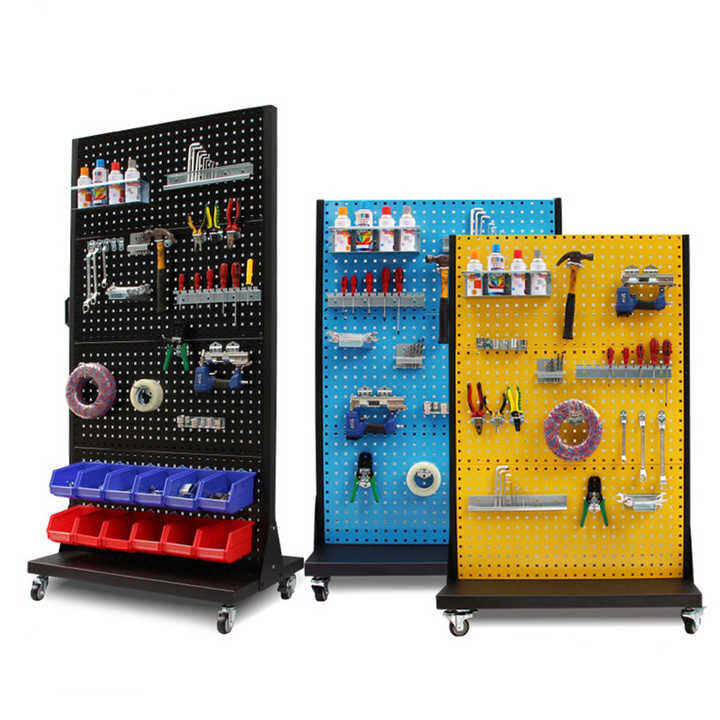
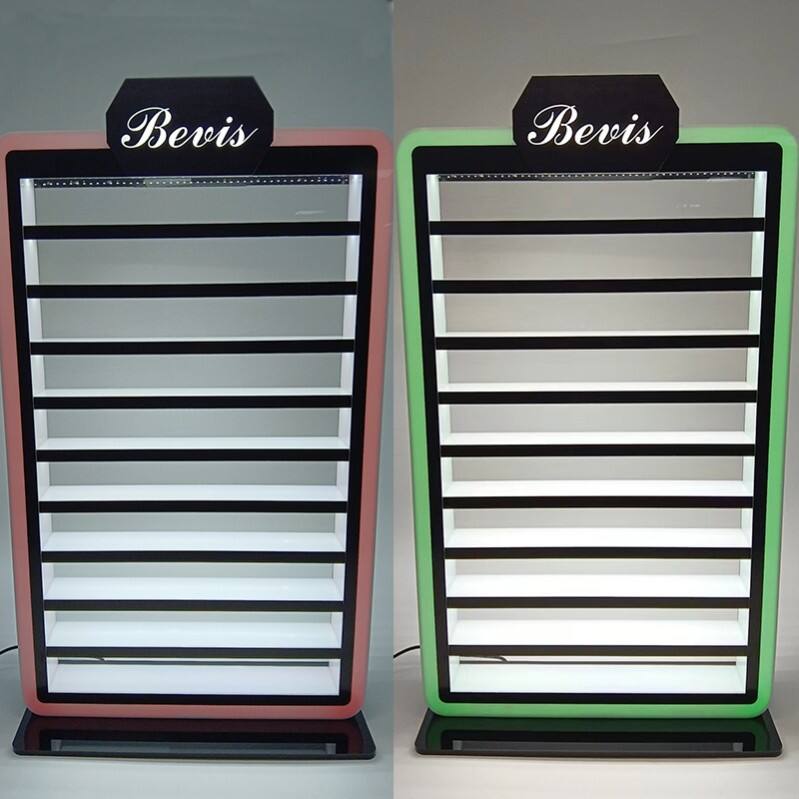
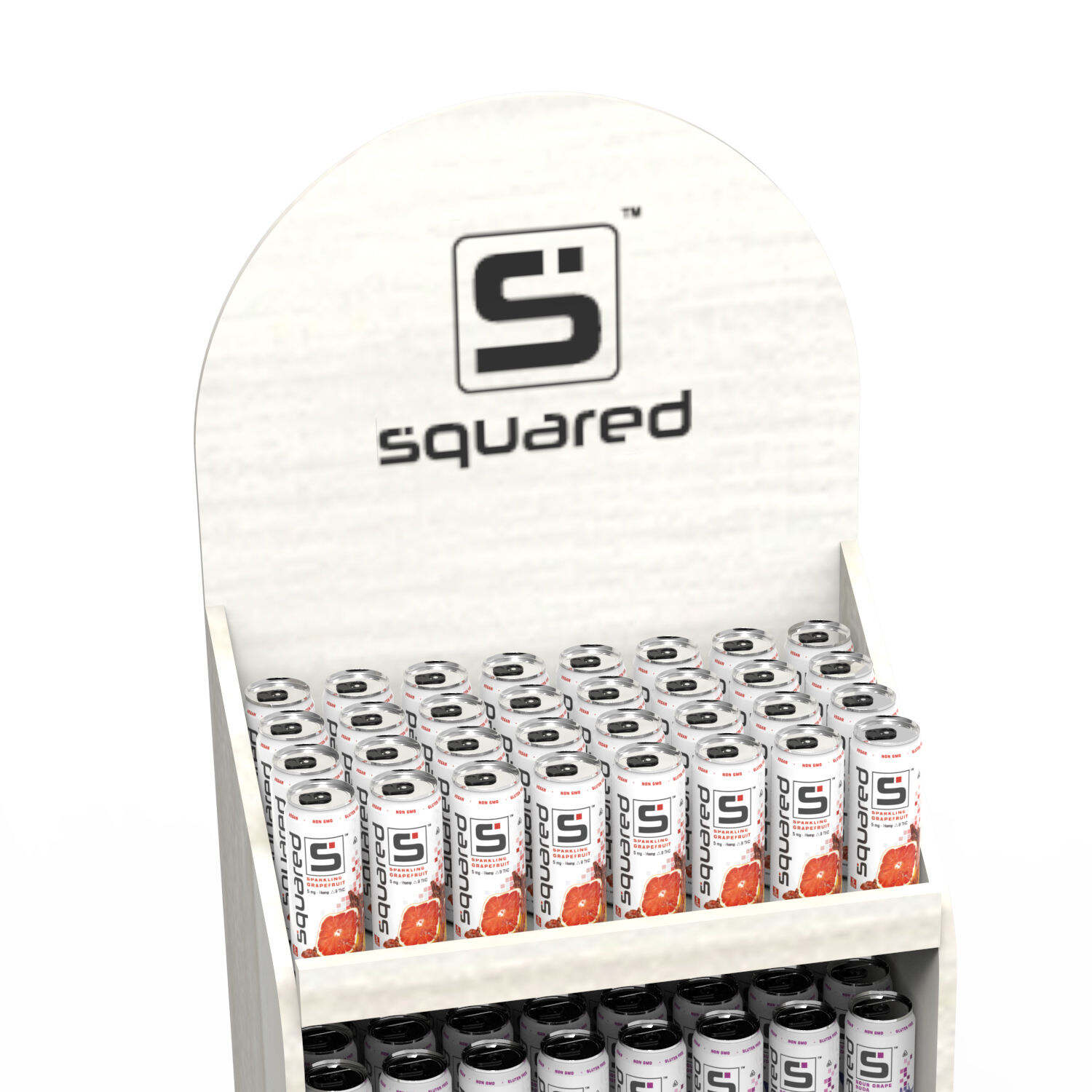
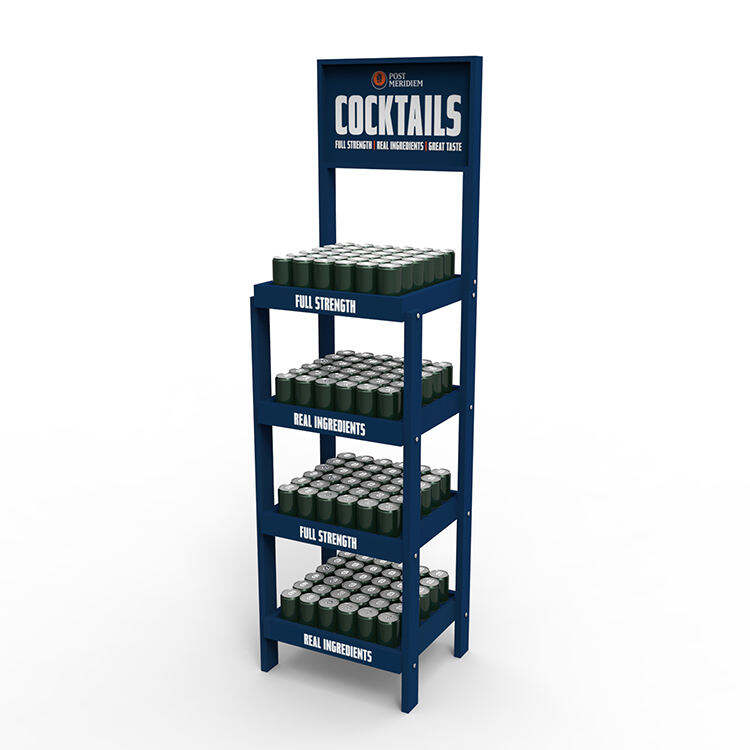
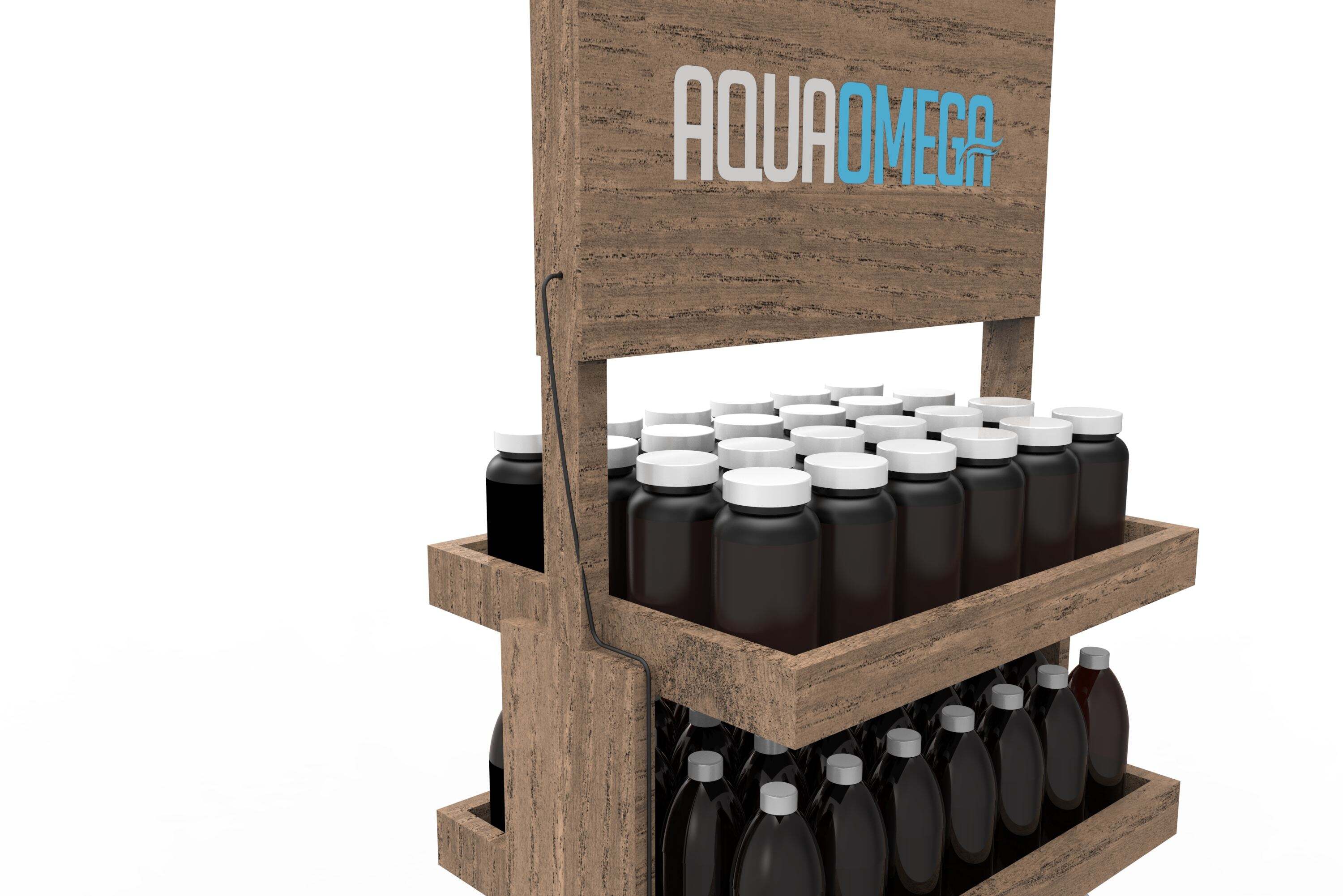
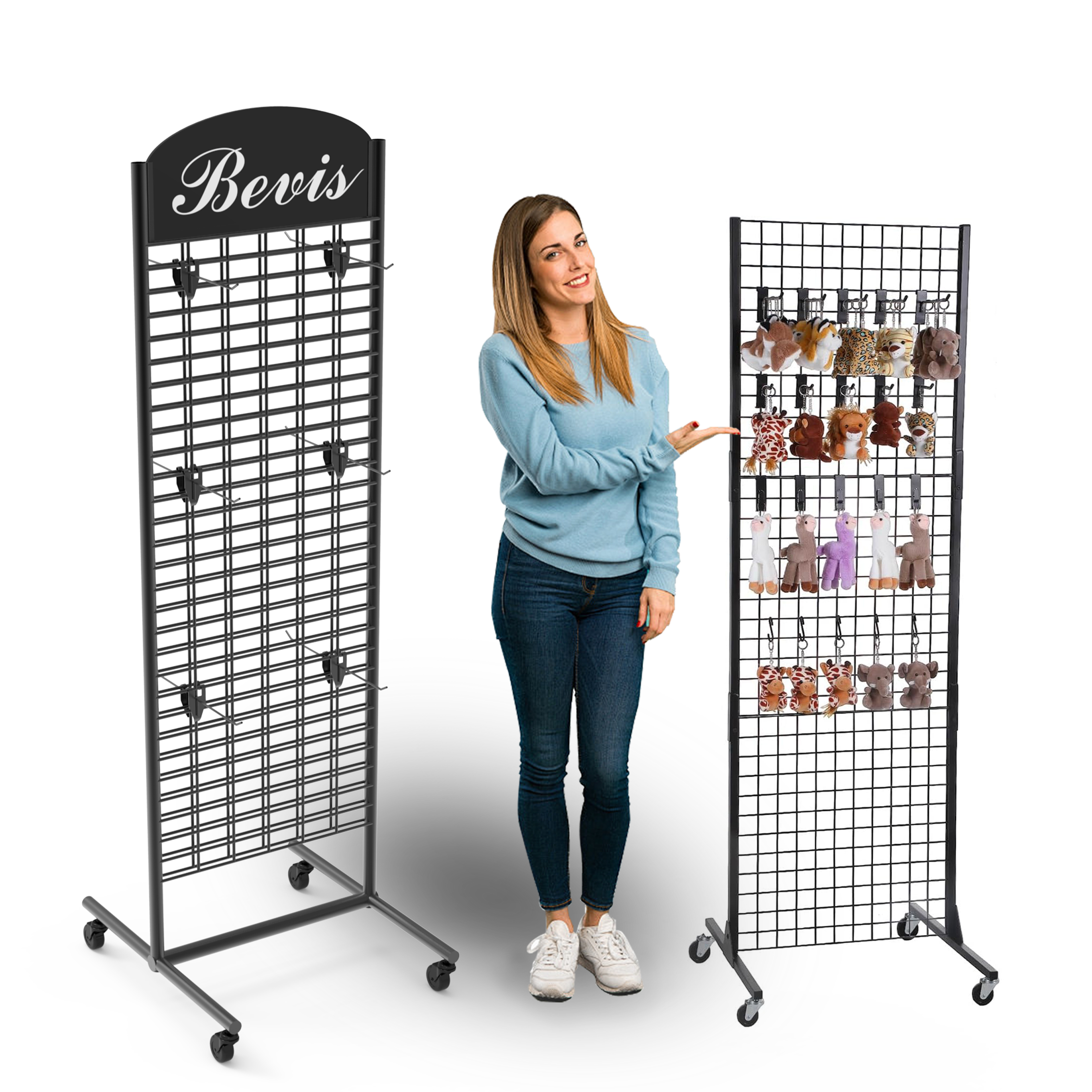
The liquor store metal display stand revolutionizes retail flexibility through sophisticated modular design concepts that enable extensive customization and adaptability to evolving business requirements. Component-based construction allows retailers to modify configurations quickly without requiring specialized tools or professional installation services, supporting rapid response to seasonal changes, promotional events, and inventory fluctuations. Standardized connection systems ensure compatibility across product lines, enabling expansion and reconfiguration as business needs evolve while protecting existing investments in display infrastructure. The modular approach extends to shelving systems, where adjustable heights accommodate different bottle sizes and product categories while maintaining optimal visual presentation standards. Quick-release mechanisms facilitate efficient cleaning and maintenance procedures, reducing operational disruption and labor costs associated with fixture servicing. The liquor store metal display stand typically offers multiple finish options, dimensional variations, and accessory compatibility that enable retailers to create unique brand expressions while maintaining functional performance requirements. Interchangeable components include specialized bottle holders, promotional signage brackets, lighting integration points, and security features that can be added or modified according to specific operational needs. The design philosophy emphasizes future-proofing through expandable frameworks that accommodate business growth without requiring complete display system replacement. Standardized mounting points support various accessory options including digital price displays, inventory tracking systems, and promotional materials that enhance customer engagement and operational efficiency. Configuration versatility extends to multi-level displays, corner units, end-cap installations, and custom layouts that maximize space utilization while maintaining traffic flow and customer accessibility. The modular design reduces shipping costs through efficient packaging configurations and simplifies installation procedures that minimize setup time and labor requirements. Quality control processes ensure consistent fit and finish across all modular components, maintaining professional appearance standards regardless of configuration complexity. The flexibility advantages translate into competitive benefits including faster time-to-market for new product introductions, reduced operational costs through efficient space utilization, and enhanced customer satisfaction through improved shopping experiences that support increased sales performance and customer loyalty development.
 EN
EN